(Baonghean.vn) – Cuc Phuong National Park (or Cuc Phuong Forest) is a nature reserve and special-use forest located on the border of three regions: Northwest Vietnam, the Red River Delta, and North Central Vietnam, spanning three provinces: Ninh Binh, Hoa Binh, and Thanh Hoa. This national park boasts a rich and diverse flora and fauna characteristic of a tropical rainforest.
Many highly endangered plant and animal species have been discovered and conserved here. It is also the first national park in Vietnam and one of three wildlife rescue centers in Vietnam.
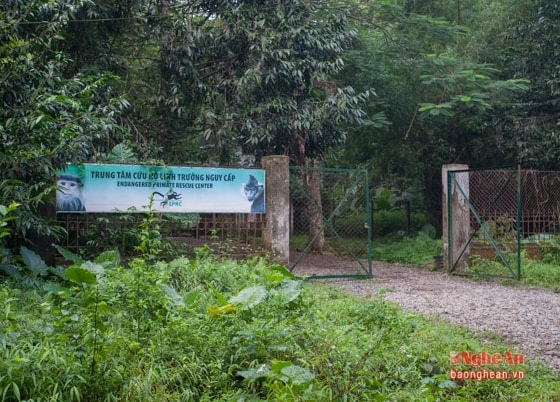 |
| The entrance to the Endangered Primate Rescue Centre (EPRC) is currently caring for and nurturing 150 individuals of 15 species and subspecies. |
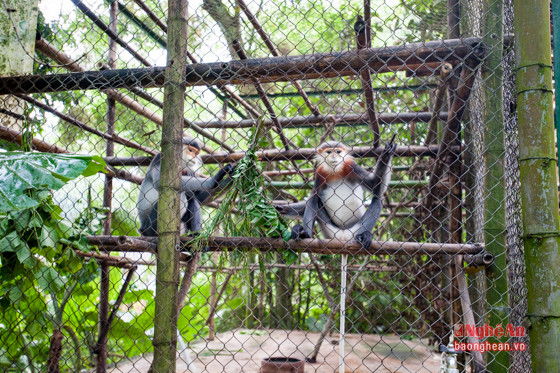 |
| This includes six primate species cared for here that are not kept in captivity anywhere else in the world for conservation purposes: the white-buttocked langur; the Ha Tinh langur; the gray-footed langur; the black langur; the Cat Ba langur; and the Laotian langur... |
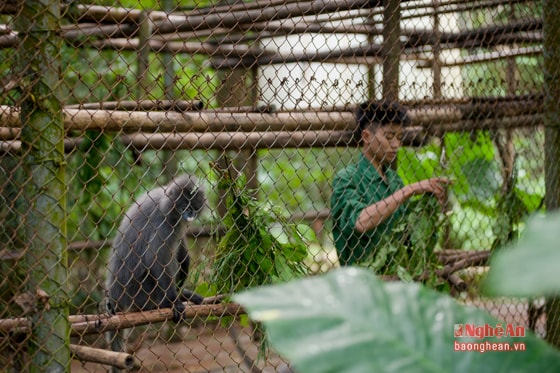 |
| In the wild, langurs are vulnerable to human activities, and because they only give birth to one offspring at a time, their numbers are declining drastically. |
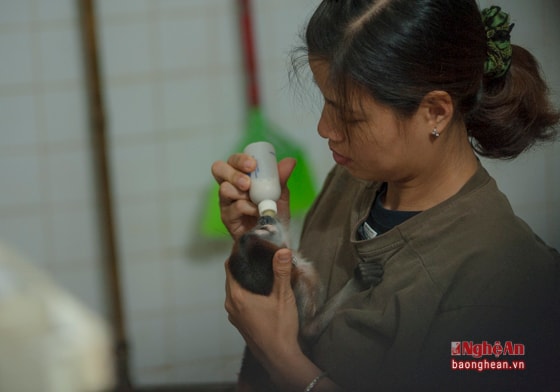 |
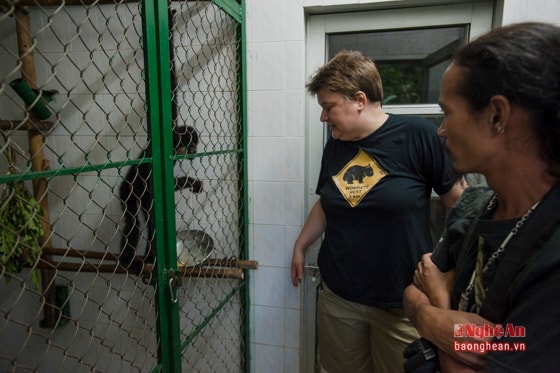
| The brown-footed langur, recently received from Thanh Chuong (Nghe An) on October 5th, is currently being cared for by volunteers. |
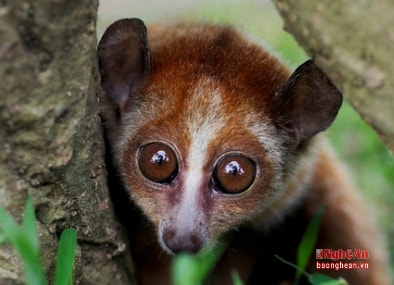 |
| Within the enclosures of the Endangered Primate Rescue Center are slow lorises, the most nocturnal of all animals, with keen eyesight that can see through the darkness of the deep forest. |
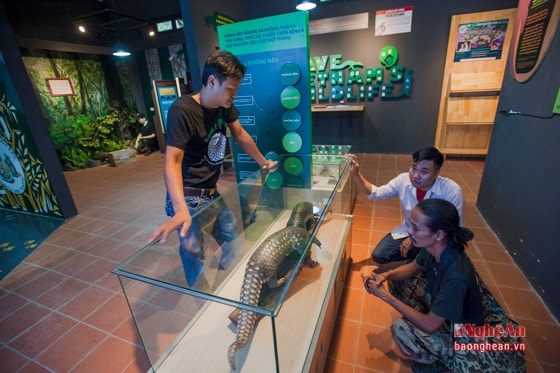 |
| Right next to EPRC is the Small Carnivore and Pangolin Conservation Program area. More than 100 individuals of 6 species, including civets, spotted civets, masked civets, palm civets, wild cats, and pangolins, are being cared for there. |
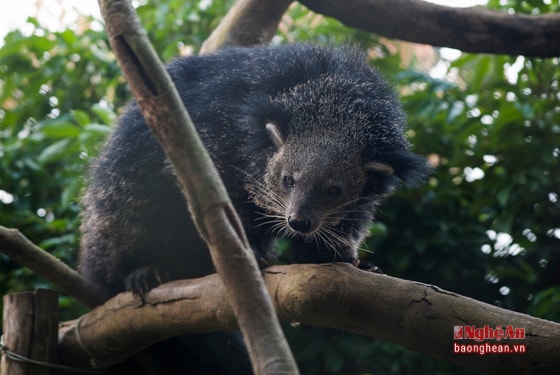 |
| Here, we are caring for two civets that were rescued from elsewhere. The civet species is classified as critically endangered (level V) according to the Vietnamese Red List of Animals. They typically live in old-growth forests and primary forests, and are mostly nocturnal, making them very rare to see in the wild. |
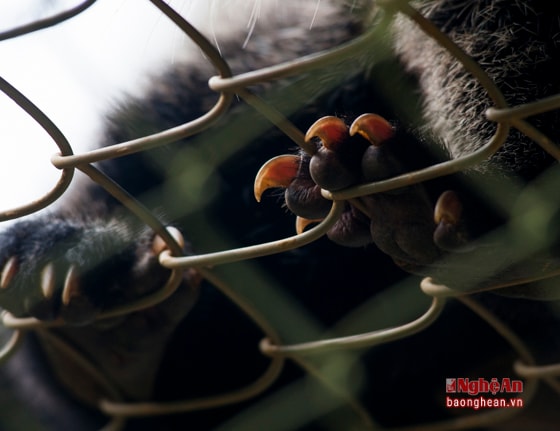 |
| Civets typically use their sharp, flexible toenails to dig, climb, grasp prey, and cut fruit. |
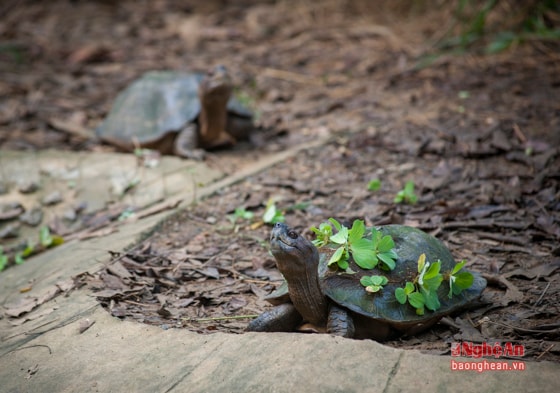 |
| Not only small carnivorous mammals, pangolins, and primates, but turtles also have their own conservation program and care area. The program is currently caring for over 600 individuals of 19 species out of a total of 25 species of terrestrial and freshwater turtles in Vietnam. |
 |
| Through its quiet activities and dedication, the Wildlife Rescue, Conservation and Development Center of Cuc Phuong National Park is making a significant contribution to slowing down the extinction process of several species. |
Thanh Cuong

