(Baonghean.vn) - 'Cinnamon grass' is the name given by the Thai ethnic group to the cinnamon tree. Once, cinnamon grass from Que Phong was a nationally renowned crop, as evidenced by the saying: 'Quỳ cinnamon is the best, Quảng cinnamon is the second best.'However, starting in the 1990s, this species almost "disappeared" due to various reasons. After nearly 30 years, Que Phong district is making every effort to find the original cinnamon trees in order to preserve the genetic resources of this unique and rare plant species.
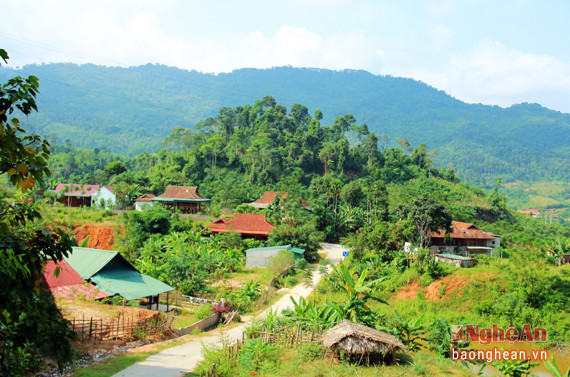 |
| In the remote villages of Thong Thu, Dong Van, and Tien Phong communes, the 1980s marked the golden age of the native Quy cinnamon tree, with thousands of hectares dedicated to its cultivation. At that time, Nghe An province planned a cinnamon growing area of nearly 10,000 hectares in the two districts of Quy Chau and Que Phong, with the majority of this area located within Que Phong. From there, cinnamon was exported to many places nationwide, and Quy cinnamon essential oil was even exported to Russia. At that time, along with Thanh Hoa, Yen Bai, and Quang Nam, Quy cinnamon in Que Phong was one of the four key cinnamon growing regions in the country. Nghe An's Quy cinnamon excelled in quality, and this region was considered the "most renowned cinnamon in the country." |
 |
| By the 1990s, the Quỳ cinnamon brand gradually faded away because the cinnamon growing areas were mixed with many foreign cinnamon varieties. Along with that, the price of cinnamon hit rock bottom, so people were no longer interested in this crop. Instead, they switched to many other crops. Currently, Quế Phong district only has a small area planted with cinnamon under Project 327 (Greening barren land and hills) and Project 661 (Planting 5 million hectares of new forests), and of course, this is not the native Quỳ cinnamon variety. |
 |
| Due to its long lifespan and low economic efficiency, people are not enthusiastic about maintaining cinnamon cultivation. The cinnamon plantations established under Program 327, mainly using imported varieties from Yen Bai province, have gradually been harvested after more than 10 years. However, the native Quy cinnamon trees have become very rare. |
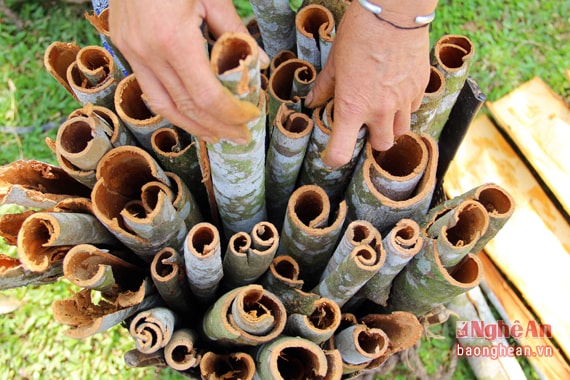 |
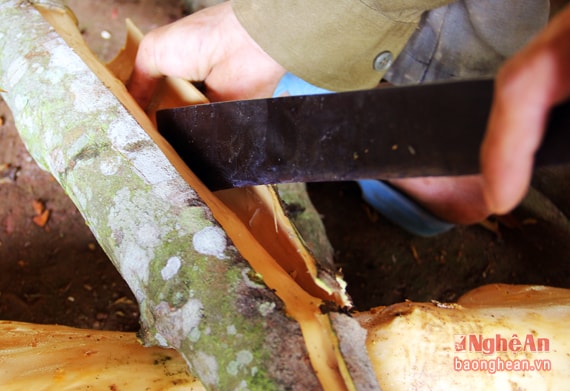
| Native cinnamon has thin bark and a much stronger aroma and spicier taste compared to exotic varieties. The photo shows cinnamon bark harvested by a household in Thong Thu commune under Program 327. |
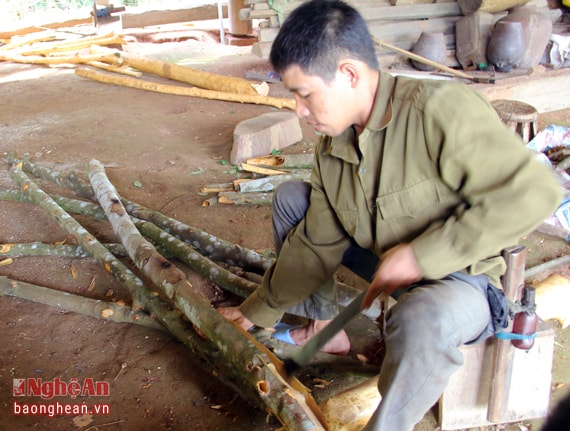 |
| Currently, the purchase price of dried cinnamon ranges from 30,000 to 35,000 VND per kilogram. |
 |
| It is estimated that each mature cinnamon tree yields an average of 3-5 kg of bark. |
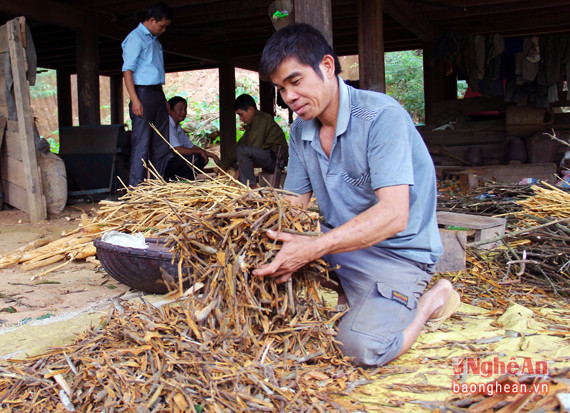 |
| Besides the main trunk, the bark at the top of the cinnamon tree is also harvested to make incense. |
 |
| Following directions from officials of the Que Phong District Agricultural Department, we visited the family of Mr. Ha Sy Que in Long Quang village, Tien Phong commune, to see this special native Quy cinnamon tree firsthand. It is known that nearly 30 years ago, during a trip to the forest, Mr. Que found this Quy cinnamon tree deep in the woods and brought it back to plant in his garden. |
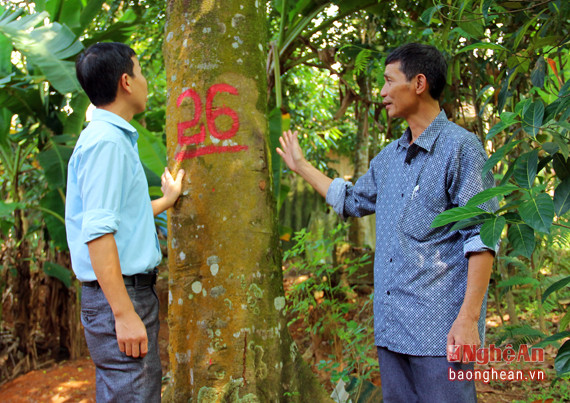 |
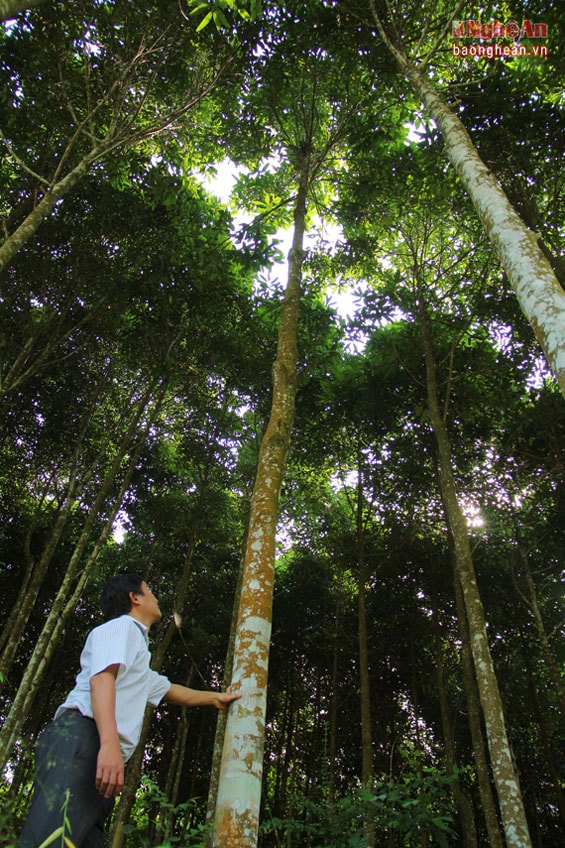
| From a sapling only about two handspans tall, after 30 years of careful cultivation, this Quy cinnamon tree has now grown to over 15 meters in height and nearly 130 centimeters in diameter. Mr. Que said that many people have offered to buy it for more than two taels of gold, but he resolutely refused to sell. He wants to protect and preserve this original cinnamon tree of the locality. Currently, the Que Phong district government is making efforts to find and mark the original Quy cinnamon trees with the aim of preserving this valuable tree and its genetic resources. |
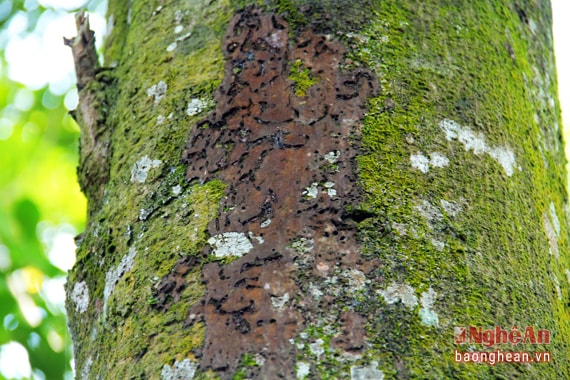 |
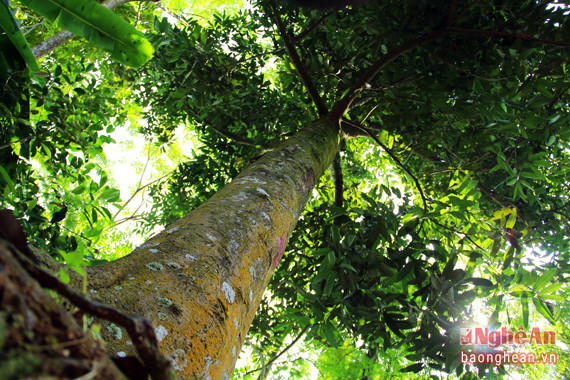
| The marks of time on the cinnamon tree trunk. |
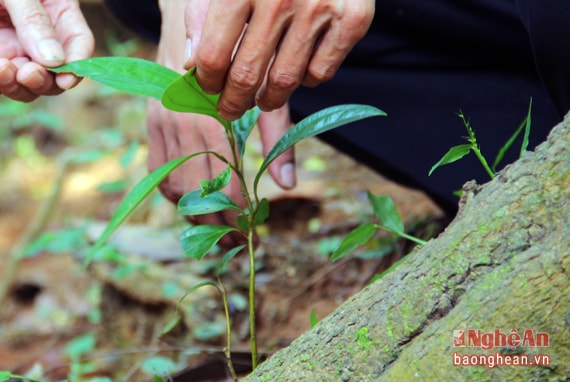 |
| Next to the remaining Quỳ cinnamon tree stump, saplings are growing, offering hope for the conservation of this endemic species. |
NPV

