

The secret to youthfulness of Japanese women.
Japanese women stay young for longer, but it's surprisingly simple: Japanese cuisine and lifestyle are the unique secrets that keep them beautiful, youthful, and slender.
Drink green tea
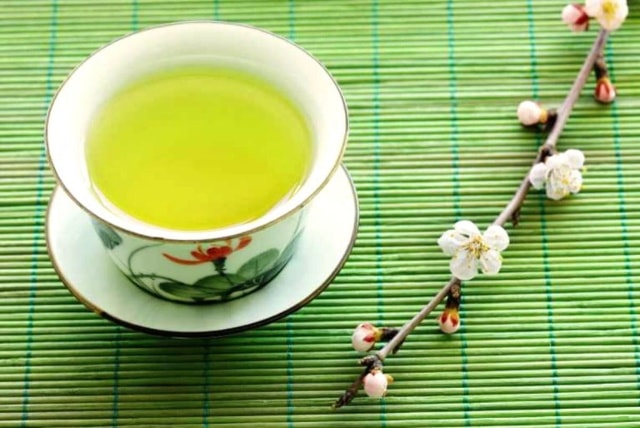
In the culinary culture of the land of cherry blossoms, green tea is an indispensable element.
Matcha powder is made from the finest, highest-quality tea leaves. The tea leaves are dried and then ground into a fine powder. The powder is then mixed with hot water. Matcha tea is used in the tea ceremony.
 |
Green tea not only offers a delicious flavor but is also good for your health. Its rich antioxidant content combats free radicals, slows down the aging process, and can even aid in weight loss.
In addition, consuming green tea may reduce the risk of cardiovascular disease and cancer.
According to a 2006 study, Japanese adults who regularly consumed green tea had a very low mortality rate from cardiovascular diseases. The same study also found that Japanese people who drank five cups of tea a day had a mortality rate of less than 26%.
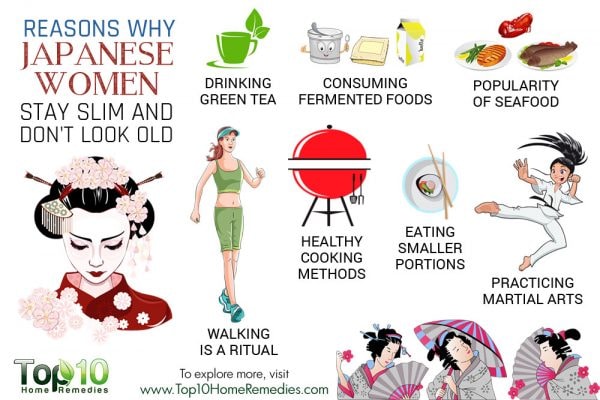 |
| The Japanese secret to staying slim and youthful: drinking green tea, eating fermented foods, eating seafood, walking, healthy cooking, eating small meals, and practicing martial arts. |
Use fermented foods.
Japanese people often eat fermented foods such as kefir, kombucha tea, pickled cabbage, sauerkraut, miso soup, kimchi, and tempeh (fermented soybean cake).
Fermented foods contain naturally occurring bacteria that, along with sugars and starches, form lactic acid. Fermentation helps preserve the natural nutrients in foods, beneficial enzymes, B vitamins, omega-3 fatty acids, and probiotics.
At the same time, the fermentation process also enhances beneficial gut bacteria and breaks down food into a more easily digestible form, thus promoting digestion and making weight loss easier. In addition, supplementing with fermented foods can also eliminate harmful toxins and heavy metals from tissues and cells.
The study also highlighted the importance of dairy-free fermented foods and herbs having a positive impact on beneficial gut bacteria.
Eating seafood
 |
Unlike Americans, Japanese people tend to eat more seafood than red meat – a food that contributes to health problems such as obesity, high cholesterol levels, and inflammation.
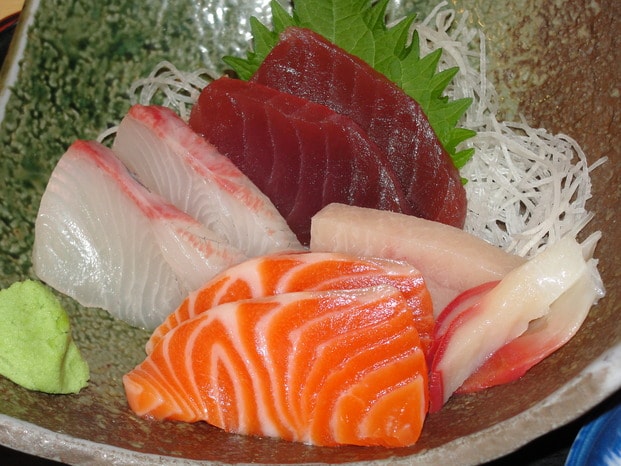
Generally, the main dishes in the Japanese diet include rice, noodles, and seafood, because the Land of the Rising Sun is surrounded by the sea. Therefore, Japan always has an abundant and diverse source of seafood, including many different types of fish such as tuna, salmon, mackerel, and shrimp.
Fish, in particular, has many benefits because it is high in protein, contains many essential nutrients, and omega-3 fatty acids that are good for brain health, cardiovascular health, and the muscles and organs of the human body.
Omega-3 fatty acids are particularly helpful in reducing excess body fat, especially abdominal fat. Furthermore, seafood also has anti-inflammatory properties and is good for the nervous system.
Omega-3s enhance skin smoothness and prevent skin disorders such as atopic dermatitis, psoriasis, acne vulgaris, and benign and malignant skin cancers.
The Japanese believe that the fresher the fish, the better it is for the human body. This is also why the Japanese have many dishes made from different types of fish, including raw fish, grilled fish, fried fish, and steamed fish.
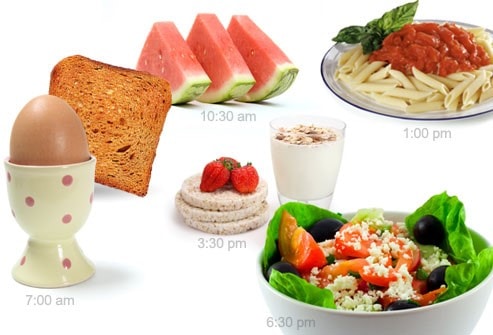
Eat several small meals throughout the day.
 |
This is also considered a unique characteristic of the culinary culture of the people in the land of cherry blossoms.
Dividing meals into several smaller portions can lead to consuming less food than usual, limiting calorie intake and thus benefiting weight loss.
For those looking to lose weight, eating several small meals throughout the day might be even more important than how you plan your meals.
Here are some characteristics of Japanese meals that we should know:
Don't fill a plate completely with food.
Regardless of the dish, do not portion it out into large servings.
Fresh, delicious food is always the top choice.
Arrange the dishes according to the menu, keeping each dish separate and not mixing them together, so that the beauty and function of each dish can be showcased naturally.
Walking is an essential part of the day:
 |
In Japan, both men and women regularly walk. Walking is a great form of exercise for maintaining a slim, toned, and healthy physique.
Walking not only makes weight loss easier but is also good for cardiovascular health, boosts energy and mood, and reduces stress.
Japan's population is densely concentrated in cities. Many people choose to travel by subway or train. This means that for getting to and from the station, they should walk or cycle.
Walking is not only good for the health of adults, but children should also walk to and from school instead of being driven there and back by their parents.
Besides walking, cycling is also very beneficial for improving health.
 |
| Cuisine and lifestyle are key factors in the secrets of how Japanese women always look beautiful, youthful, and slender. |
For the Japanese, mealtimes are sacred moments as they are when people replenish their energy, so there's no way they would eat lunch while walking.
That's why no one does anything else during meals, like watching TV. In addition, meals must ensure safe and nutritious food, along with an attractive and aesthetically pleasing table setting.
While eating, people usually eat slowly to allow their stomachs time to contract, process the food they have just consumed, and send signals to the brain to indicate that they have eaten enough food for the body.
Chewing slowly also means you're full compared to the fast, boisterous eating habits of Americans, so the signal from the stomach to the central nervous system that the stomach has received enough food is transmitted more slowly, leading to overeating.
According to Health & Life