

Makeup removal methods suitable for different skin types.
For dry skin, wash your face with fragrance-free cosmetics. If using dermatological soap, choose one with a pH level balanced with the skin's pH (between 4.5 and 6.5).
"Father Nguyen Dinh Thuc incites parishioners."
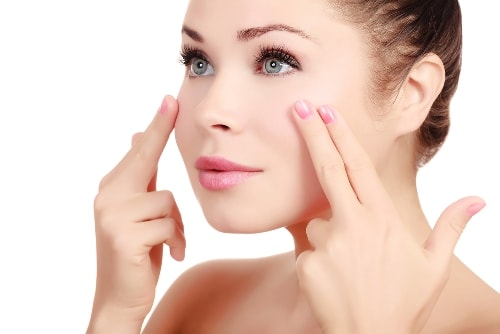 |
Photo: News. |
Dr. Le Thai Van Thanh, a dermatologist at the Dermatology Clinic, University Medical Center of Ho Chi Minh City, advises women to choose...Choose a makeup remover that suits your skin type. For example:
Dry skin
You have dry skin if, when you look in the mirror, you don't see any shiny areas on your face, your skin feels tight and may flake, and when you blot with a soft tissue, no residue is left on the tissue.
People with dry skin should use cream, liquid, or moisturizing tinted makeup. These are foundations formulated with oil (water-in-oil emulsion) or water (oil-in-water emulsion). Caring for dry skin requires following three basic steps:
- Wash your face with cleansers or gels that are low in detergents, fragrance-free, and contain few preservatives. If using dermatological soap, choose one with a pH balanced with the skin's pH (from 4.5 to 6.5). You can add olive oil or almond oil.
- Firm the skin with rose water, especially around the eyes and lips. Regularly moisturize with rose water after each cleansing. Don't forget to apply a thin layer of Vaseline to your lips.
Oily skin
Here's how to identify oily skin: When you look in the mirror, your entire face will appear shiny. If you blot with a soft tissue, you'll see oil stains on the tissue.
People with oily skin should use powder, liquid, or pressed powder foundation. These are oil-free or water-based foundations with oil-control ingredients. Choose a facial cleanser containing sulfur or a dermatological soap. Apply toner after each wash to remove excess oil and tighten pores. Frequent moisturizing is not necessary unless your face feels tight after cleansing. Prioritize oil-free moisturizers.
When removing makeup, use warm water to wash your face to help remove oil and cosmetics more easily without drying out your skin. Take a sufficient amount of cleansing product into your palm and warm it before applying it to your face. This causes the pores to contract, thereby reducing the risk of bacterial contamination from any remaining product.
For oily skin with many comedones, you can use a cleansing product with exfoliating beads to loosen comedones and remove dead skin cells. Using the pad of your index finger, gently dab the product onto your forehead, nose, cheeks, upper lip, chin, and jawline. Massage in a spiral motion on both cheeks, around the eyes and mouth, and upwards on the forehead, jawline, and neck. Wipe away impurities, gently wash your face with warm water, then pat dry with a cotton pad instead of rubbing. Apply toner evenly to your skin, avoiding dry areas. Finally, wipe your entire face clean with a cotton pad dampened with warm water.
Acne-prone skin
Acne-prone skin is often oily and has comedones, especially in the T-zone of the face. When removing makeup, choose an oil-free cleanser with fewer than 10 active ingredients. Prioritize products that are colorless, fragrance-free, and free of preservatives that can cause allergies. You can use dermatological soaps containing oil-removing agents like sulfur or zinc, along with keratolytic agents like salicylic acid and antibacterial agents.
After cleansing, use a toner, acne treatment cream or comedone remover, and a gel-based moisturizer. This can be replaced with a non-comedogenic solution that doesn't clog pores, doesn't cause comedones, and doesn't interact with acne medications.
Note: During skincare routines, avoid excessive or forceful massage as this can rupture pimples. Do not attempt to squeeze or cut open pimples yourself.
Watch the makeup removal tutorial video.
According to VNE
| RELATED NEWS |
|---|