

Mother's Day is celebrated all over the world.
(Baonghean.vn) - "Mother's Day" is celebrated on the second Sunday of May. "Mother's Day" has now spread to over 65 countries worldwide, providing an opportunity for children to express their love and appreciation for their beloved mothers who gave birth to them and raised them.
The history of Mother's Day!
In 1870, Julia Ward Howe's Mother's Day Proclamation, one of the first calls to honor mothers in America, strongly influenced Ann Maria Reeves Jarvis, a woman from West Virginia. Ann Maria Reeves Jarvis founded a group called "Mother's Day" with the sole purpose of reuniting families that had been torn apart by the Civil War.
 |
After her group was formed, she wanted to organize an annual commemoration to remember mothers, but unfortunately, she passed away before she could realize this wish. Her daughter, Anna Jarvis, continued her mother's idea.
Finally, after much effort, Anna Jarvis organized the first Mother's Day celebration at Andrews Methodist Church in 1908 when she brought 500 carnations to give to each mother attending Mass at St. Andrew's Church, where her own mother had taught.
Along with Anna Jarvis's personal celebration, families gathered at various event locations in Jarvis's hometown of Grafton, West Virginia, and other cities.
On May 8, 1914, U.S. President Woodrow Wilson signed a resolution designating the second Sunday of May as "Mother's Day," officially recognizing it as one of the important national holidays. Today, Mother's Day has spread to countries all over the world.
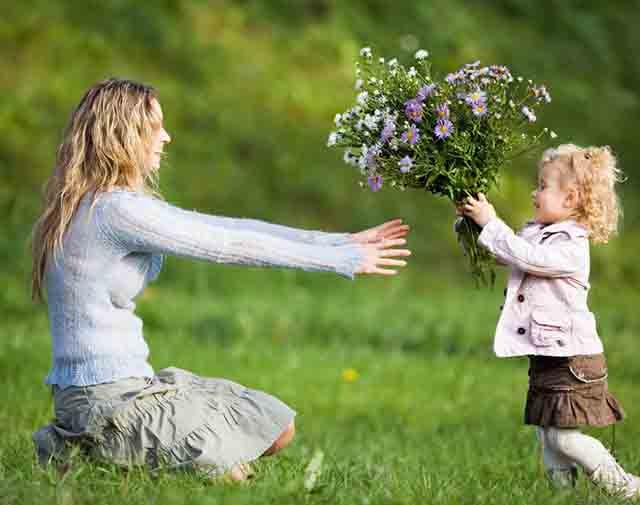 |
| In the United States, this special holiday is celebrated nationwide on the second Sunday of May each year. |
In the US:On this day, according to business estimates, spending is second only to Christmas. According to the American Retail Federation, the average child spends approximately $139 on gifts for their mother on this day. Common gifts Americans give their mothers include flowers, chocolates, sweets, clothing, expensive jewelry, or trips, spa treatments, and wellness services.
In England:Mother's Day originated in England in the 17th century, known as Mothering Sunday. It was celebrated on the Sunday 40 days before Easter. Because Mother's Day in England fell on a Sunday, people typically attended church services before returning home.
Even those living far away will try to gather at their parents' home. They usually organize a party with greeting cards, cake, fruit, wine, and gifts for the mothers. Unlike in the US, where things are more extravagant, in England, children, no matter where they live, will return home to visit their families on this day.
In France:It wasn't until the 19th century that this country learned about "Mother's Day." In 1806, Emperor Napoleon proposed establishing an official holiday in the spring, but it wasn't as standardized as it had been in the United States previously.
 |
| The first Mother's Day celebration was held in Isère, France. |
In 1906, the first "Mother's Day" was celebrated in Isère. On June 16, 1918, Colonel Croix Laval initiated the first "Mother's Day" in Lyon, but after many ups and downs, French mothers finally had a day dedicated to them.
In Argentina:"Mother's Day" falls on the third Sunday of October. Because the country usually has many long-lasting festivals, the only difference on Mother's Day is that mothers receive flowers, take time off work, and can enjoy themselves with their families.
Spain:Mother's Day falls on the first Sunday of May. On this day, mothers get a complete day off. The whole family goes out to eat, and mothers receive flowers.
In Denmark:Mother's Day is celebrated on the second Sunday of May. Mothers receive chocolate as gifts. Interestingly, in Denmark, the provinces celebrate this day more elaborately than the major cities.
 |
| Mother's Day in Germany began in 1922 and is also celebrated on the second Sunday of May. |
In Germany:Mother's Day originated in 1922 under the Weimar Republic and was celebrated on the second Sunday of May. On that day, mothers took a complete rest, with their children handling household chores. The whole family would then go out together, return home, and prepare a delicious meal. At the end of the day, the children would give gifts to their mothers.
In India:Just like in the West, India considers "Mother's Day" an occasion to reflect on the importance of mothers in their lives. Indians call Mother's Day Durga Puja, where "Durga" is the name of a goddess who protects the Indian people from all dangers in life.
They celebrate "Mother's Day" as a major festival in October, lasting for 10 days. At the same time, for real mothers who have carried their children for nine months and ten days, their children will showcase their cooking skills and give them gifts.
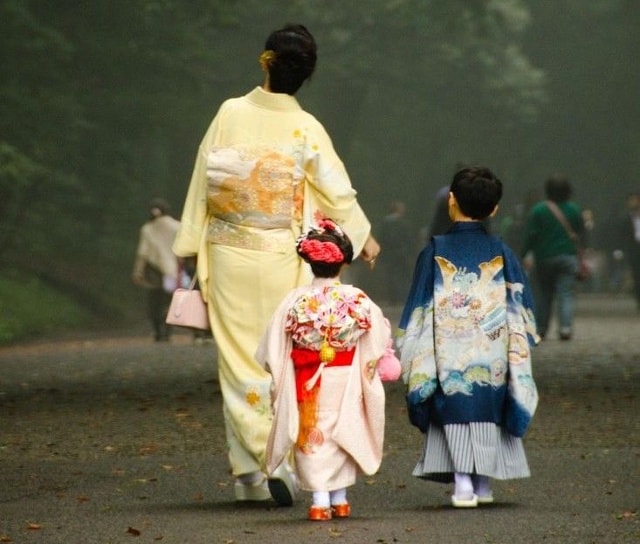 |
| On Mother's Day, Japanese people often choose gifts such as flowers, handmade cards, and traditional cakes, along with meaningful wishes for their mothers. |
In Japan:On Mother's Day, Japanese people often choose gifts such as flowers, handmade cards, and traditional cakes, along with meaningful wishes for their mothers. Even more touching, in Japan, children gather with their mothers, drink tea, and reminisce about family memories.
Children in this country will draw pictures as gifts for their mothers and gather those pictures into a small exhibition about the mother-child bond and the silent sacrifices of Japanese mothers.
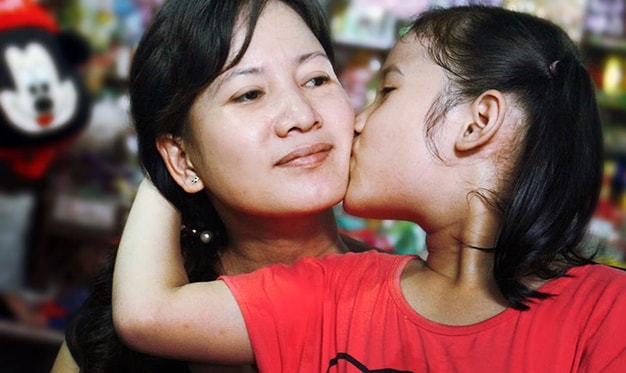 |
In VietnamThe influx of Western culture has also brought "Mother's Day" into the country. Alongside March 8th, October 20th, and the Vu Lan Festival (a festival honoring parents), "Mother's Day" is also widely celebrated. On this day, children, remembering their mothers, will give them meaningful gifts, both material and spiritual.
Although Mother's Day in Vietnam doesn't have as long a history as in the US or UK, many people still send meaningful gifts to their mothers. Young people are also eagerly preparing handmade flower arrangements and greeting cards to celebrate this special day dedicated to their mothers.
Kim Ngoc
(Synthetic)
| RELATED NEWS |
|---|