

7 things to remember about the diet for people with kidney stones.
The formation of kidney stones is a complex process, caused by many factors, not just excess calcium. Many people who follow a restrictive diet and avoid calcium still develop kidney stones, while many others who drink plenty of milk and eat a lot of seafood don't.
The formation of kidney stones is a complex process caused by many factors, not just excess calcium. Many people who follow a restrictive diet and avoid calcium still develop kidney stones, while others who drink plenty of milk and eat lots of seafood don't. So, what kind of diet should someone who has had kidney stones follow to prevent recurrence? Below are 7 things kidney stone patients should remember.
Drink plenty of water:This is the most important of the seven points. Drink about 2.5-3 liters of filtered water per day (divided into several small portions throughout the day) or eat in a way that results in a urine output of over 2.5 liters per day. Clear, colorless urine indicates sufficient water intake. Drinking plenty of water helps prevent kidney stones and helps flush out small stones if present.
Eat less animal meat:Eat foods low in salt and reduce your meat intake. You can eat fish instead of meat. Shrimp and crab can be consumed in moderation.
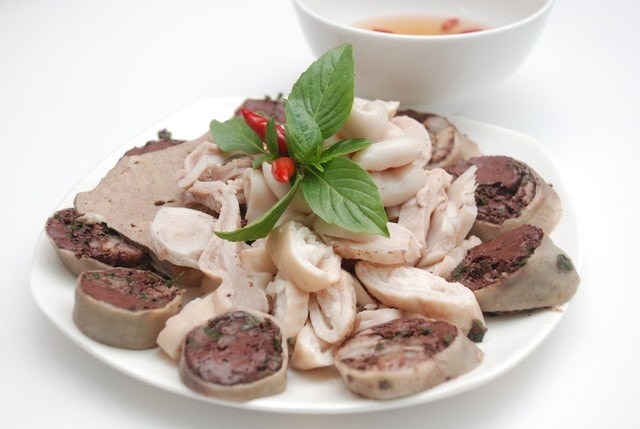 |
| People with kidney stones should avoid foods containing purines such as pork offal and sausages. |
Eat a balanced diet of calcium-rich foods (milk, cheese):You can consume about 3 glasses of fresh milk or an equivalent amount of other dairy products such as butter and cheese (approximately 800-1300mg of calcium) daily. Avoid excessively restricting calcium-rich foods, as this can disrupt calcium absorption, leading to increased oxalate absorption from the intestines and the formation of kidney stones. Furthermore, restricting calcium-rich foods can contribute to osteoporosis.
In cases of recurrent kidney stones, if laboratory tests reveal evidence of hypercalciuria due to increased calcium absorption from the intestines, calcium intake should be restricted, but not completely eliminated. A daily intake of approximately 400mg, equivalent to 1.5 glasses of fresh milk, is recommended.
Reduce your intake of foods high in oxalates:Strong tea, coffee, chocolate, bran powder, cereals, water spinach.
You should drink plenty of fresh orange, lemon, and grapefruit juice.These drinks contain a lot of citrate, which helps prevent stone formation.
You should eat plenty of fresh vegetables:It helps speed up digestion and reduces the absorption of substances that cause kidney stones.
Avoid eating too much food that contains purines.Foods that can cause kidney stones include: dried fish, dried meat, dried shrimp, sausages, various types of fermented fish paste, pig intestines, and beef intestines.
It is important to note that individuals with recurrent kidney stones should undergo medical examinations to identify the underlying causes and receive appropriate treatment and dietary recommendations tailored to each cause.
There are many different groups of causes for recurrent kidney stones, such as malformations, narrowing of the urinary tract, urinary tract infections, renal tubular acidosis, hypercalciuria due to increased calcium excretion from bone, increased calcium absorption from the intestine and kidneys, primary or dietary hyperoxaluria, and hyperuricemia.
According to Health & Life
| RELATED NEWS |
|---|