Japan has developed and maintained a joint base in Djibouti since 2011 to support its anti-piracy operations in Africa.
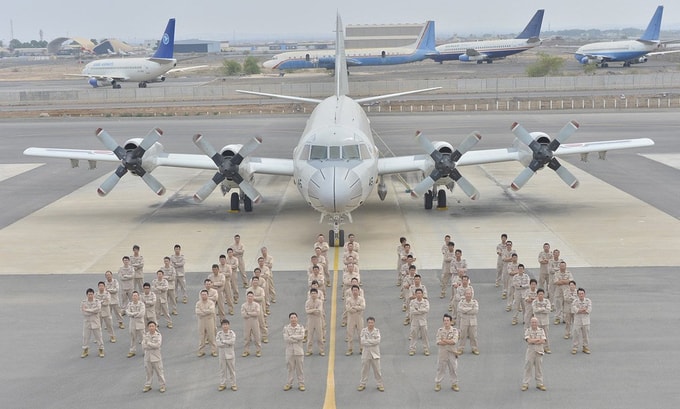 |
| The Japan Self-Defense Forces (JSDF) base in Djibouti was established in 2011 to support anti-piracy patrols in the Gulf of Aden and the Red Sea. It is Japan's only overseas military base, according to Livejournal. |
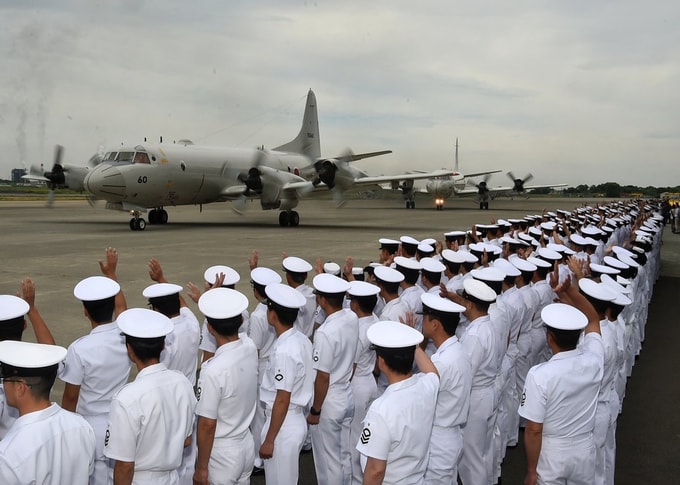 |
| The JSDF began participating in counter-terrorism operations on March 30, 2009, with the landing of two P-3C Orion anti-submarine and maritime patrol aircraft at Djibouti-Ambouli International Airport. The initial force consisted of only 100 people, including the crews of the two P-3Cs. |
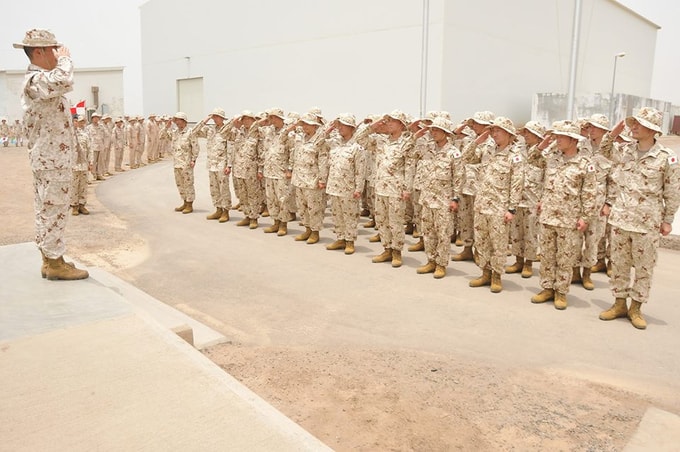 |
| Initially, the JSDF deployed 50 infantrymen to protect equipment and bases in Djibouti. The number gradually increased with reinforcements from the air force and navy, and now stands at 600. |
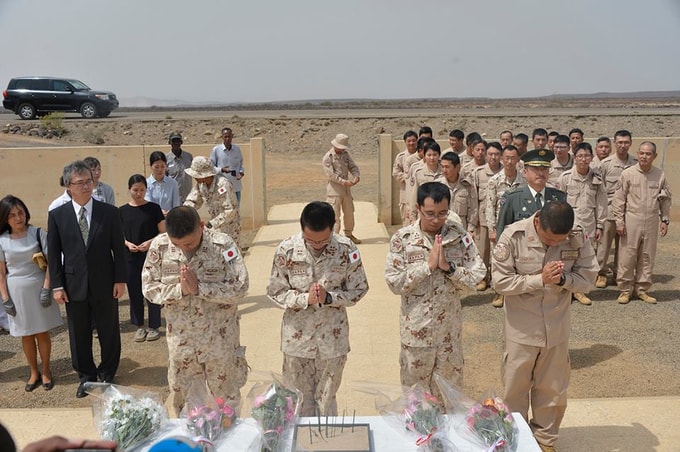 |
| Japanese soldiers in Djibouti are rotated continuously to ensure their morale and physical fitness. Tokyo invests approximately $30 million per year to maintain this base. |
 |
| Infantry soldiers continuously participate in training to maintain combat readiness and protect the base from external threats. |
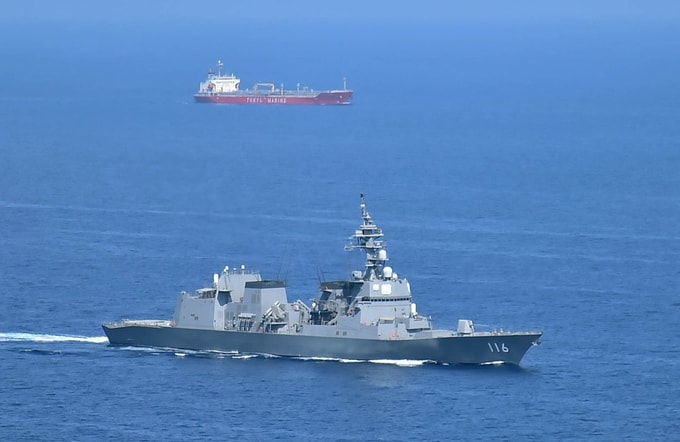 |
| The JSDF is expanding its operations, adding more warships to extend patrol times and ensure its ability to escort international cargo ships transiting the Gulf of Aden. |
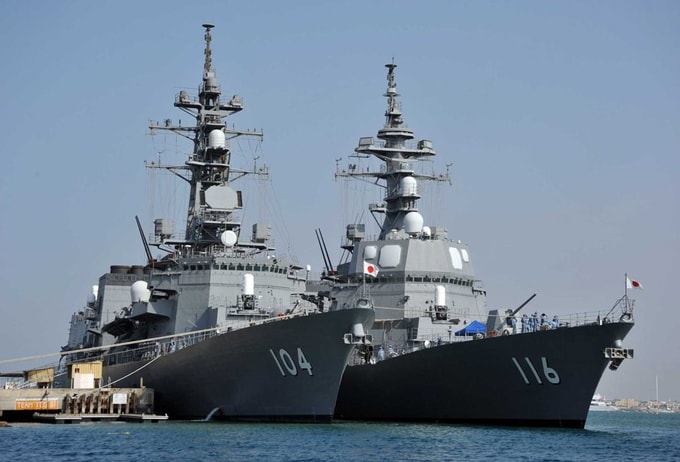 |
| Japanese warships are anchored at the port of Djibouti, approximately 11 km by road from Djibouti-Ambouli International Airport. |
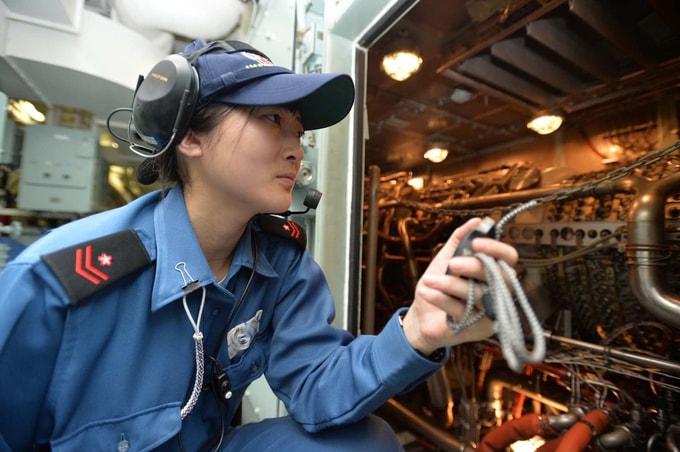 |
| Female soldiers often perform duties in logistics, medicine, and equipment maintenance. |
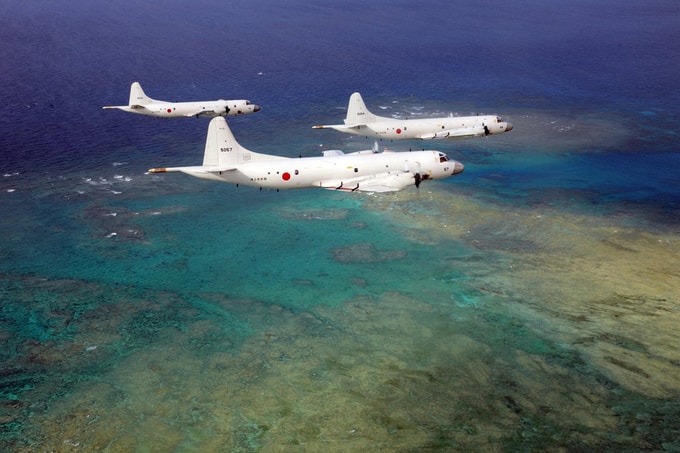 |
| A squadron of P-3C maritime patrol aircraft operates over the Gulf of Aden. |
 |
| Life at the Japanese base in Djibouti is considered very comfortable, with complete infrastructure to serve the soldiers. |
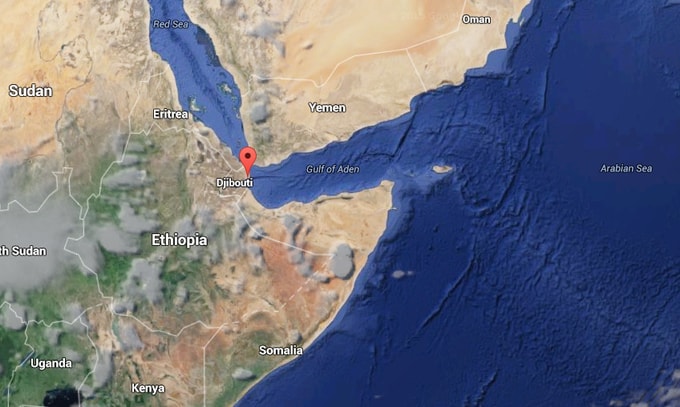 |
| This base allows the JSDF to rapidly deploy forces to the Gulf of Aden, a frequent operating area for Somali pirates. |
According to VNE

