

10 unforgettable dishes from the subsidy era.
(Baonghean.vn) - The subsidy period was a difficult time, but it also left many lasting impressions on those who lived through it. The subsidy era, with its instant noodles, subsidized rice, braised eel with rice husks, and ration coupons, will be a nostalgic memory of a not-so-distant past.
1. Whole grain noodles (noodles) can be cooked as a substitute for rice.
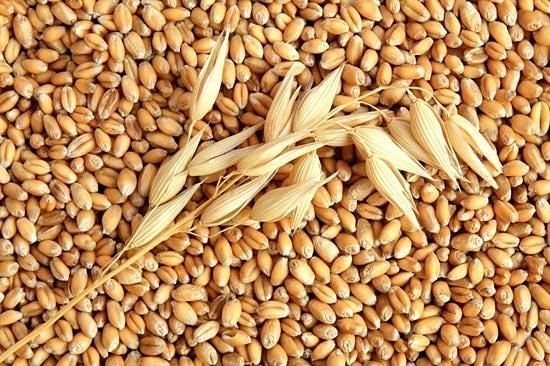 |
| Wheat flour is a type of grain that the Soviet Union and several other countries provided to Vietnam during a period of food shortage. There are two types of wheat flour: one with the hulls intact, and the other with the hulls removed. During the subsidy period, rice was scarce, so wheat flour was soaked and cooked as a substitute for rice; in more affluent cases, it was cooked with black beans. Additionally, people ground wheat flour into a paste to make cakes. (Image: Internet) |
2. Rice mixed with potatoes and cassava
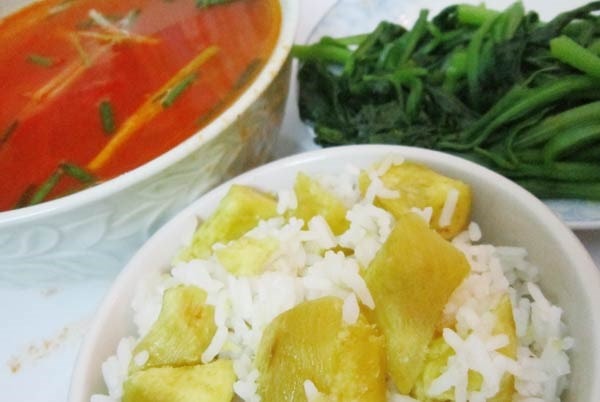 |
| Due to severe rice shortages, rice mixed with potatoes, noodles, cassava, etc., became the "companions" of most families in Vietnam during the subsidy period. At mealtimes, only the elderly and young children were given white rice. Some families mixed it all together, but each person only got one or two small bowls, not much. (Image: Internet) |
3. Crispy rice with braised shrimp dip
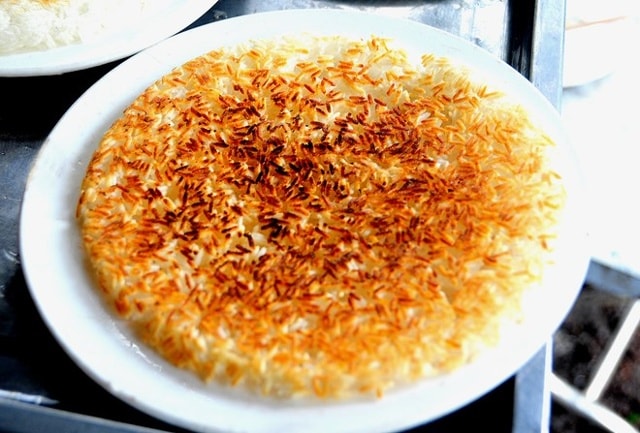 |
| The burnt rice crust is often discarded after family meals these days, but during the subsidy period, it was a delicious dish when eaten with fish sauce. Burnt rice with small shrimp or dried braised fish was also a tasty meal back then. (Image: Internet) |
4. Mixed greens cooked with freshwater crab.
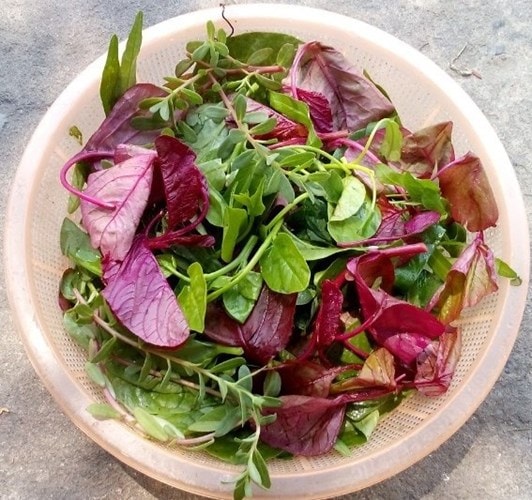 |
| Mixed wild greens, also known as "rau láo nháo," are a hodgepodge of various wild vegetables such as amaranth, purslane, jute, etc., found in home gardens or any bushes. In the past, vegetables were scarce, and gardens grew all sorts of things. So, after working in the fields, people would quickly pick a handful of these mixed wild greens to cook in a soup with freshwater crabs, which was delicious with rice. (Image: Internet) |
5. River shrimp stewed with starfruit
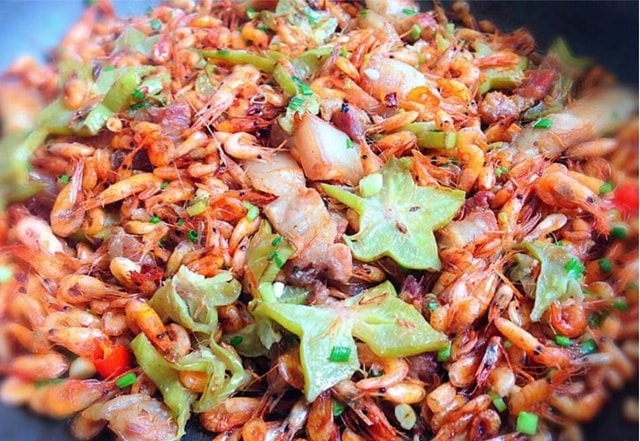 |
| During the subsidy period, meat and fish were scarce and expensive, while river shrimp were cheaper, easier to find, and a very important source of protein in meals. Therefore, whenever someone managed to catch a bunch of river shrimp, it was considered a decent meal. The most common way to prepare shrimp was to stir-fry them with starfruit and eat them with hot rice. (Image: Internet) |
6. Boiled jackfruit seeds
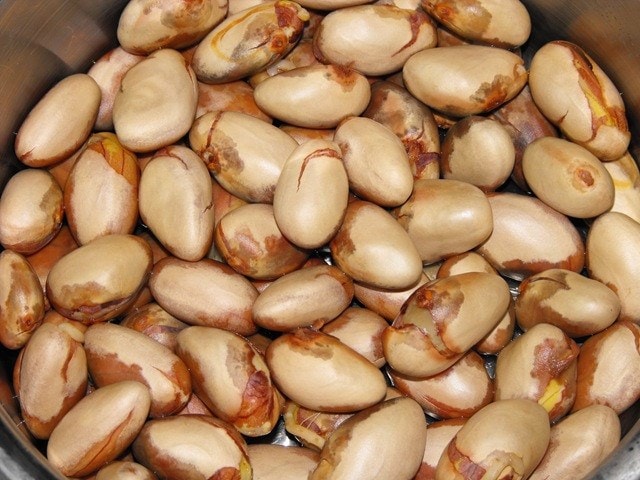 |
| Nowadays, jackfruit seeds are rarely eaten; they're usually given to livestock or... thrown in the trash. But during the subsidy period, they were a familiar food. Whenever people harvested jackfruit, after eating the fruit, they'd save the seeds, wash them, boil them, and eat them separately or mix them into rice for a rich and fragrant flavor. Sometimes, when there were too many, they'd dry them and store them for later use. (Image: Internet) |
7. Pickled eggplant with soy sauce
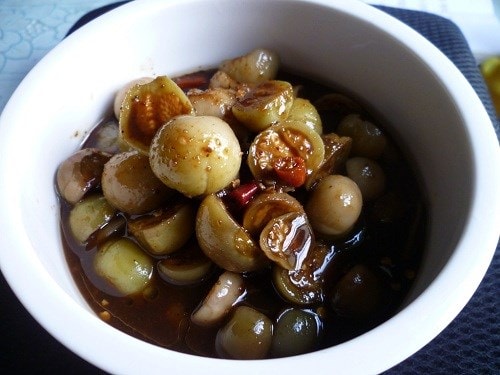 |
| In the subsidy era, a plate of pickled eggplant with soy sauce was an indispensable part of meals. While pickled eggplant is now a side dish, it was once a staple that helped to make rice more palatable for many rural Vietnamese families. (Image: Internet) |
8. Cucumber soup with peanuts
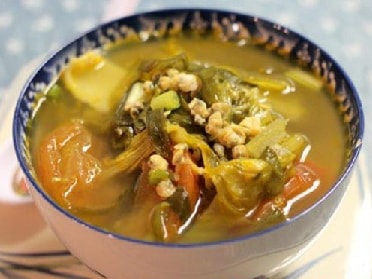 |
| During the subsidy period, in the countryside, every household had jars of pickled vegetables in the corner of the kitchen. When the pickles were almost gone, they would be taken out and cooked with crushed raw peanuts to make a soup that was both sour and sweet, with an unforgettable nutty and rich flavor. Back then, they only used peanuts freshly grated from the fields to make a delicious and sweet soup that improved the meager meals for the whole family. |
9. Pickled cassava shoots
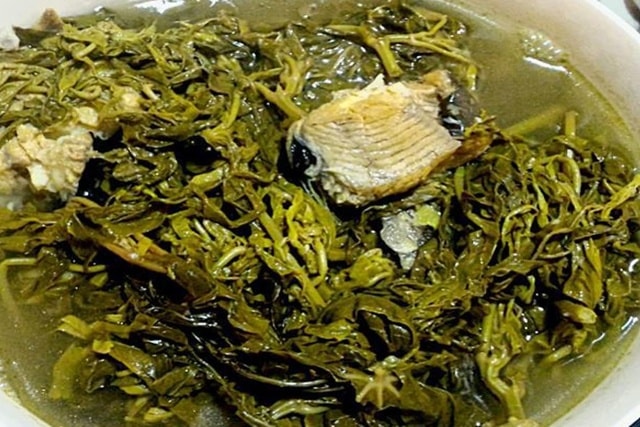 |
| During the subsidy period, cassava was grown in abundance, not only in mountainous areas but also in the plains. It was planted in fields, gardens, and along pond banks. During those difficult times, rice was scarce and vegetables were also limited. Rice was mixed with corn and cassava more often than rice, and vegetables and pickles were grown in home gardens. Young cassava shoots were also used to make pickled vegetables, similar to pickled cucumbers, but with the added nutty, sweet flavor of pickled cassava leaves. |
10.Water spinach from the pond, dipped in soy sauce.
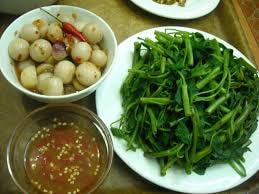 |
| During the subsidy period, pond water spinach was either grown on rafts or in ditches full of water without any irrigation. The shoots were large, tender, and succulent, and when boiled and dipped in homemade soy sauce, they were both crispy and sweet. Just opening the jar of fragrant soy sauce in the corner of the house's porch would make you want to rush to the pond to pick a bunch of water spinach for a simple yet refined meal. |
These dishes, from a time of poverty and scarcity in the countryside, nourished an entire generation, helping them grow and mature through life's many challenges, learn to appreciate themselves, value life's preciousness, and cherish and preserve it... For those born after 1986, it's difficult to imagine the subsidy period that their fathers and grandfathers experienced. The impressions of life back then make many still wish they could turn back time to witness a story that only existed in a bygone era… |
Peace
| RELATED NEWS |
|---|