(Baonghean.vn) - At this time in Con Cuong (Nghe An), palm trees are providing the local people with a significant income. All parts of the palm tree can be utilized. Palm leaves are used for roofing, leaf stalks are used to split into strips for weaving mats, and the trunk of old palm trees can be used to make handicrafts. In particular, the palm fruit has a rich, nutty flavor.can be processed in many waysThe dish is delicious.
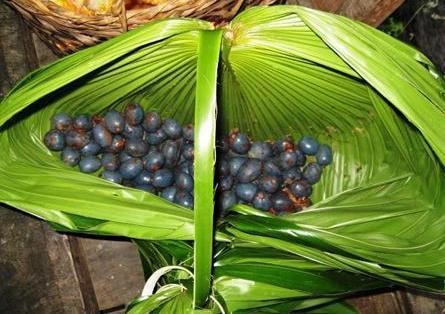 |
| A connoisseur of palm fruit knows how to choose round, thick-fleshed palms with a honey-yellow color, and a chewy, sticky texture that clings to the teeth when chewed – these are the prized glutinous palm fruits. (Image: Internet) |
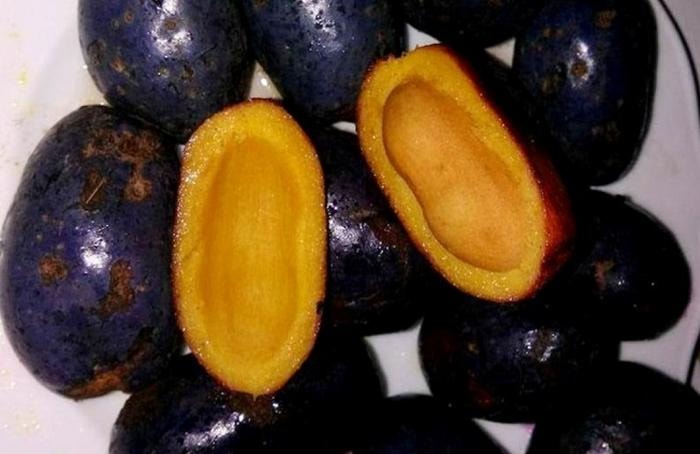 |
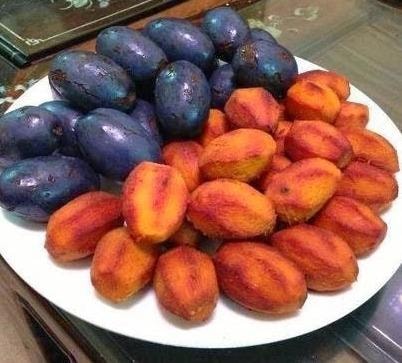
| Om palm (om palm):This is a unique Vietnamese delicacy. The palm fruit used for stewing must be mature to be delicious. The older the palm, the richer, creamier, and more flavorful it is. The palm fruit is brought home and scraped with sharp objects to remove the outer skin. Then, it's placed in a pot of simmering water and left for a while until tender. Stewing palm fruit is also an art. It's not stewed when the water is boiling vigorously, as the high temperature will cause the fruit to shrink, become hard, and bitter. Palm fruit also shouldn't be stewed for too long; it's done when yellow scum appears on the surface of the water and the palm fruit changes from dark green to yellow. (Image: Internet) |
 |
| Sticky rice with palm fruit:Sticky rice with palm fruit is also made from boiled palm fruit, but after the palm fruit is boiled until cooked, the golden-yellow flesh is gently separated by fingers. This palm fruit flesh is mixed thoroughly with fragrant glutinous rice, seasoned with a little salt, then placed in a steamer and cooked over low heat until done. When the sticky rice is cooked, fragrant fried shallots and lard are added, making the dish even more appealing. Dipping the sticky rice in sesame salt and gently tasting it is enough to make you feel delighted. (Image: Internet) |
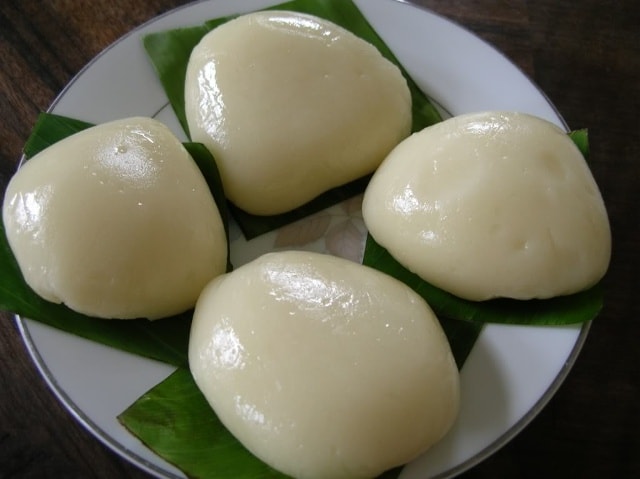 |
| Sticky rice cakes from the "land of palm trees":After being simmered, the glutinous rice palm turns a beautiful golden color and has a soft, chewy texture. In many regions, this type of glutinous rice palm can be used to make sticky rice cakes. The golden-brown, simmered glutinous rice palm is peeled, pounded, and becomes a unique ingredient for the sticky rice cakes of the "land of palm trees." (Image: Internet) |
 |
| Palm melon:Besides being used in stews, palm fruit can also be pickled. During palm fruit season, women select fruits with thick, fleshy pulp, scrape off the skin, and pickle them. Pickled palm fruit has a salty taste from the salt, a rich, creamy, and nutty flavor from the palm fruit, and can be eaten with rice or as a snack – both are delicious. (Image: Internet) |
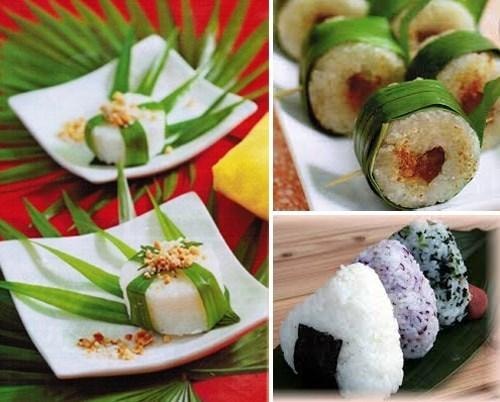 |
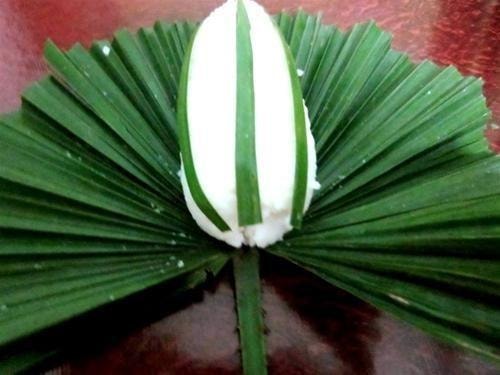
| Rice wrapped in palm leaves:This is a familiar dish of the people in the Northwest region every palm season. Palm leaves are brought home, softened over a fire, wiped clean, and then used to wrap rice cooked with freshly harvested rice, which is both fragrant and sticky. Each rice ball, with its striped edges formed by the palm leaves, is infused with the aroma of local rice mixed with the scent of the palm leaves. Dipped in sesame and peanut salt or roasted pork ribs with salt, you can fully appreciate the delicious, slightly earthy taste of the palm leaves that cannot be found anywhere else in this rustic dish. Photo: Internet |
Hoa Le
(Synthetic)

