

What did world leaders say about the new year 2018?
(Baonghean.vn) - What do world leaders hope for in 2018? Let's explore the statements of 10 leaders below as they wished the people of their respective countries a Happy New Year 2018.
1. US President Donald Trump
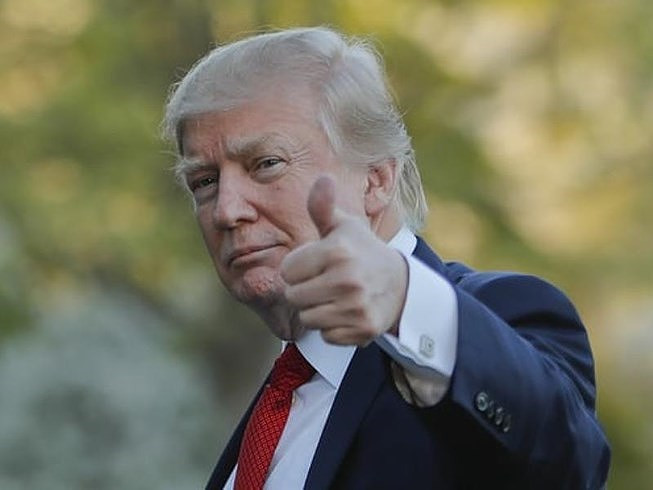 |
Celebrating the New Year with his family at his Mar-a-Lago resort in Florida, President Donald Trump tweeted his New Year's greetings to the American people. "Happy New Year! We will make America great again, and faster than anyone can imagine!" - President Trump wrote on Twitter. |
2. Russian President Vladimir Putin
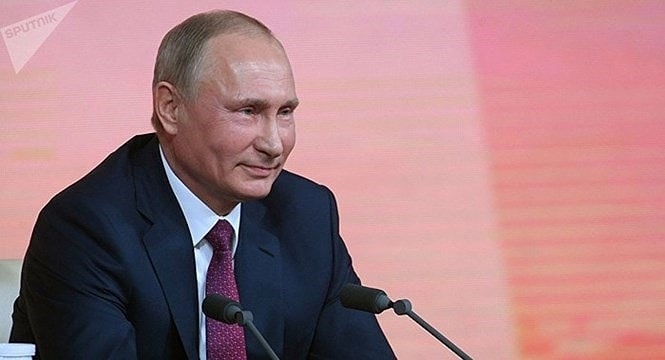 |
| In his New Year's address, Russian President Vladimir Putin spoke about the love of family and the importance of personal development. In 2018, Putin will run for a fourth term, and Russia will host the World Cup. |
3. Chinese President Xi Jinping
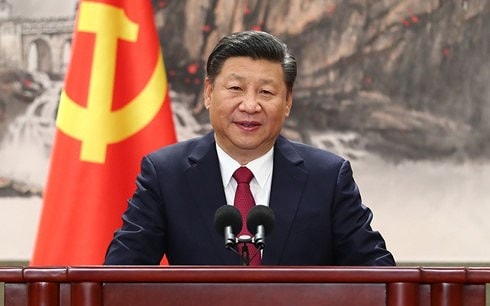 |
| Wishing a Happy New Year 2018, Chinese President Xi Jinping delivered a hopeful speech, focusing on the country's goal of eradicating poverty by 2020. He shared the overall economic growth rate with the entire population, especially those living in impoverished rural areas. |
4. Japanese Prime Minister Shinzo Abe
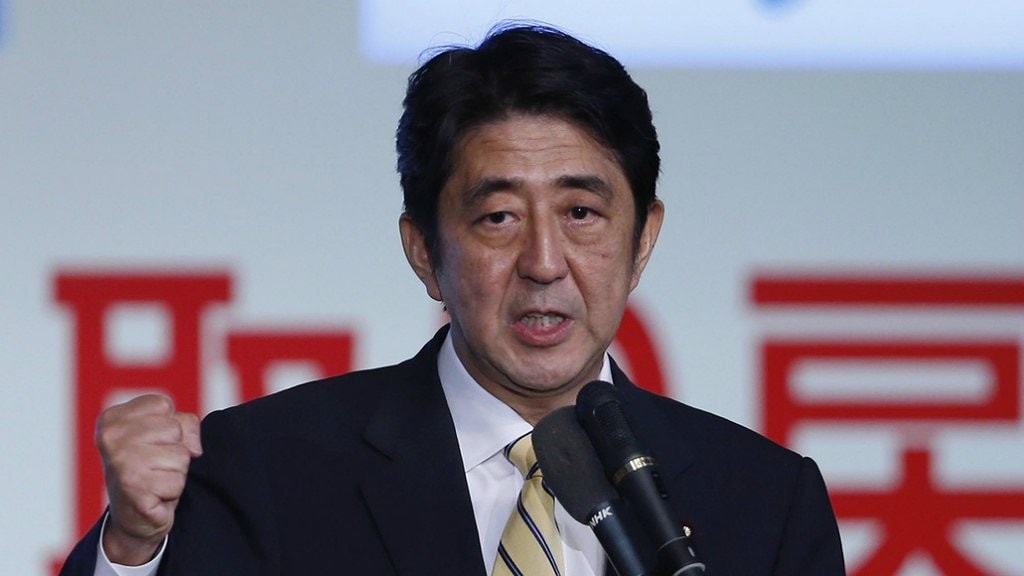 |
| Prime Minister Shinzo Abe delivered a New Year's address to what he called a national crisis: declining birth rates and a rapidly aging population. He pledged that in the coming years, he and lawmakers would use healthy economic growth to provide more resources for families wishing to have children. |
5. British Prime Minister Theresa May
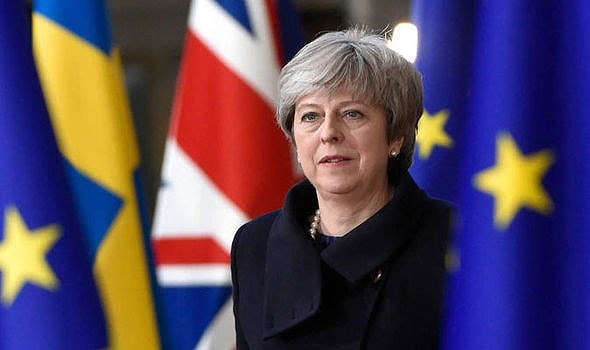 |
| At the start of 2018, British Prime Minister Theresa May emphasized the importance of a successful Brexit (Britain's departure from the EU) security and trade negotiations. However, she also pointed out key domestic issues. Among them were her promise to continue investing in the national healthcare system and her commitment to addressing workplace harassment. |
6. President Emmanuel Macron
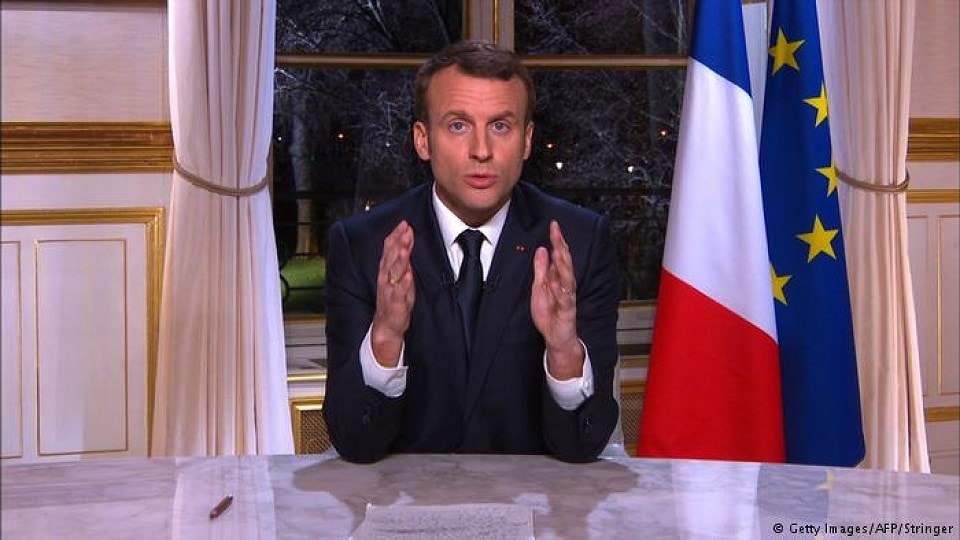 |
| In his New Year's address for 2018, President Emmanuel Macron called for a revival of solidarity and warned against nationalism. He also declared that France would continue to "act decisively" in the fight against terrorism and would "welcome men and women fleeing countries where they are threatened because of their origins, religion, and political views." |
7. Chancellor Angela Merkel
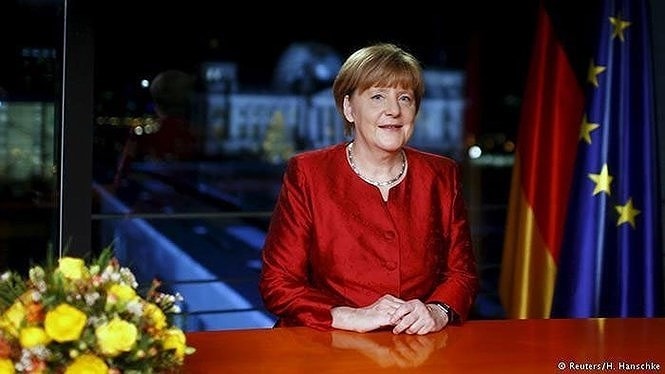 |
| In her key farewell address to 2017 and welcoming address to 2018, Chancellor Angela Merkel acknowledged that Germany was facing political divisions. This was the first year that a party more conservative than her own – Alternative for Germany – won 12.6% of the vote in the parliamentary elections, thus neutralizing the Chancellor's efforts to form a government based on the interests of all parties. |
8. Indian Prime Minister Narendra Modi
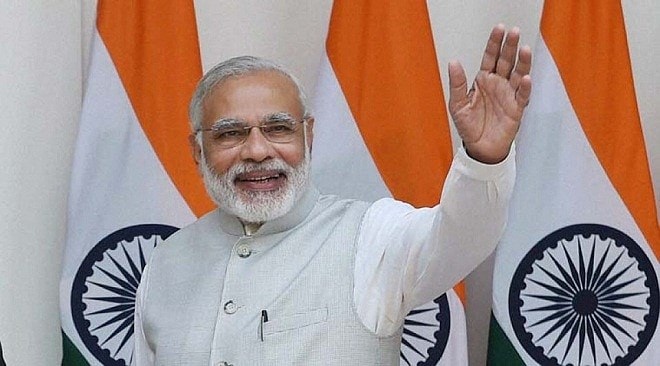 |
| In his New Year's address, Prime Minister Narendra Modi called for greater progress for the country. He emphasized that 2018 would be the first year that those born in the 21st century would have the right to vote, and proposed creating at least one seat for those aged 18-25 from each district in parliament in August 2018. |
9. South Korean President Moon Jae In
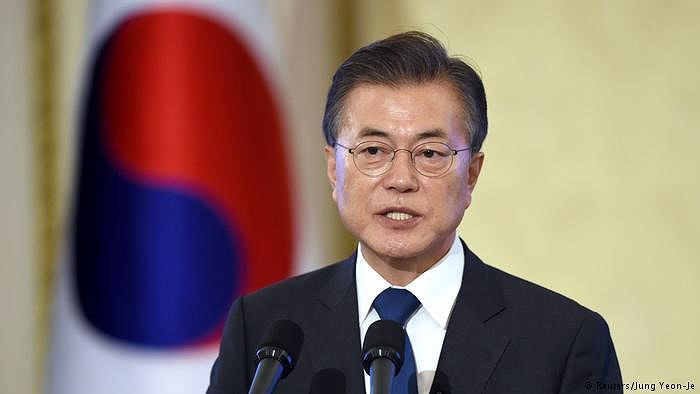 |
| In the new year of 2018, President Moon Jae-in pledged to focus on improving working conditions for laborers. He is currently under pressure from labor unions to fulfill his campaign promise of "reducing working hours, raising the minimum wage," and bringing more temporary workers into full-time employment. |
North Korean leader Kim Jong-un
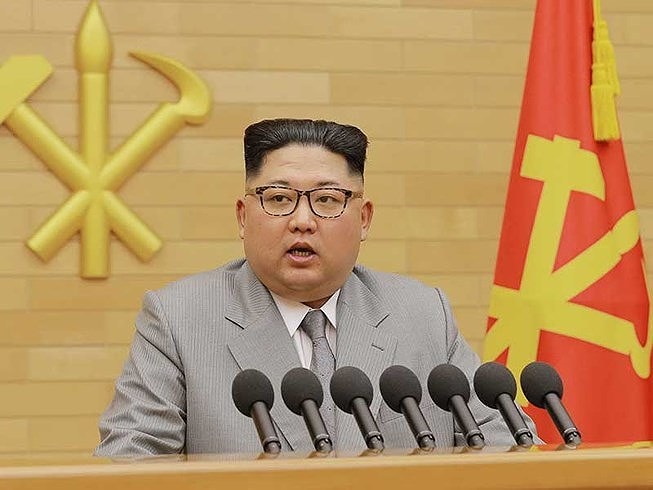 |
| In his New Year's address to the nation, North Korean leader Kim Jong-un threatened a nuclear attack on the United States and offered cooperation and dialogue with South Korea to maintain peace on the peninsula. He even ordered his subordinates to negotiate with Seoul about sending a delegation to the Winter Olympics in Pyeongchang in February. |