

Farmers in Nghe An use herbal remedies to prevent diseases in shrimp.
(Baonghean) - To proactively prevent shrimp diseases during periods of erratic rain and sunshine, farmers in Quynh Luu and Hoang Mai town (Nghe An province) are actively inspecting ponds, treating the environment, and especially preventing shrimp diseases using herbal remedies.
Rain from the remnants of Typhoon No. 3 in Nghe An has helped many localities alleviate the drought that has lasted for a long time. However, shrimp farmers are extremely worried because the temperature, salinity, and dissolved oxygen in the ponds have suddenly decreased, potentially causing disease in the shrimp.
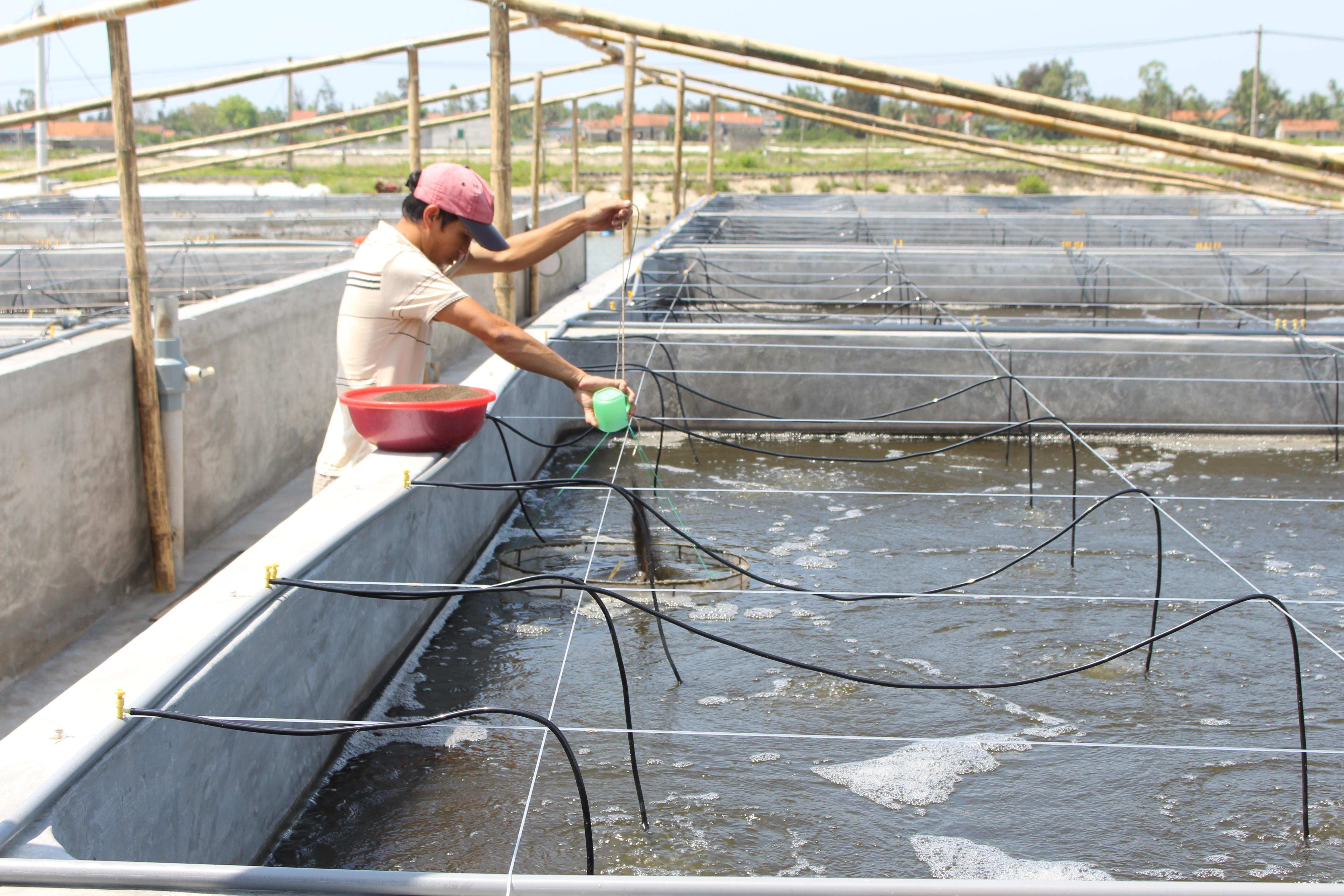 |
| Farmers are applying technology to raise shrimp larvae in nurseries to minimize risks before releasing them into larger ponds. (Photo: VH) |
Mr. Nguyen Van Hung from Quynh Xuan ward (Hoang Mai town) said that although it is raining, shrimp farmers should not let the water level in the pond get too deep or too shallow. When the water level in the shrimp pond is high due to rainwater, it is necessary to drain some of the surface water to maintain the water level in the pond, while avoiding sudden drops in salinity, overflowing banks, and broken drainage pipes.
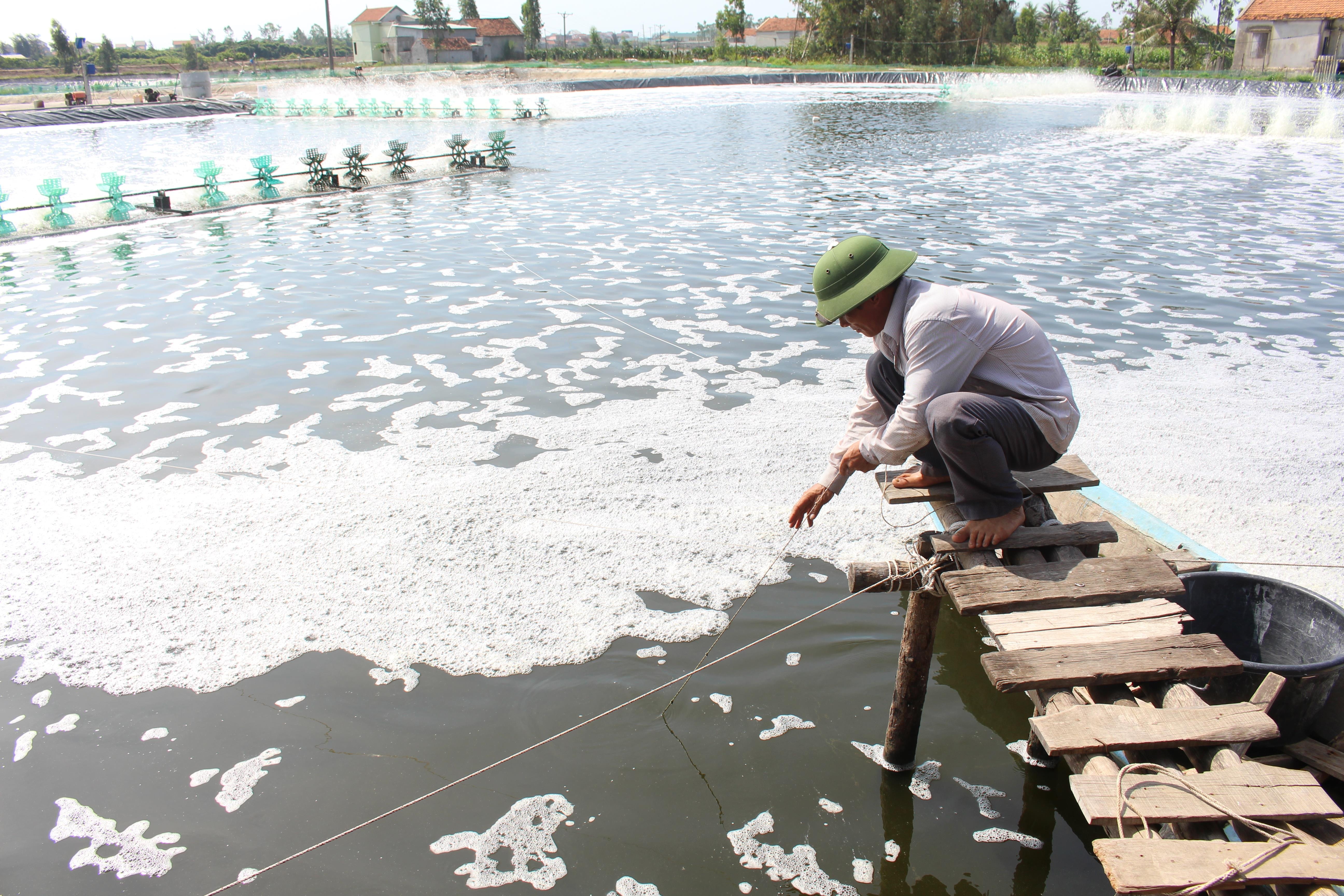 |
| Check the water temperature to prevent shrimp from suffocating during unpredictable sunny and rainy weather. (Photo: VH) |
As for Mr. Ho Xuan Minh in Quynh Bang commune (Quynh Luu district), after hearing the weather forecast, his family carefully prepared for disease prevention measures for shrimp.
Mr. Minh said: "Raising shrimp in the second crop is usually difficult because of the erratic weather with alternating rain and sunshine, so whiteleg shrimp are prone to diseases caused by viruses and bacteria such as: antenna loss, leg erosion, ulcers... To prevent diseases, we have to increase water pumping, clean the ponds regularly, and strengthen the shrimp's resistance so that they can grow well."
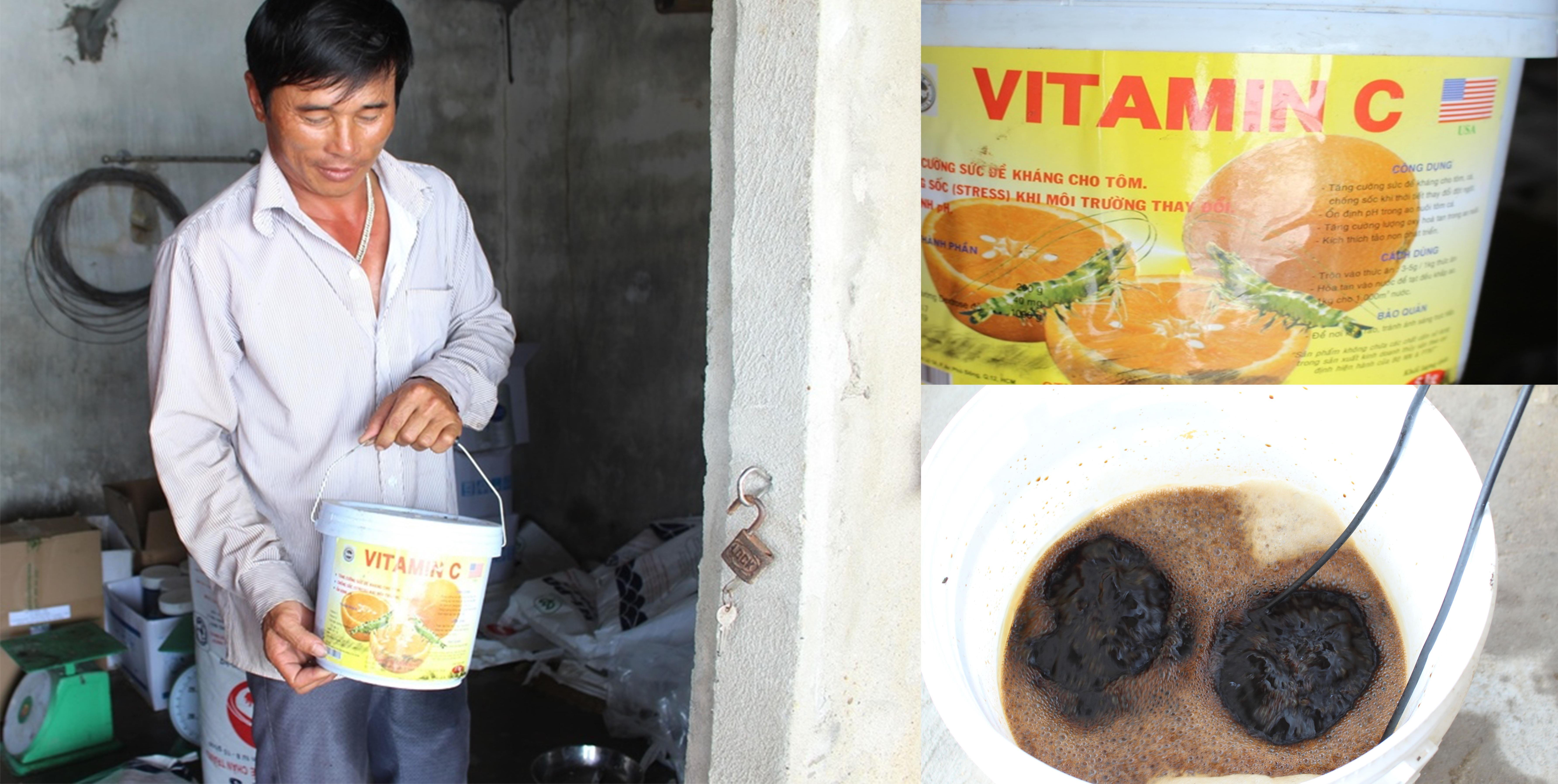 |
| Mr. Ho Xuan Minh in Quynh Bang commune (Quynh Luu district) is supplementing shrimp with vitamin C and minerals to boost their immunity. (Photo: VH) |
During prolonged heavy rain, in addition to proactively caring for and preventing diseases in shrimp based on training experience, shrimp farmers also use folk remedies such as incorporating medicinal plants and herbs into disease prevention.
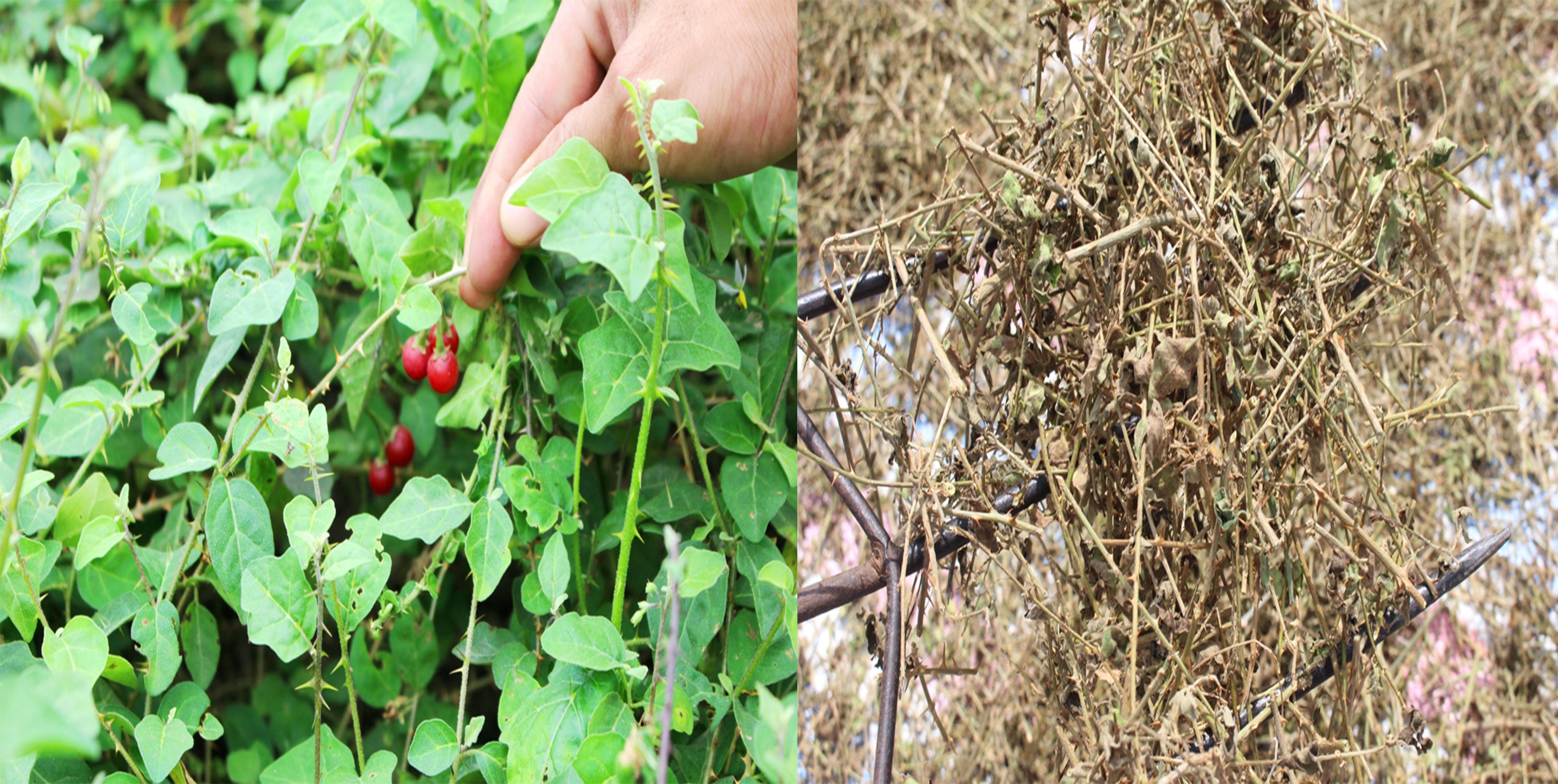 |
| Solanum torvum is a medicinal plant used by local people to prevent hepatopancreatic disease in shrimp. After harvesting, it is ground into powder, the liquid is filtered out, and then mixed with shrimp feed. (Photo: VH) |
In addition to adhering to the care procedures guided by the agricultural sector, for many years my family has also purchased several types of medicinal plants such as: milk thistle, Artemisia capillaris, Sesbania grandiflora, and garlic bulbs, which we then boil to concentrate and mix into shrimp feed; this method can effectively prevent and treat diarrhea and hepatopancreatic diseases.
Quynh Luu district and Hoang Mai town have the largest shrimp farming area in the province; the annual shrimp production reaches approximately over 5,000 tons. To date, households have stocked about 700 out of 900 hectares with shrimp for the second crop; the shrimp are currently 30-50 days old. With good care, they will be ready for harvest after 3 months.