

Nghe An effectively implements solutions for year-end revenue collection.
(Baonghean.vn) - In 2020, the entire society focused all resources on disease prevention and control; production and business activities faced many difficulties, resulting in many businesses having no revenue and no tax income. Therefore, focusing on budget collection at the end of the year remains an urgent solution.
Many efforts
At the Northern Nghe An II Regional Tax Office, in the first 10 months of the year, revenue from some key businesses was lower than the same period last year, thus affecting the overall state budget revenue of the entire office.businesses with large tax debtsIn reality, these businesses are no longer operating but have not gone through the dissolution or bankruptcy procedures, or they continue to exist but are deliberately delaying or failing to pay their tax debts.
In addition, the government's policies to support people and businesses during the pandemic had a significant impact, leading to a decrease in the state budget in 2020.
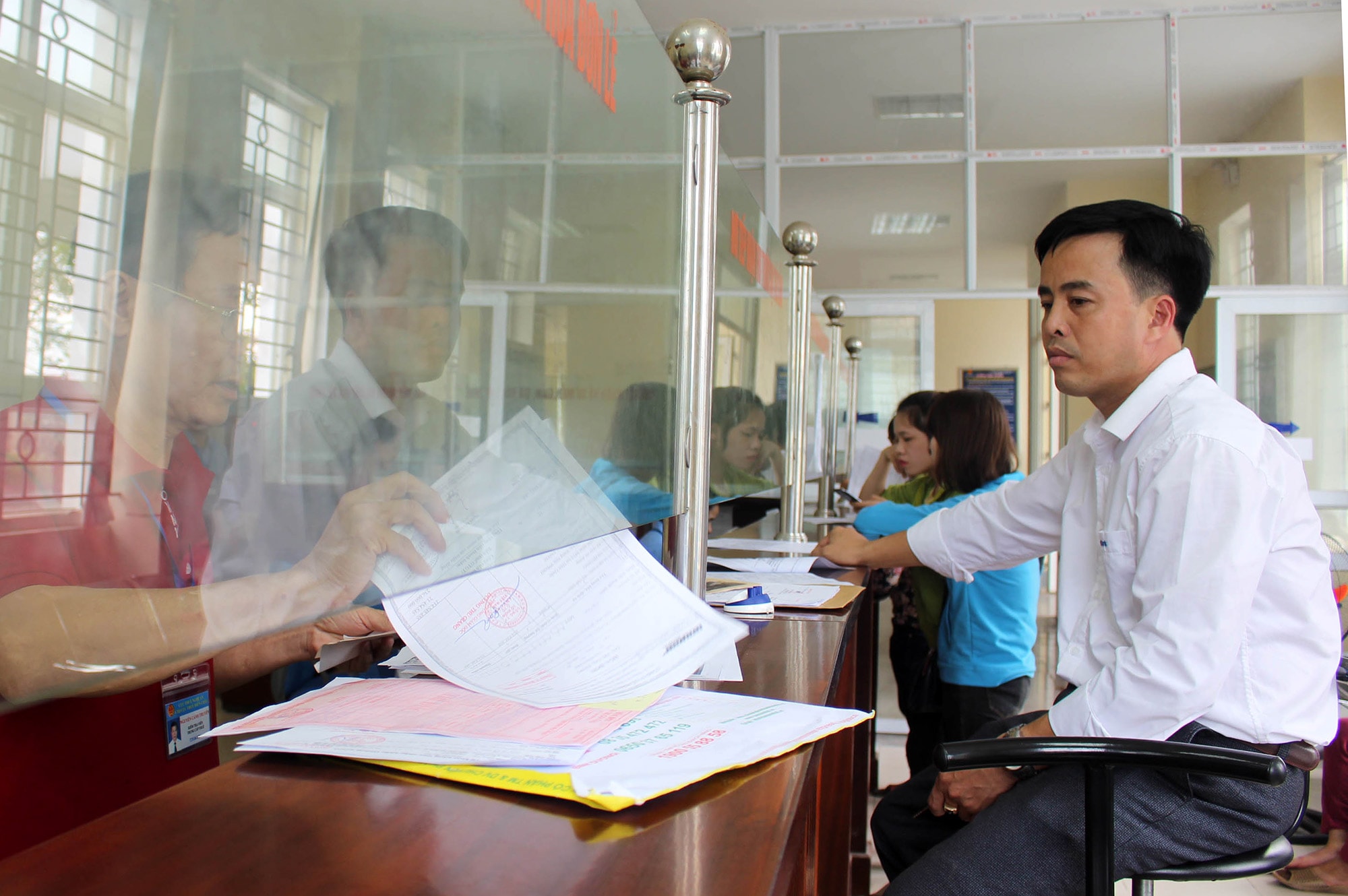 |
| Customers conducting transactions at the Bac Nghe II Tax Sub-Department. Photo: Tran Chau |
With a spirit of unity and high determination, along with the direct and timely guidance and leadership of the Tax Department, the two districts of Dien Chau and Yen Thanh, the coordination of communes and towns, and the support and cooperation of businesses and households, the revenue collection task for the first 10 months of 2020 of the Bac Nghe II Regional Tax Office achieved remarkable results. Total revenue for the entire office in the first 10 months reached 927,047 million VND, equivalent to 165.6% of the statutory budget estimate; 123% of the district People's Council budget estimate; and 145.8% compared to the same period in 2019.
In there:Revenue collectionExcluding land use fees, revenue for the first 10 months reached VND 300,247 million, equivalent to 111.3% of the Ordinance and the District People's Council's budget estimate, and 114.2% compared to the same period in 2019; Non-state industrial and commercial and service taxes for the first 10 months reached VND 83,453 million, equivalent to 88.8% of the Ordinance and the District People's Council's budget estimate, and 102.5% compared to the same period in 2019.
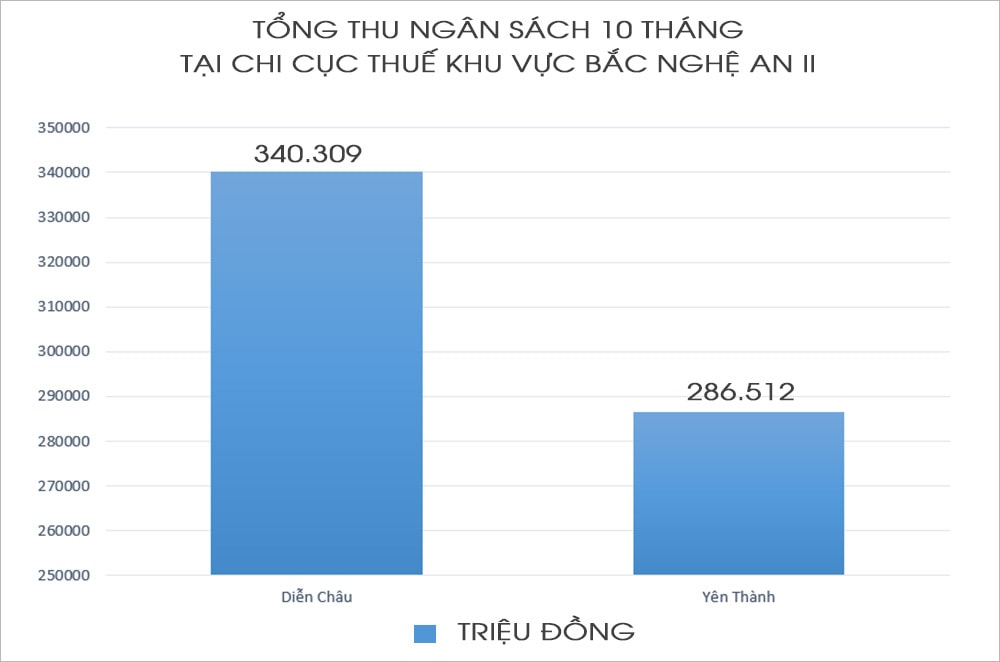
In Dien Chau district, total budget revenue for the first 10 months reached 536,402 million VND, equivalent to 172% of the legally mandated budget estimate; 135.5% of the district People's Council budget estimate; and 132.7% compared to the same period in 2019. In Yen Thanh district, total budget revenue for the first 10 months reached 390,665 million VND; equivalent to 157.6% of the legally mandated budget estimate; 109.2% of the district People's Council budget estimate; and 168.7% compared to the same period in 2019.
 |
| Graphics: Lam Tung |
Total budget revenue for the first 10 months reached its highest level ever due to increased land use fee revenue in both localities (Dien Chau 340,309 million VND, Yen Thanh 286,512 million VND). Total budget revenue excluding land use fees for the first 10 months exceeded the 2020 annual forecast by 11.3%. Revenue from corporate and non-state-owned enterprise tax was quite good, increasing by 2,050 million VND compared to the same period in 2019; revenue from business households for the first 10 months reached 62.6% of the forecast, equivalent to 77.4% of the same period in 2019; revenue from land lease fees reached 92.1% of the forecast and equivalent to 32.5% compared to the same period in 2019…
Eight revenue items exceeded the targets set for the first 10 months of 2019, including: revenue from central state-owned enterprises; revenue from local state-owned enterprises; non-agricultural land use tax; personal income tax; land use fees; other budget revenues; mineral exploitation rights fees; and fixed revenues at the commune level. Mr. Bach Hung Dai added.
There is also an outstanding tax debt of 83 billion VND in the area. The reason for this debt is that production and business activities faced many difficulties during the year due to the Covid-19 pandemic, which affected many businesses, causing them to suffer losses and become unable to pay their debts.
In addition, some businesses and households are deliberately delaying or evading taxes. The large outstanding land lease payments are mainly owed by businesses leasing land in Yen Thanh district, including: Xuan Truong One-Member Limited Company; Binh An Mineral Limited Company; Dong Duong Nghe An Investment and Construction Joint Stock Company; Tuong Nguyen Limited Company; Nghe An Testing and Production Joint Stock Company; Le Doan Nha Private High School; and Chinh Phong Construction and Trading Joint Stock Company. The debt situation has not improved.
At the Song Lam I Regional Tax Office (comprising the districts of Do Luong, Thanh Chuong, and Tan Ky), budget revenue for the first 10 months reached 498 billion VND, of which Tan Ky accounted for 76.6 billion VND, Do Luong for 270.6 billion VND, and Thanh Chuong for 150.8 billion VND…
According to Ms. Nguyen Thi Quynh Trang, Head of the General Budgeting Department of the Tax Department: The total domestic revenue in Nghe An province for the first 10 months reached VND 12,678 billion, equivalent to 98% of the central government's budget estimate, 94% of the provincial People's Council's budget estimate, and 109% compared to the same period last year. Excluding land use fees, the revenue for the first 10 months reached VND 8,930.5 billion, equivalent to 82% of the budget estimate and 100% compared to the same period last year. The increase in domestic revenue was mainly due to: Land use fees (reaching 150% of the budget estimate and increasing by 39%, equivalent to an increase of over VND 1,000 billion compared to the same period in 2019); and environmental protection tax (reaching 95% of the budget estimate and increasing by 25%, equivalent to an increase of over VND 400 billion compared to the same period in 2019). Land lease revenue (reaching 111% of the projected amount and increasing by 16%, equivalent to an increase of over 40 billion VND compared to the same period in 2019)...
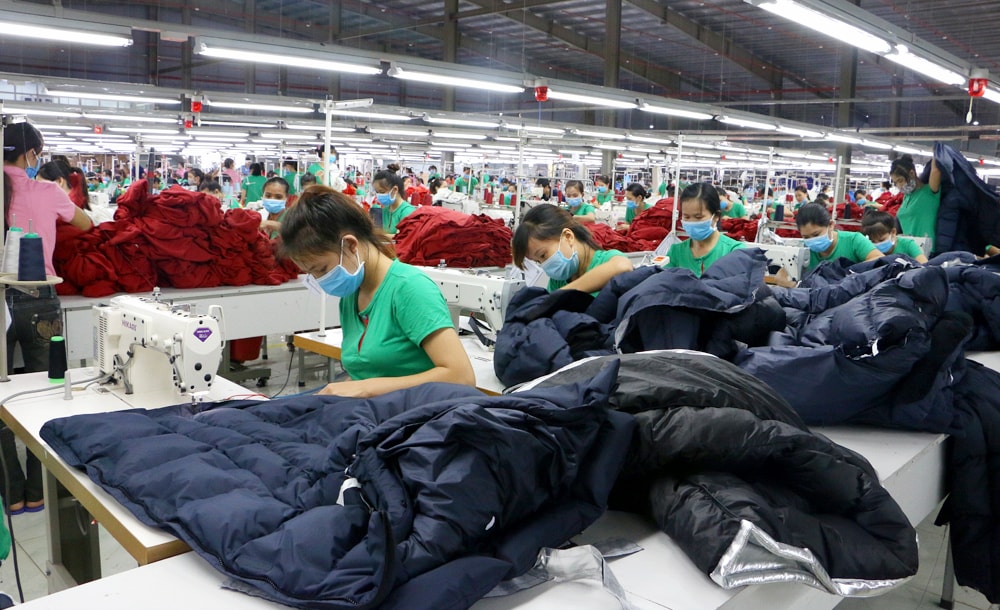 |
| Production and business activities fell short of projections due to the impact of the Covid-19 pandemic. Photo: Lam Tung |
Strengthening solutions
Given the year-end budget revenue collection deadline, which will pave the way for next year's revenue, the leaders of the Song Lam 1 Regional Tax Office stated that they will strengthen the dissemination of new tax policies; urge taxpayers to pay taxes and land rent that have been extended according to Government Decree No. 41/2020/ND-CP. They will continue to effectively implement measures to urge debt collection and enforce tax debt collection according to regulations and strengthen measures to combat state budget revenue losses.
Meanwhile, the Tax Department of Bac Nghe II region is focusing on reviewing revenue sources in the area, promptly urging units to declare taxes when tax liabilities arise and units whose extension period has expired according to Official Letter No. 1307/TCT-CS dated March 27, 2020, of the General Department of Taxation. In particular, it is focusing on exploiting the 2% out-of-province tax revenue from several large projects (Dien Ky project, Dien Truong Leather Shoe project, etc.) to compensate for the revenue shortfall due to the impact of the Covid-19 pandemic.
 |
| The tax authorities coordinate with commercial banks in the tax payment process. Photo: Tran Chau |
Strengthen efforts to recover outstanding tax debts, fully applying all tax debt enforcement measures to recover tax arrears into the State budget. In particular, intensify the activities of the Steering Committee for combating tax evasion and recovering outstanding tax debts, as issued by the District People's Committee. Coordinate closely with departments, agencies, and the People's Committees of communes and towns in budget collection. Strengthen the monitoring of tax declarations, and intensify inspections using risk analysis methods, focusing primarily on units less affected by the Covid-19 pandemic.
To successfully complete the year-end revenue collection task,Nghe An Tax DepartmentFocus on providing guidance and processing applications quickly, promptly, and correctly for taxpayers eligible for tax and land rent payment extensions under Decree 41/2020/ND-CP.
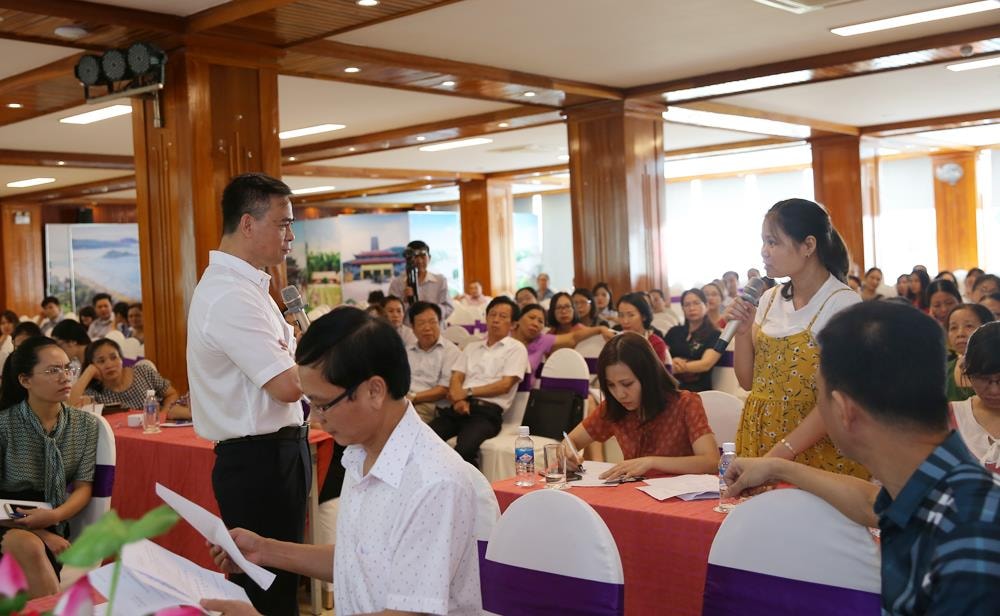 |
| Leaders of the Nghe An Tax Department answer some questions from businesses regarding the implementation of electronic invoices. Photo: Lam Tung. |
Instructions and processing for individual business households with declared tax revenue under 100 million VND/year that temporarily suspended business from April 1, 2020, to receive support of 1,000,000 VND/household/month as stipulated in Resolution 42/2020/NQ-CP; a 30% reduction in corporate income tax payable for 2020 for small and micro enterprises; and a 30% reduction in environmental protection tax on aviation fuel according to the tax rate stipulated in Resolution No. 579/2018/UBTVQH14 dated September 26, 2018, until December 31, 2020. A 15% reduction in land rent payable for 2020 will be applied to businesses, organizations, households, and individuals directly leasing land from the State under Decisions and Contracts of competent State agencies in the form of annual land rent payments who have had to cease production and business activities due to the impact of the Covid-19 pandemic. In addition, focus will be placed on collecting tax debts and reviewing revenue sources, analyzing revenue sources, and concentrating support on businesses to create momentum for revenue in the following year.