(Baonghean.vn) - The Dan Lai people mainly live in Con Cuong district (Nghe An province). Women remain the hardest-working workforce in the villages of this ethnic minority group.
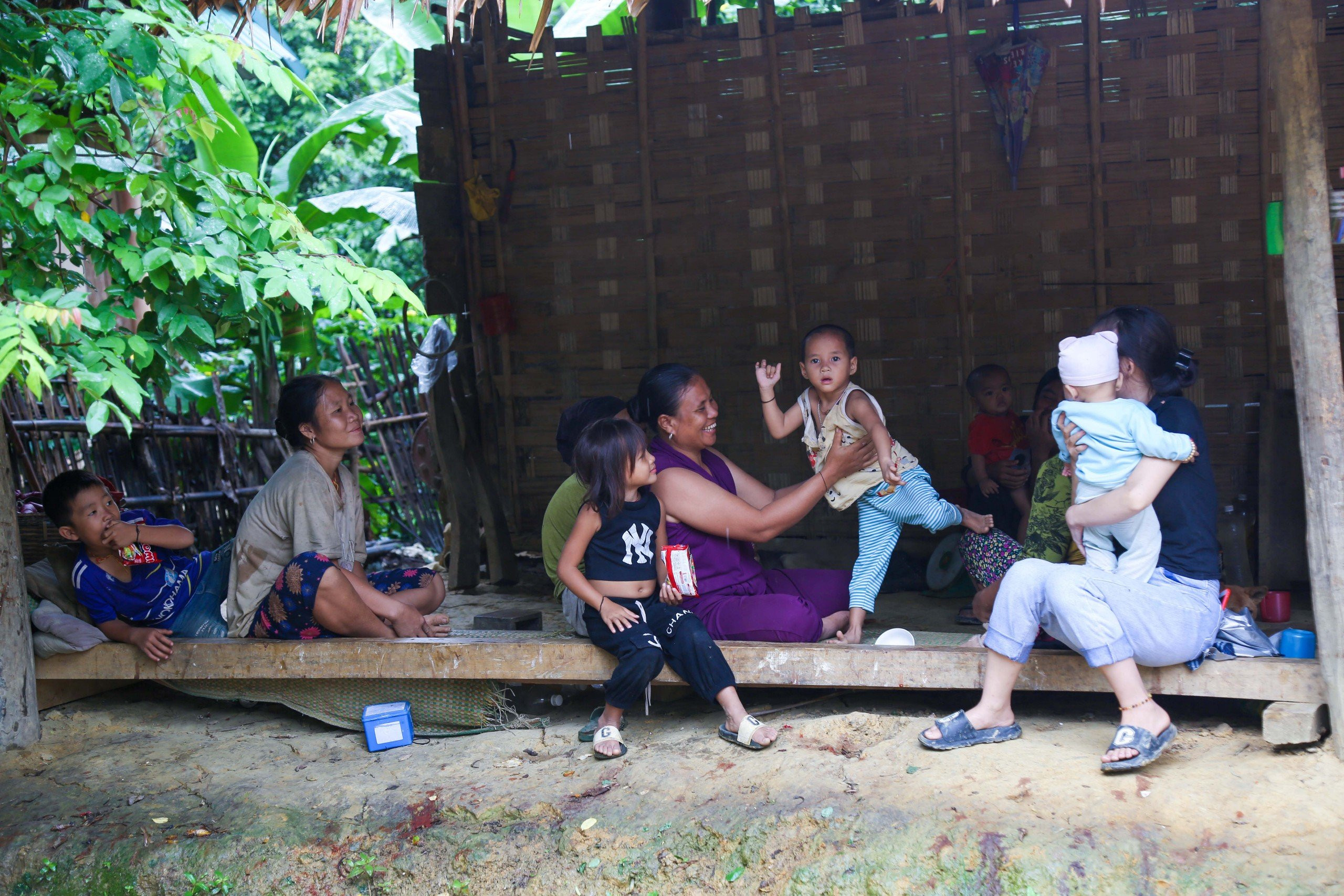
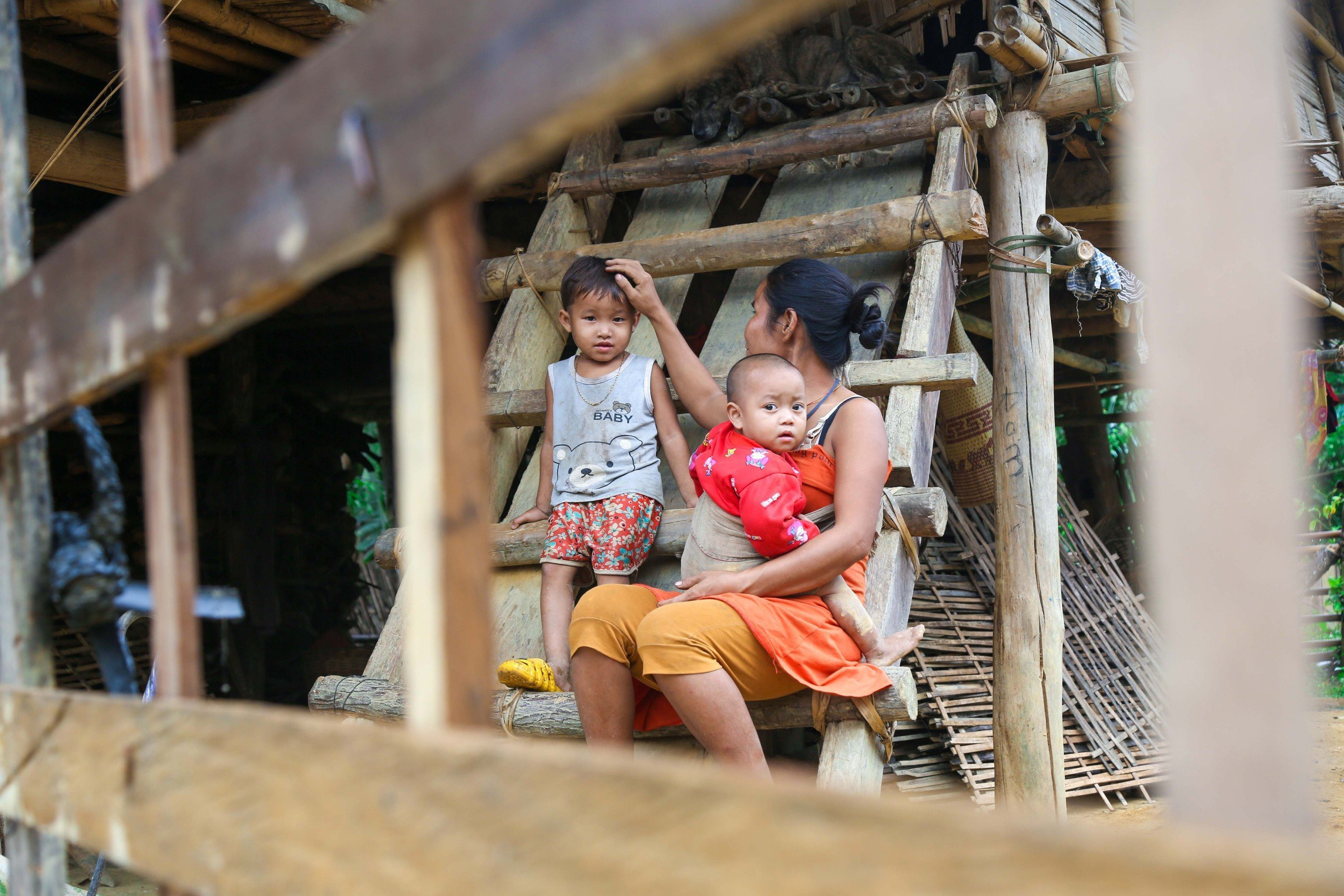
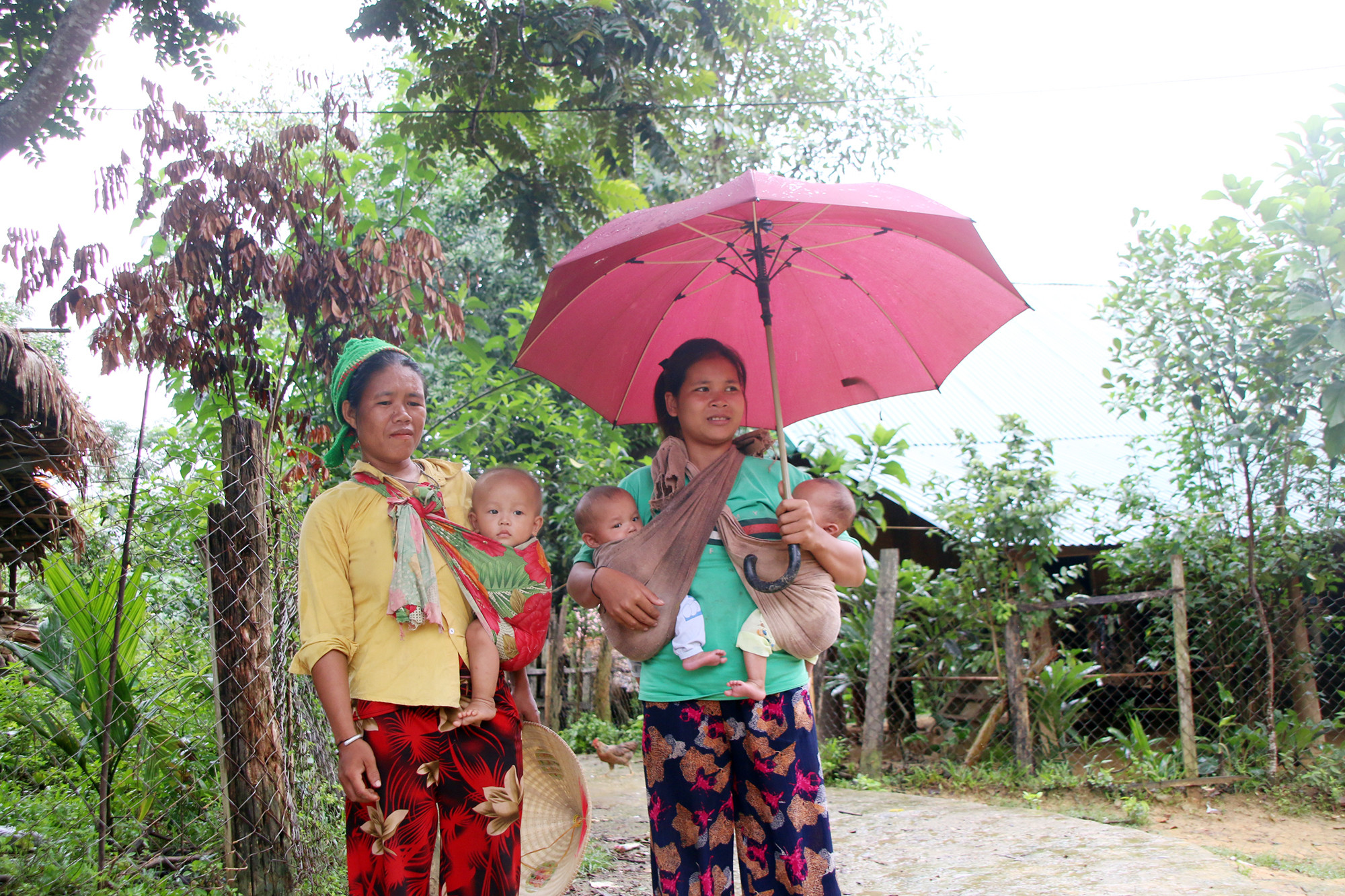
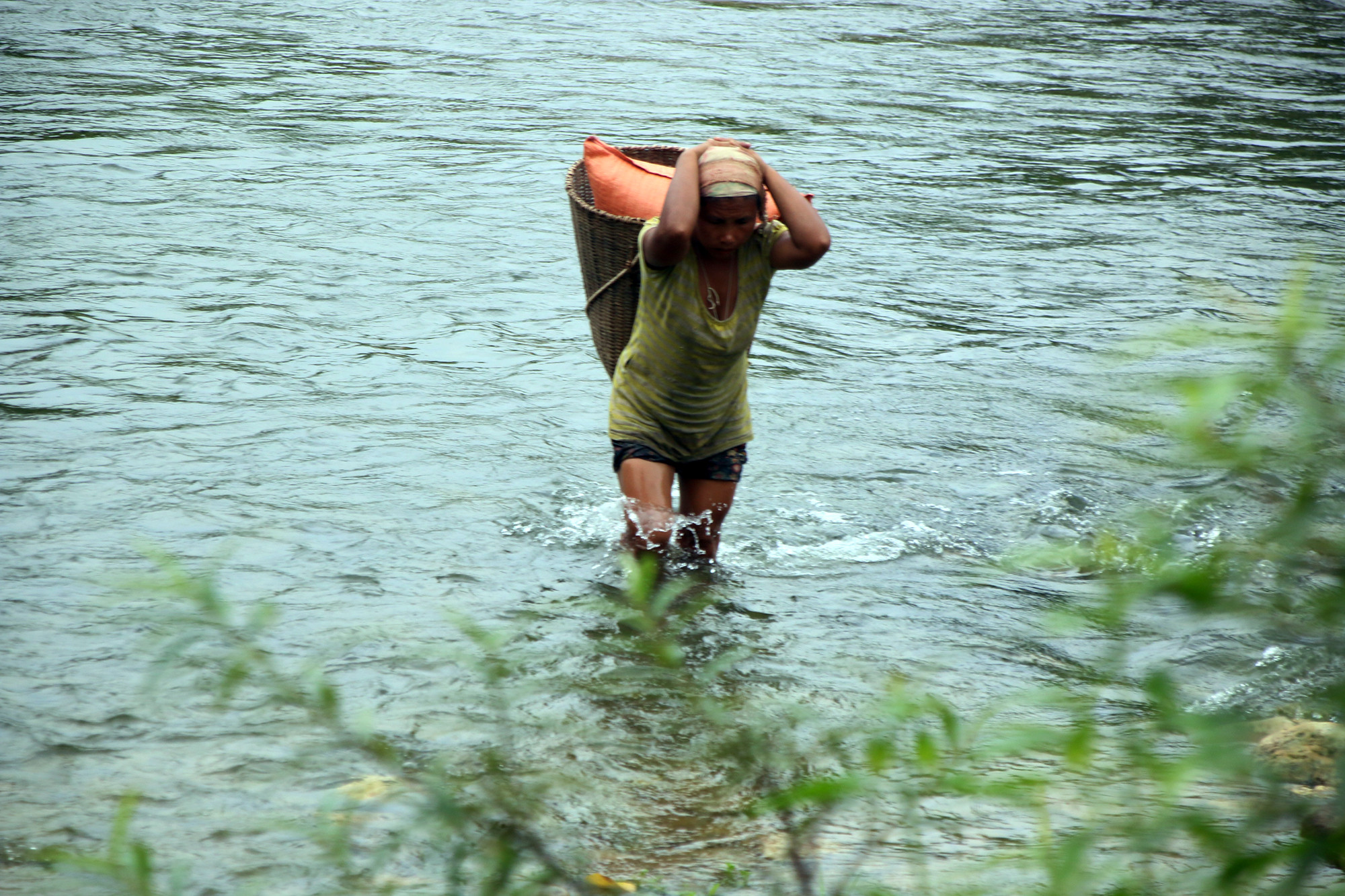
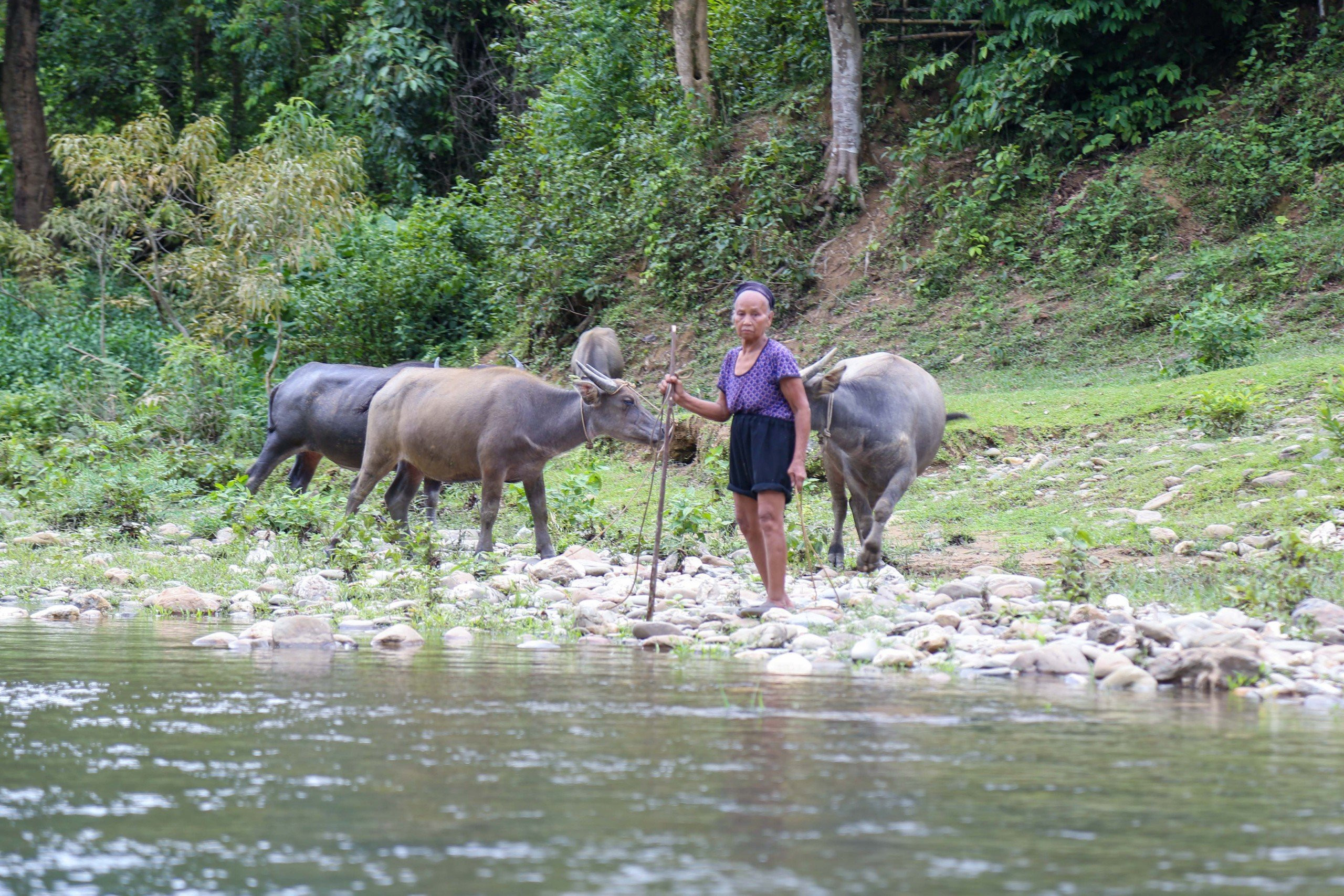
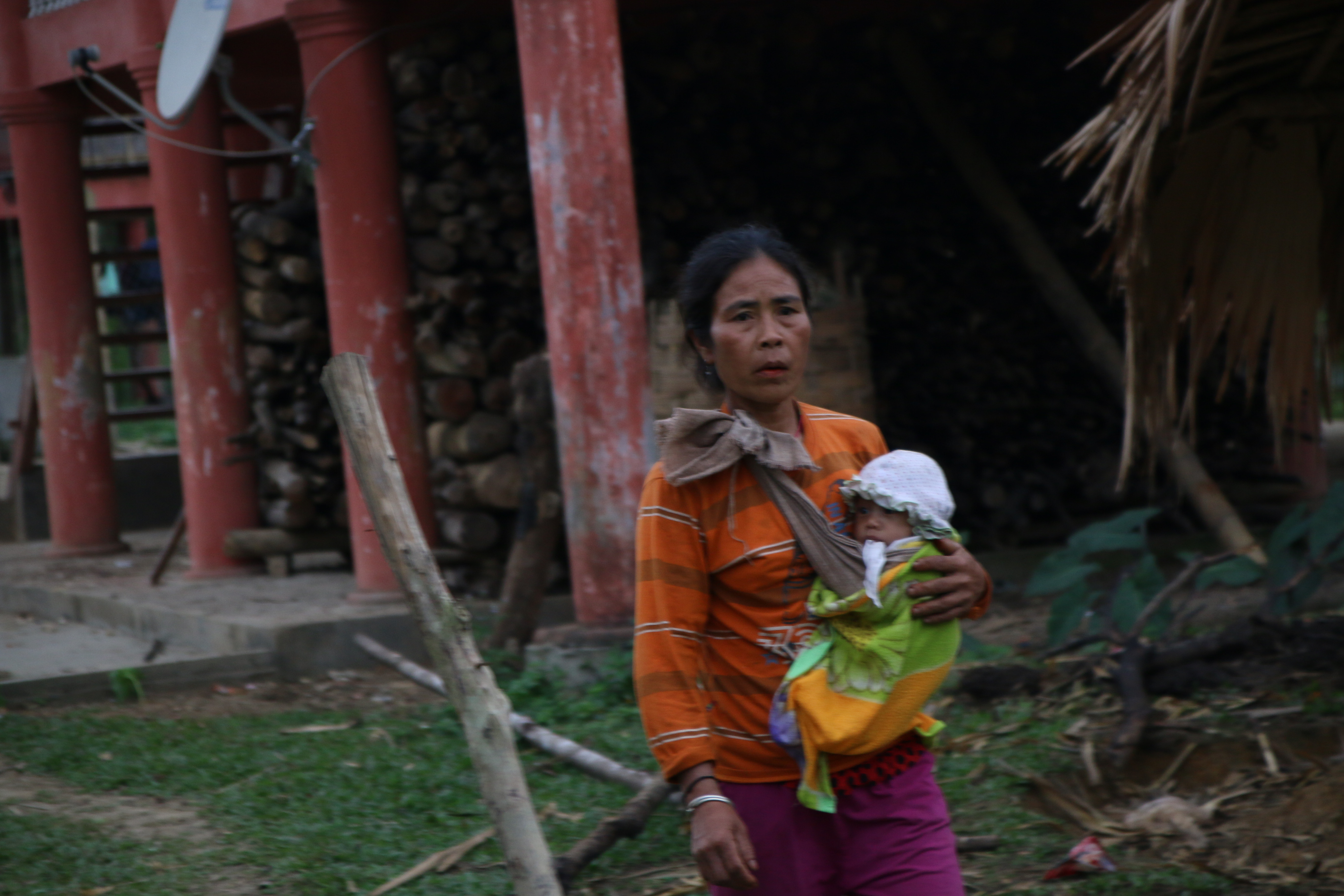
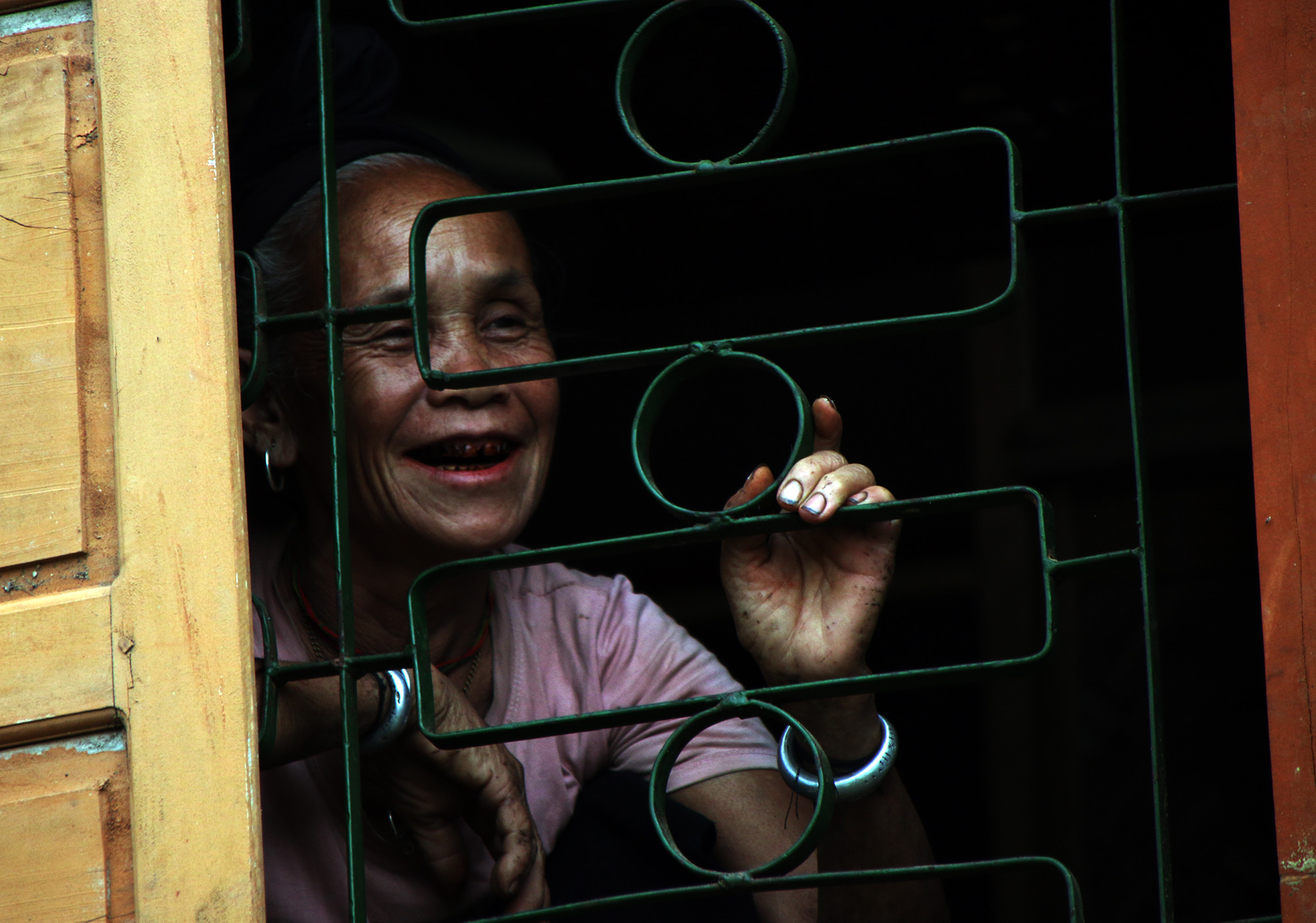
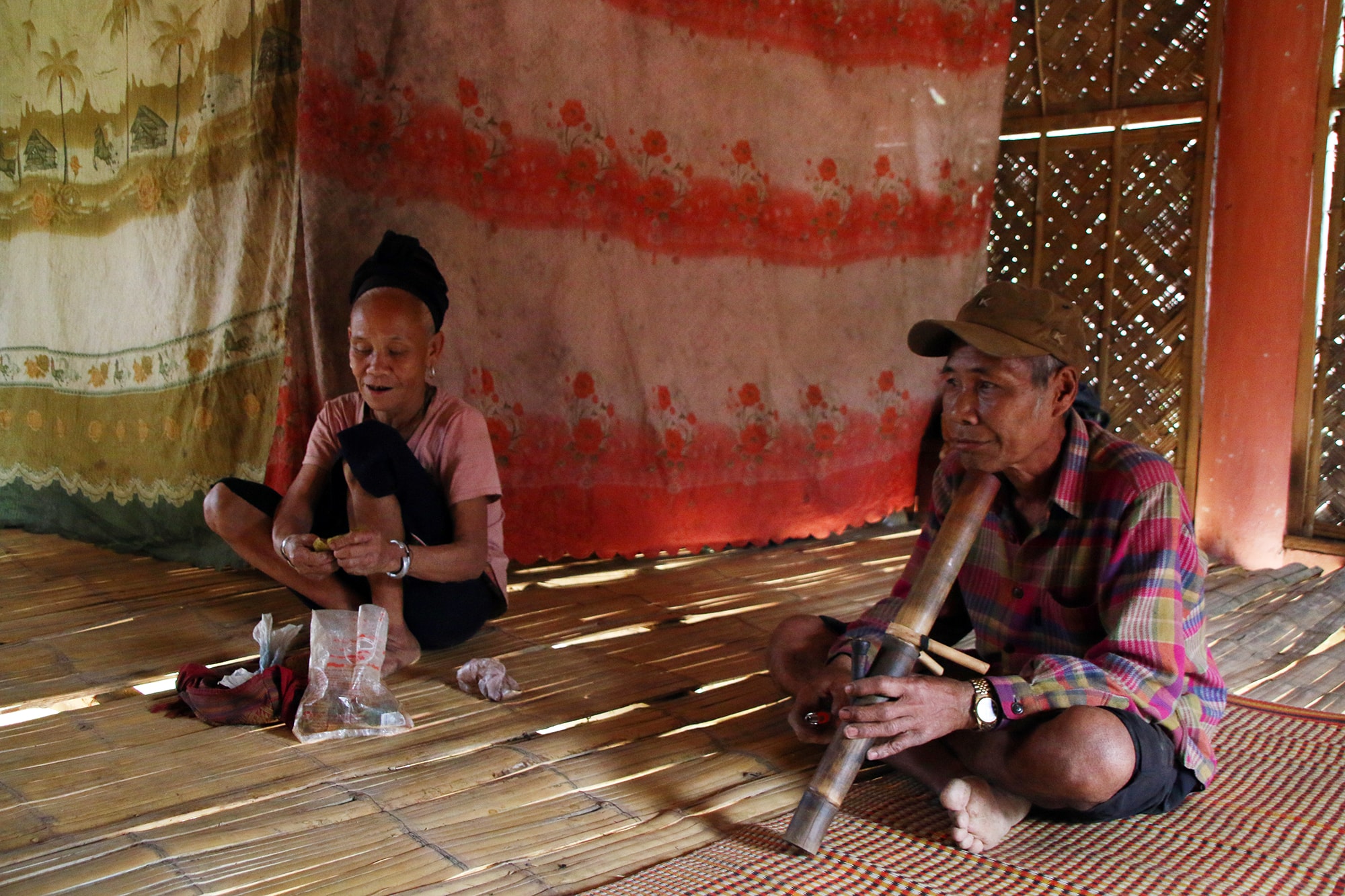
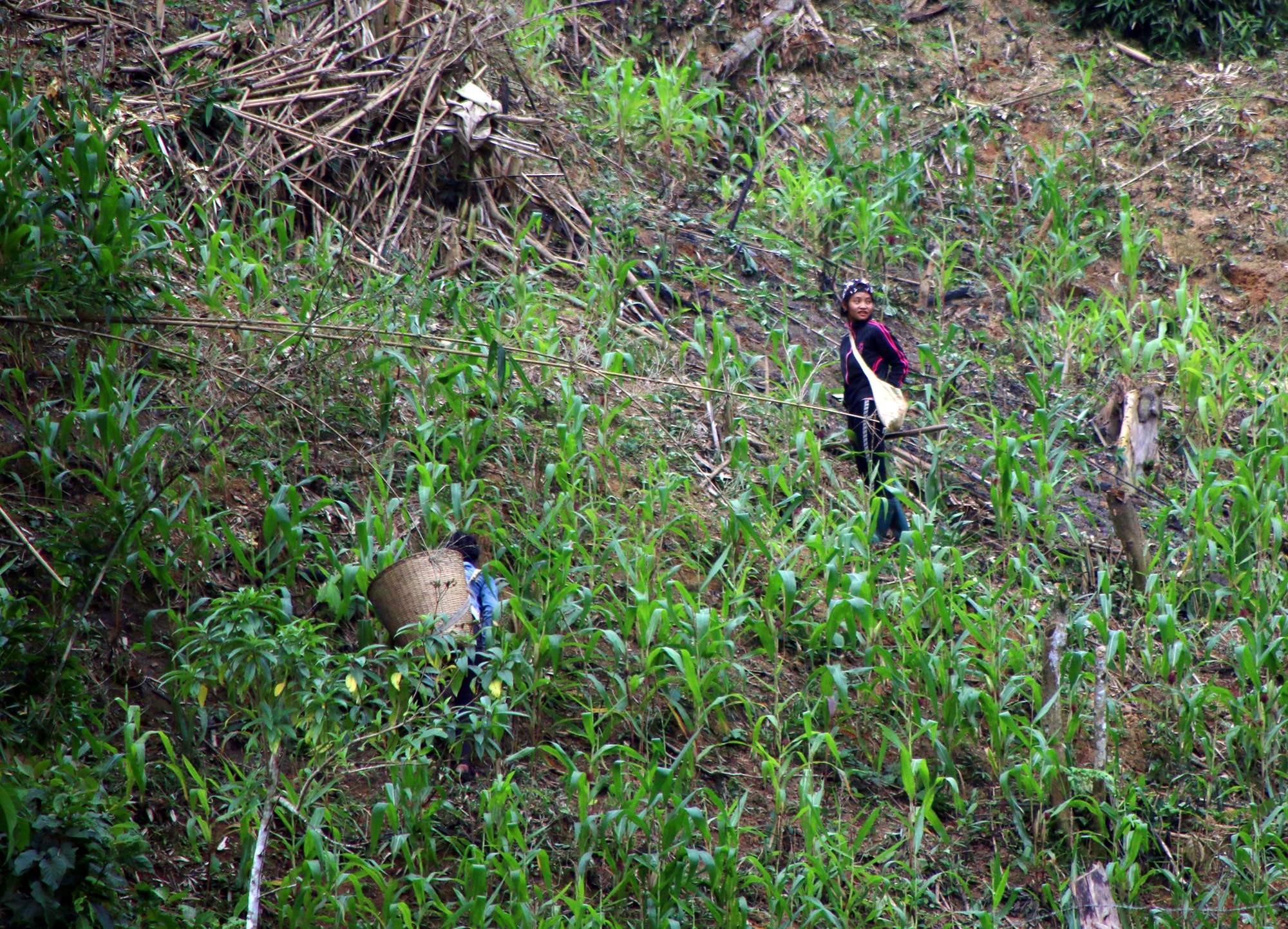
A rainy morning in Bung village, Mon Son commune (Con Cuong district) was truly joyful because rainy days give the women here a chance to rest. It's rare for them to have such leisure time. Photo: Dinh TuyenIn a house not far away, Ms. La Thi Xai (born in 1991) was sitting with her two young children on a makeshift staircase. The woman shared that she got married at the age of 15 and currently has five children. Besides the baby she's holding and the child sitting next to her who isn't yet old enough to go to school, the others are all in school. In Bung village, couples having four or five children or more is quite common. Photo: Dinh TuyenThe Dan Lai women in Bung village have a very hard life. Having many children means they have little time at home. They often have to go to the forest to gather bamboo shoots, collect forest products, and work in the fields. The hard labor and lack of healthcare make many look older than their age. Photo: Dinh TuyenThe basket is a common means of transportation for Dan Lai women. This woven bamboo basket becomes a companion for them from the age of 9 or 10 until old age. Photo: Huu ViJust like men, Dan Lai women are often the primary breadwinners in the household. They work hard to provide food and clothing and help maintain a peaceful family life. Photo: Dinh TuyenPreviously, the Dan Lai people mainly lived in Mon Son commune, in the villages of Co Phat and Bung, and in Chau Khe commune (Khe Bu and Khe Nong villages...). Today, some have moved to establish new villages in Thach Ngan commune. Despite being far from their old homes, they still maintain their traditional way of life. The image of Dan Lai women carrying their babies in front of their houses is still very familiar when visiting Ke Tat village, Thach Ngan commune. Photo: Huu ViMany elderly women, upon returning to their new villages in old age, are no longer able to work and still miss their old homes. Photo: Huu Vi.There were also elderly women who gradually adapted to their new homes and felt more comfortable leaving behind the precarious life of foraging in the core of Pu Mat National Park. Photo: Huu ViIn their new settlement, the Dan Lai people were allocated land for production. Women remain the primary laborers in the family, but they are now in a more proactive position having their own fields and farms. Photo: Huu Vi