

Nghe An province will not allow African swine fever to spread for an extended period.
(Baonghean.vn) - Faced with the resurgence of African swine fever in many localities and the problem of pig carcasses being dumped in waterways, the People's Committee of Nghe An province has directed specialized agencies to inspect, handle, and implement disease prevention and control measures to prevent the disease from spreading and prolonging.
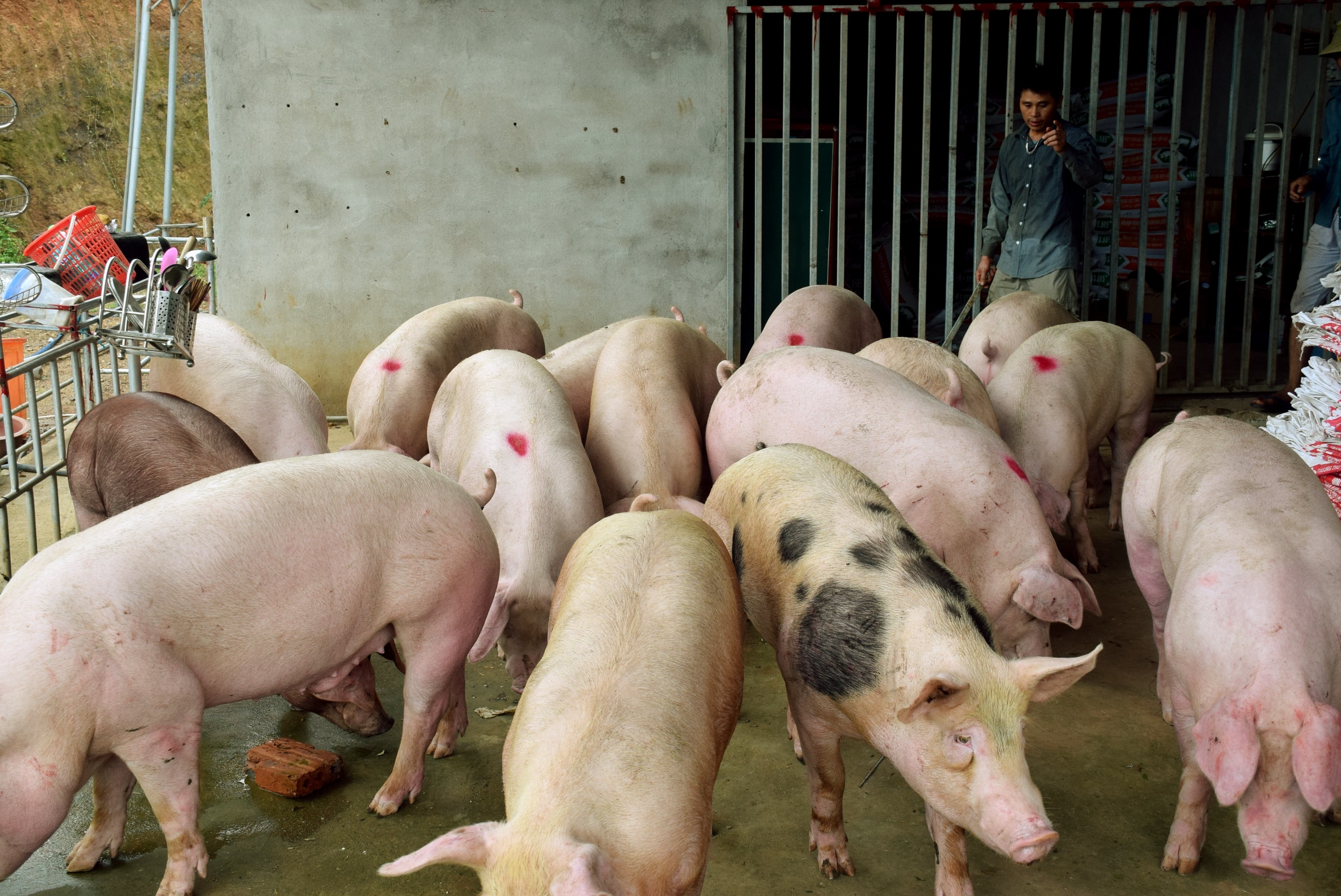
Nghe AnThe area has a large and diverse livestock and poultry population. The pig population exceeds 981,000 head, a 3.32% increase compared to the same period in 2022.
In Nghe An province, there have been outbreaks of the disease recently.African swine feverIn Yen Thanh, Dien Chau, Quy Hop, and most recently in Do Luong district, several small outbreaks have appeared.
According to authorities, the cause is due to unsafe livestock farming conditions, with pathogens remaining in the environment, and then spreading widely after the rainy season and floods.
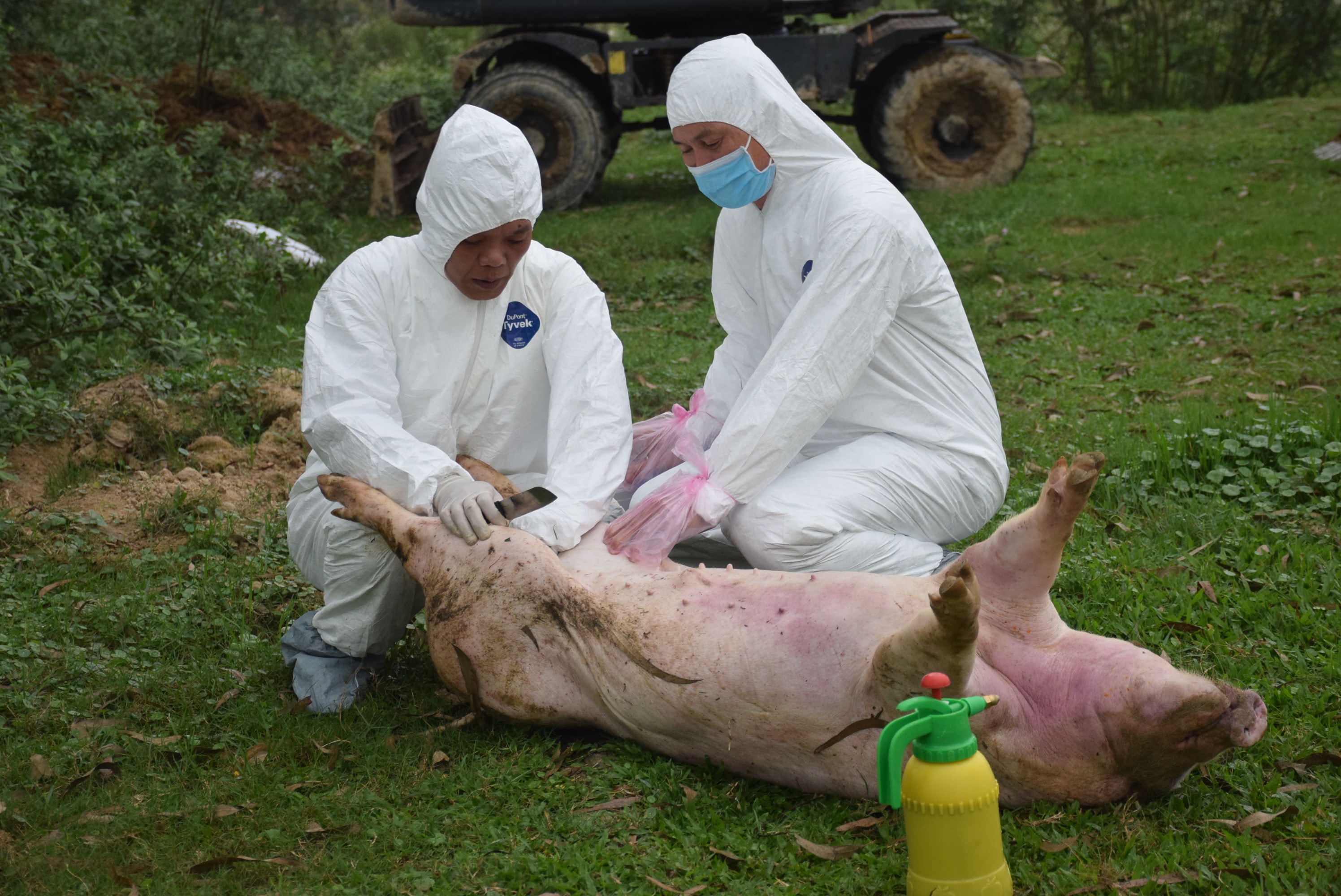
According to information from the Department of Livestock and Veterinary Medicine, following the direction of the Provincial People's Committee, on November 7th, immediately after receiving information about people dumping pig carcasses into canals and ditches in the canal section passing through Yen Thanh district, the Department coordinated with the Regional Veterinary Department III to inspect the canal system from the source (bordering Do Luong district) flowing through the communes of Yen Thanh district.
At the same time, the District People's CommitteeYen ThanhWe urge the community to work together to detect and report to the local authorities via the hotline of the People's Committees of communes and towns any cases of animal carcasses being dumped into the environment, canals, and ditches; and direct the People's Committees of communes to regularly inspect and dispose of animal carcasses as soon as they are found. Strict action will be taken against those who dump animal carcasses into the environment, sell sick or dead animals, or intentionally spread disease.
In the coming period, Nghe An will allocate all resources to decisively implement disease prevention and control measures, preventing the spread, prolongation, and emergence of new outbreaks. Control checkpoints will be established on major roads, vehicle disinfection will be implemented, and the transportation of animals and animal products susceptible to African swine fever into and out of affected areas will be controlled.
For areas where no outbreaks have occurred, continue organizing vaccination campaigns for livestock and poultry during the autumn of 2023, ensuring a vaccination rate of over 80% of the total herd. Proactively monitor livestock for disease outbreaks to detect, warn, and decisively handle any new outbreaks; promptly and fully report disease situations from the grassroots level to the commune, district, and provincial levels in accordance with regulations.
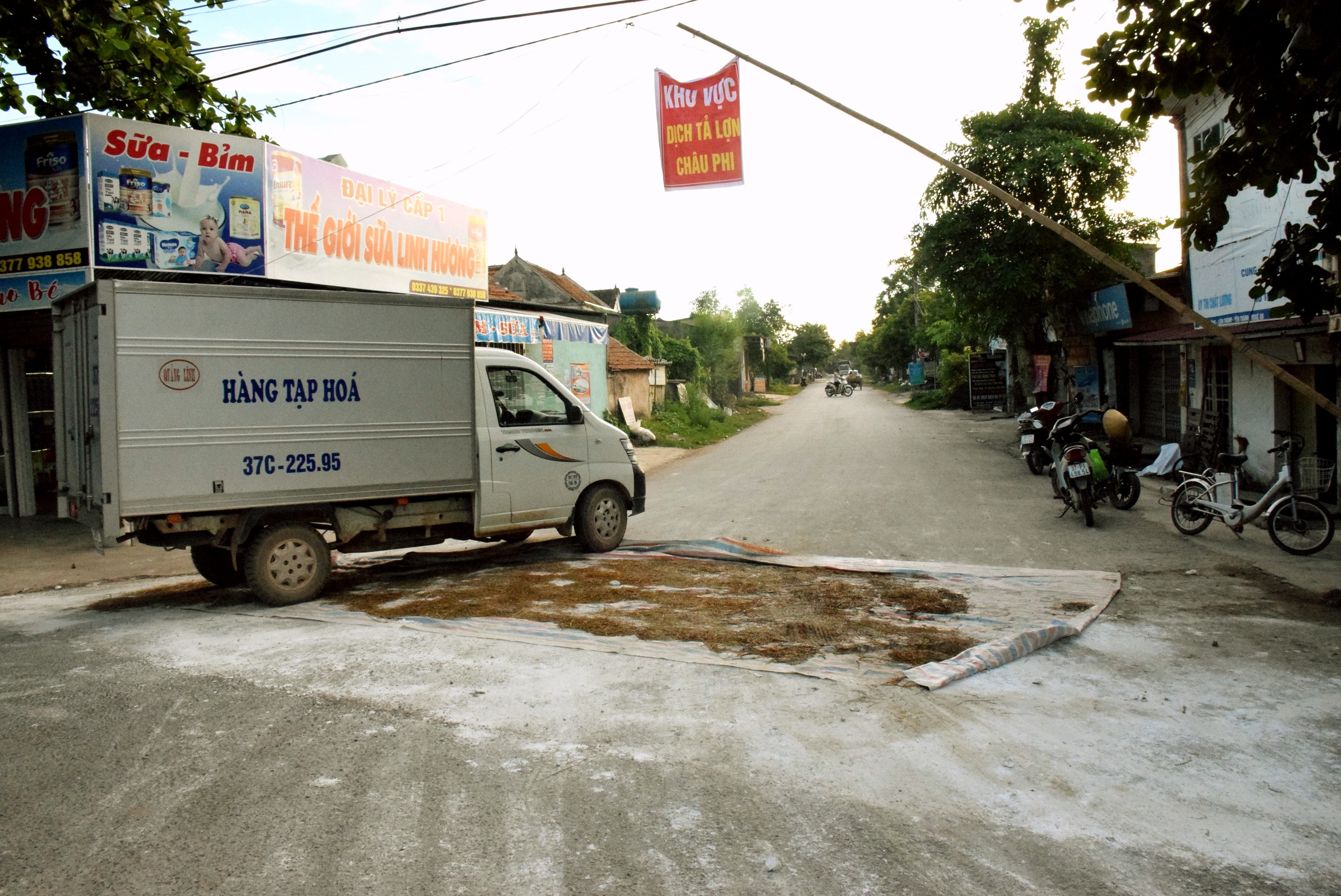
In addition, Nghe An province will control the slaughter, transportation, and trade of animals and animal products, and strictly handle cases of concealing outbreaks, delaying disease reporting, and selling animals suspected of being infected.
In addition, Nghe An province has issued a document on providing support to livestock farmers affected by African swine fever and has assigned local authorities to complete the necessary procedures and documentation.
Since the beginning of the year, the Department of Livestock and Veterinary Medicine has supplied localities with 12,500 liters of chemicals for disinfection spraying to contain outbreak areas. In addition, officials have been assigned to directly go to the affected areas to coordinate with local authorities in implementing disease prevention and control measures.
To date, the outbreak in some localities has been brought under control: In Dien Chau district, which had 10 infected communes at the end of October, the number has now decreased to 7; in Quy Hop district, the outbreak is under control in 2 communes, Chau Quang and Dong Hop; and in Yen Thanh district, it is under control in 13 communes. However, the outbreak is only occurring in small-scale livestock farms, and the number of pigs that have to be culled has not increased significantly.