
Accepting loss
(Baonghean.vn) - Happiness is sometimes not about receiving completeness and fulfillment, but often we find happiness by knowing how to accept loss. Accepting loss means accepting letting go, accepting things as they are, accepting unpleasant things.
A man was left penniless after a brutal business war. He had invested billions of dong – all his assets – into that battle. He fell into a severe crisis. Everywhere he looked, he saw loss, defeat, and emptiness. From a patient, steadfast, and ambitious man, he became irritable, cynical about life, and indifferent to the future. Alcohol became inseparable from him, and his lifestyle became dissolute and depraved. Despite the advice of many, he remained immersed in failure and loss, seeking justification for his downfall in the hazy haze of drunkenness. His wife and children went from being frightened and saddened, trying to encourage him to overcome his failure, to becoming disheartened and desperate because they could not lift their husband and father. A once happy family had become a living hell.
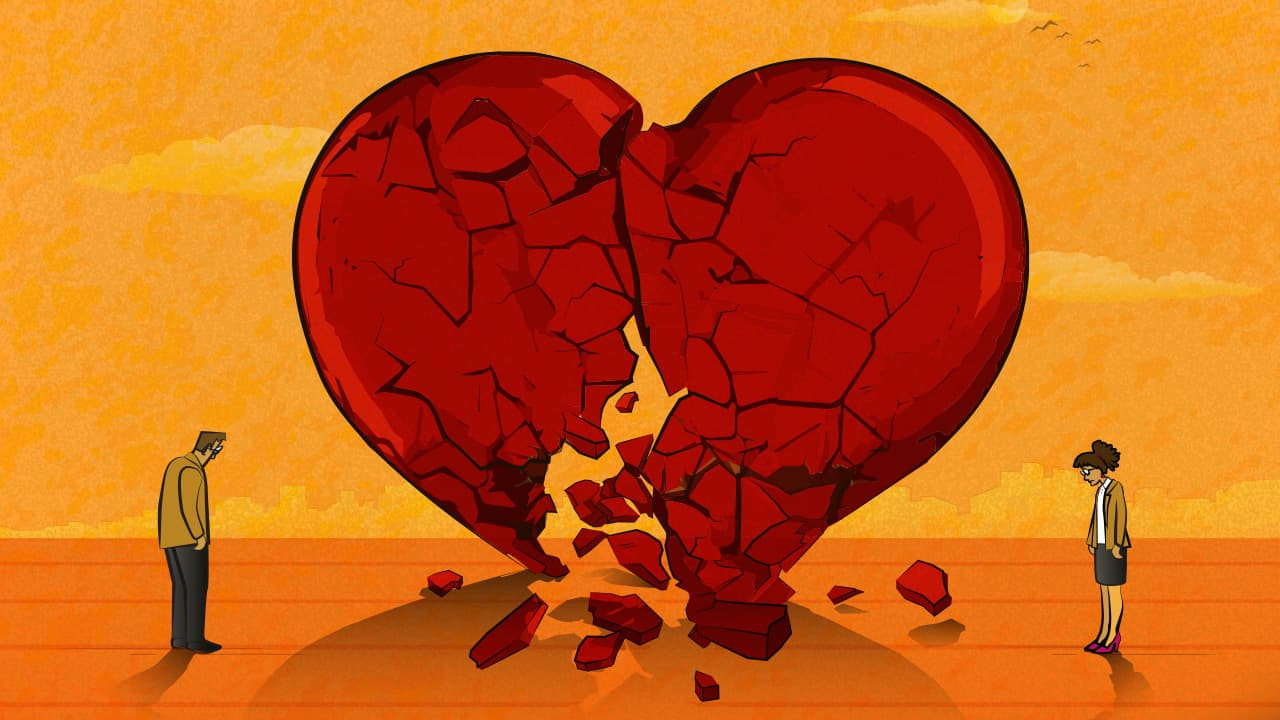
A woman's love and marriage were a failure. She dedicated her youth to one man, falling in love, marrying him, expanding her family from two to four, achieving financial stability, a loving husband, and well-behaved children. "Getting married like A. is so wonderful!" – so many admired her. But life is full of unexpected misfortunes. One day, a young stranger sent her a video clip. The third party then challenged the wife; such is the outrageousness of human nature! The emotional world built upon so much joy, pride, and honor crumbled. Her husband confessed to having an affair for nearly two years. She locked herself in her room for three days, almost starving herself, her tears drying up. Her children were distraught, wandering aimlessly. Her happy family fell apart, and she and her children moved to a rented house. She has extended family, a stable job, and many friends, but more than three years later, she still can't escape the haunting memories of her previous marriage. She constantly wonders what she did wrong, what fault she had with her husband to cause such a situation. It's been a long time since she's been able to genuinely smile…
An 18-year-old, considered the epitome of academic excellence, suddenly failed his university entrance exam. This devastating blow was unacceptable not only to him but also to his family. He appealed, gaining only 0.5 points, but still failed. From a bright, sunny young man, he became gloomy, depressed, and utterly despondent. He locked himself in his room all day, blasting rock music and playing intense online shooting games—things he had always refused to do. He was afraid to go outside, afraid to face the words and stares of acquaintances, afraid to meet friends—those who might have been less academically successful in school but had unexpectedly achieved such high exam results. This state lasted for months.
That's right, all around us, and perhaps even within ourselves, there are countless sorrows, losses, failures, and setbacks. Ultimately, life is long, and no one ever gets everything they want. No matter how carefully we plan and prepare, we can't guarantee absolute smoothness and success.
Buddhism teaches about the "Eight Worldly Worries," divided into four pairs: the desire for gain and the fear of loss; the desire for pleasure and the fear of suffering; the desire for fame and the fear of being disliked or abandoned; and the desire for praise and the fear of punishment. These eight concerns govern all aspects of human life, manifested in two attitudes: desire and fear. They coexist and cannot be separated; no one is entirely driven by desire, nor is anyone completely consumed by fear. Humans are always caught between these two extremes; however, the crucial factor is whichever side the mind leans toward, and whichever side the balance leans will shape one's life. Those who constantly think about positive things, accept and are ready to overcome difficulties will have a positive life; while those who are perpetually fearful, dwell in the past, and constantly think about suffering, loss, and failure will always be negative and confused, leading to a chaotic life.
Often, the sufferings in our lives are self-inflicted. Losing money, a broken marriage, failing university… these are sufferings, but they are external sufferings. The real suffering is the torment in our minds as we constantly seek explanations for our failures, getting stuck in self-questioning, reeling in delusions, and becoming numb in deceptive illusions.
We must understand that the past is behind us, and the future does not belong to us. Therefore, only the present—however chaotic, incomplete, uncertain, or unsatisfactory—is what we must accept, confront, and overcome. We suffer because we lose the ability to accept. If we learn to accept, things will gradually become clearer, as if a magical force were to lift the veil of mist, showing our minds the bright path to follow.
Phuoc Anh