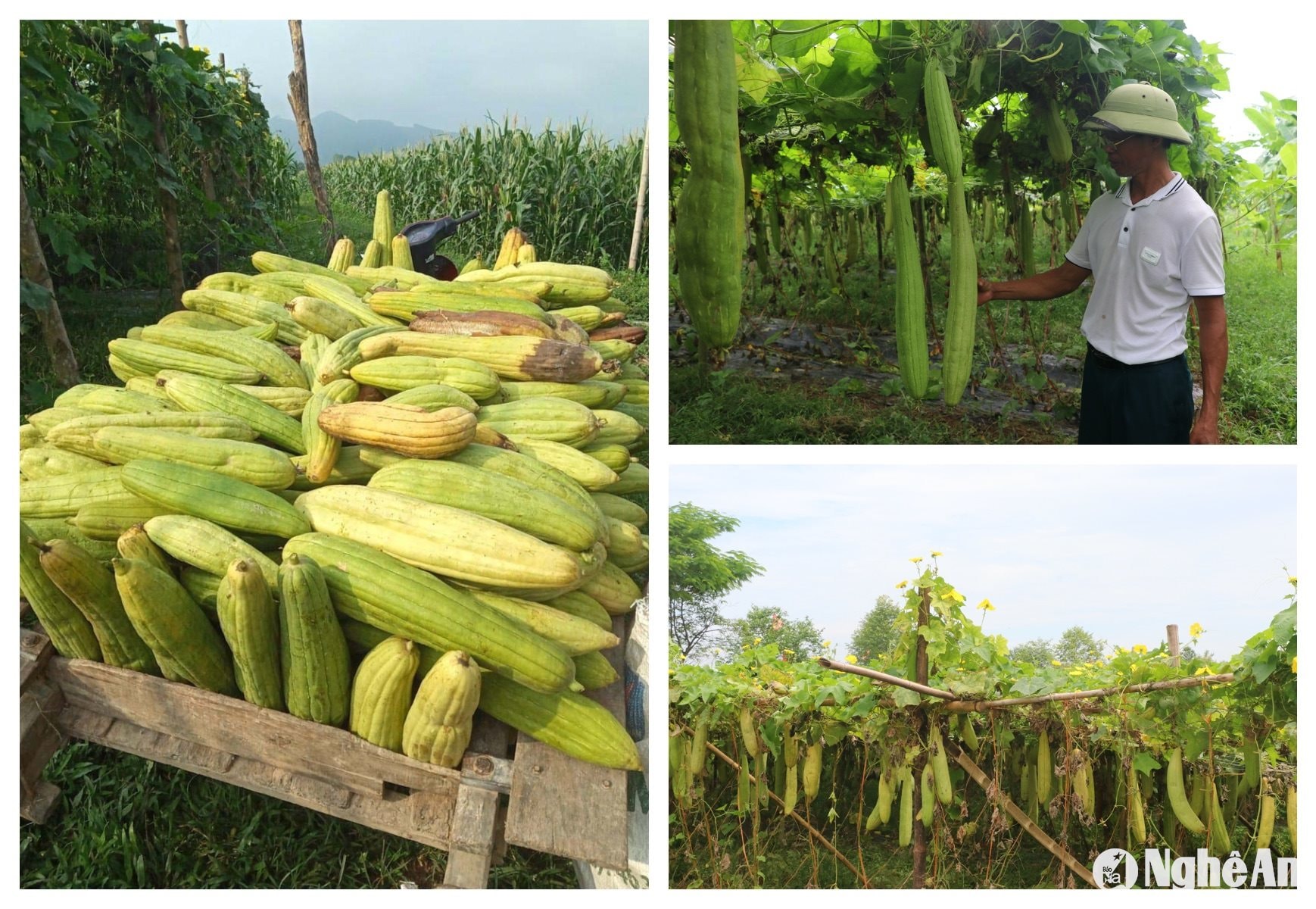
Farmers in Nghe An province earn 200 million VND/hectare from growing loofah for its fibers.
Thanh Phuc•June 16, 2024 16:46
After five months of planting and tending, farmers in Nghe An province are now beginning to harvest their loofah gourds for their fibers. Each crop yields approximately 200-220 million VND per hectare.
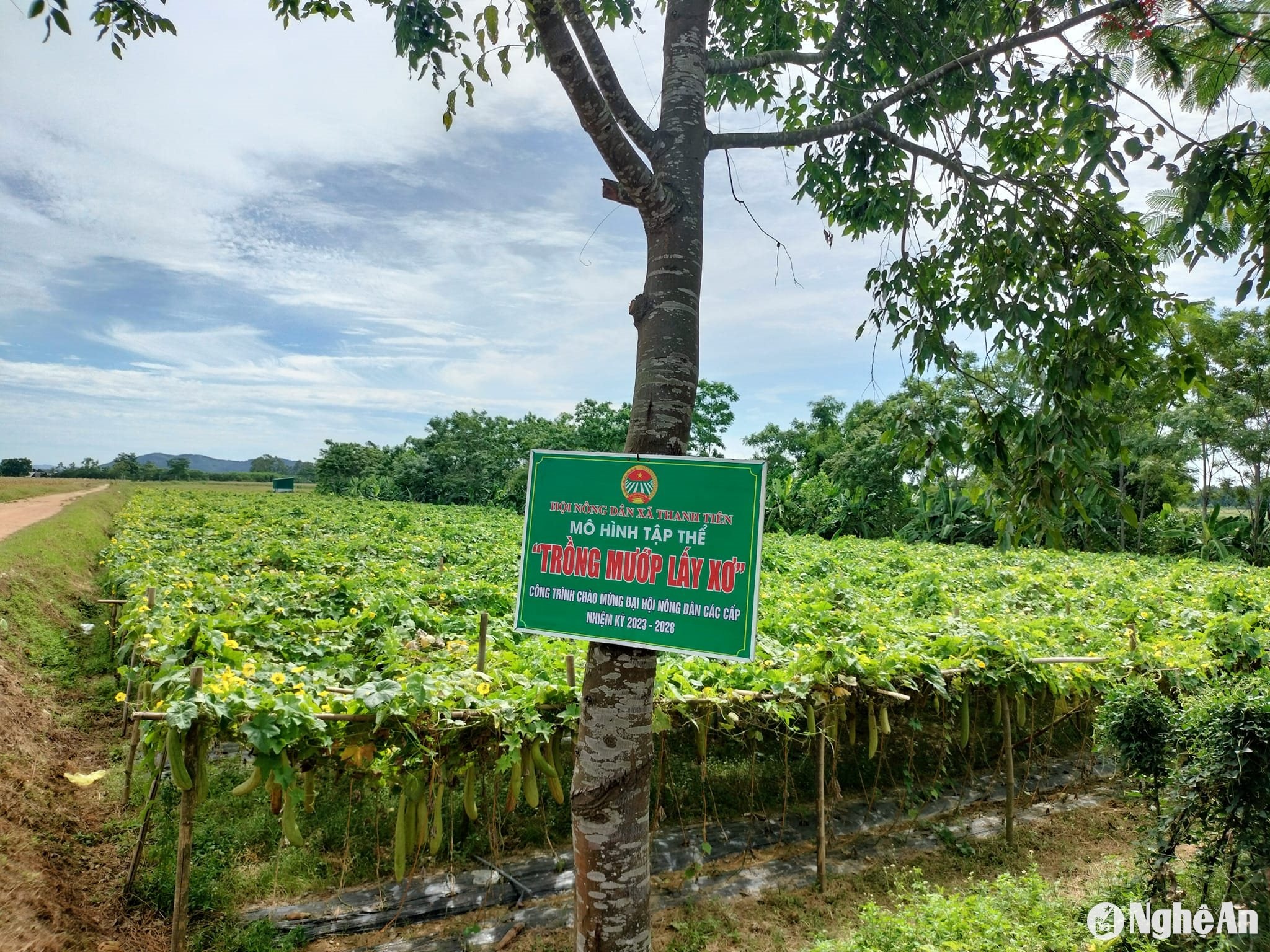
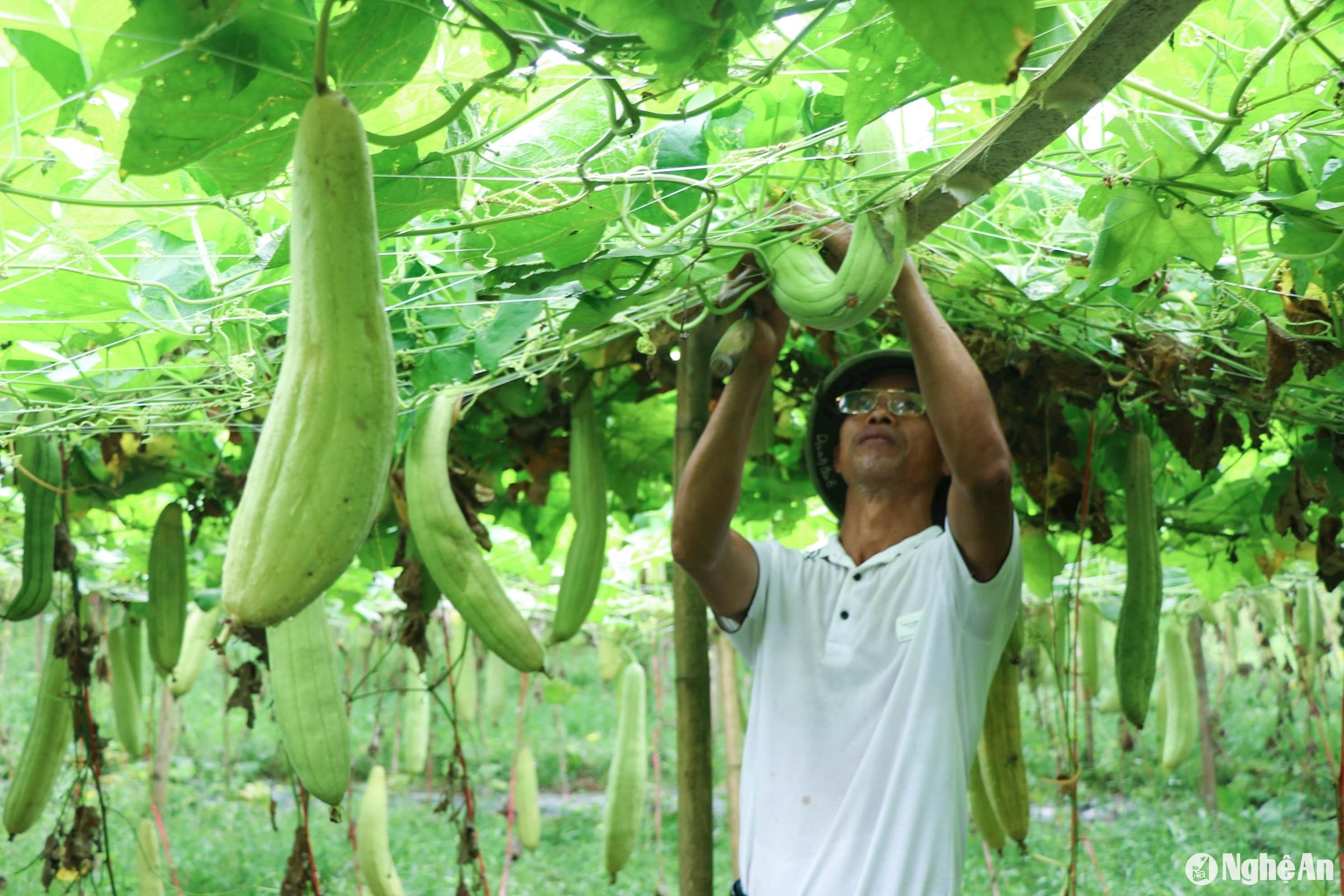
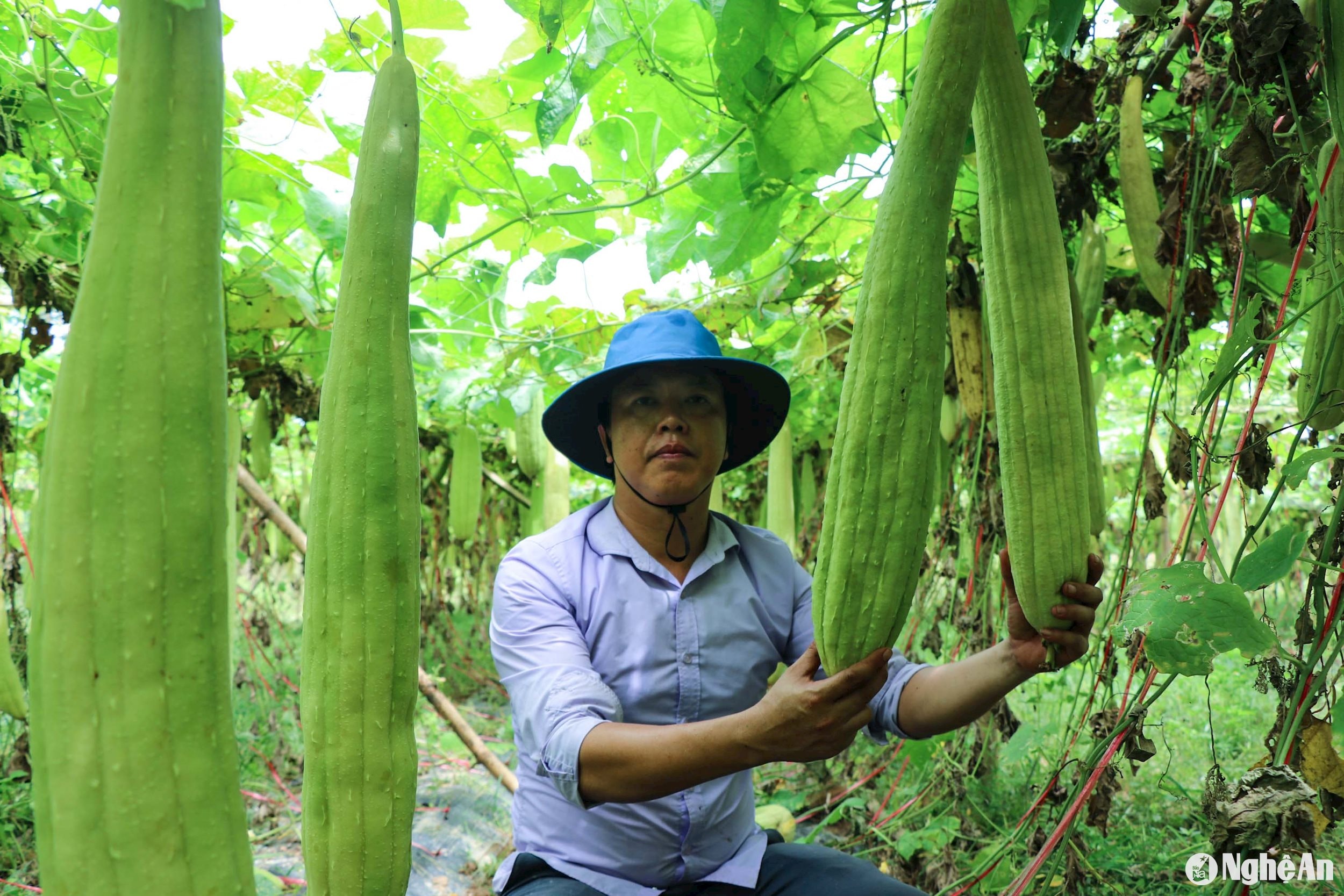
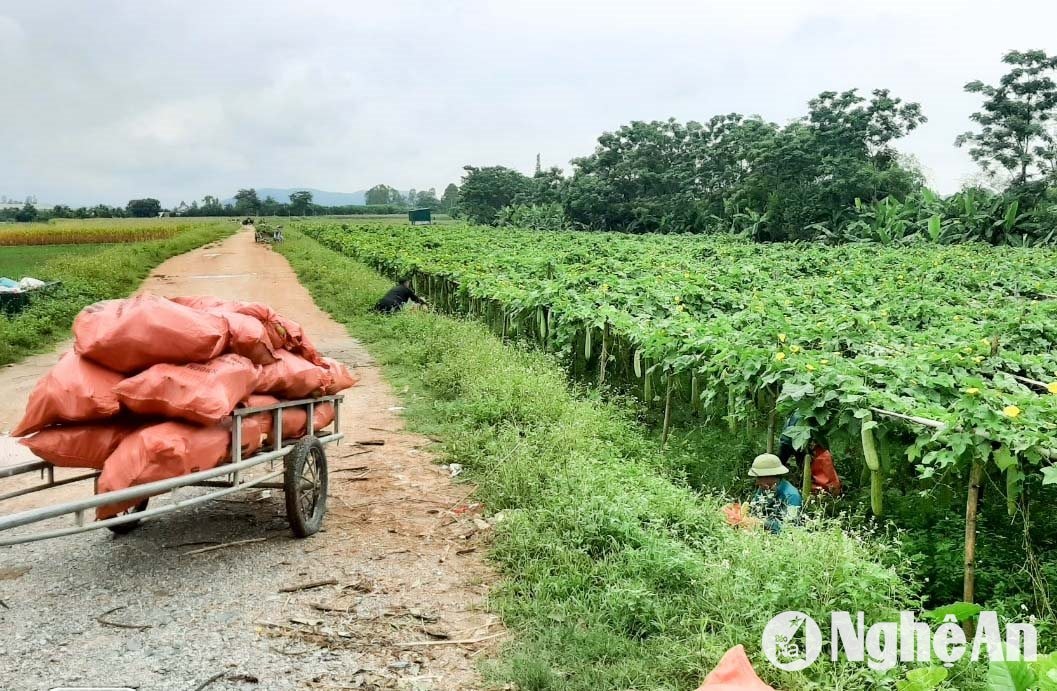
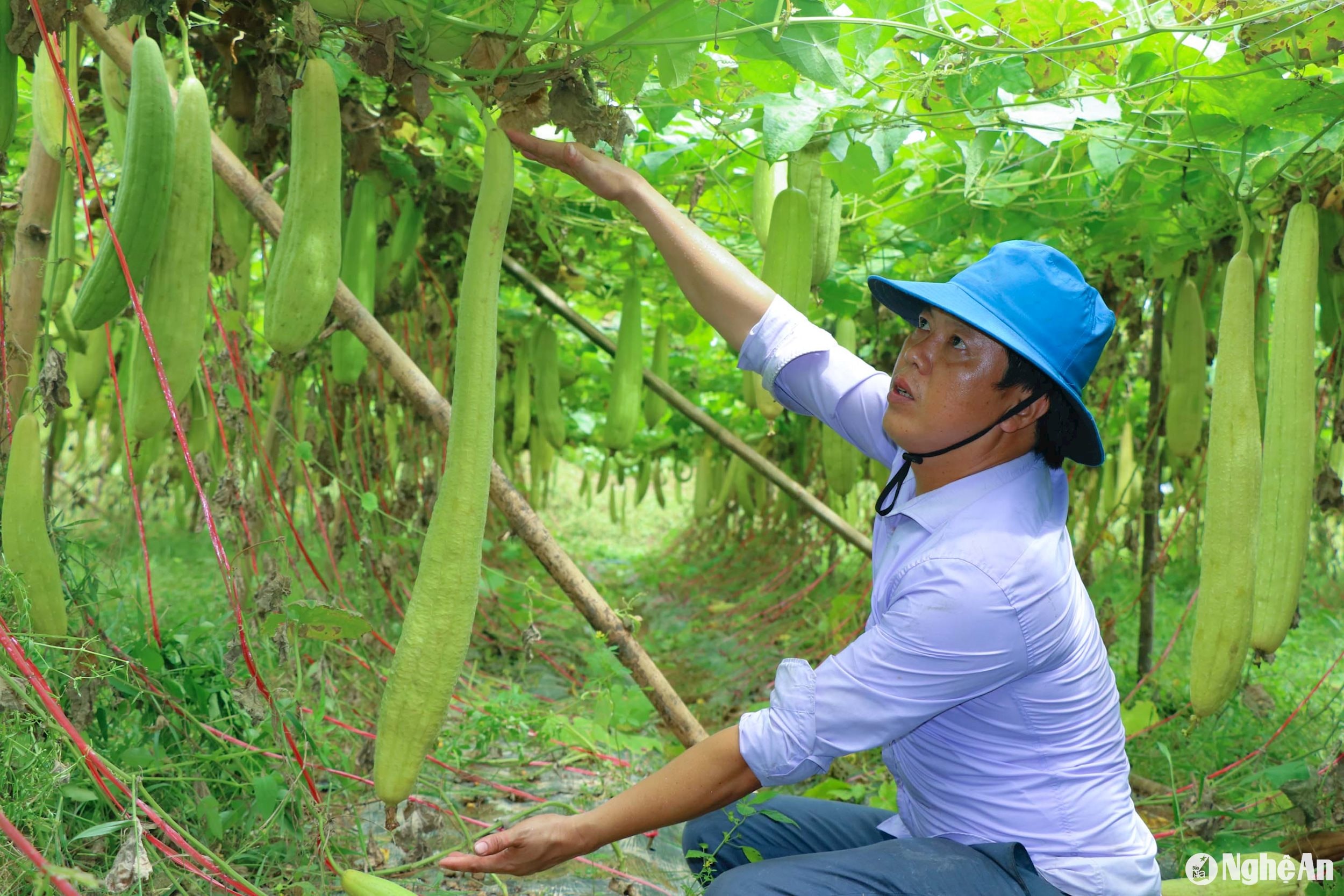
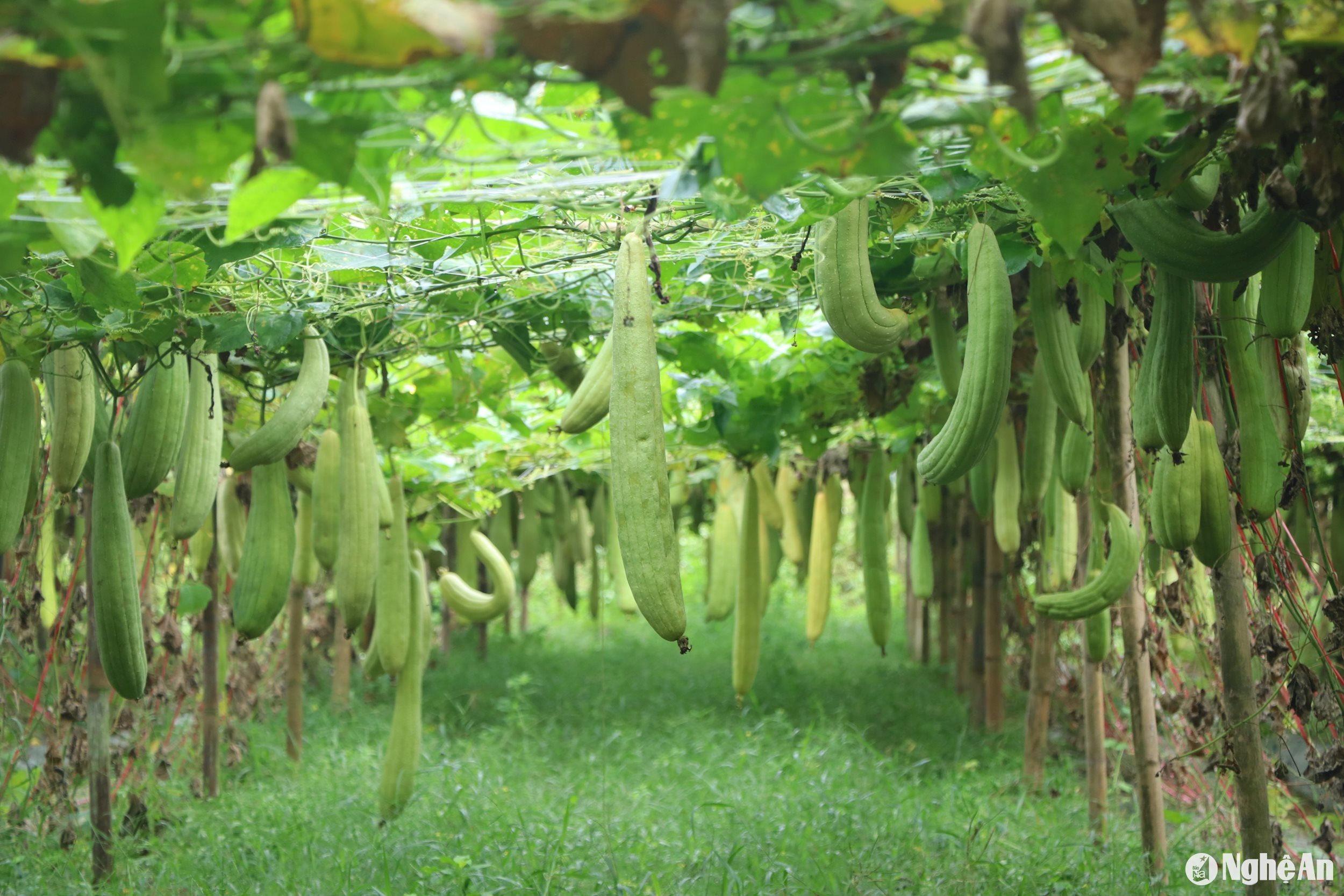
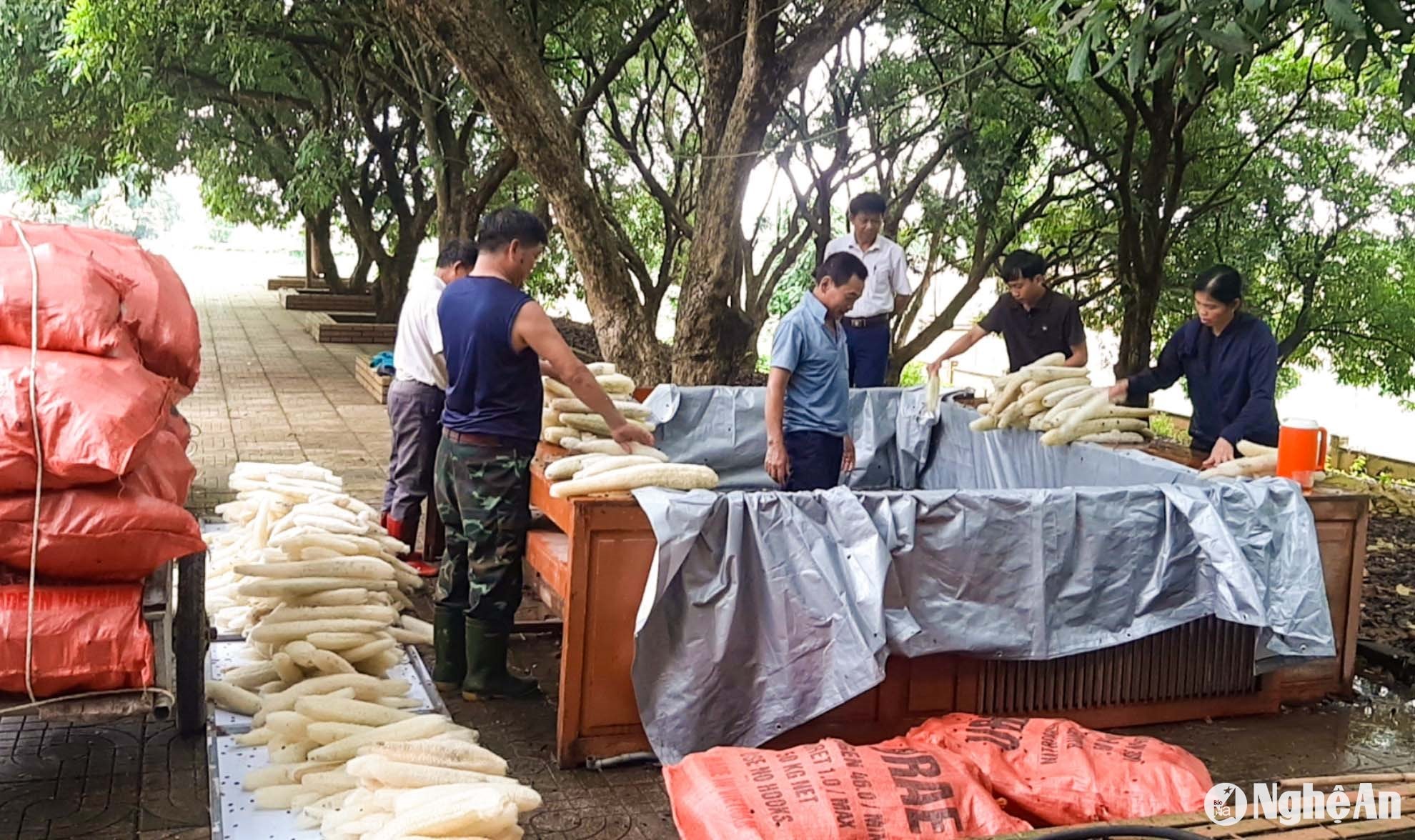
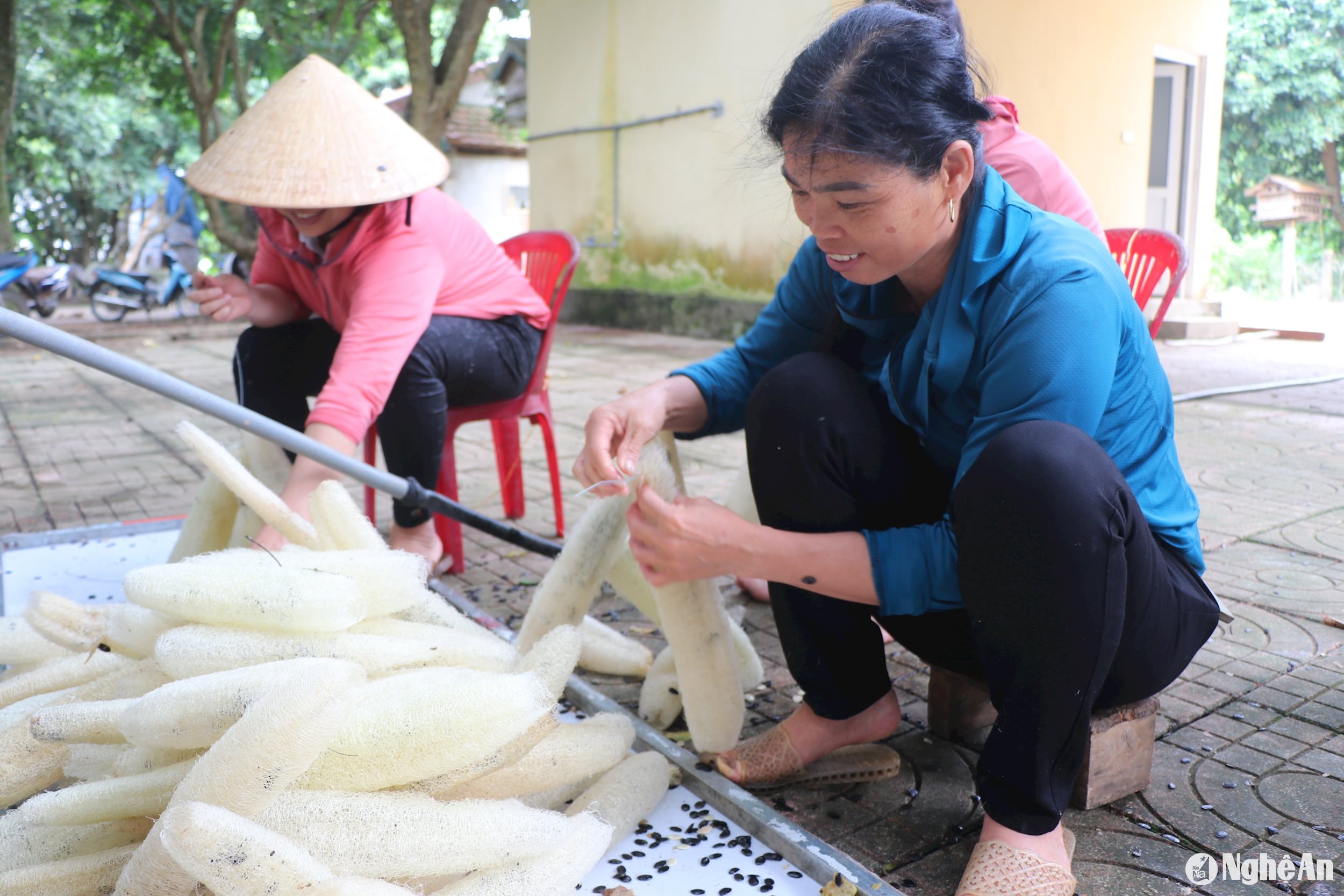
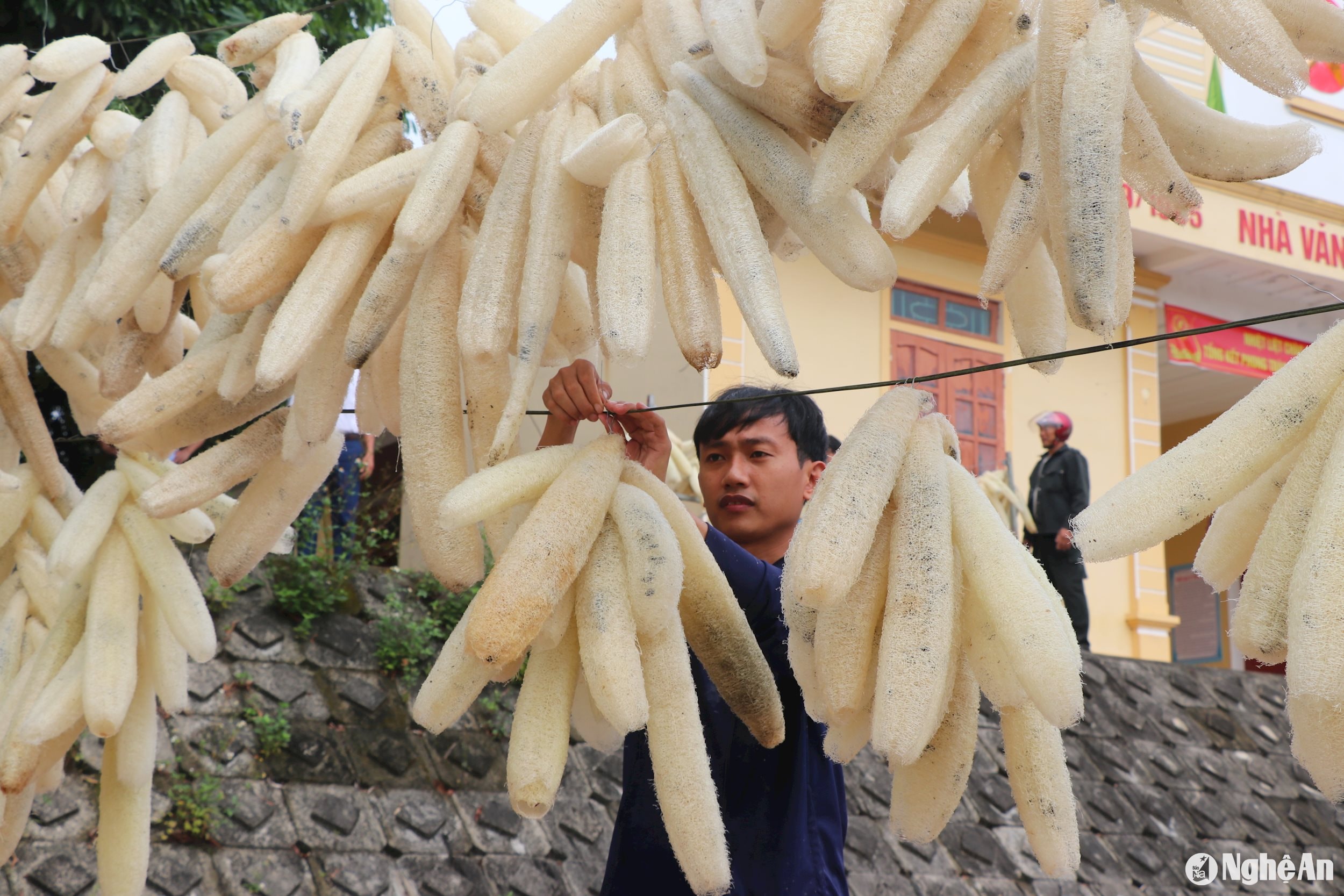
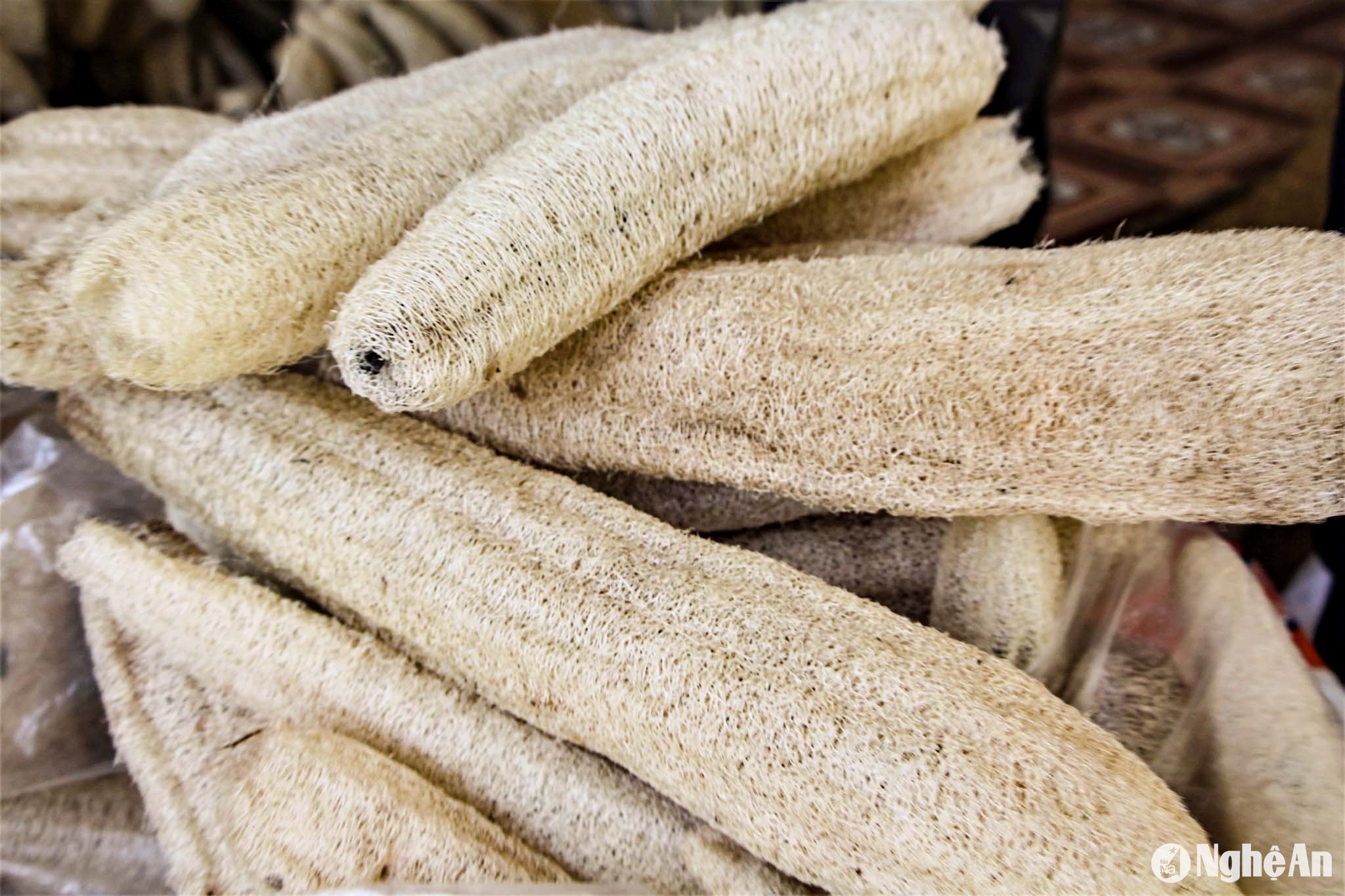
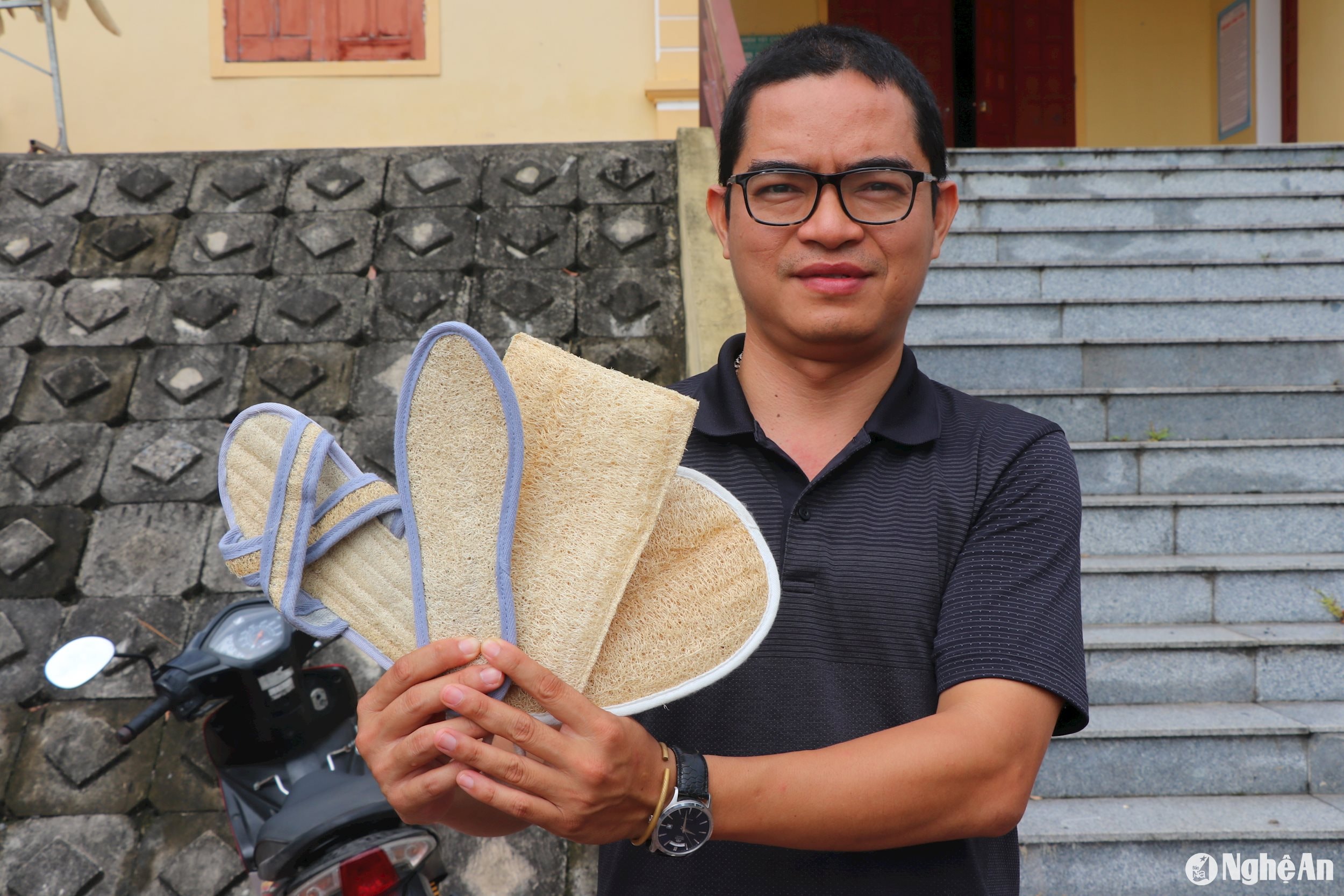
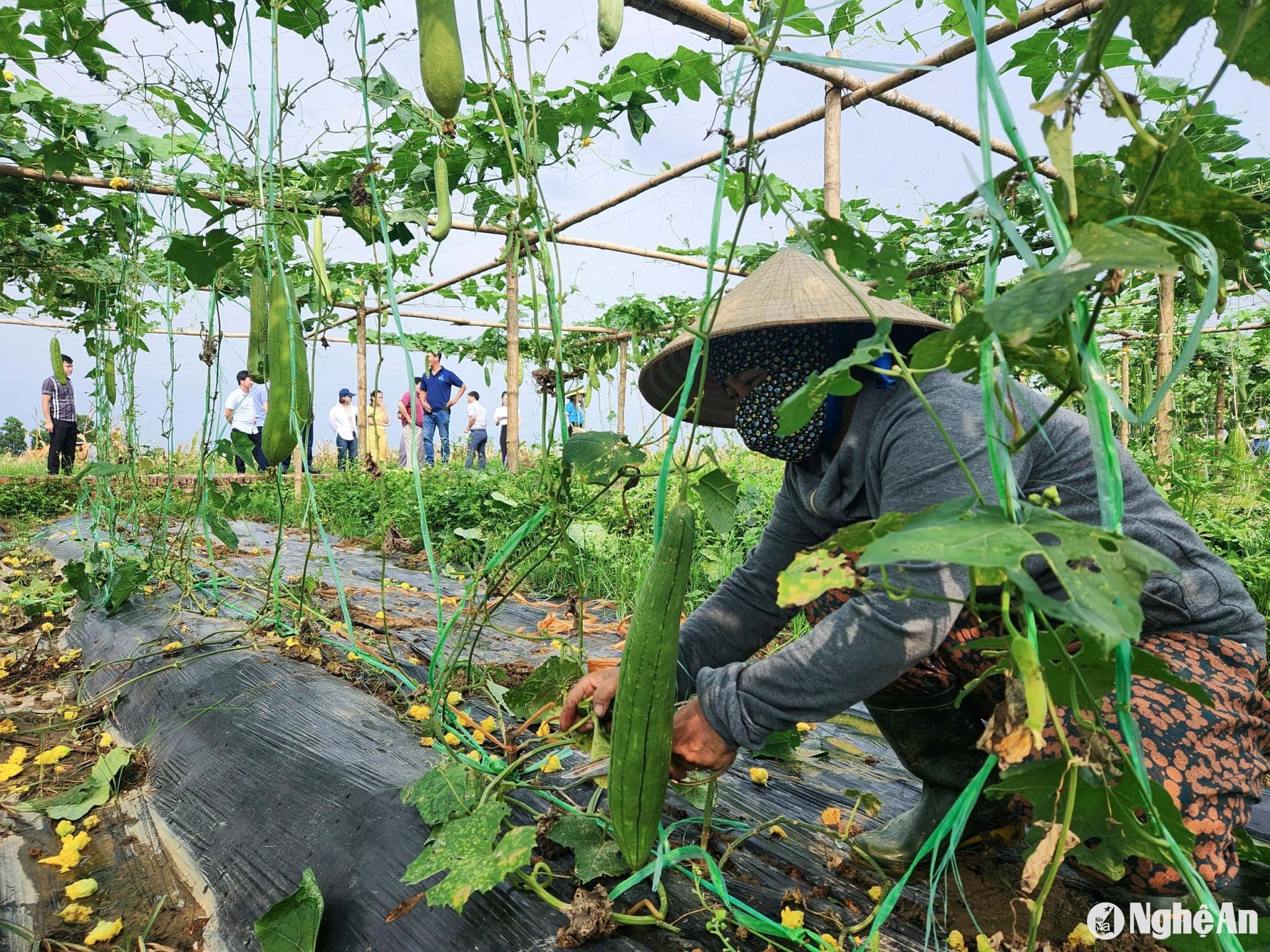
Starting in 2024, the Farmers' Association of Thanh Tien commune (Thanh Chuong district) implemented a model of growing loofah for fiber, with a total area of 11,000 square meters dedicated to this crop throughout the commune.2Photo: Thanh PhucThe fibrous gourd variety is a unique type, unlike the traditional gourds that people usually grow. These fibrous gourds have large, long fruits with white fibers, and are well-suited to the harsh weather conditions in Nghe An province. (Photo: Thanh Phuc)Currently, four different varieties of loofah are being grown on a trial basis in Thanh Tien commune. Initial results show that these varieties are suitable for the local climate and soil conditions, producing abundant and large fruits. Photo: Thanh PhucLuffa plants are planted in January and February each year. After two months, the young fruits can be harvested. "We have to thin out the young fruits so the plant can focus on nourishing the larger, longer, fibrous fruits. With their sweet and crunchy characteristics, young luffa are popular in the market and bring growers an additional income of 4-5 million VND per sao (approximately 1000 square meters)," said a luffa grower in Thanh Tien commune. Photo: Thanh PhucFavorable weather conditions, coupled with strict adherence to cultivation procedures and techniques, resulted in large, uniformly sized gourds, some reaching lengths of 80-90cm. Photo: Thanh PhucUnlike commercially grown gourds, those grown for their fibers are harvested when the fruit turns yellow, the stem begins to blacken, feels light when lifted, and the skin crumbles easily when gently squeezed. Photo: Thanh PhucAfter harvesting, the loofah gourds are pounded to crack the outer skin, then soaked in water to allow the skin to separate naturally. Next, the loofah fibers are shaken to separate the seeds from the fruit, and then soaked again in clean water to make the fibers clean and white. Photo: Thanh PhucLoofah sponges are bundled together and dried in the sun. Photo: Thanh PhucWith strong sunlight, mature loofahs will have white fibers, indicating they meet quality standards. Photo: Thanh PhucThe loofah sponges are entirely purchased by the affiliated company at prices ranging from 2,000 to 5,000 VND per sponge. Photo: Thanh PhucLoofah sponges are collected to produce household and handicraft products for export to European countries: bath sponges, scouring pads, dishwashing sponges, shoe insoles, handbags, etc. Photo: Thanh PhucAfter the first harvest, farmers continue to care for the plants to encourage further fruiting. Each gourd crop yields 4-5 harvests, lasting until October. On average, each hectare of gourd cultivation can yield 60,000-80,000 loofah fibers, generating an income of approximately 200-220 million VND, in addition to selling the young fruit. Furthermore, the gourd peels are also utilized by farmers to make bio-fertilizer. (Photo: Thanh Phuc)Currently, the model of growing loofah for fiber is being tested in several localities in Thanh Chuong, Con Cuong, and Vinh City. Afterwards, an evaluation of its effectiveness will be conducted, and it will be expanded to a larger scale, adding another crop option for localities to choose in responding to climate change. Photo: Thanh PhucClip: Thanh Phuc