The ancient beauty of Hoang Ta Thon Temple in the rice-growing region.
Huy Thu•July 16, 2024 20:08
Having existed for hundreds of years, the Hoang Ta Thon Temple in Long Thanh commune (Yen Thanh district) is an important historical site dedicated to General Hoang Ta Thon, the "Great General of the Sea," in Nghe An province.
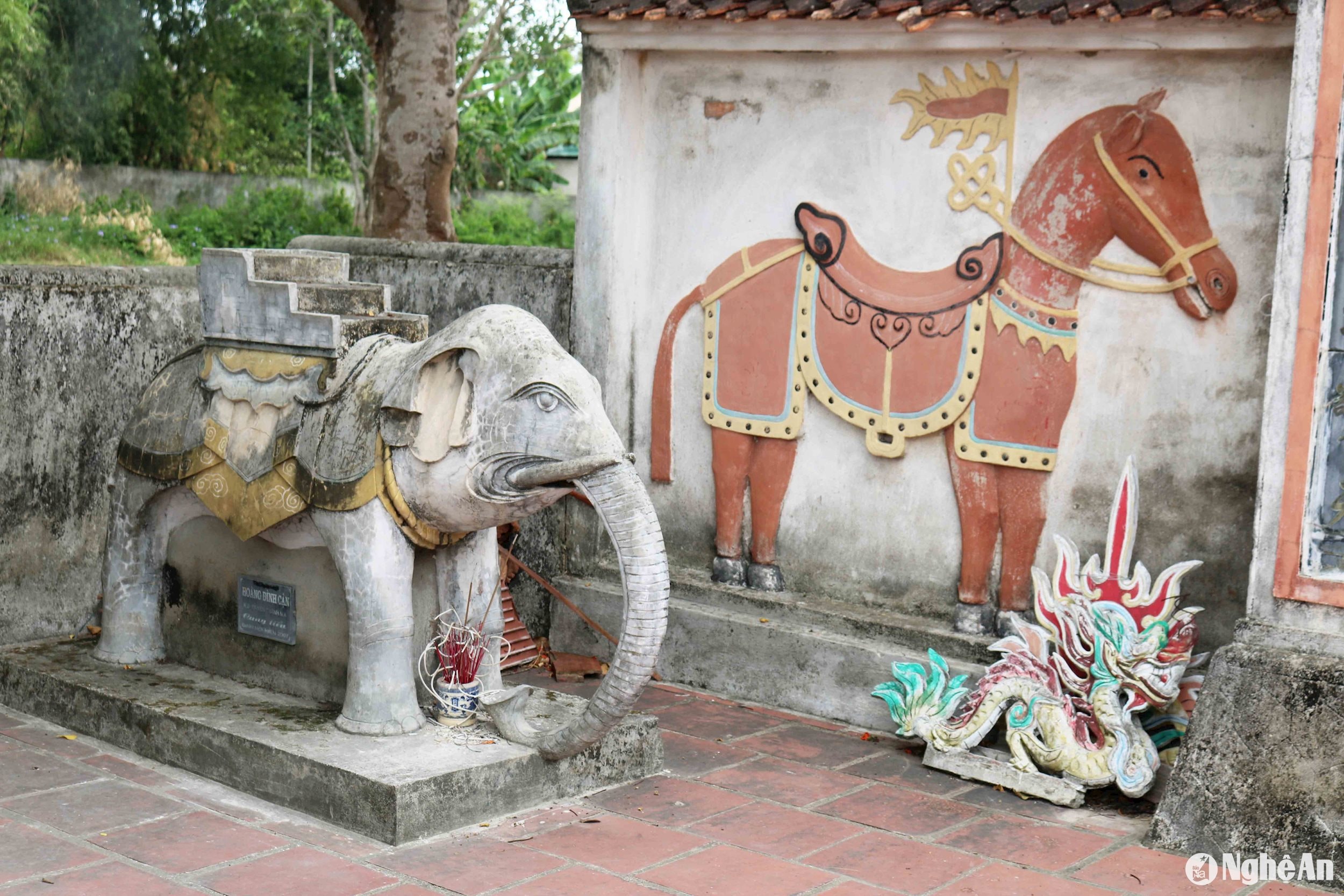
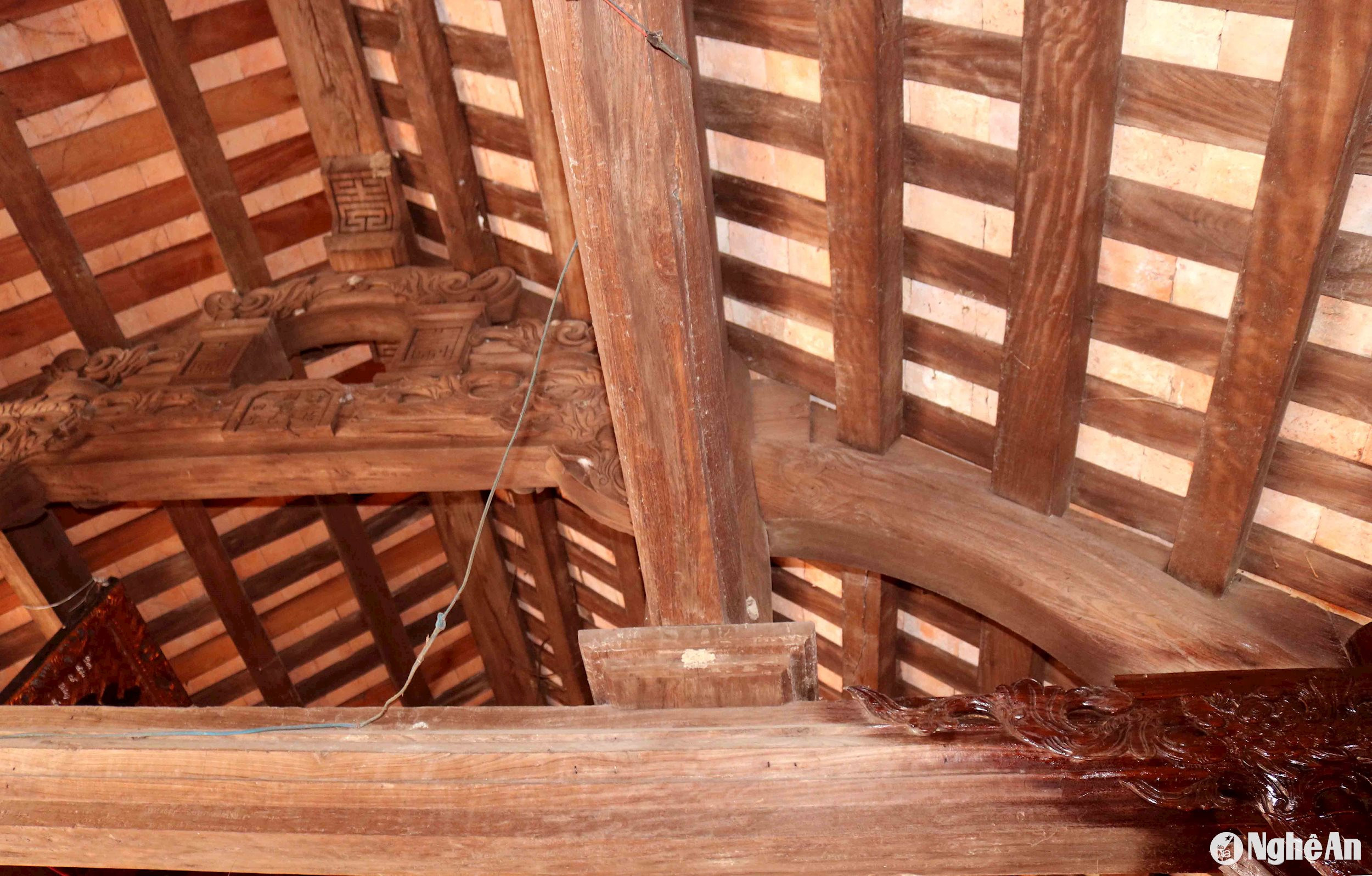
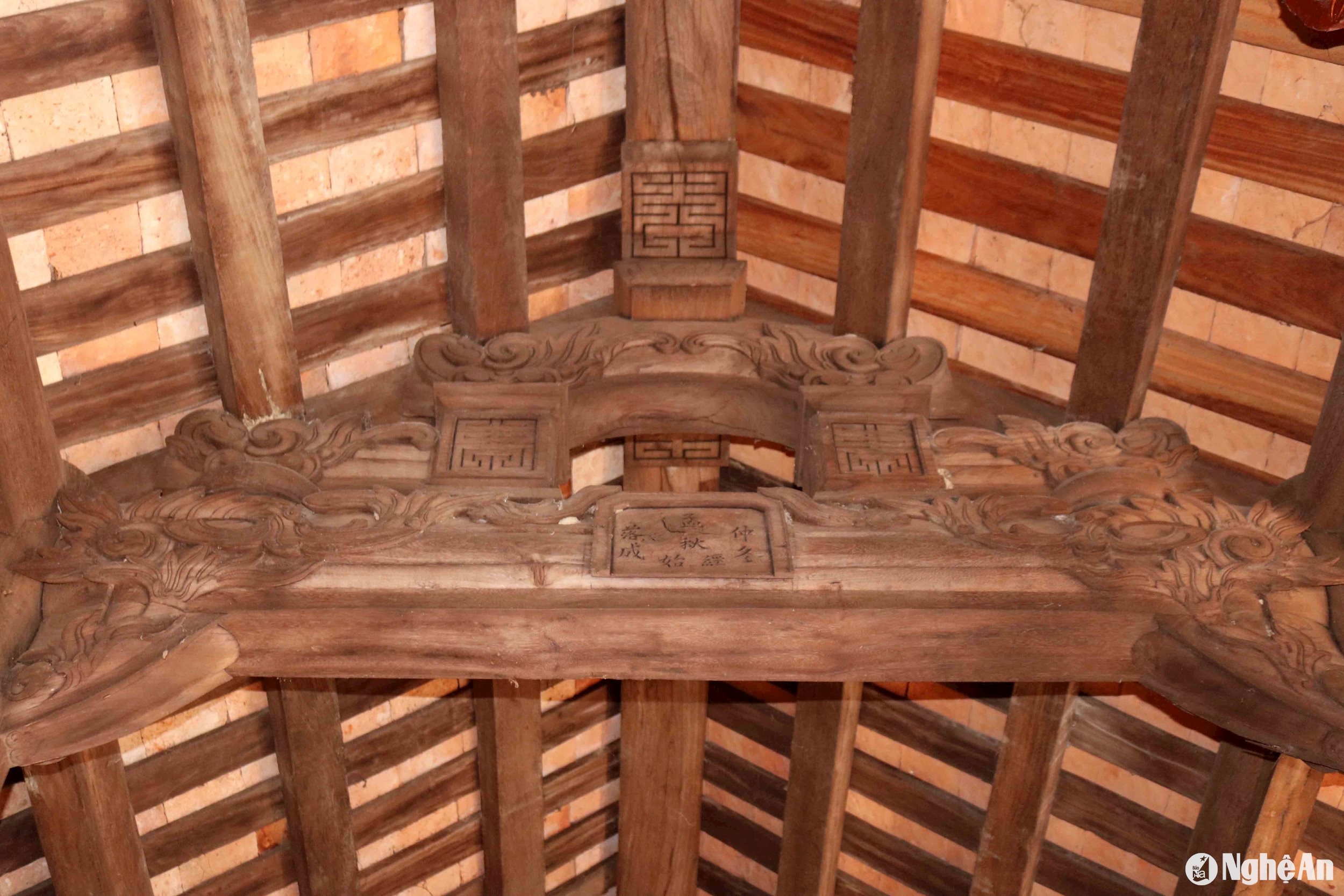
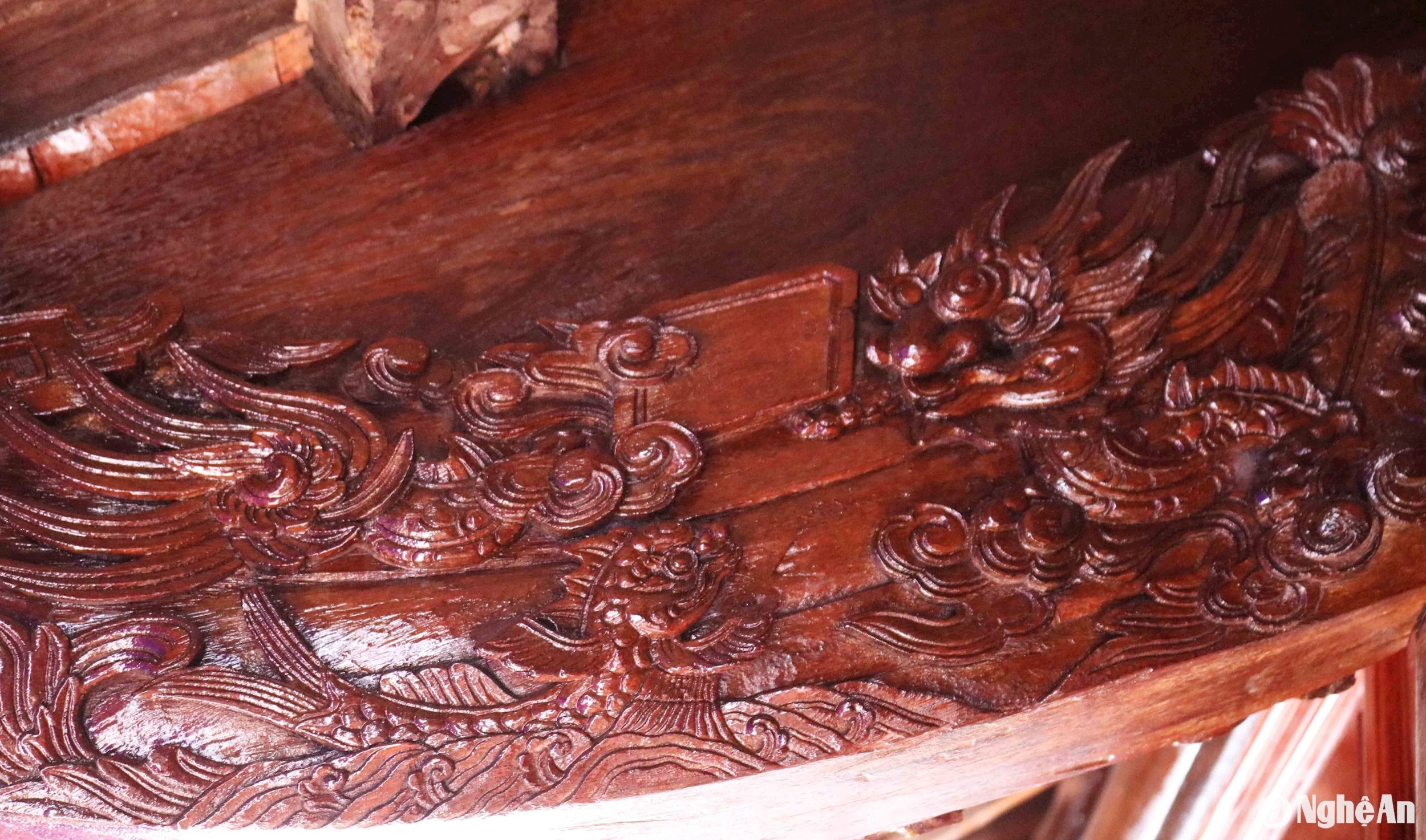
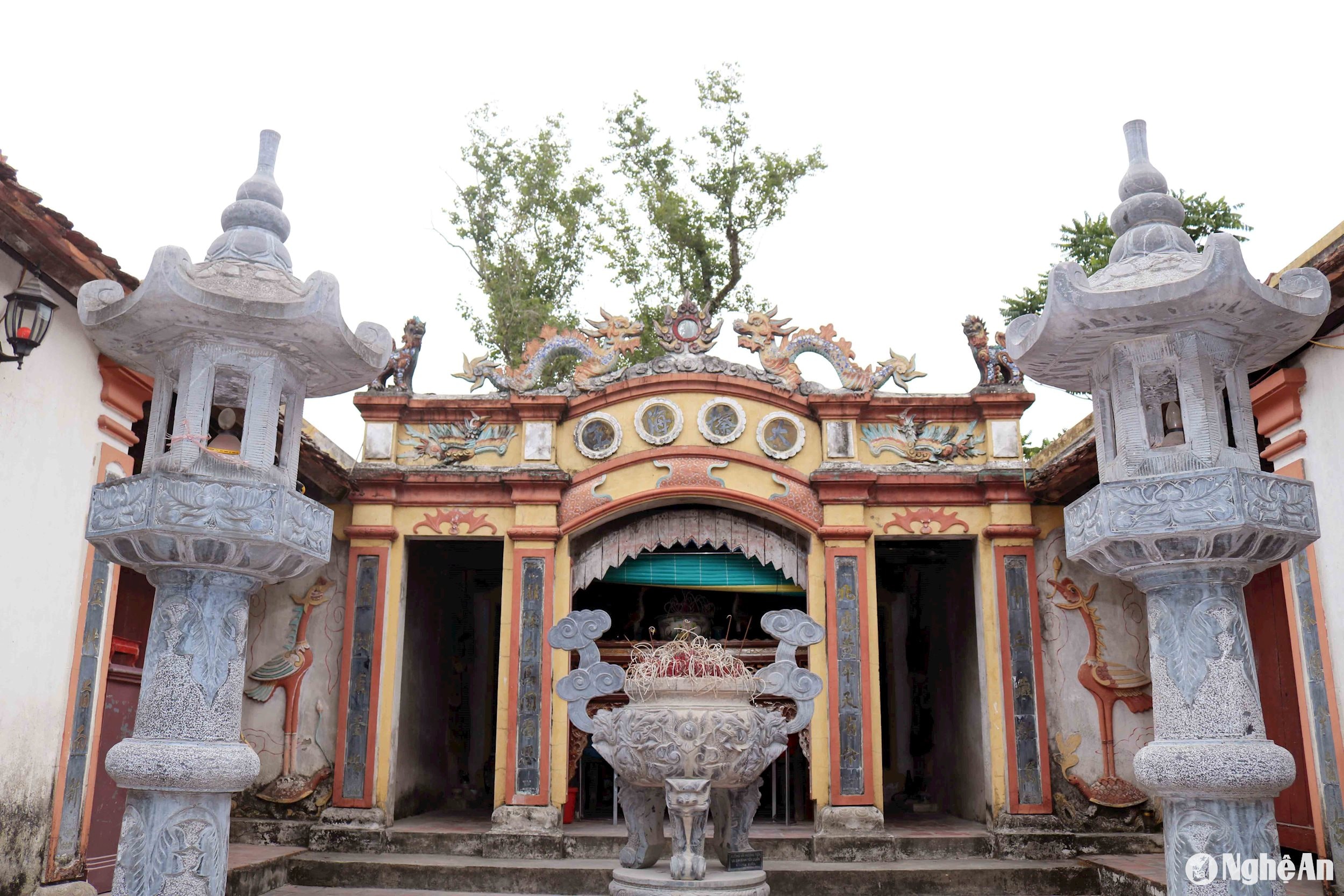
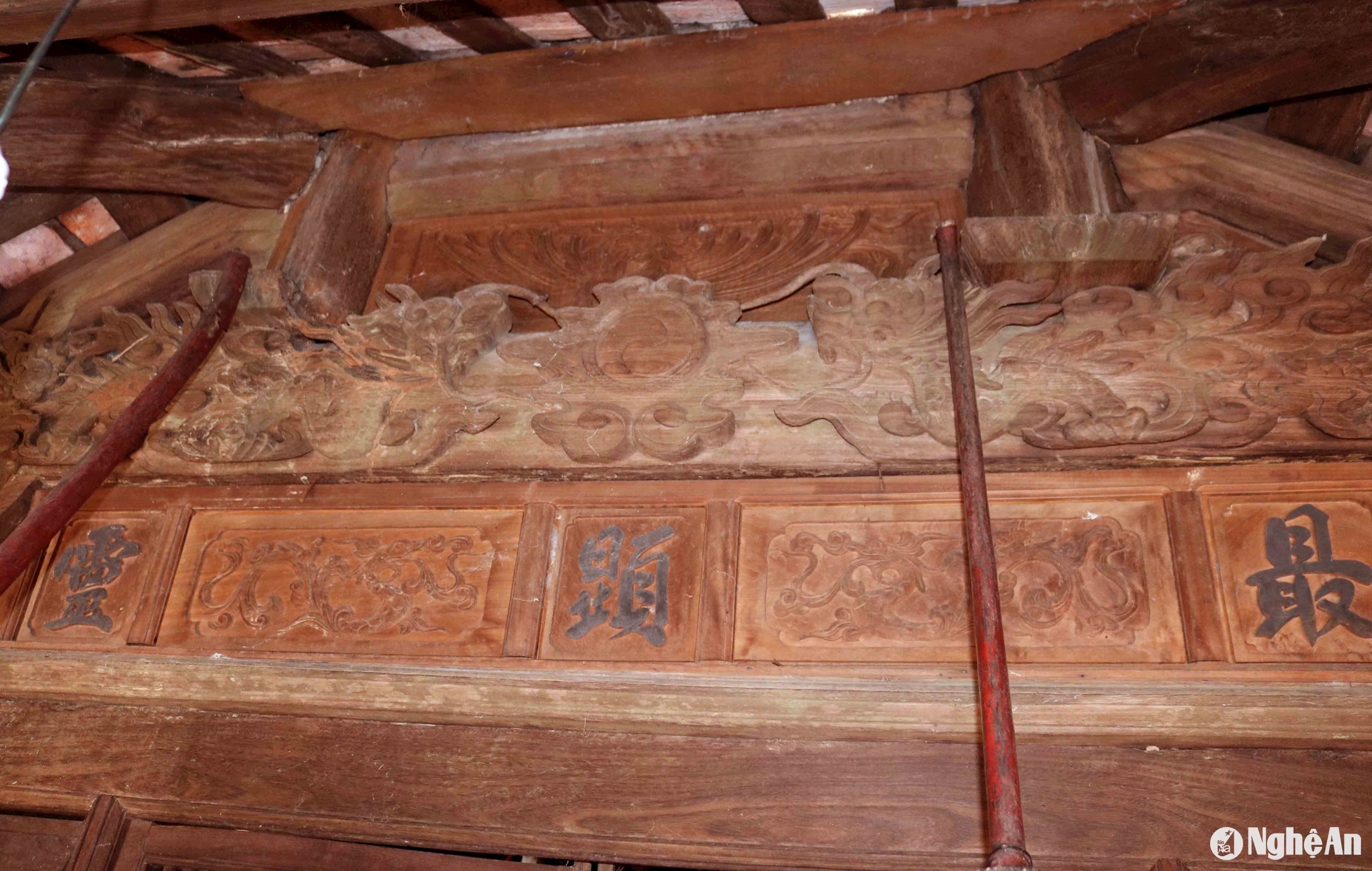
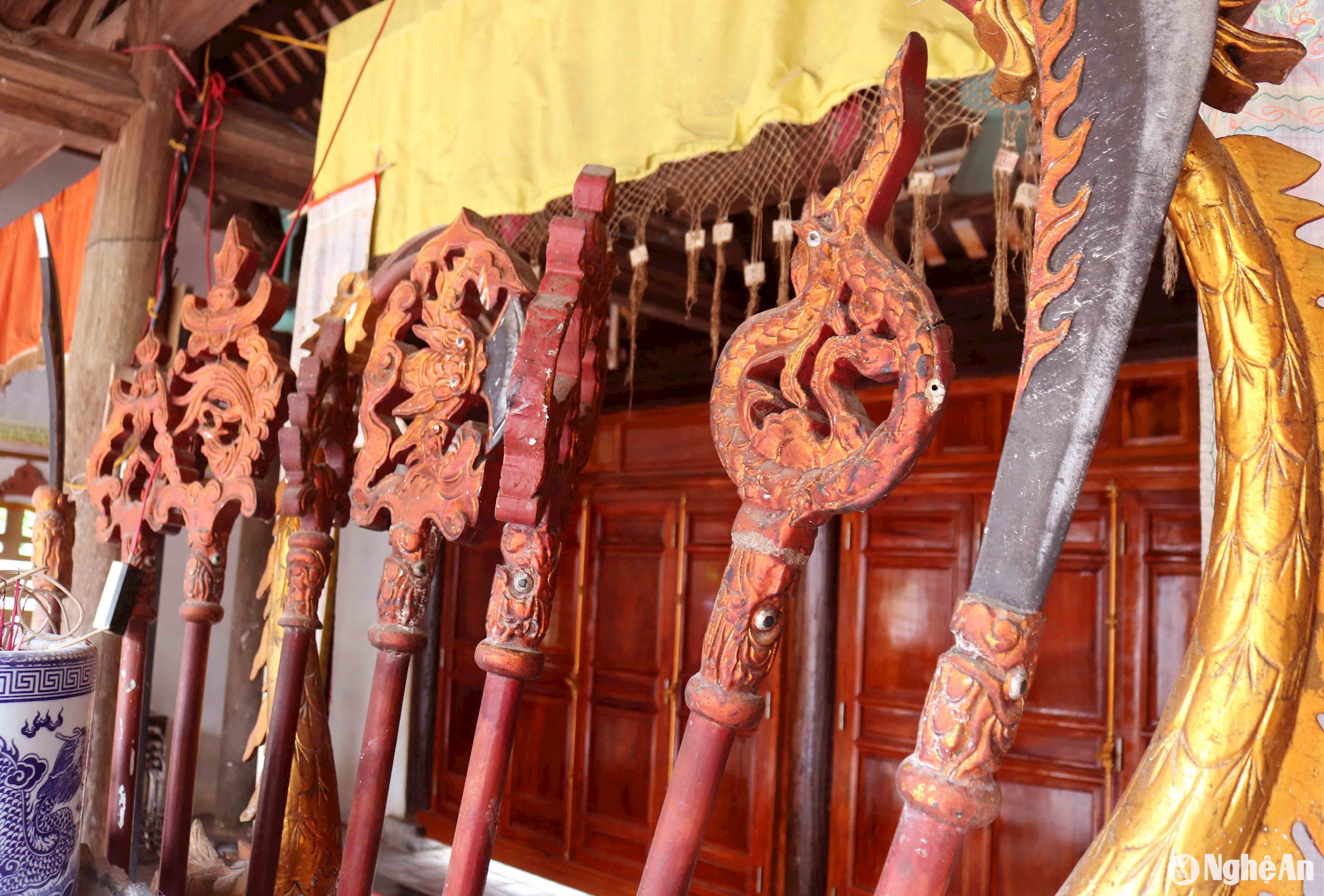
Hoàng Tá Thốn (1254 - 1339), born in Vạn Phần village, now Diễn Vạn commune (Diễn Châu district), was a renowned general during the Trần dynasty who made significant contributions to repelling the Mongol invaders in the 13th century. He was bestowed the title of Sát Hải Chàng Lại Đại Tướng Quân (Great General of the Sea), granted the title “Minh Tự,” and commanded naval forces, overseeing 12 seaports. He chose Thiên Bồng, also known as Vạn Tràng village, now part of Long Thành commune (Yên Thành district), to establish a farm... After his death, many localities erected temples to honor his contributions, including the Hoàng Tá Thốn temple in Long Thành commune. Photo: Huy Thư The Hoang Ta Thon Temple in Long Thanh commune, dedicated to General Hoang Ta Thon, was established in ancient times, rebuilt during the Nguyen dynasty, and has been restored and renovated many times since. The temple is located on a beautiful plot of land in Van Trang hamlet, surrounded by lush greenery all year round. Photo: Huy Thu Currently, the temple has a gate, a main entrance, a worship hall, a sanctuary, a literary hall, a martial arts hall, etc., built from various materials: wood, lime mortar, bricks, fired tiles, stone, earthenware, porcelain... The worship hall is a three-bay, two-gable building with a yin-yang tiled roof, built according to traditional architecture. Photo: Huy ThuOn either side of the main hall stand two pillars connected to two rows of walls adorned with majestic elephant and horse sculptures. It is known that after a long period of deterioration, in 1992, descendants of the Hoang family contributed labor and resources to a major restoration. Over time, this historical site has continued to be restored and renovated. Photo: Huy ThuThe wooden frame of the main hall has a structure typical of the local style, featuring a front-pillar structure, three-tiered eaves, and a gong stand. The beams and rafters are beveled like starfruit leaves. Four additional pillars are placed on the rafters to support the system of purlins, crossbeams, and roof tiles, making the house more airy yet sturdy. Photo: Huy ThuThe main hall has four trusses, the roof trusses are decorated with carvings of flowers, leaves, clouds, waves, etc., quite gracefully and softly. The inscription in Chinese characters indicates the construction date: "Tu Duc twelfth year. Construction started in mid-autumn, completed in mid-winter, the twelfth year of Tu Duc - 1859." Photo: Huy ThuBoth sides of the altar's raised beams are elaborately carved and sculpted. The images of the "four mythical creatures" are vividly depicted through skillful relief carving. Photo: Huy ThuThe main hall is a two-bay structure. The front of the main hall is designed like a screen, with three entrances separated by four pillars. The pillars and wall sections are decorated with couplets, sculpted images of "Two Dragons Facing the Moon," phoenixes, and the four Chinese characters "Sát hải Đại vương" (Great King of the Sea). Photo: Huy ThưThe main hall's wooden frame is made of ironwood, with a truss structure in the style of a gong stand. The main hall of Hoang Ta Thon Temple most prominently displays the beauty of the monument's wood carvings, depicting familiar themes such as dragons, phoenixes, and tiger-faced figures. The lower main hall features a carved "two dragons facing the moon" motif with two dragon heads opening their mouths wide and intricately carved. Below, the wooden panels are carved with floral patterns and three large Chinese characters: "Toi Linh Tu" (The Most Sacred Temple)... Photo: Huy ThuDespite numerous renovations and restorations, the temple has retained its original architecture. Many valuable ancient artifacts are still preserved there, such as altars, incense holders, dragon thrones, dragon palanquins, and wooden swords. The temple has been recognized as a National Historical and Cultural Monument. It is not only a place of spiritual and cultural activity, reflecting the local people's tradition of remembering their roots, but also an important destination for sightseeing, learning, and researching about General Hoang Ta Thon of Nghe An. Photo: Huy Thu


.jpg)
.jpg)
.jpg)