
Thanh Chương is proud and continues to follow in its footsteps!
The announcement of 555 names for Thanh Chuong, commemorating the 94th anniversary of the Party Committee and people of the district, is an opportunity to further affirm the noble qualities and fine traditions of the people and land of Thanh Chuong. From there, it will elevate these traditions to a new level in the era of integration and development.
.png)
August 10, 2024

Thanh Chuong is an ancient land with a long history. According to archaeologists, more than 20,000 years ago, primitive Vietnamese people belonging to the Son Vi culture lived on Rang Hill and Dung Hill.
This area was formerly known as Ham Hoan, then Cuu Duc, and finally Tho Du. During the early Le Dynasty, Dai Viet enjoyed peace and prosperity; in 1469, King Le Thanh Tong ordered a redrawing of the national map and named the district Thanh Chuong.
According to family genealogies, from the 11th and 12th centuries onwards, there were many large-scale migrations from the North to the South to expand territory, or due to war, banditry, or the search for a livelihood. "Where the land is good, birds will flock," and the Lam Giang valley became a settlement for groups of people, including scholars, noble families, and those who had fallen on hard times, waiting for their opportunity. They formed a community, weathering natural disasters and banditry, enduring through time, regardless of rain and wind.
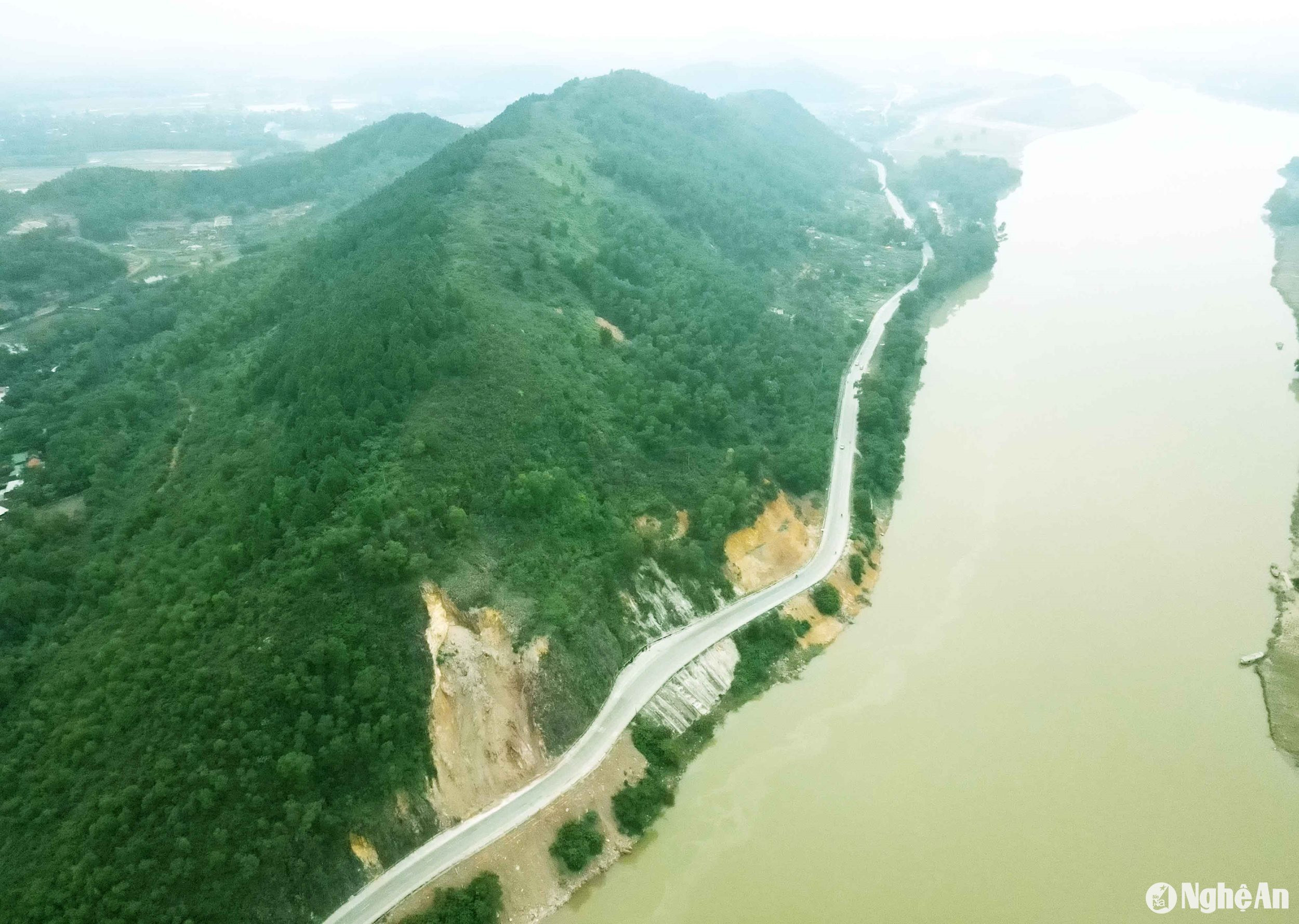
Nature does not generously bestow readily available resources; but it has left behind river formations and mountain ranges that both nurture and challenge, enough to instill in people profound values and unwavering determination. "Land bordered by three treacherous rivers / Mountains shaped like countless galloping horses,"... the Giang, Trai, Ro, and Gang rivers flow and intertwine with the Lam Giang River; the Thien Nhan, Dai Can, Thap But, Giang Man, Kim Nghe, Phuong Hoang, and Ngoc mountains,... have entered history alongside poetry, songs, music, and art.
The geographical isolation, the harsh climate, and the constant warfare have forged and crystallized a community with unique qualities, deeply rooted in the "Nghe An character and brand": "Ideals in the soul - Loyalty in nature - Hardship in daily life - Resilience in social interactions,"...
For over half a millennium, through countless ups and downs, the land and people of Thanh Chuong have remained steadfast and proud, making worthy contributions to the building and protection of the Fatherland and the revitalization of the country in every era.
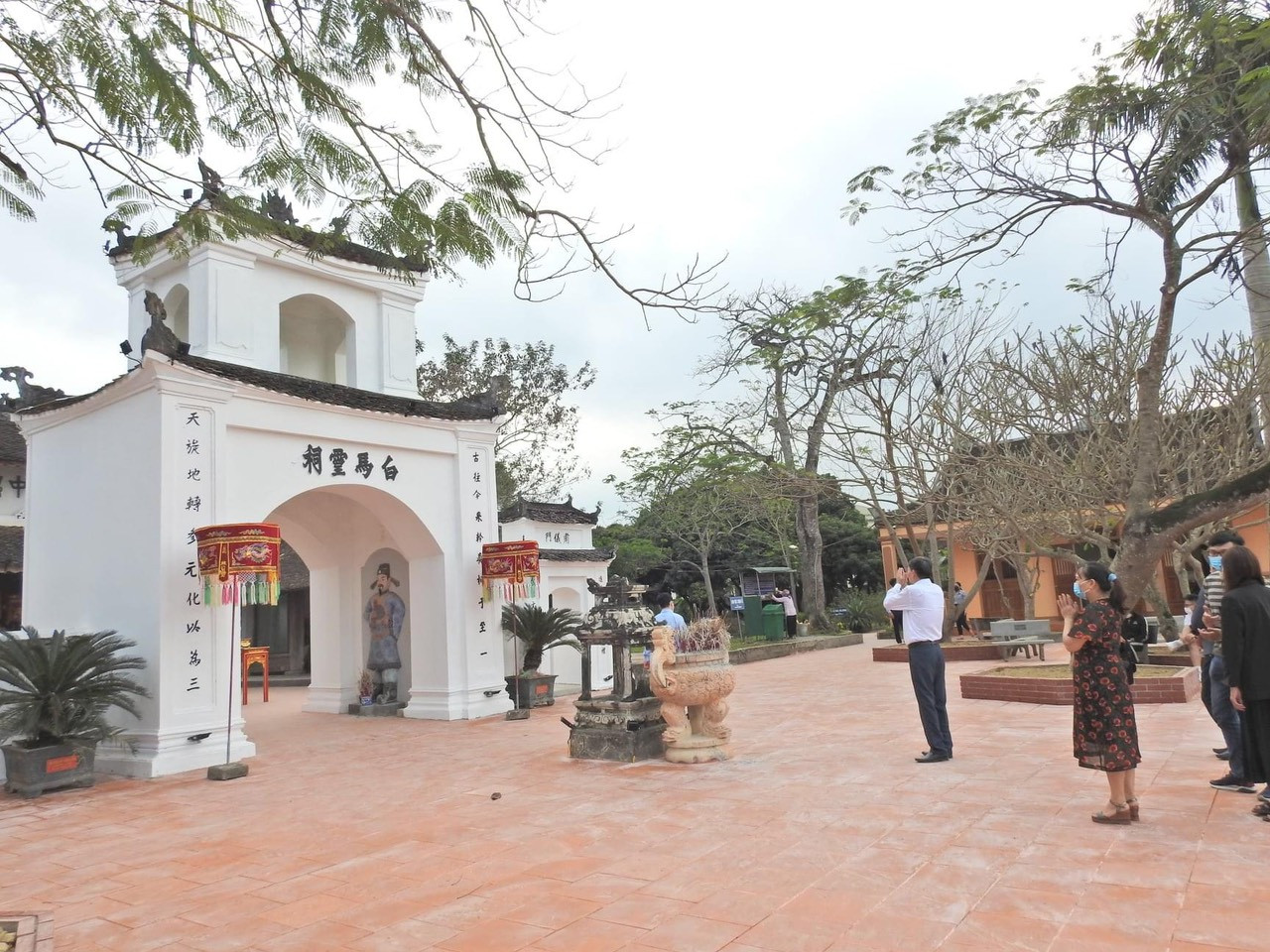
We are proud: From the 15th century, Phan Đà, the "Miraculous Child, White Horse God," along with thousands of militiamen, helped Lê Lợi's army win many resounding battles, striking fear into the hearts of the Ming army. After his death, his spirit continued to manifest, saving innocent people from natural disasters and epidemics, and assisting successive kings in defeating their enemies. The White Horse Temple became one of the four sacred temples of Nghệ An province.
We are proud: Dr. Dinh Bo Cuong, from an honest and diligent district magistrate, was personally selected by King Le Thanh Tong to serve as Minister of Justice. Upon retirement, he reclaimed land in the villages on the right bank of Cat Ngan commune, teaching the people how to irrigate their fields to combat drought. Remarkably, he possessed a vision that transcended centuries: 500 years ago, his method of "using agriculture to support Confucianism"—using agriculture to sustain learning—had a lasting influence on the "scholarly tradition" of Thanh Chuong.
We are proud that in the mid-15th century, during the Le-Trinh era, Do Ba Cong Dao, originally from Thanh Mai, was a well-traveled and knowledgeable man. He resigned from his official position and went to sea on a merchant ship to create maps. He is the author of the valuable "Tu Lo Chi Do" (Map of the Four Routes), which includes the precious maps of Truong Sa and Hoang Sa that have been preserved to this day.
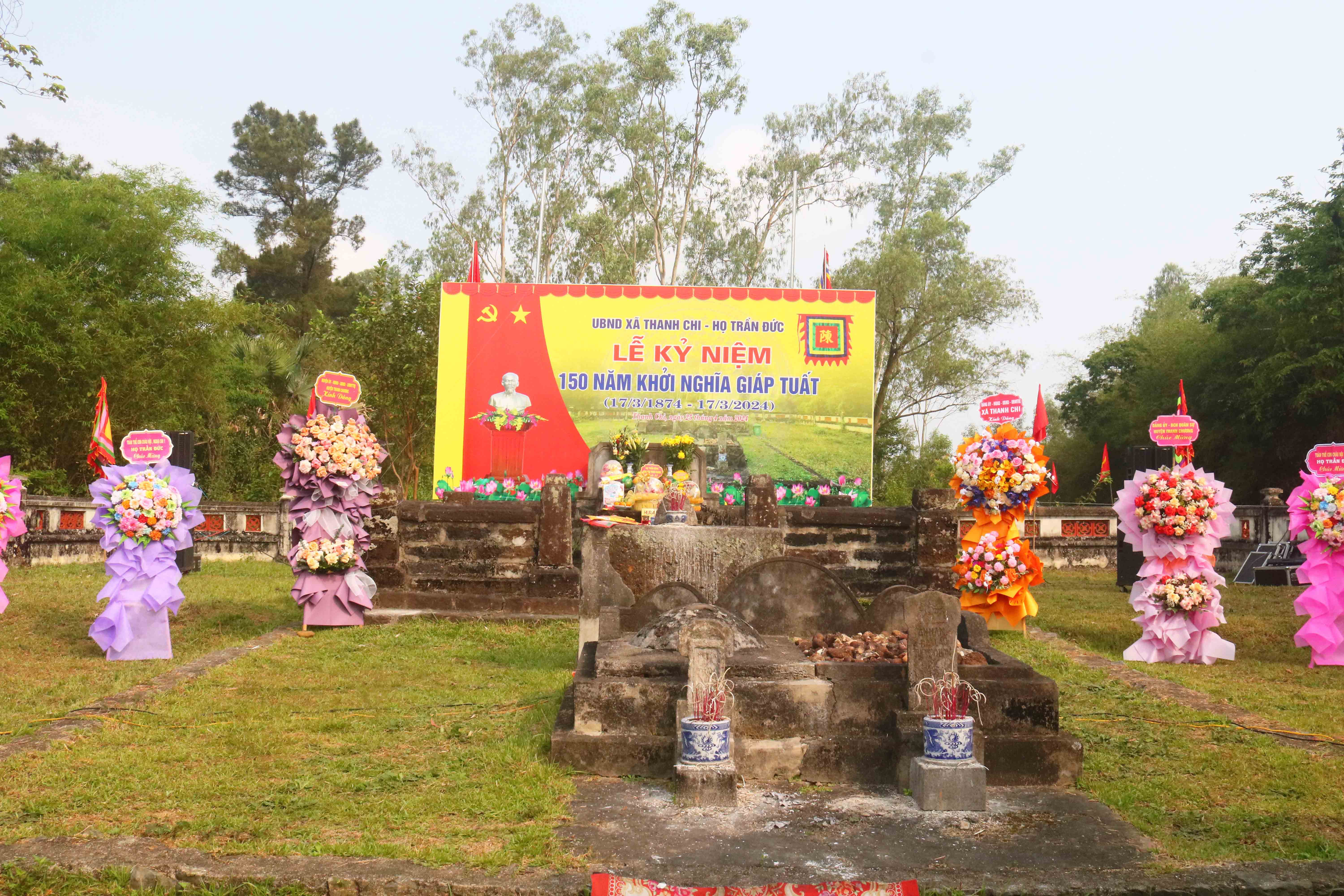
We are proud that in 1874, when the Hue Imperial Court signed the Treaty of Giap Tuat with France, an uprising led by the scholar Tran Tan and his student Dang Nhu Mai broke out in Thanh Chuong. Although it failed, this event exemplifies the noble spirit of nationalism, the struggle for national sovereignty, and leaves valuable lessons for the future struggle for national independence and freedom.
We are proud: In the early 19th century, in Vo Liet, there was Dr. Phan Si Thuc, who was both talented and virtuous, and also honest and upright. Even after retirement, he was still retained in his position. While serving as an official, he always remembered his father's advice: "You must make the people trust and love you, not make them fear or resent you." "He served as an official for over 40 years, yet lived a life of integrity in his thatched-roof, mud-walled house, his rice jar always empty, yet he remained calm."
We are proud: From the dawn of the Party's existence, on September 1, 1930, in Thanh Chuong, "a fierce demonstration unprecedented in Annam ever took place." Under the Party's leadership, 20,000 peasants rose up en masse, destroying the feudal district headquarters and establishing the first Soviet government in the country. History has recorded: "Compared to the movement throughout the province, the Soviets in Thanh Chuong were at the forefront in all three aspects: content of activities, forms of struggle, and duration of existence."
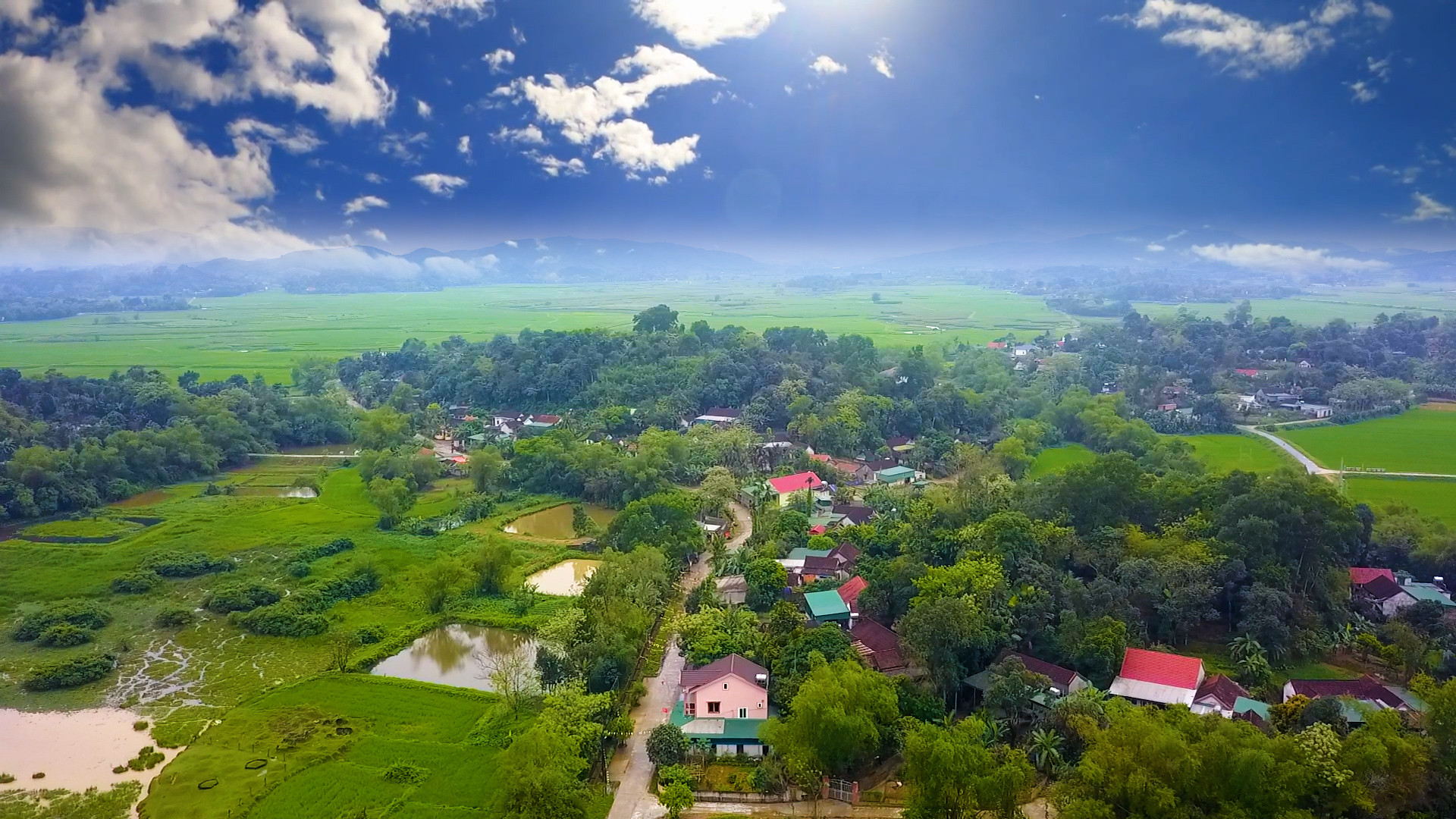
We are proud: Throughout the wars of national defense, Thanh Chuong has been a resilient land in combat, a loyal and steadfast rear base for the revolution. "Not a single grain of rice is lacking, not a single soldier is lacking," "Even if we have to fill in Rao Gang and level Ru Nguoc, we still ensure our vehicles can reach the front lines," "We don't hesitate to sacrifice our homes if the vehicles haven't passed," are heroic symbols of the time of fighting against the Americans. The district and 12 communes have been awarded the title of Heroic Unit of the People's Armed Forces by the Party and the State.
We are proud: This land, blessed with spiritual significance, has produced many outstanding individuals. This land has nurtured and fostered distinguished figures such as Phan Nhân Tường, Nguyễn Tiến Tài, Nguyễn Lâm Thái, Nguyễn Thế Bình, Nguyễn Đình Cổn, Phạm Kinh Vĩ, Đinh Nhật Thận, Nguyễn Sĩ Sách, Đặng Thai Mai, Đặng Thúc Hứa, Tôn Quang Phiệt, Nguyễn Côn, Võ Quý Huân, Võ Thúc Đồng, Nguyễn Duy Quý, Hoàng Đình Cầu, Nguyễn Tài Cẩn, Nguyễn Tài Tuệ, Trần Đình Hượu, Nguyễn Đệ, Đặng Đình Hồ,… and many, many more patriotic intellectuals, politicians, scientists, generals, artists, and famous businesspeople… Each individual is a golden page in the eternal chronicle of our homeland and country…

We are proud of place names like Bai Tran, Hoa Quan, Binh Ngo Citadel, Ba Nghe Wharf,… proud of land and village names like Dao Ngan, Cao Mon, Tho Son, Hanh Lam, Lai Nha, Chi Ne, Vo Liet, Quang Xa, Bich Thi, Luong Dien, Tu Vien, Nguyet Bong, Dai Dinh, Tien Hoi, Cam Thai,… each place name is anchored with historical events that transcend space, living on through time, forever a source of pride for the land and people of Thanh Chuong.

Along with overall development, Thanh Chuong today has undergone tremendous changes. The economy has grown significantly, structural transformation is on the right track, and the poverty rate has sharply decreased to 3.2%. From a district previously considered "isolated," it now has 6 national highways passing through it, and 36 ferry crossings have been replaced by bridges connecting the shores; 29 communes have achieved New Rural Area standards, 4 communes have advanced New Rural Area standards, and Thanh Linh commune has achieved model New Rural Area status; Thanh Chuong town has achieved civilized urban area standards; socio-cultural development is healthy, education remains a solid foundation for the people of Thanh Chuong to progress; national defense and security are maintained; Party building and the construction of the political system are given due attention and implemented well, truly embodying the aspirations of the late General Secretary Nguyen Phu Trong: "Unity from top to bottom - Smooth coordination - Support from the front and rear - One call, all respond."
But along with humility, a willingness to learn, and a serious acknowledgment of our shortcomings, limitations, difficulties, and challenges, we must live up to the glorious history of our nation and homeland, and to our ancestors. We cannot afford to be complacent or slow; we must unite and work together to build a more prosperous, beautiful, and civilized homeland.
Standing in our homeland on this auspicious day, we respectfully express our boundless gratitude to our ancestors who have contributed to the opening, preservation, and development of both the material and spiritual aspects of our nation. We respectfully remember and are infinitely grateful to the great President Ho Chi Minh, the revolutionary predecessors, the heroic martyrs, the Vietnamese Heroic Mothers, the wounded and sick soldiers, the families who have rendered meritorious service to the nation, and all generations of Vietnamese people who have dedicated themselves to the survival and prosperity of our Fatherland.
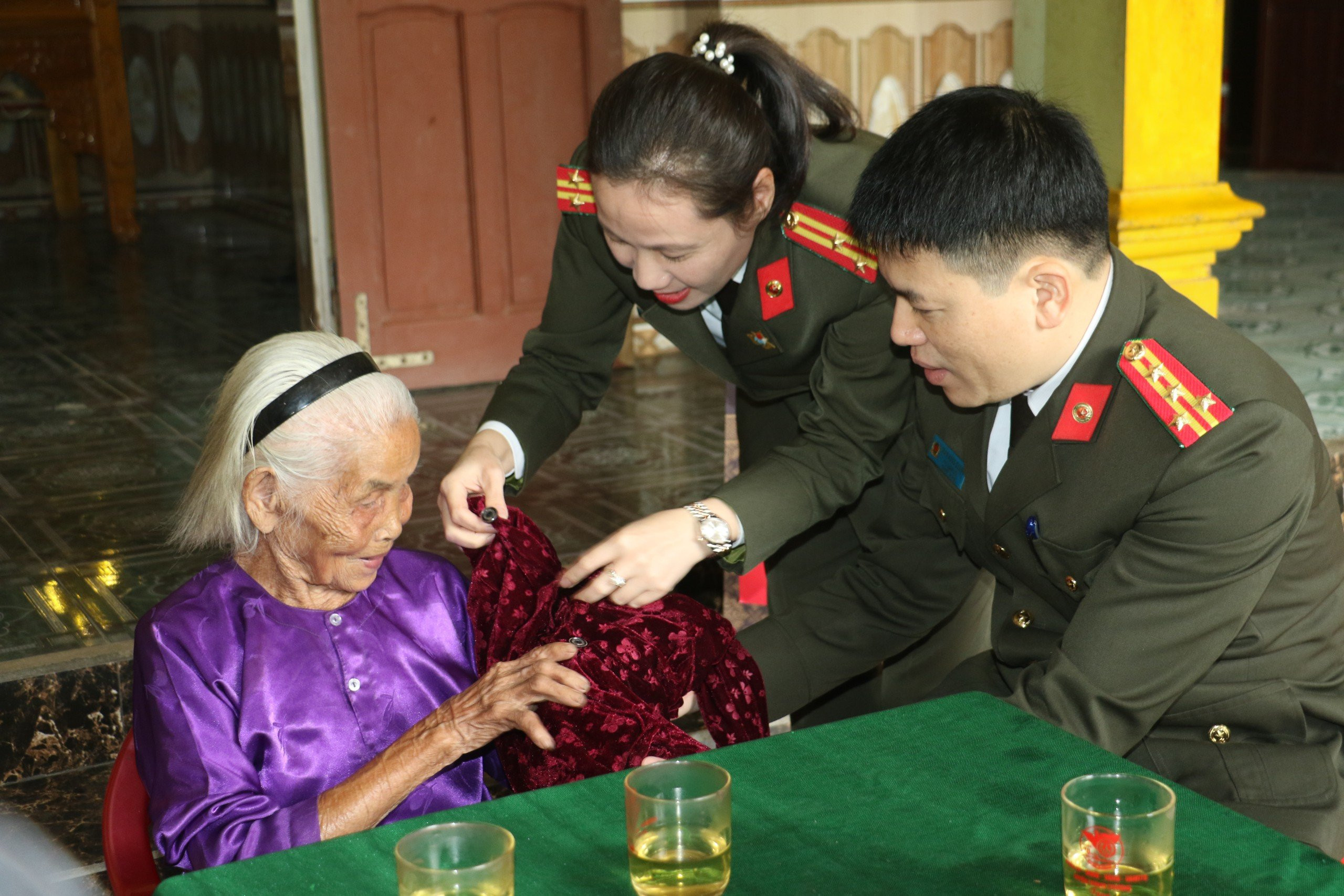
General Vo Nguyen Giap once wrote: “The past was once the present. The present will become the past. That is the movement of time, of history. Understanding this, we will have a responsibility to time, and also a responsibility to history.” Countless hours of wisdom, sweat, and blood of our ancestors have been poured into every field, every dike, every road, every narrow alleyway to make Thanh Chuong what it is today. For hundreds of years, “withstanding storms in the morning, blocking the scorching sun in the evening,” generation after generation, how many days of rest have our people had? Generation after generation, resilient, fighting, and dedicating their entire lives to protecting every inch of the land of our ancestors and origins.
In the coming years, we have new opportunities and advantages. Resolution 39 of the Politburo "on building and developing Nghe An province until 2030, with a vision to 2045," with specific mechanisms and policies, has been approved by the National Assembly. The Vientiane-Hanoi expressway section from Thanh Thuy border gate to Vinh city, connecting with the North-South expressway, will be prioritized for investment. Infrastructure, after many terms of office, has been increasingly developed and modernized.
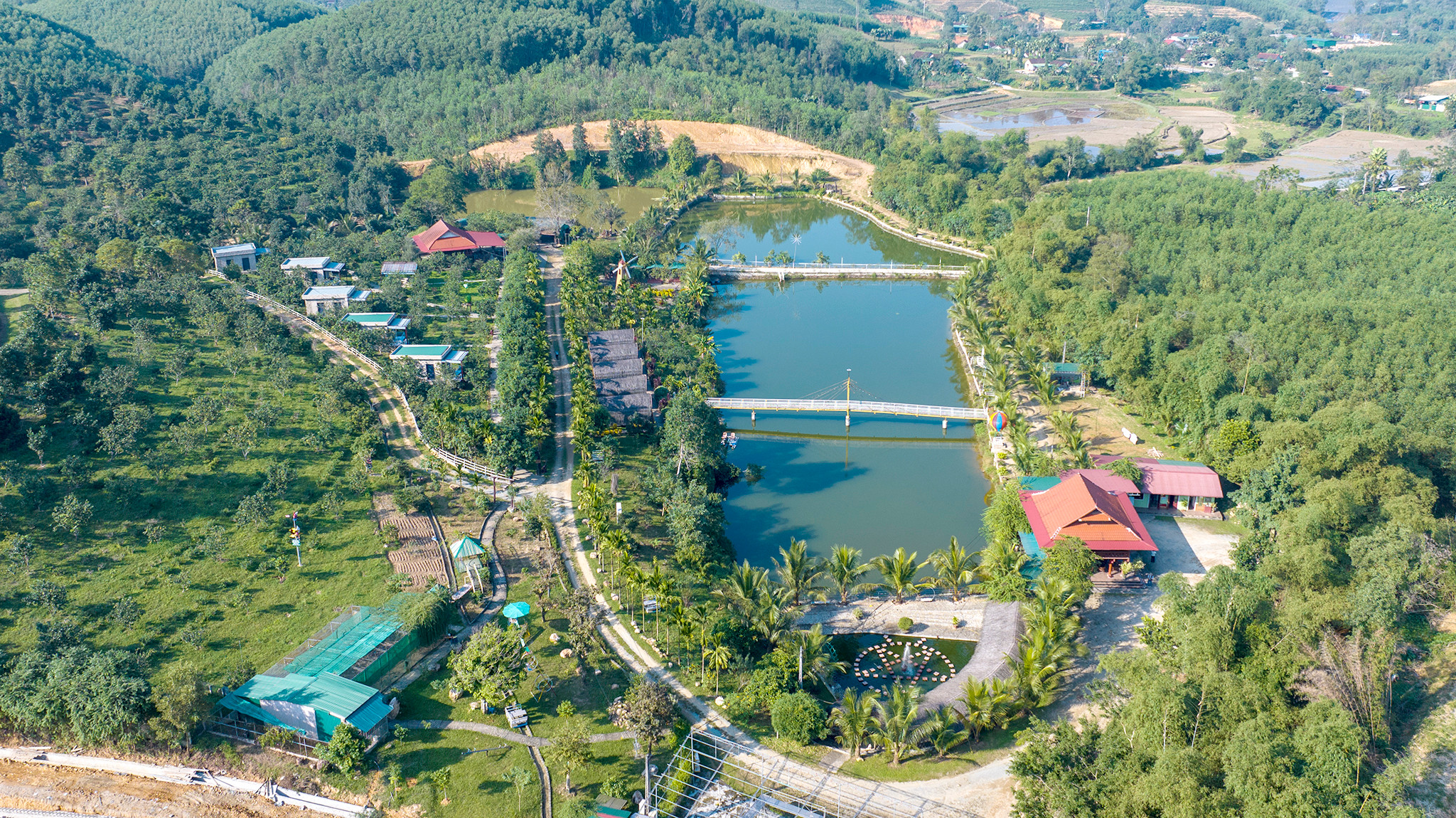
The district possesses abundant human resources, a large forest area, and the potential for developing ecotourism closely linked to the Ho Chi Minh Highway economic corridor; it also leverages its rich cultural heritage and high density of historical relics to move forward. The Party Committee, government, and people of Thanh Chuong will continue to work together, implementing fundamental and concrete solutions to build a homeland that is increasingly developing sustainably.
The announcement of 555 names of Thanh Chuong, commemorating the 94th anniversary of the Party Committee and people of the district, is an opportunity for us to continue affirming the noble qualities and fine traditions of the people and land of Thanh Chuong. This is an invaluable legacy left by our ancestors. We cherish and are grateful for it, and have the responsibility to preserve and pass it on to future generations, developing it to a new level in the era of integration and development.
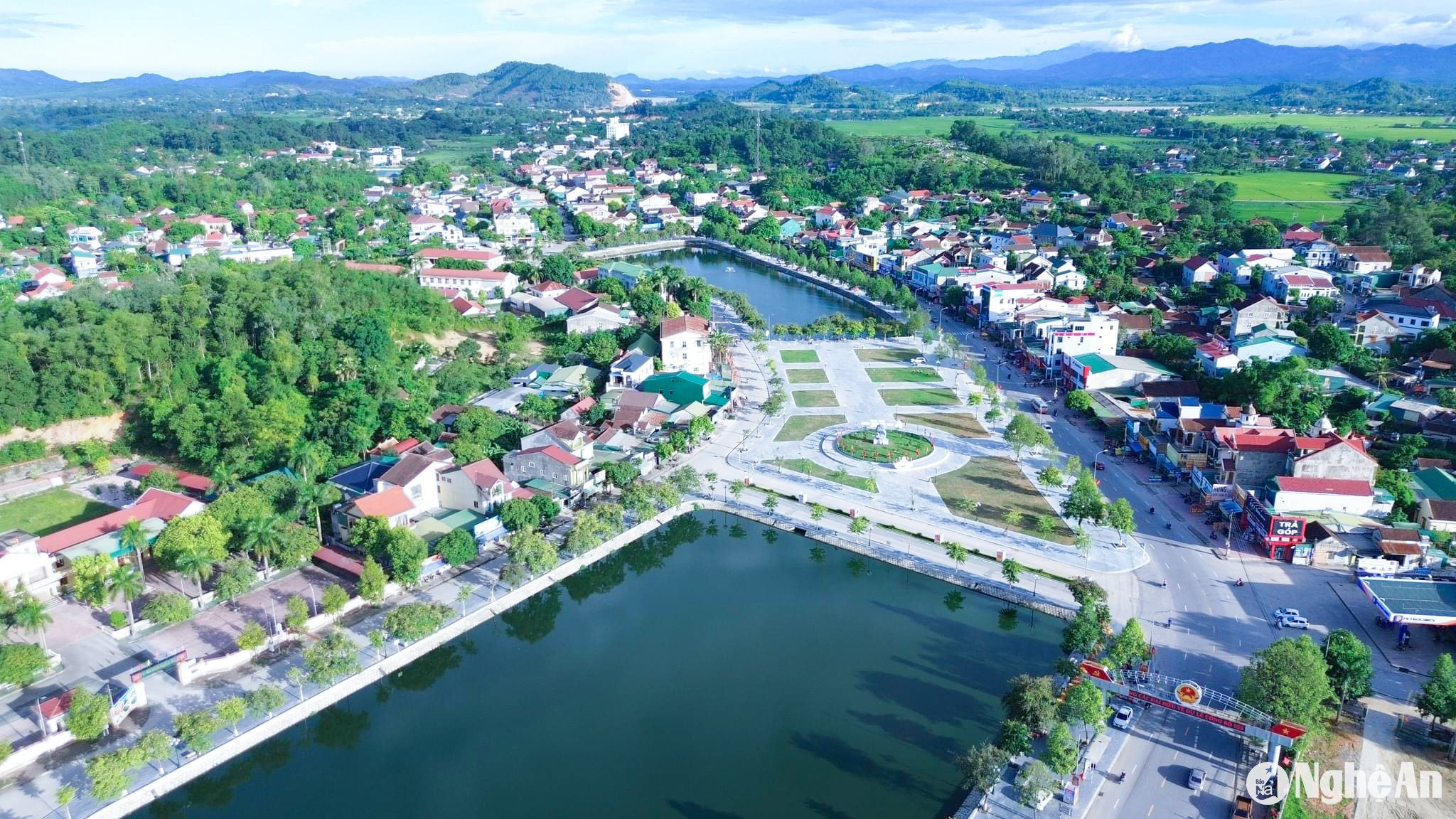
Trinh Van Nha - Deputy Secretary of the District Party Committee, Chairman of the People's Committee of Thanh Chuong District