

How to change engine oil
Regular oil changes are recommended to ensure the engine runs smoothly for a long time.
Modern car engines are powerful, so regular engine oil changes are essential to ensure the engine runs smoothly and lasts longer.
After preparing all the necessary tools such as a car jack, support stand, waste oil tray, specialized disassembly tool kit, protective equipment, cleaning cloths, oil funnel, etc., the car owner can change the engine oil according to the procedure.
Locate and remove the oil filter.
To change the engine oil and filter, first locate the oil filter. Then remove the oil filter by turning it counterclockwise with a specialized lug wrench.
Drain the oil and inspect the seals.
After removing the old oil filter, drain the oil into the drain pan, then clean the surface of the oil filter housing on the engine block, and remove the rubber gasket from the old filter. On the new oil filter, install the rubber gasket, apply a small amount of engine oil, and reinstall the new oil filter by turning it clockwise until it is tight.
Remove the oil sump screw.
Using a wrench, unscrew the oil sump bolt counterclockwise to remove it.
Drain the oil.
After removing the oil drain plug, the driver should check the sealing gasket. If, due to prolonged use, the gasket is broken, damaged, or leaking and unusable, it needs to be replaced. After completely draining the oil, re-check the oil drain plug in the crankcase, and clean it thoroughly with a soft cloth. Then tighten the oil drain plug just enough; do not overtighten as this may strip the threads.
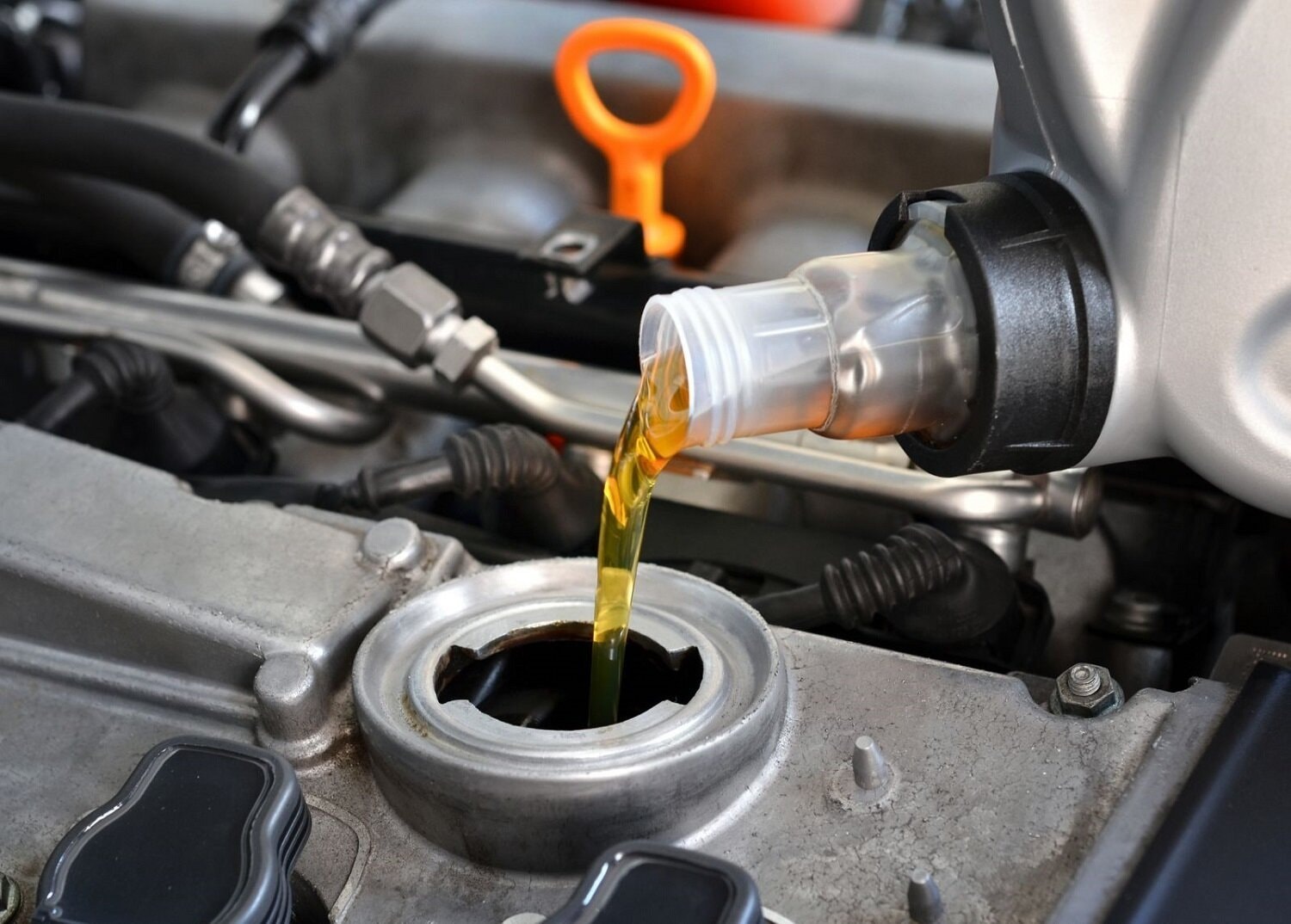
Refill engine oil.
After the oil has been drained from the engine and a new filter has been installed, open the oil filler cap, position the funnel correctly, and pour the new oil into the vehicle.
To ensure the correct oil change, car owners should consult their owner's manual. It's advisable to add less oil than the manual suggests. For example, if the car requires 4 liters, add 3.5 liters because some oil will remain in the engine's internal components and won't drain completely.
After adding the oil, pull out the dipstick and check the level. If the oil level is insufficient, add more until it is satisfactory.
Check the engine oil level.
After adding new engine oil, the driver needs to start the car so that the engine components and the entire system are lubricated.
Experts recommend that even cars left unused for extended periods should still have their engine oil changed regularly, because the oil stored in the engine degrades over time.