
Part 4: Ensuring transparency and public support.
The reorganization of administrative units must be completed before preparing for the Party Congresses at all levels for the 2025-2030 term, leading up to the 14th National Party Congress. To ensure smooth implementation and public consensus, given the large volume of remaining work, all levels need to strengthen coordinated solutions.

The reorganization of administrative units must be completed before preparing for the Party Congresses at all levels for the 2025-2030 term, leading up to the 14th National Party Congress. To ensure smooth implementation and public consensus, given the large volume of remaining work, all levels need to strengthen comprehensive solutions.
Reporters' Team • August 30, 2024

The recent implementation of administrative unit reorganization steps shows that the entire political system in Nghe An has performed well, from developing scientific and effective plans to creating high consensus among officials and all segments of the population.
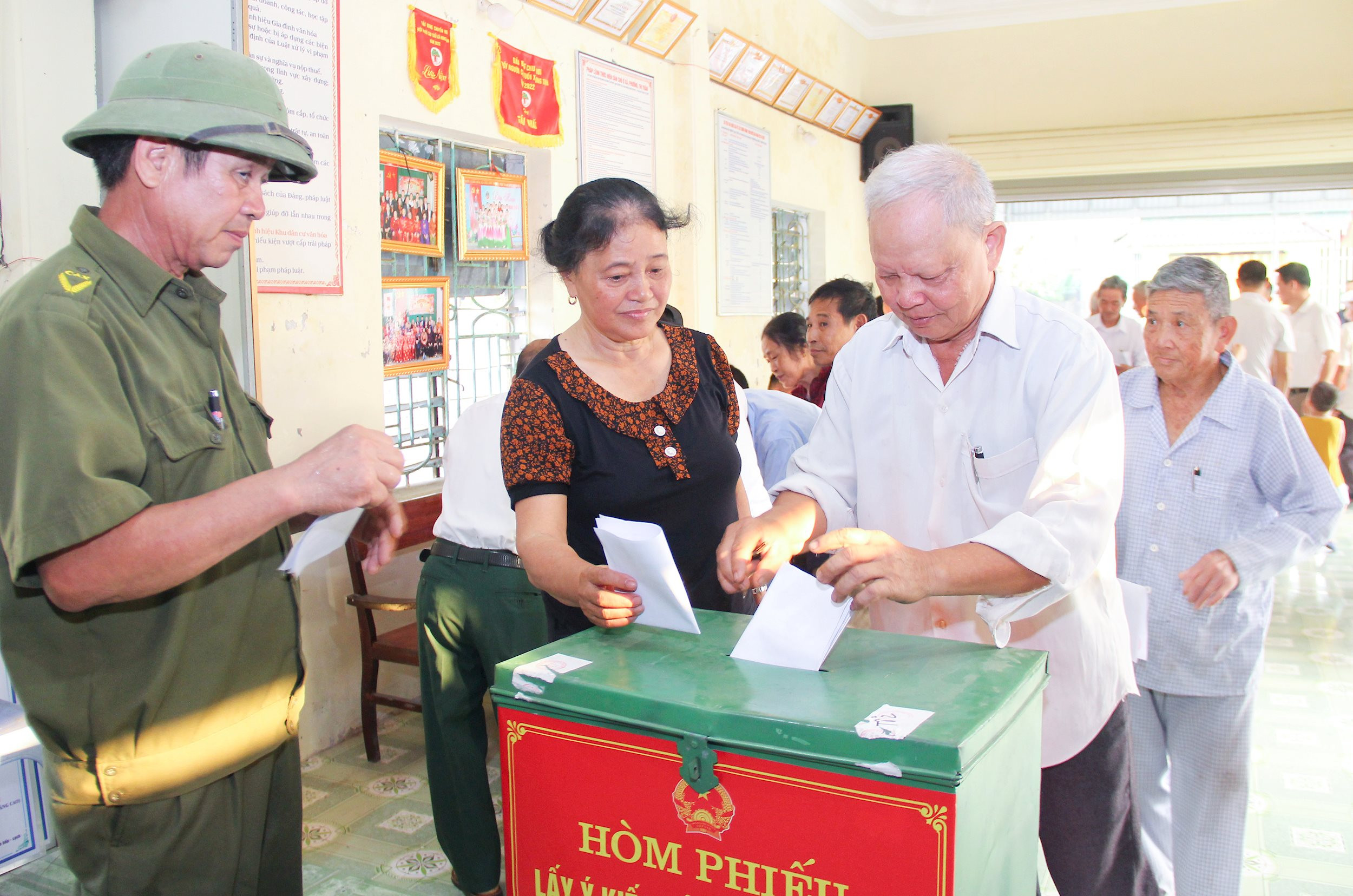
Besides the achievements, this work has revealed shortcomings and limitations. Specifically, some district-level Party committees and authorities have not shown genuine interest in directing and guiding commune-level Party committees and authorities; they have not focused on disseminating information and mobilizing the people to implement major policies, viewing it as solely the responsibility of the commune level. This has resulted in six units achieving relatively low levels of consensus compared to the provincial average during the voter consultation process.
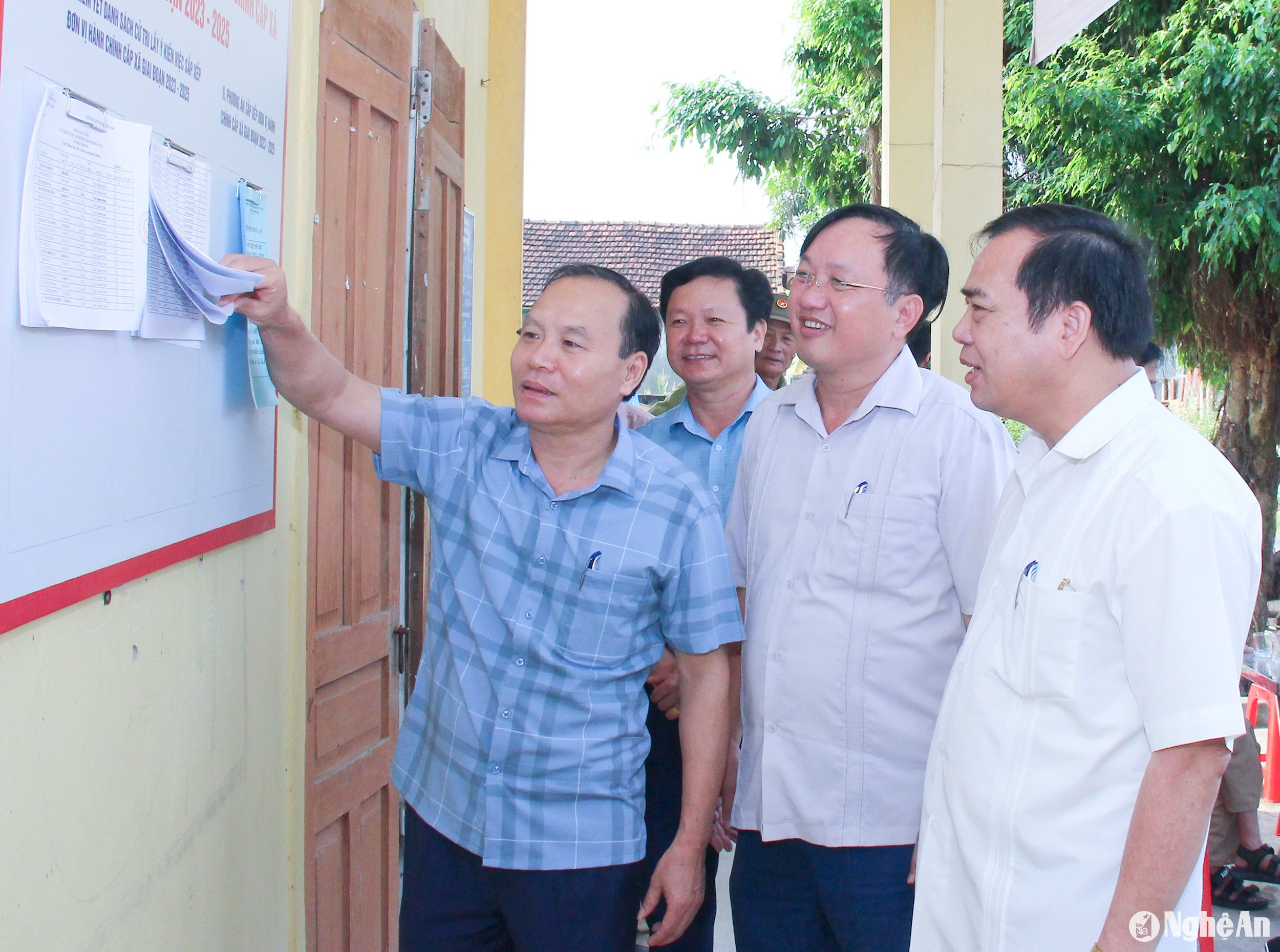
In particular, some localities have submitted proposals to rename administrative units after reorganization, even though the overall plan has been approved by the Provincial Party Committee and the Provincial People's Committee. Some localities have proposed naming administrative units in a mechanical and awkward way, creating mixed public opinion. The most typical example is the public reaction to the proposed naming of the administrative unit when merging the two communes of Quỳnh Hậu and Quỳnh Đôi in Quỳnh Lưu district.
According to the initial plan proposed by the People's Committee of Quynh Luu District, after the administrative reorganization of the two communes, Quynh Doi and Quynh Hau, the commune was to be named Quynh Doi. However, during implementation, the majority of people in Quynh Hau commune disagreed with the name Quynh Doi, while the vast majority of people in Quynh Doi commune also wished to retain the name Quynh Doi. When implementing the plan, Quynh Luu District also proposed several new names such as Doi Hau, Quynh Phu, Quynh Huong, and Quynh An for the new administrative unit. However, public opinion did not agree with these names. In particular, when the district proposed naming the new commune Doi Hau, it created a wave of reaction from officials and the public, including former leaders, intellectuals, and scholars both within and outside the province.
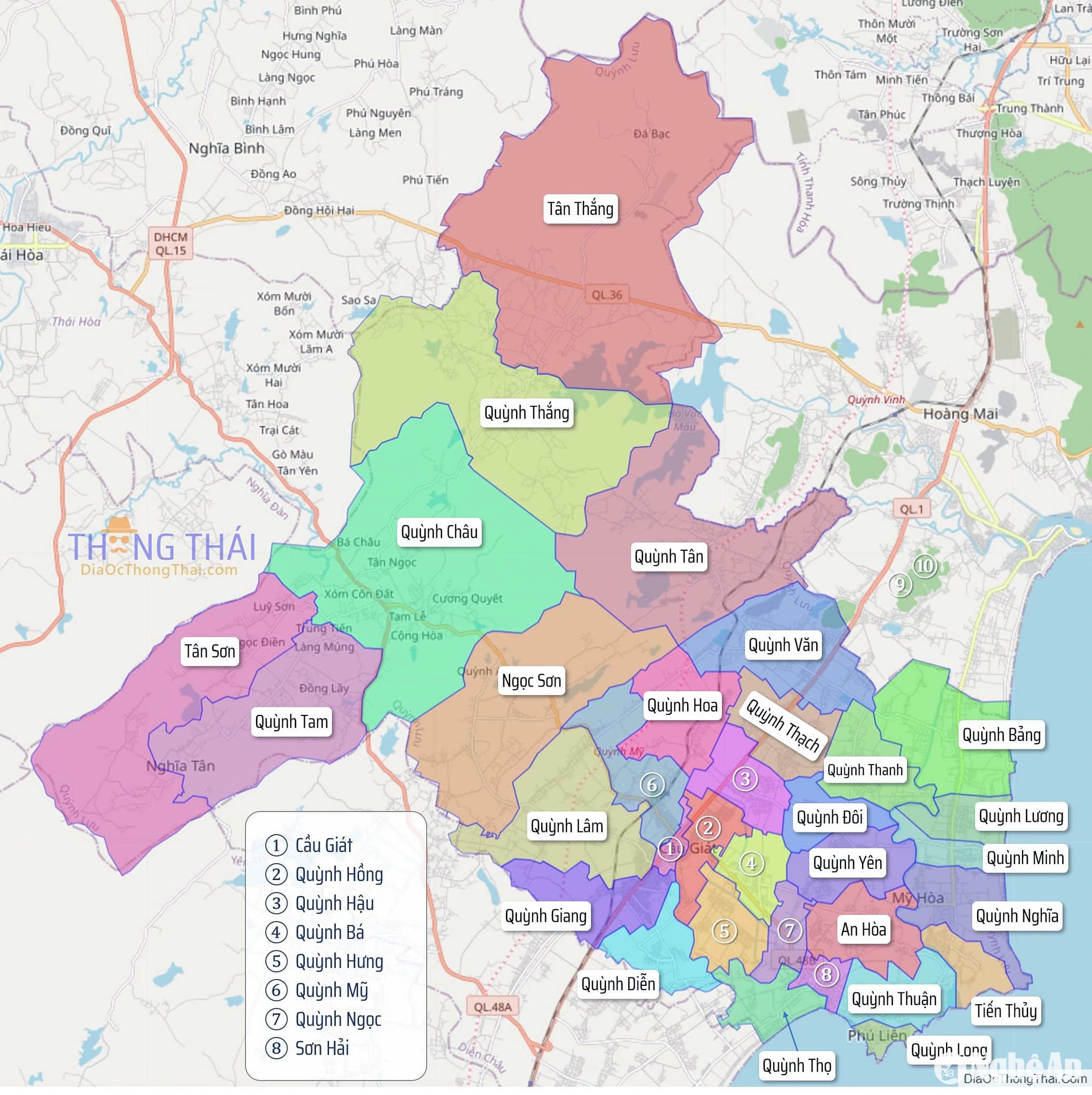
Many opinions suggest that further research into the specific characteristics of Quynh Doi and Quynh Hau communes is needed to select and develop a more suitable plan for the next phase. Therefore, the Provincial Steering Committee for Administrative Unit Reorganization has decided not to proceed with the reorganization of these two localities in the 2023-2025 period.
Regarding the aforementioned issue, the Steering Committee for the reorganization of commune-level administrative units in Quynh Luu district explained that one of the reasons is that the district and communes did not fully assess and predict the nature and extent of the difficulties and complexities in reorganizing the two communes. The leadership and guidance of the Party Committees, governments, departments, and mass organizations of the two localities were not always effective.
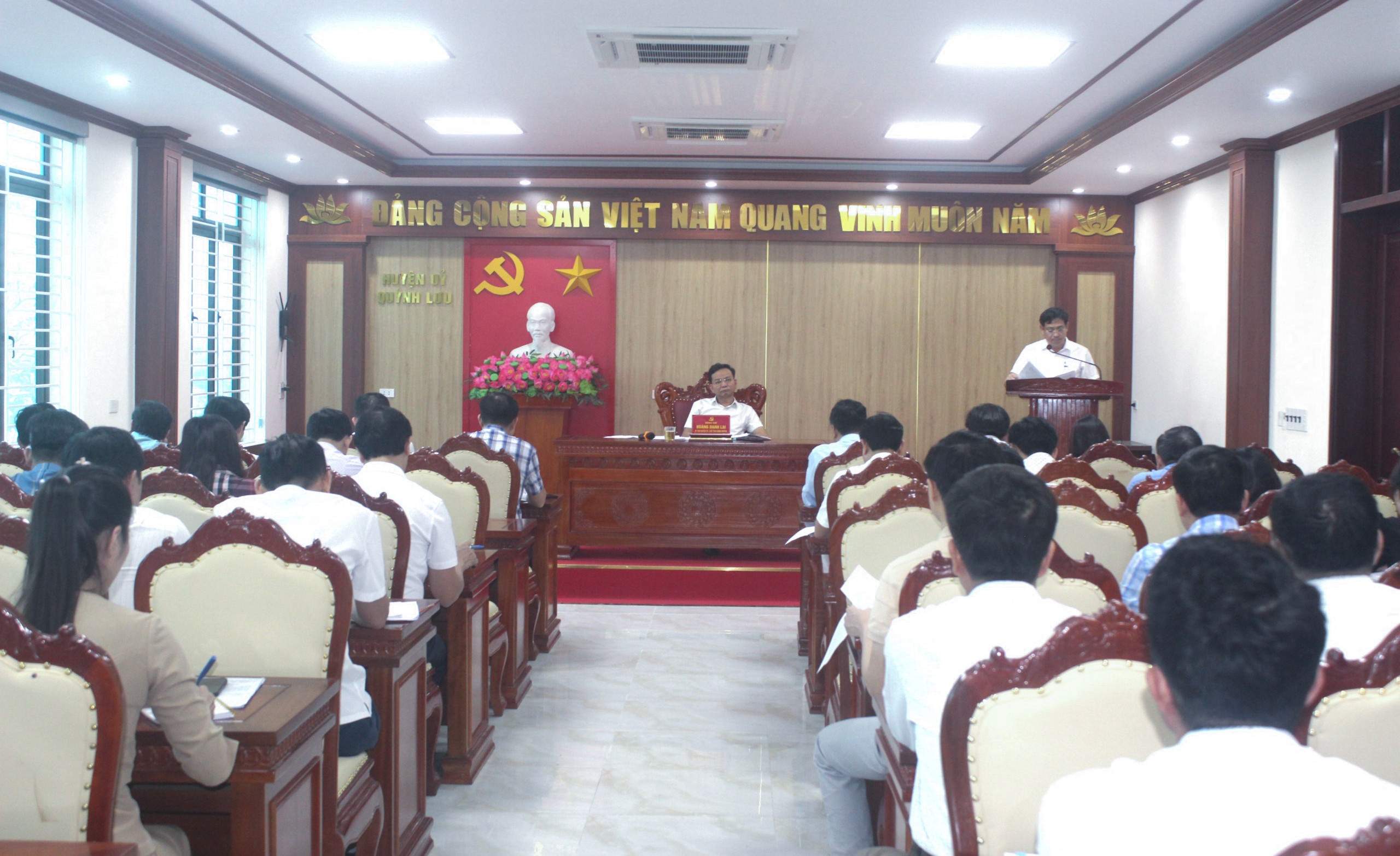
Reporting directly to the Provincial Party Standing Committee, the Secretary of the Quynh Luu District Party Committee, Hoang Danh Lai - Head of the District's Steering Committee for the Reorganization of Commune-Level Administrative Units - stated: The district has conducted reviews within the Steering Committee, the District Party Standing Committee, the District Task Force, and the Party Committees and Steering Committees for the reorganization of administrative units in the two communes of Quynh Doi and Quynh Hau. Through this process, the subjective and objective causes were clearly identified, and lessons were learned from the leadership and guidance; especially regarding the work of propaganda and mobilization to seek the consensus of cadres and Party members in the most appropriate way.
Responding to questions from provincial People's Council representatives regarding the reorganization of administrative units at the 21st session, Director of the Department of Internal Affairs Nguyen Viet Hung stated: First and foremost, we must focus on disseminating information and mobilizing the people to understand the policies and guidelines. Before naming communes and hamlets, thorough discussions, detailed analysis, and careful research into cultural, traditional, historical, and unique characteristics are necessary to create meaningful names that gain the people's consensus.
Before naming a commune or hamlet, thorough discussion, careful analysis, and meticulous research into cultural, traditional, historical, and unique characteristics are necessary to ensure the name is meaningful and receives the people's consent.
Comrade Nguyen Viet Hung - Director of the Department of Internal Affairs

Currently, Nghe An province is awaiting the Standing Committee's review and issuance of a Resolution on the reorganization of district and commune-level administrative units in the province for the period 2023-2025, in order to implement it. Meanwhile, the timeframe is extremely tight.
Recently, at the question-and-answer session during the 36th meeting of the National Assembly Standing Committee on August 21st, Minister of Home Affairs Pham Thi Thanh Tra stated that the rearrangement of district and commune-level administrative units in the 2023-2025 period must be completed before October 2024 so that localities can prepare for the Party Congresses at all levels for the 2025-2030 term; leading up to the 14th National Party Congress, with the grassroots level implementing the rearrangement in the first quarter of 2025.
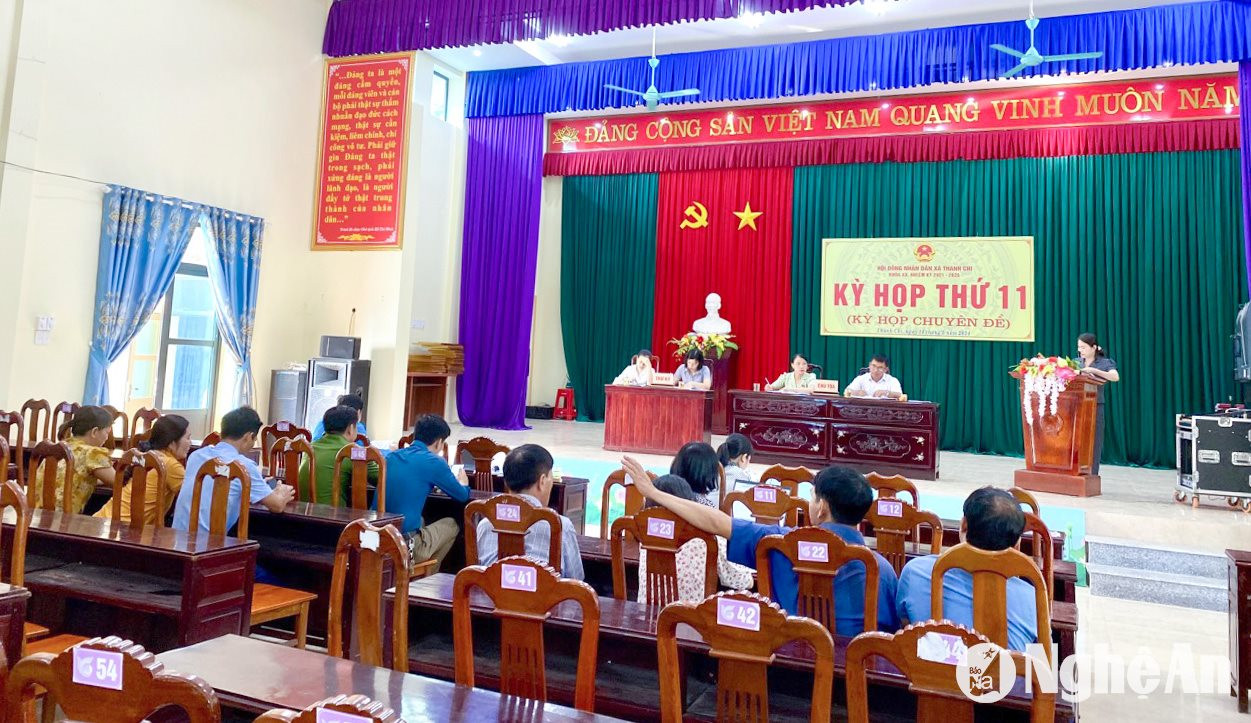
Thus, the actual time to complete all administrative unit reorganization processes is only about 2 months. The requirements for the provincial authorities are to carry out a very large volume of work, including: Consolidating the organizational structure of agencies and organizations within the political system in the newly formed administrative units after reorganization; Arranging and resolving policies and benefits for cadres, civil servants, and public employees, ensuring that the benefits are given to the correct recipients, in a transparent and open manner, and in accordance with the Party's guidelines and policies and the law;
Review, adjust, and update land use plans and schemes to facilitate the reorganization and handling of administrative offices; balance and allocate budget resources to invest in repairing, renovating, and upgrading office buildings to serve the operations of administrative units formed after the reorganization, in accordance with the planning and actual conditions of the locality; create favorable conditions for businesses and citizens in changing documents due to changes from the reorganization of administrative units; ...
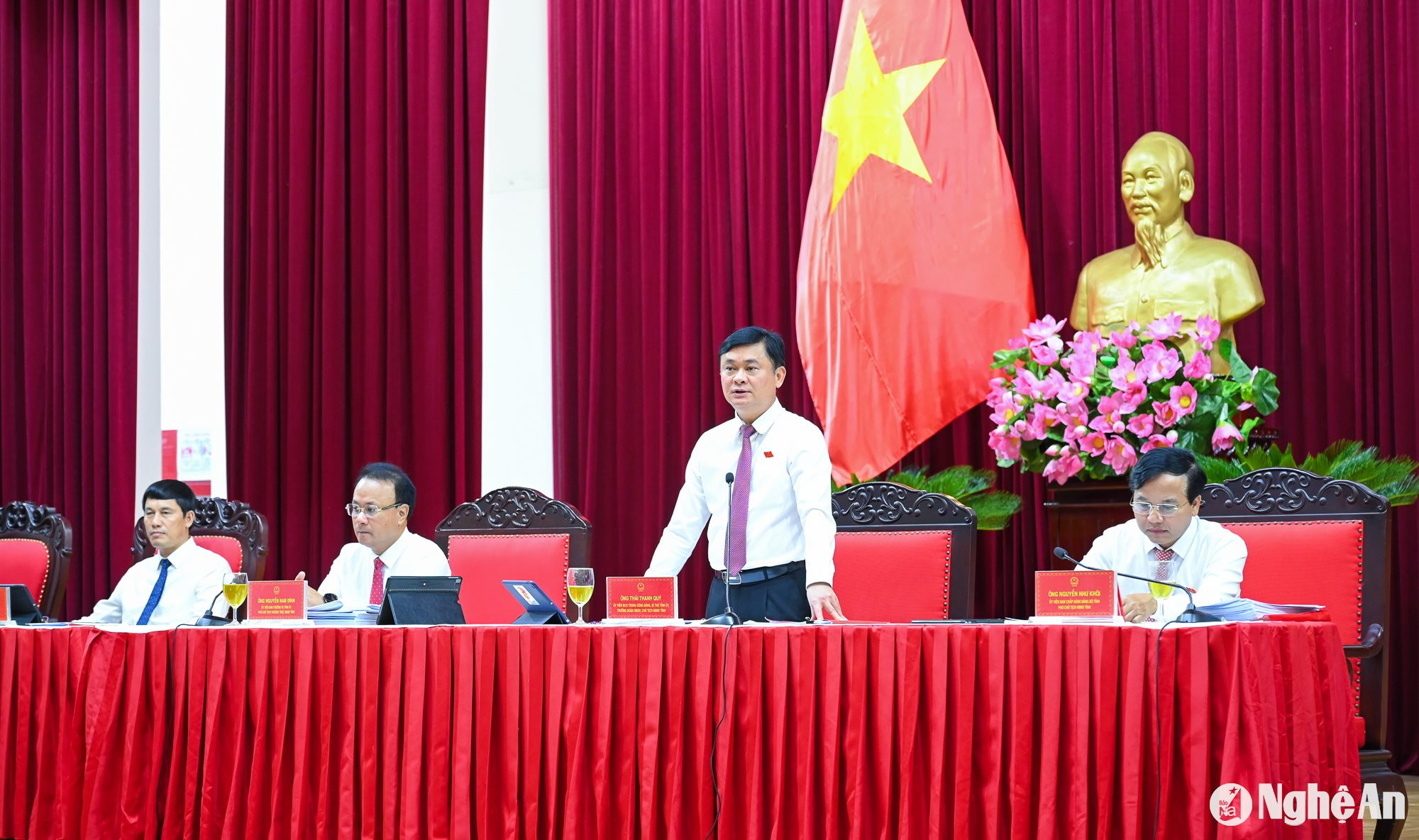
Speaking at the 21st session of the 18th Provincial People's Council, the Secretary of the Provincial Party Committee and Chairman of the Nghe An Provincial People's Council, Thai Thanh Quy, emphasized: The results of drafting and submitting the proposals to the Central Government are only the first step; the important issue is the implementation after the proposals are approved. Given this nature, first and foremost, we must continue to actively carry out propaganda work using appropriate content, forms, methods, means, and personnel, promoting the spirit of setting an example in propaganda so that cadres, Party members, and all strata of the people understand, agree with, and support the policy of reorganizing administrative units.
The reorganization of administrative units is a major and very important policy of our Party and State. This is a difficult and complex task, requiring great political determination and the involvement of the entire political system from the provincial to the grassroots level; at the same time, it must be done in a systematic, rigorous, and scientific manner, ensuring "the will of the people". From there, we will continue to implement the set tasks, ensuring the progress of the administrative unit reorganization in the 2023-2025 period.
>>Homepage
>>Part 3: "Solving the problem" of surplus staff
Reporters' Team