The Khơ Mú people of western Nghệ An make cốm (roasted rice flakes) to celebrate the new rice harvest.
Dinh Tuan•September 29, 2024 15:36
Besides popular festivals like Lunar New Year and Independence Day, the Khơ Mú community in western Nghệ An also has its own unique holidays. One of the important rituals in the life and culture of the Khơ Mú people is the "New Rice Festival".
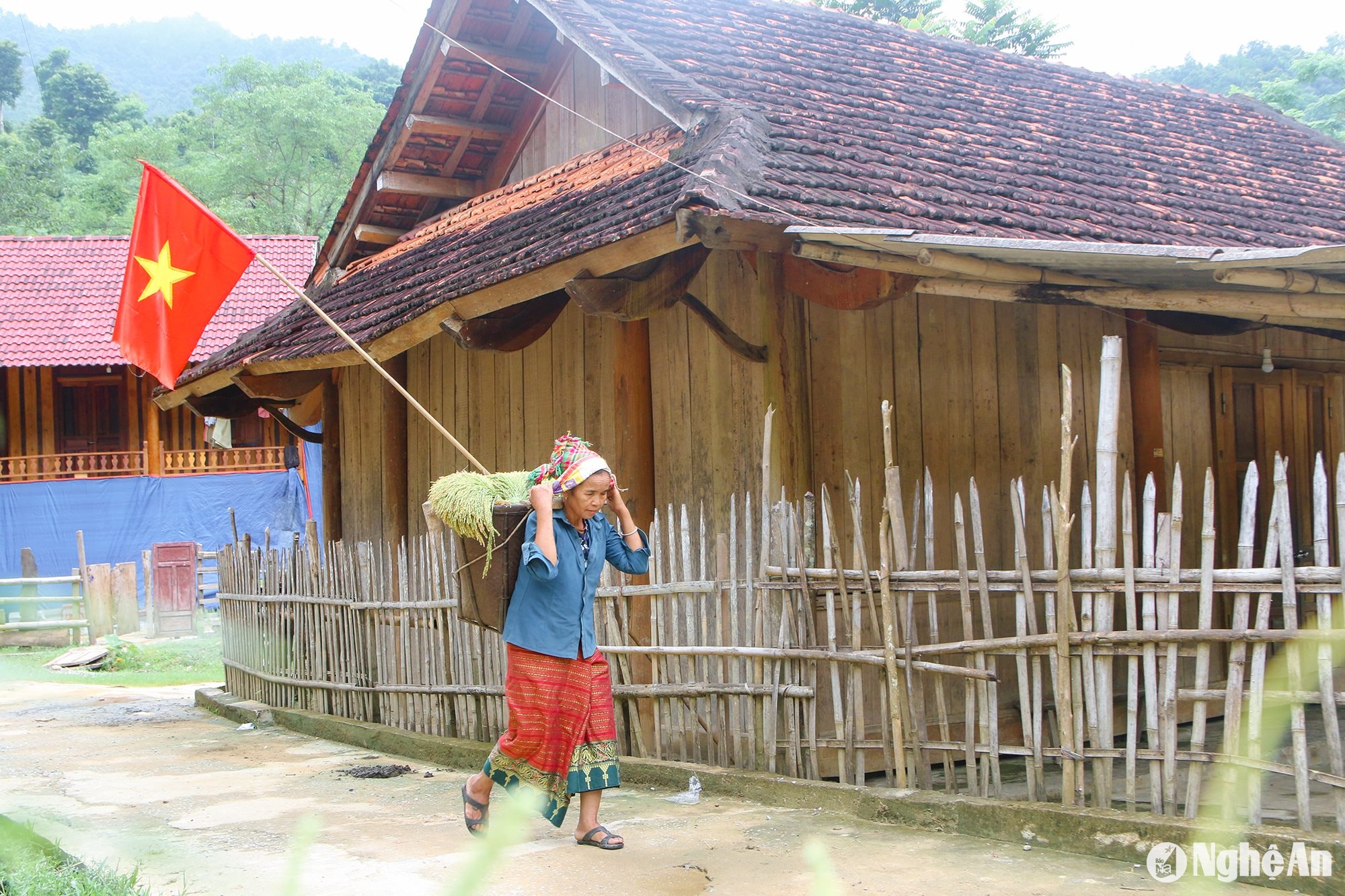
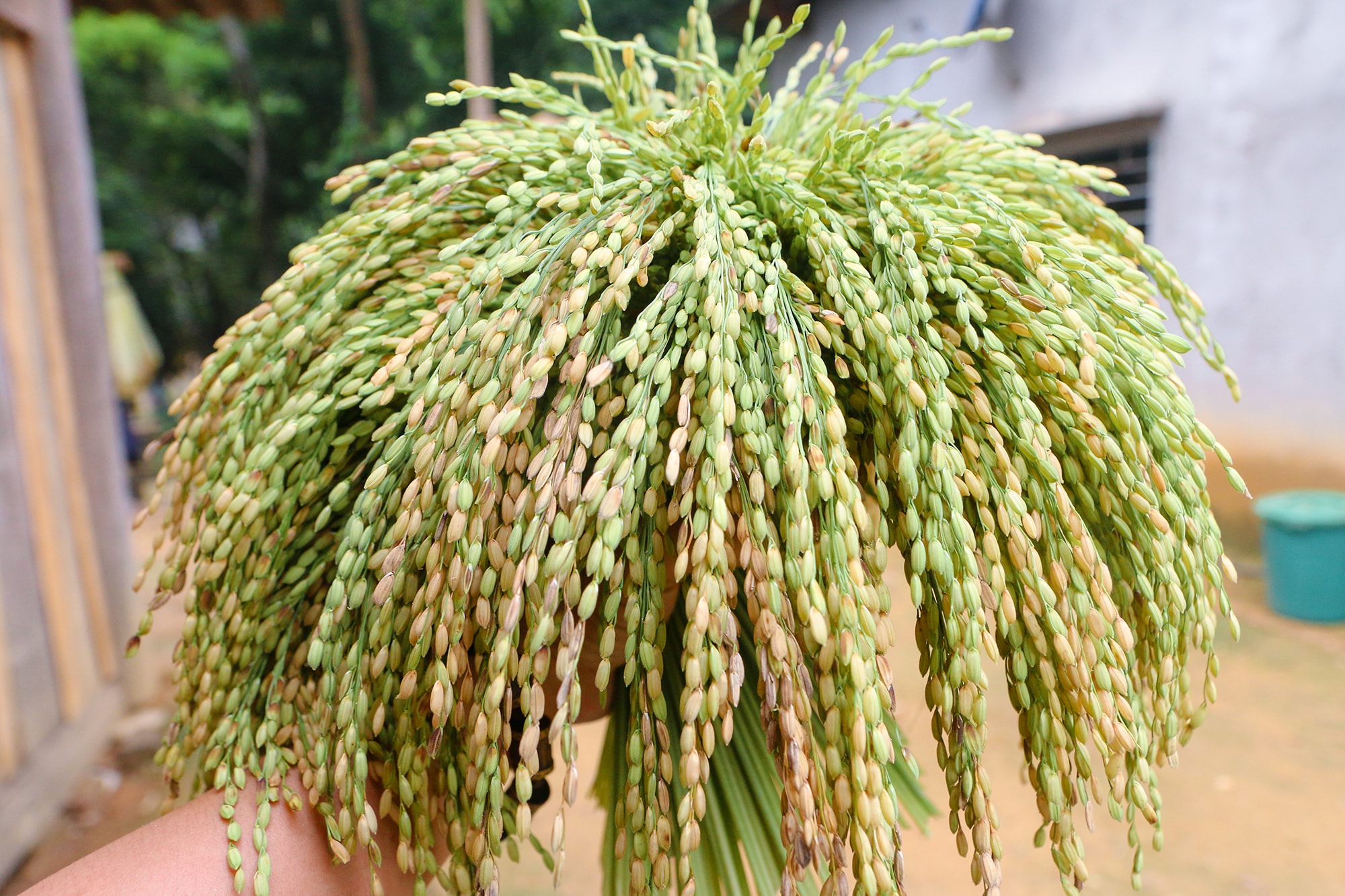
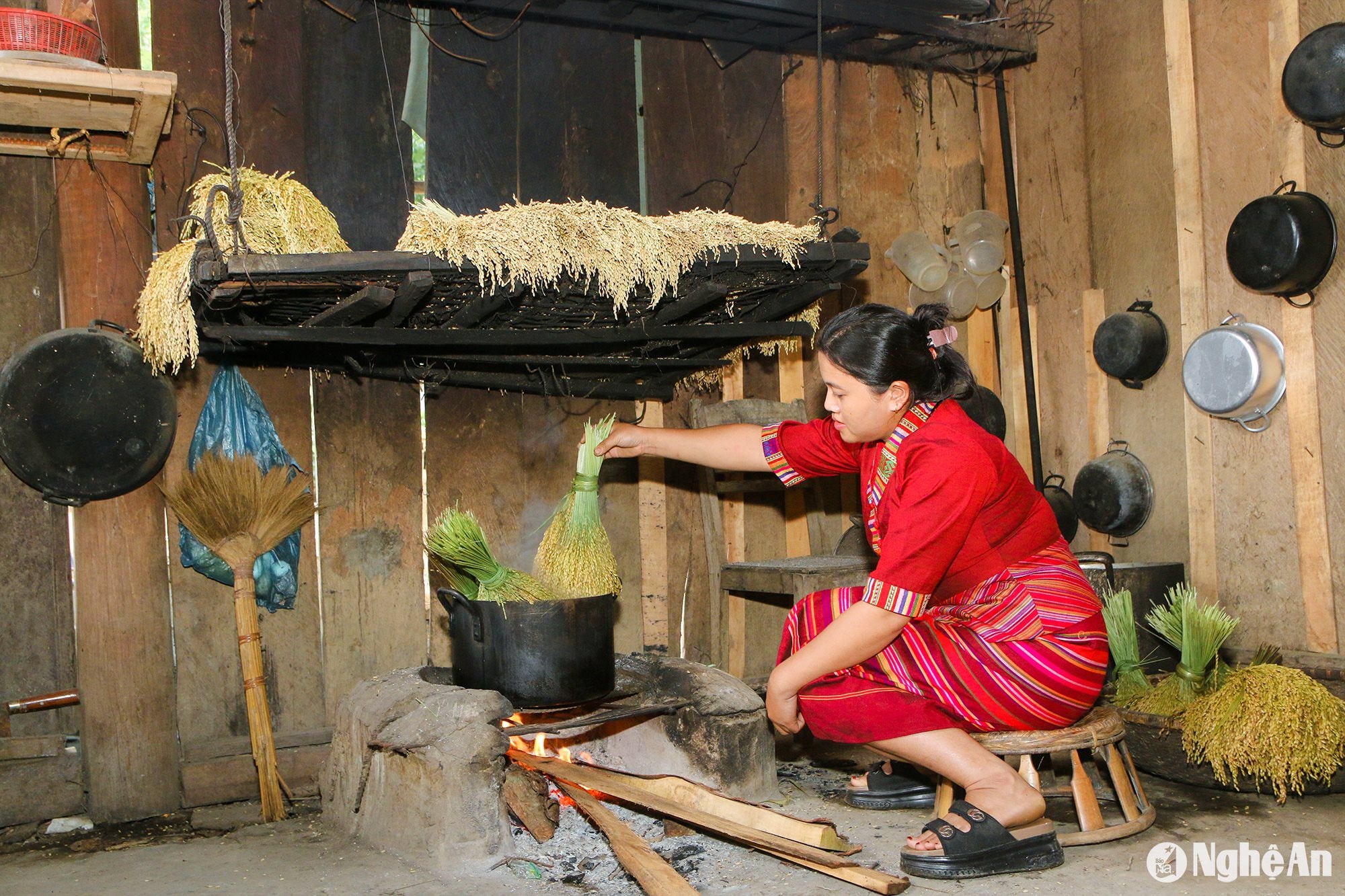
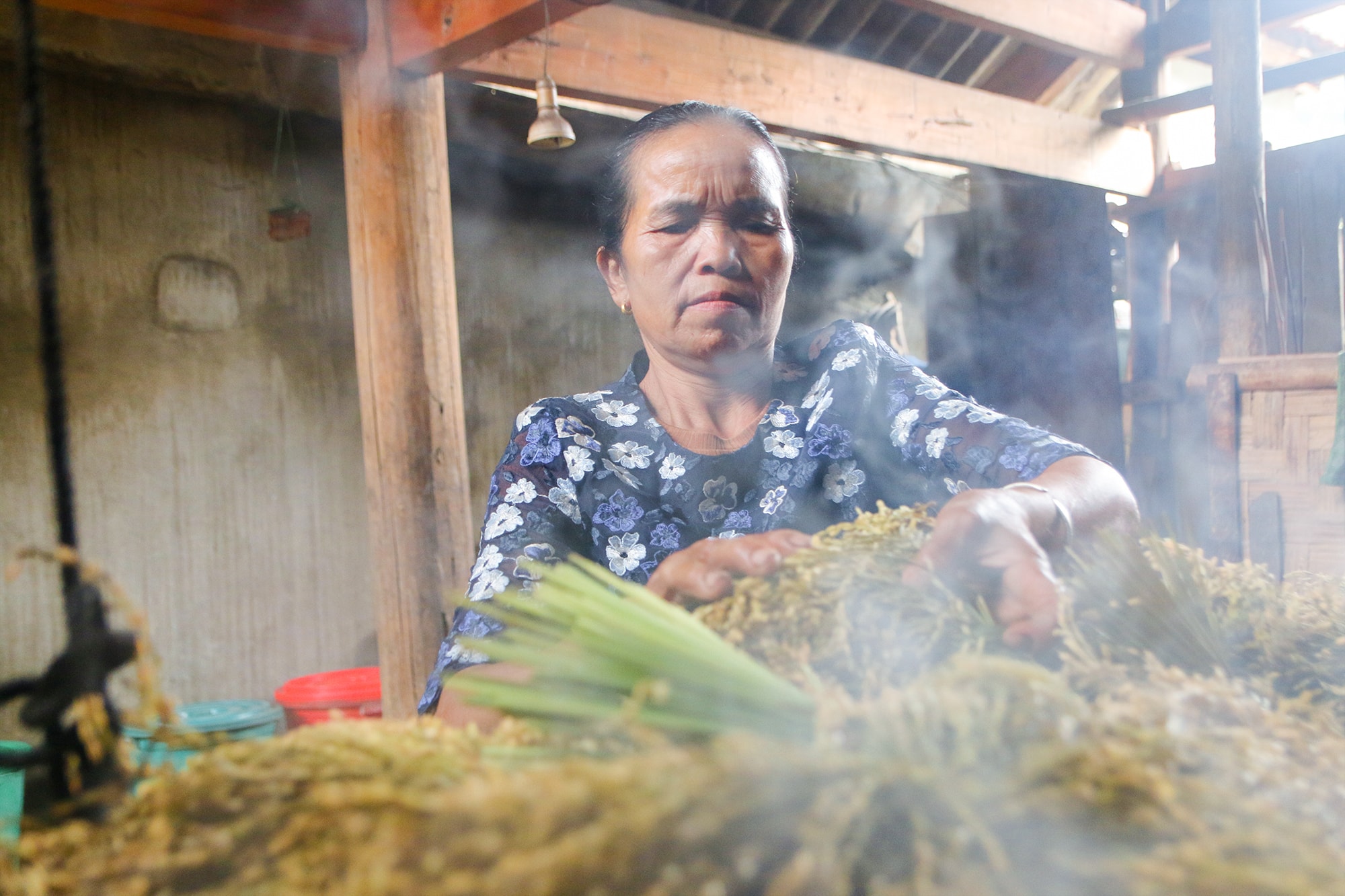
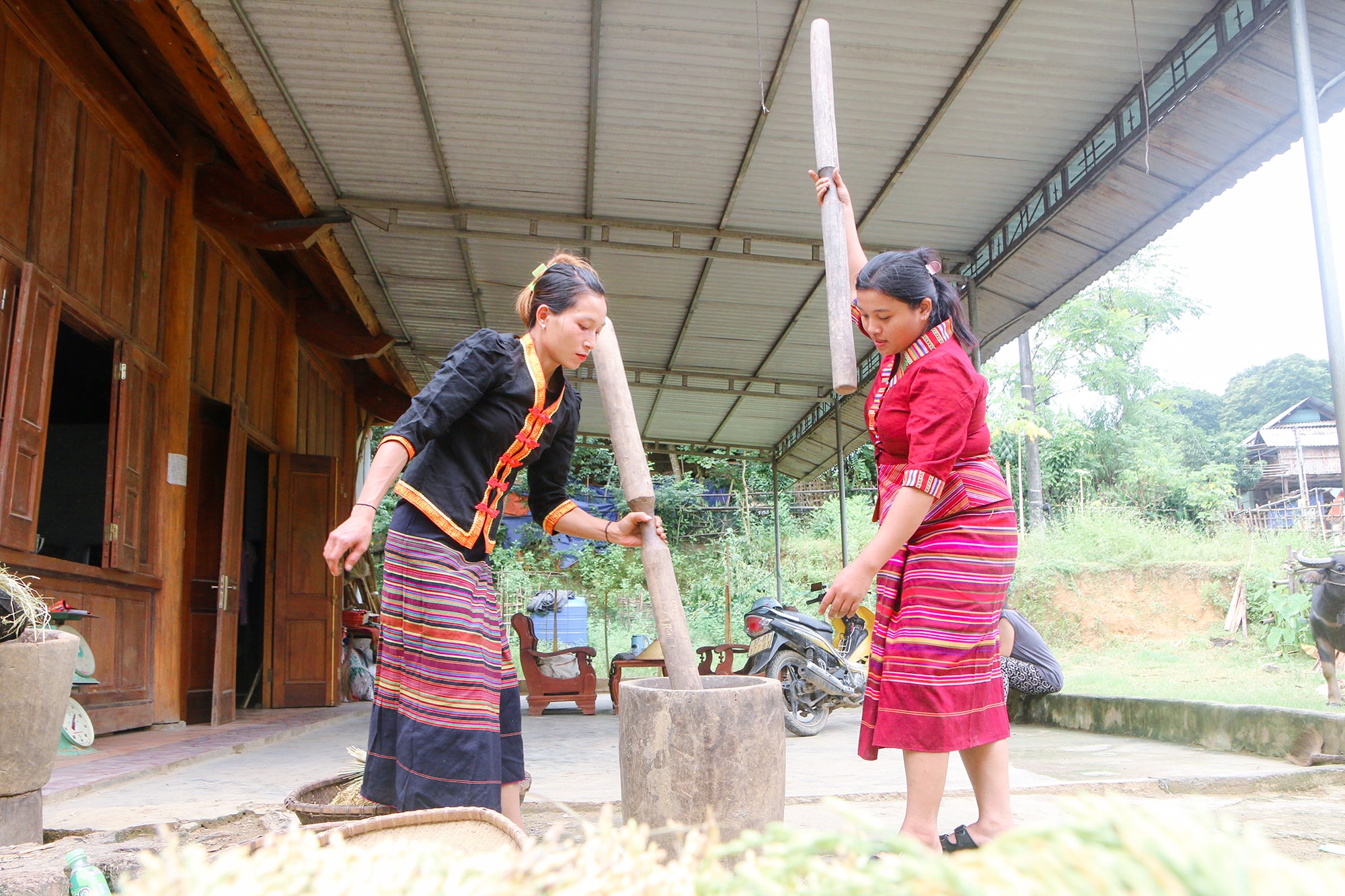
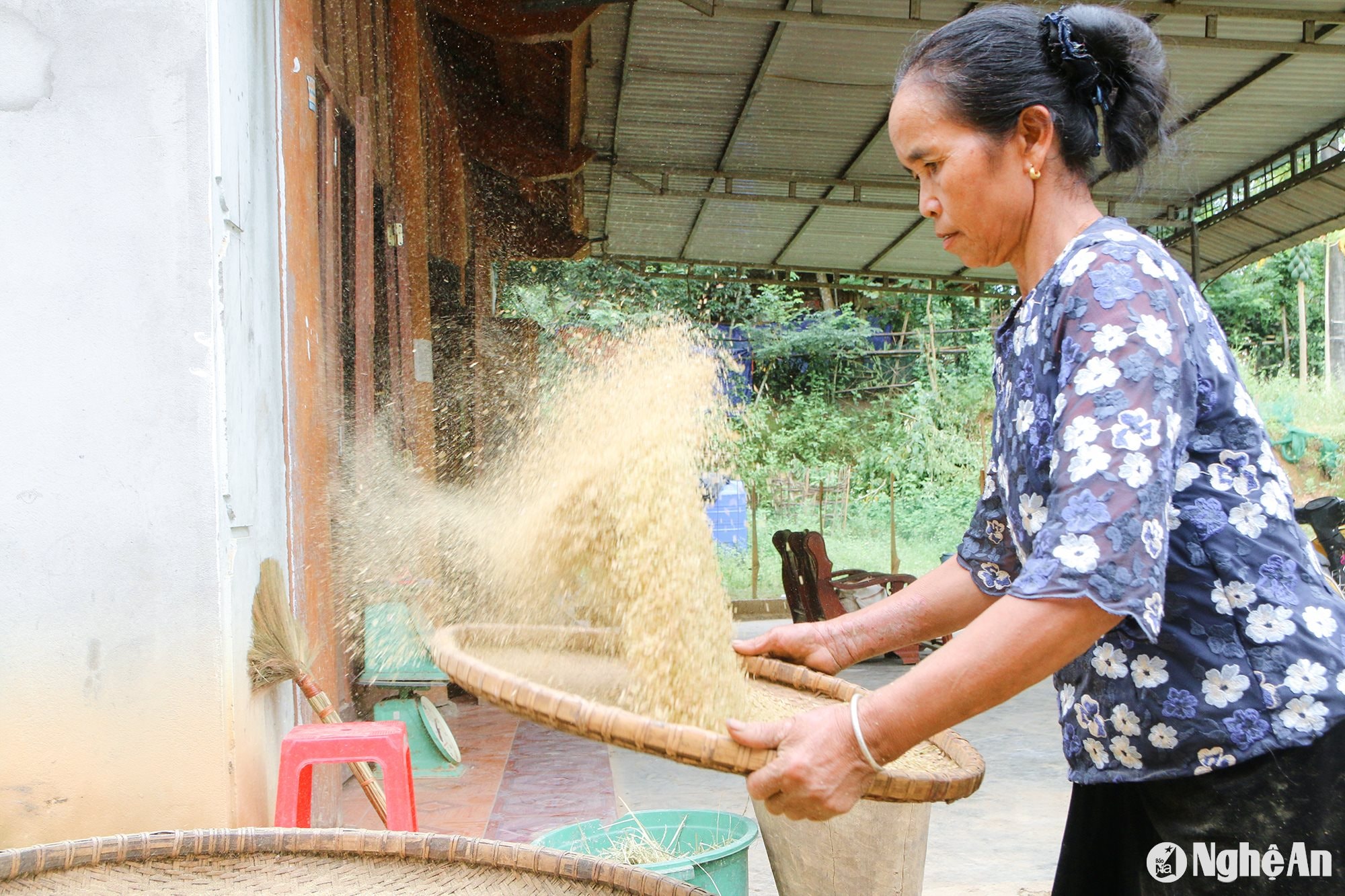
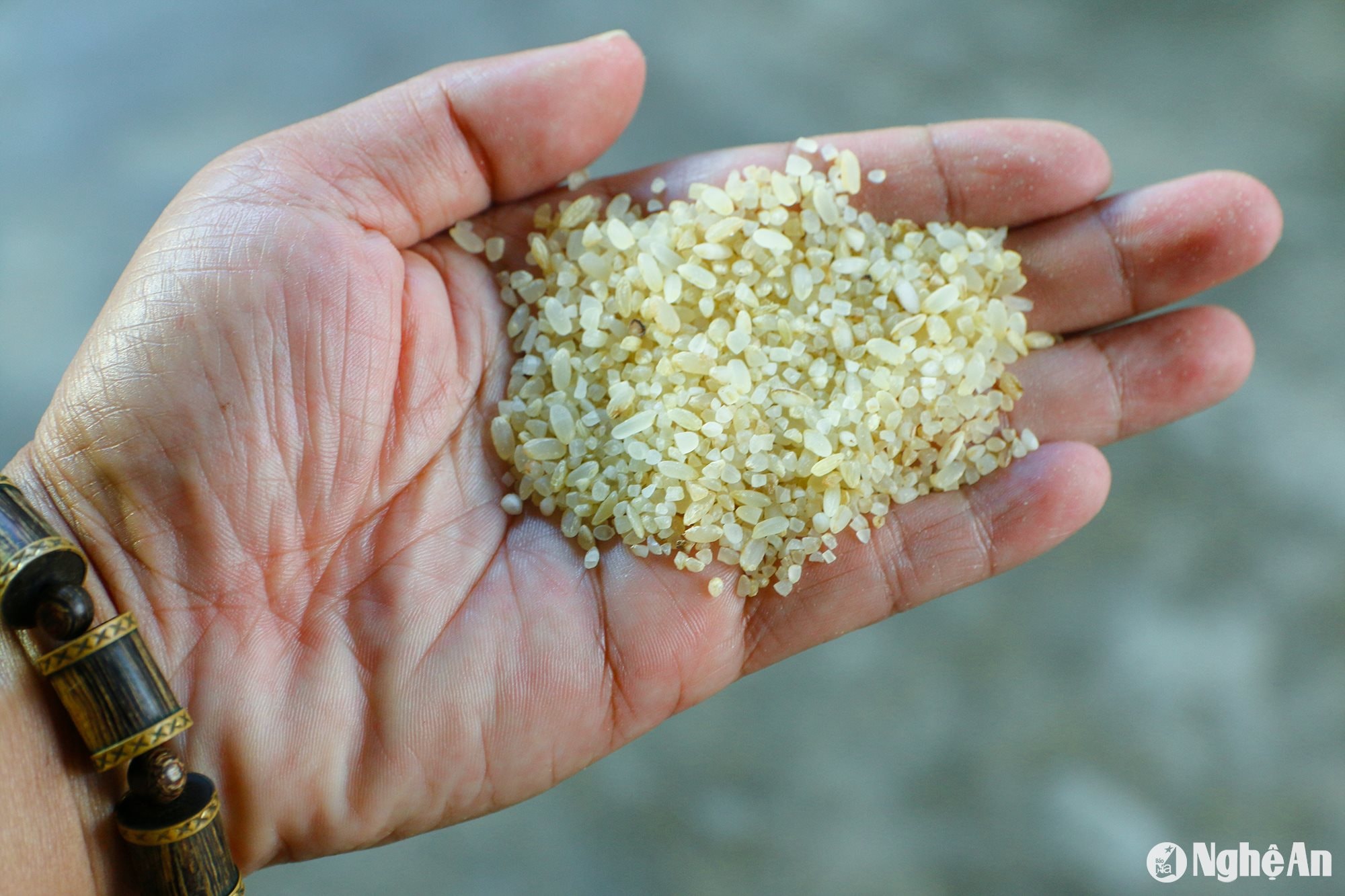
Around September or October each year, when the rice plants in the fields turn yellow, the Khơ Mú people choose an auspicious day to select ripe, plump rice stalks to bring back and make cốm (roasted rice flakes) in preparation for the New Rice Festival. Photo: Đình TuânThe rice stalks selected for making cốm (roasted young rice flakes) are those of ripe, plump, heavily laden glutinous rice, with the largest grains, a slightly yellowish-blue husk, and grains that are not yet fully ripe; if they are fully ripe, the cốm will not be fragrant. Photo: Đình TuânTo make delicious, fragrant green rice flakes, rice flake makers must go through many manual steps, each requiring diligence and meticulousness. After harvesting the rice, it is boiled in a pot until the aroma of young glutinous rice is released and the husks begin to separate. At that point, it is placed on a rack above the stove to be dried. Photo: Dinh TuanMs. Lu Thi Lan, a Khơ Mú ethnic minority woman from Xốp Pu village, Yên Na commune, Tương Dương district, said: “The new rice harvest festival of the Khơ Mú ethnic group is held to express gratitude to our ancestors and deities for their blessings and protection, ensuring that the crops thrive, are not damaged by pests and diseases, and are not harmed by birds, squirrels, or wild animals, resulting in a bountiful harvest and a prosperous, fulfilling, and happy life. Sticky rice made from freshly harvested glutinous rice is an essential part of the offering, so every year my family makes fresh glutinous rice to offer to our ancestors.” (In the photo: Ms. Lan is drying the rice stalks after they have been boiled on a rack above the stove. Photo: Đình Tuân)After drying, the rice is pounded in a mortar until the husks are removed. Ms. Lu Thi Hien, from Xop Pu village, Yen Na commune, said: "During the pounding process, you shouldn't pound too hard; if you pound too hard, the rice flakes will be crushed. To get smooth, glossy, and vibrant green rice flakes, you must constantly stir the rice flakes from top to bottom while pounding to ensure even distribution." Photo: Dinh TuanAccording to locals, all stages of making puffed rice are done manually; if the rice were milled using a machine, it would lose its green color. Photo: Dinh TuanTo produce the perfect rice flakes, Khơ Mú ethnic women have to invest a lot of time and effort. Photo: Đình TuânThe Khmu people make sticky rice cakes to celebrate the new rice harvest. Video: Dinh Tuan