The highlands of Nghe An province are beginning to harvest their 'golden crop'.
Hoai Thu•October 9, 2024 09:57
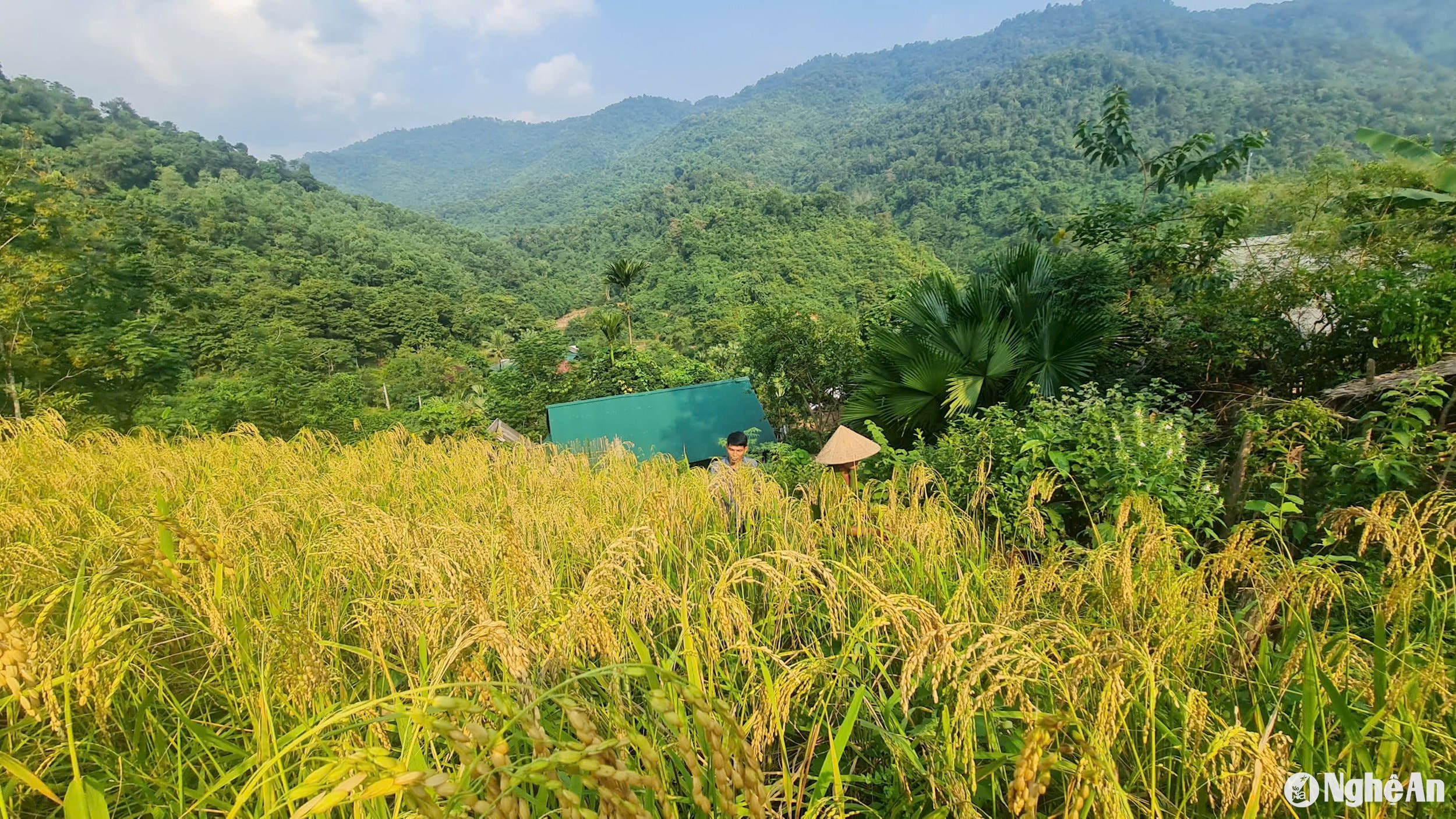
People in the highlands of Nghe An province are entering the rice harvest season. In Xop Kha village, Yen Hoa commune, Tuong Duong district, where 100% of the population are Khmu ethnic people, the villagers cross streams and climb mountains to harvest the ripe, golden rice.
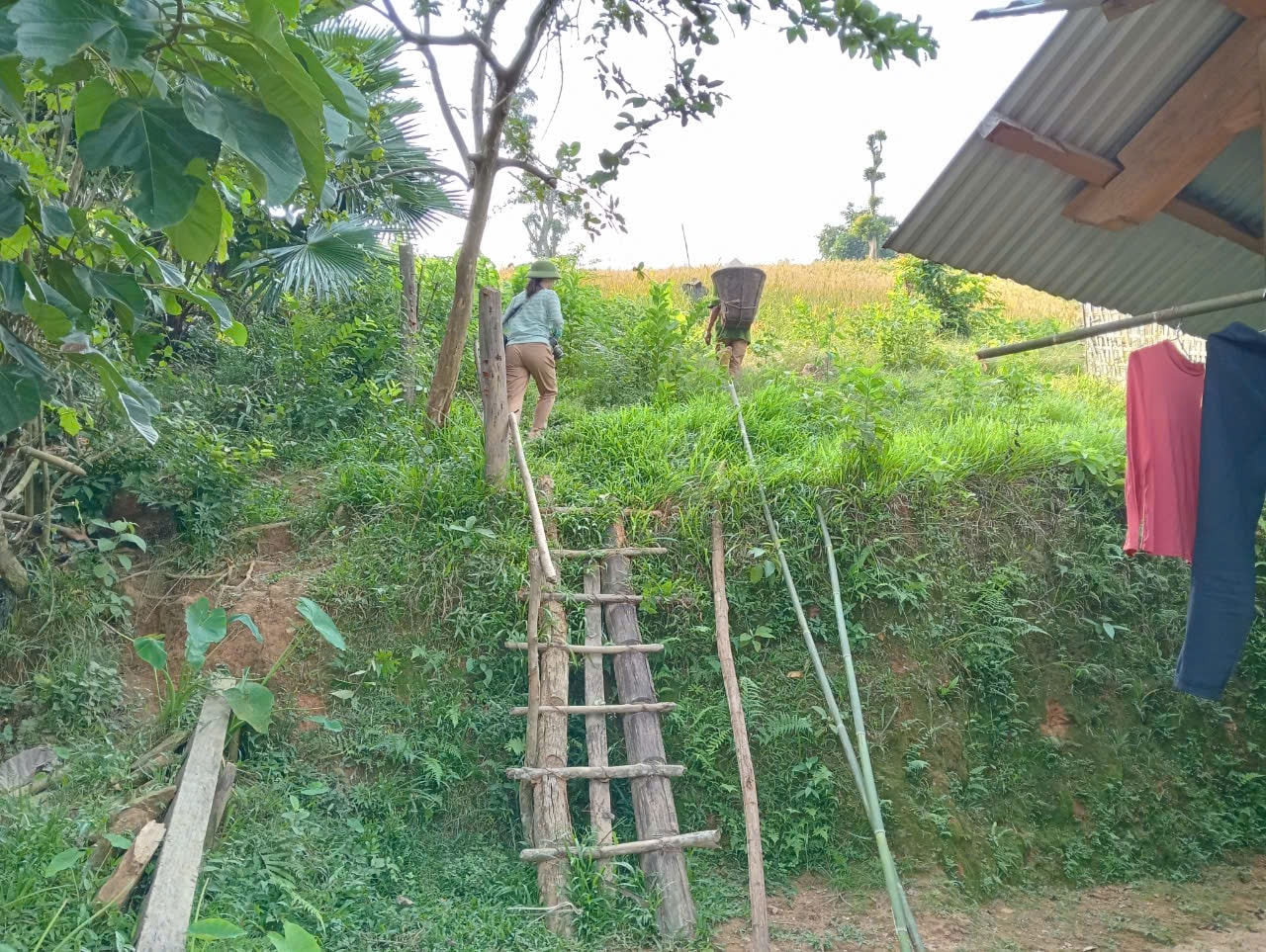
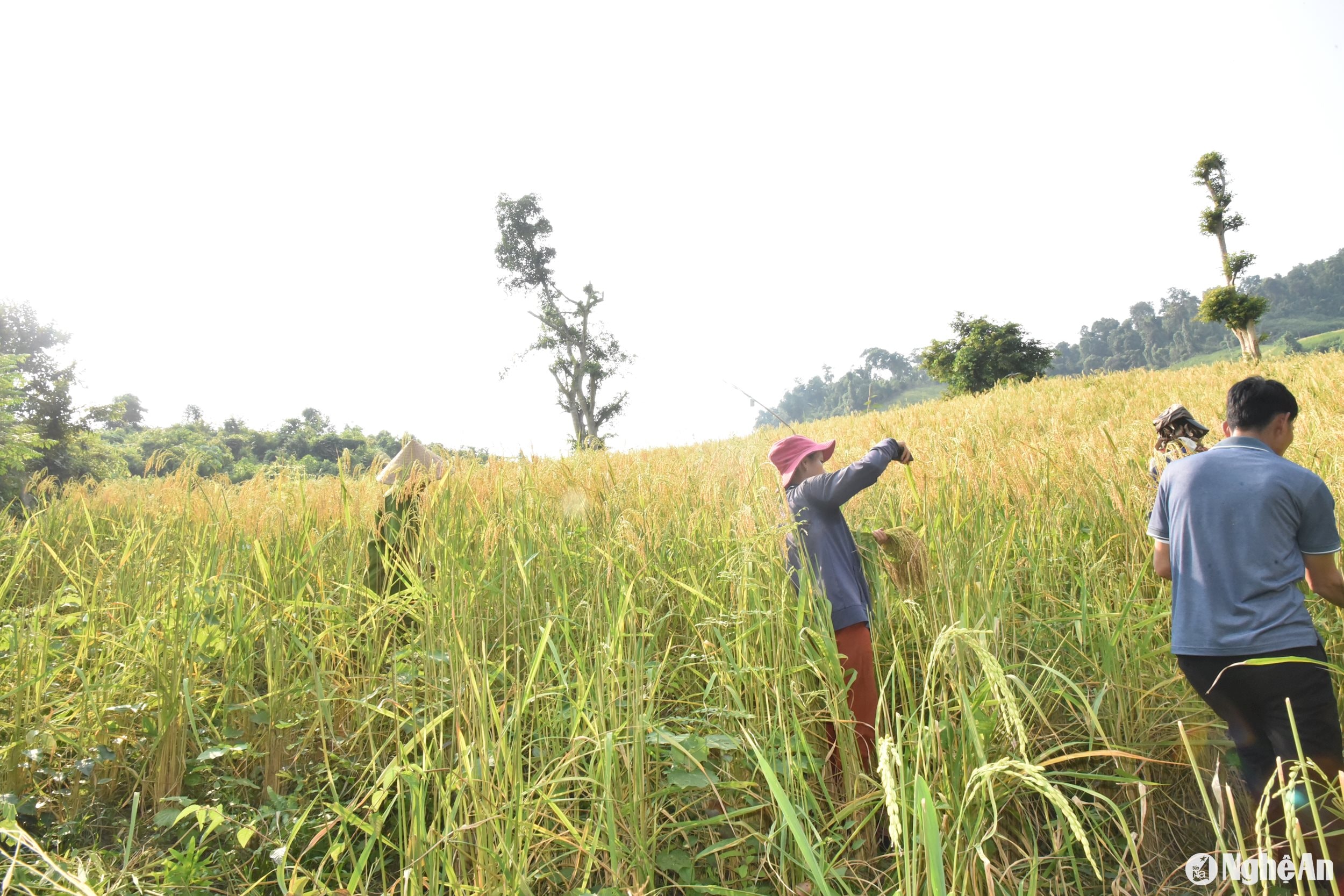
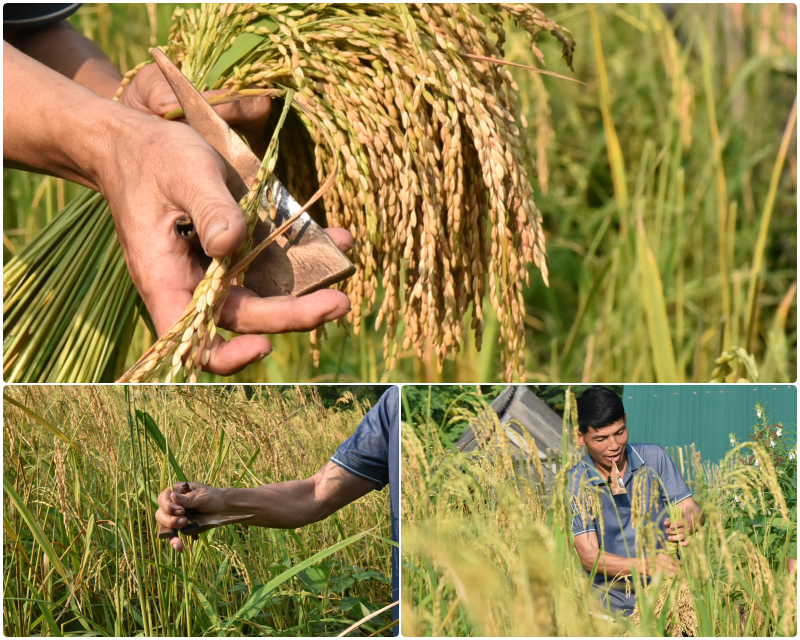
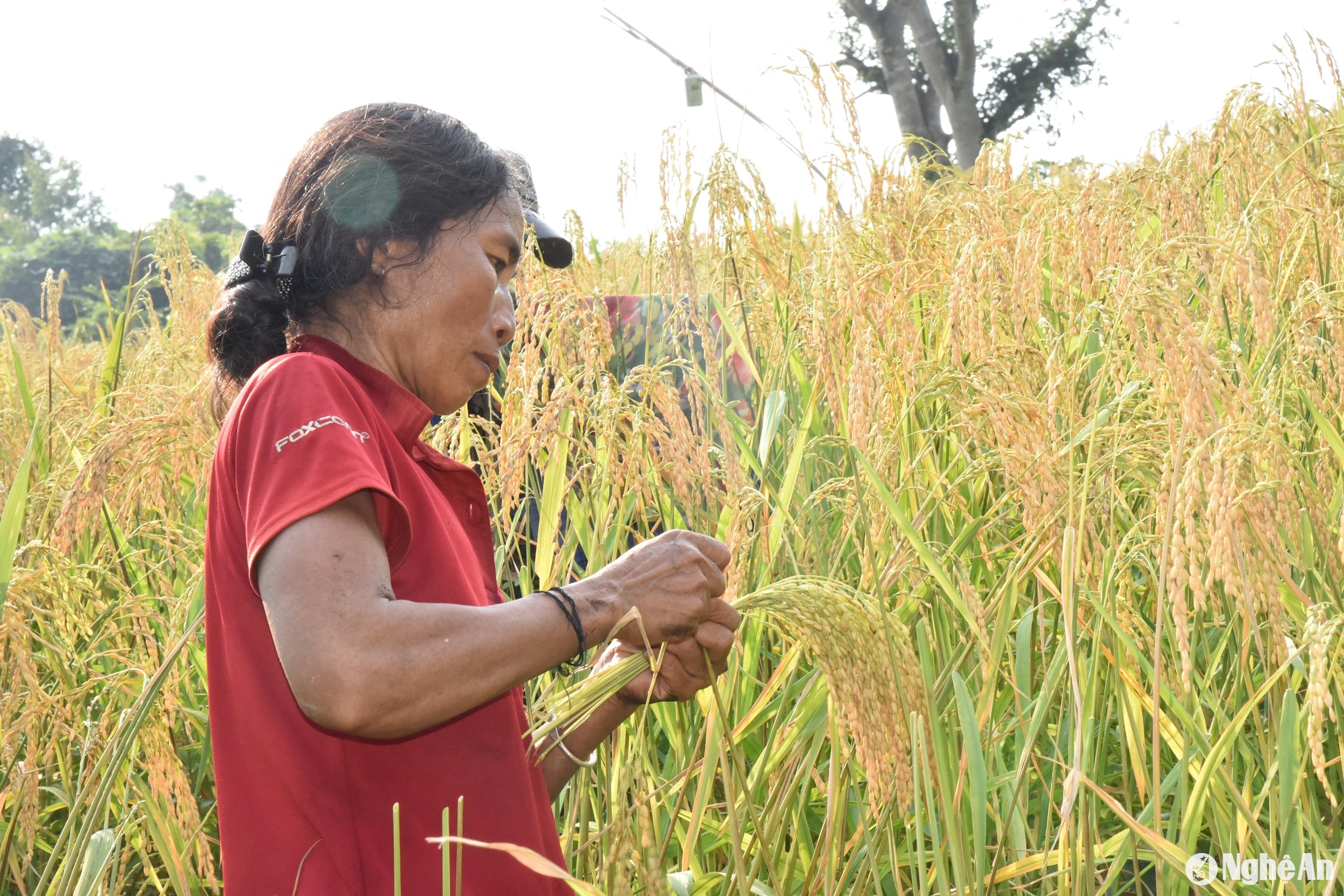
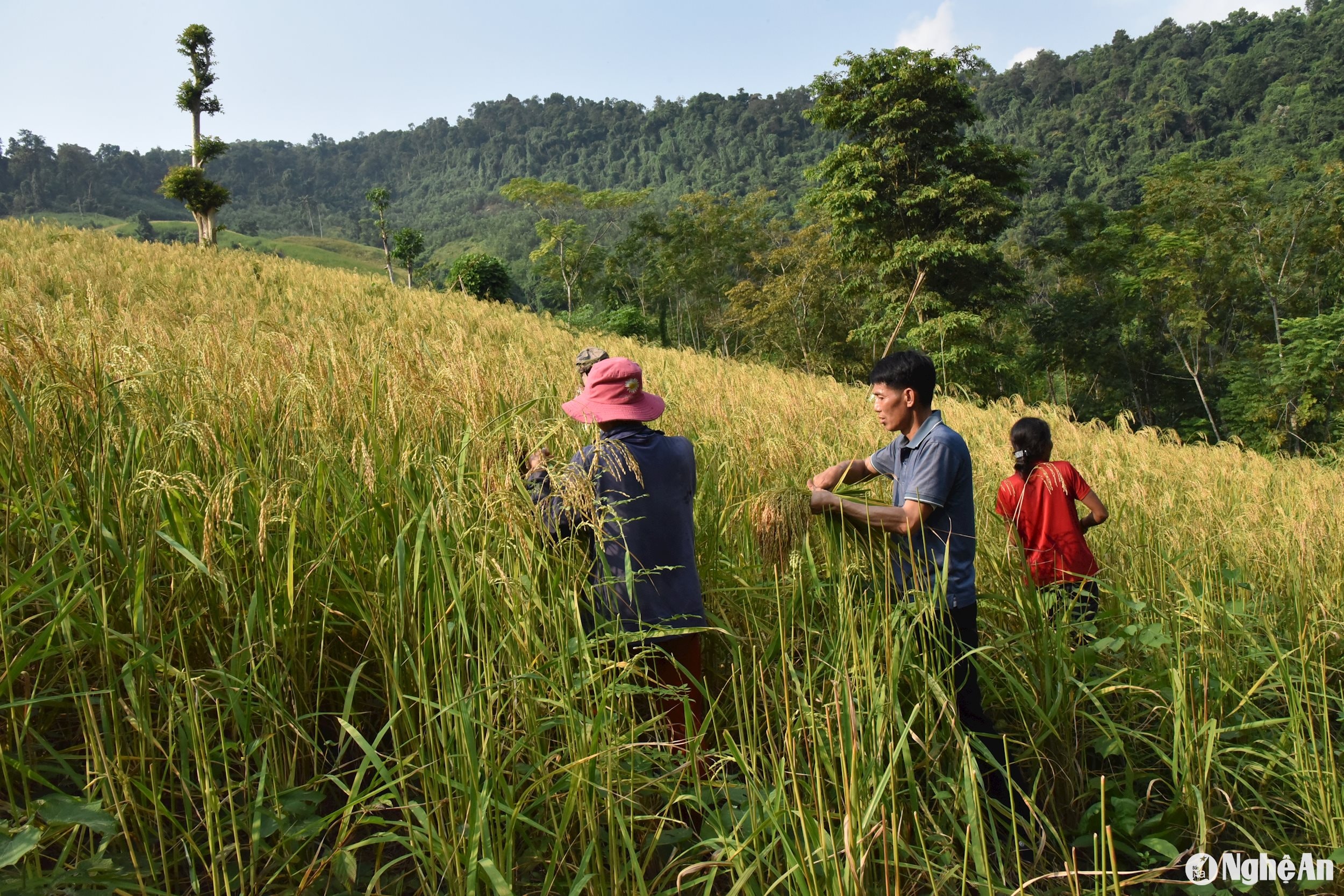
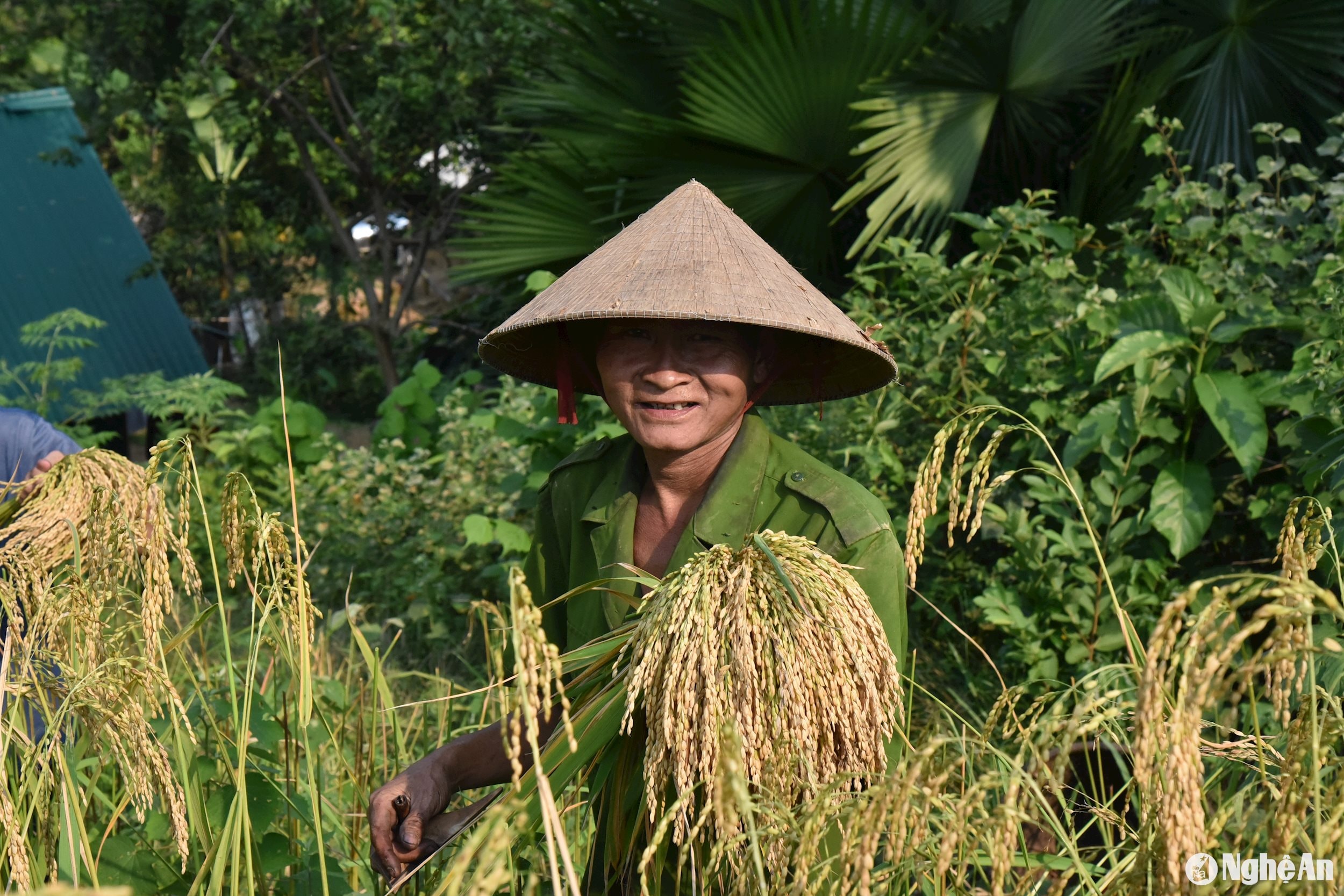
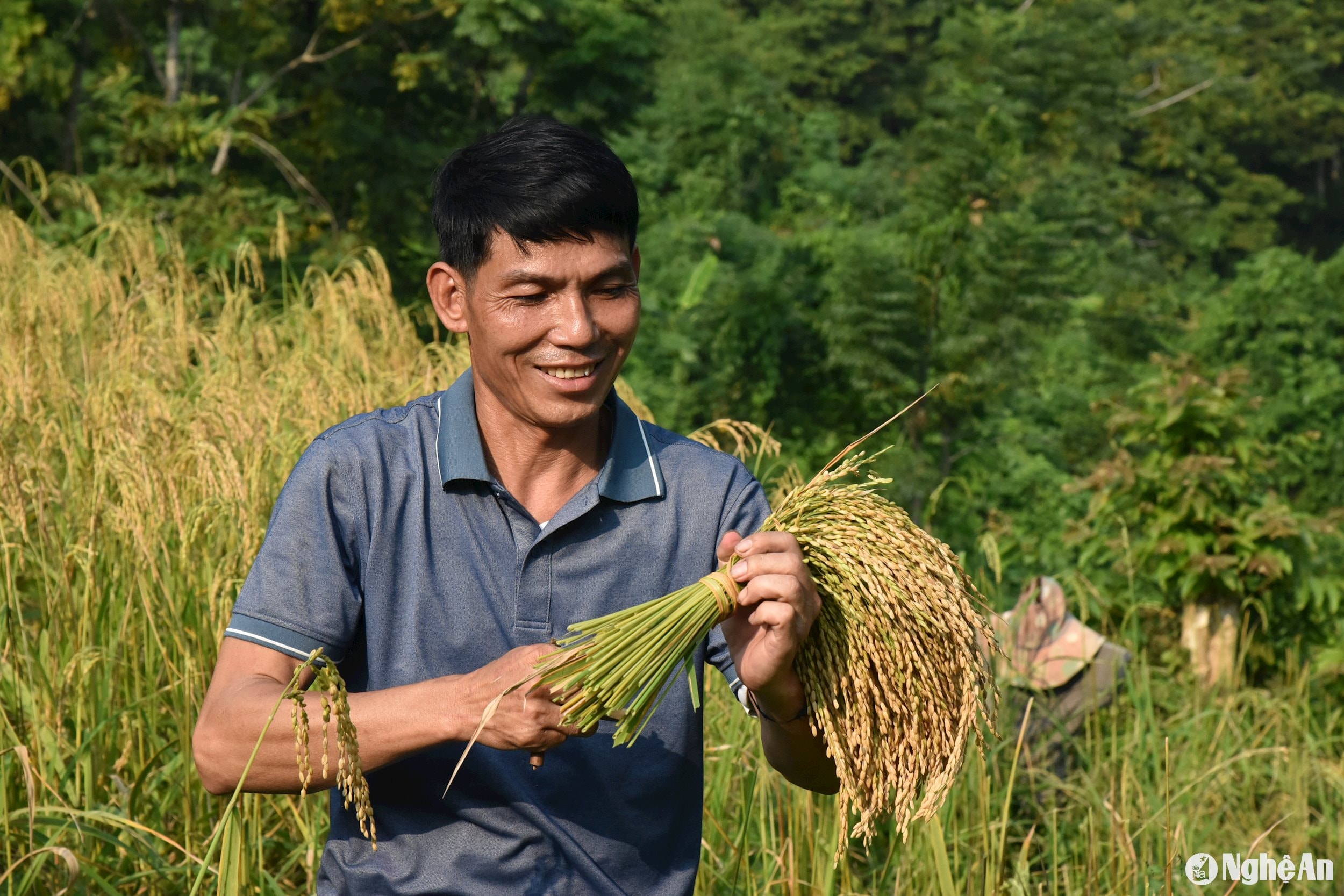
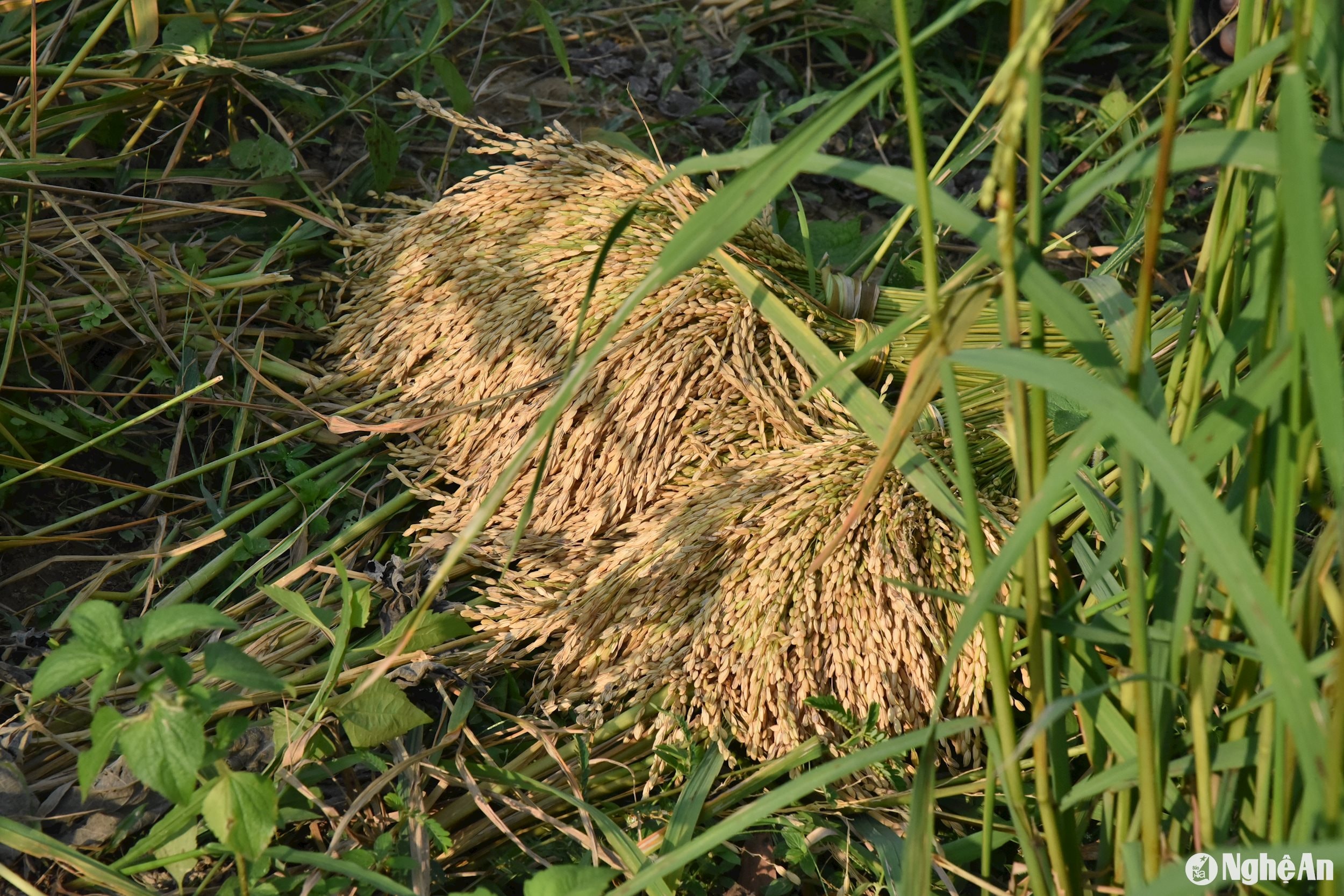
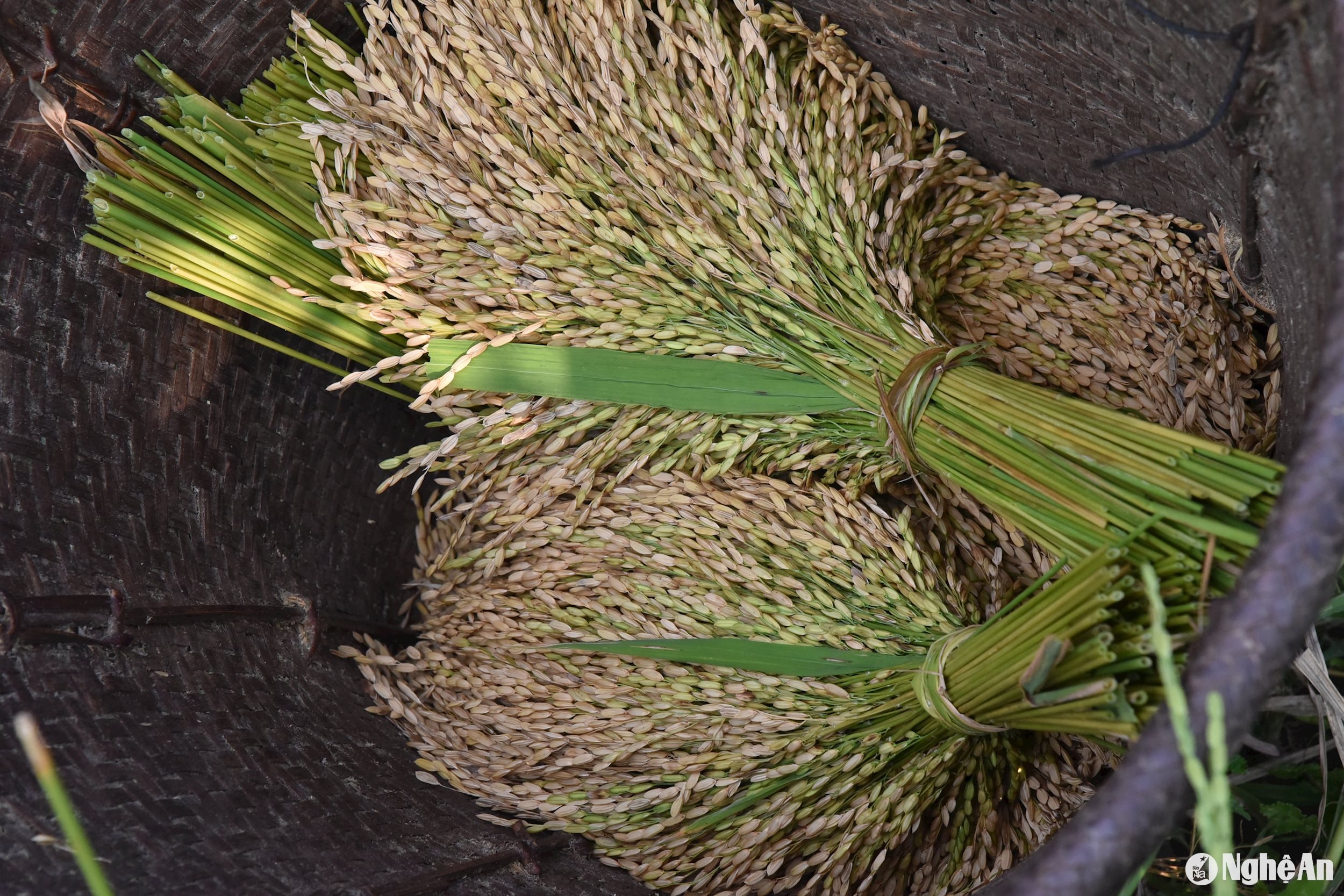
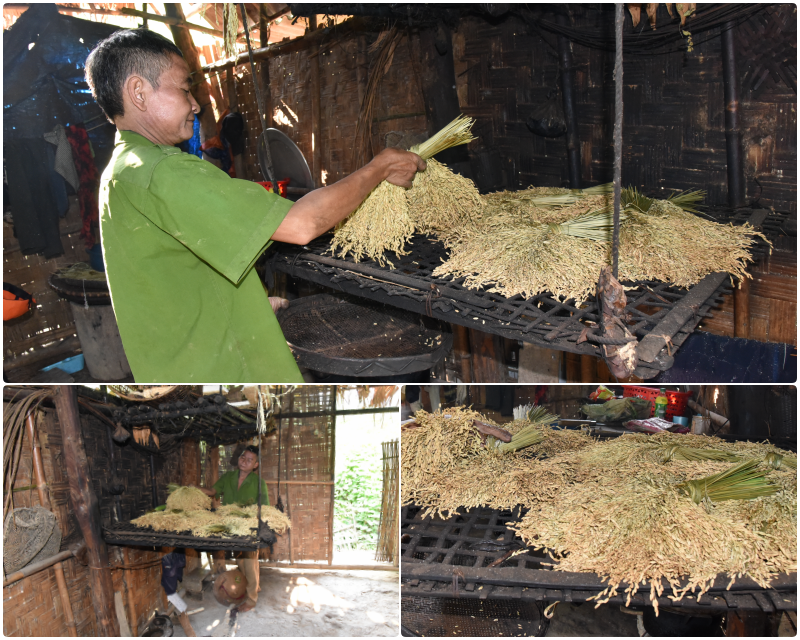
At this time of year in the mountainous districts of Nghe An province, the rice fields and terraced paddies have begun to ripen, covering the mountain slopes in a vibrant golden color. The Khơ Mú people in Tuong Duong district are no exception; this is the time for them to harvest their golden crop. (Photo: HT)The Khơ Mú people in Xốp Kha village, Yên Hoà commune, typically cultivate two rice crops a year on their high-altitude fields. Therefore, ladders are often needed to reach the fields, and the slopes are quite steep. (Photo: HT) The golden rice paddies in Xop Kha village, bathed in sunlight, are ready for harvest. The villagers often help each other harvest the rice using the traditional "rolling" method. Due to the unique characteristics of the fields on the mountain – steep slopes, small areas, and inaccessible to machinery – the Khơ Mú people in Yen Hoa still maintain the traditional manual harvesting method. (Photo: HT)The Khơ Mú people in Yên Hoà use a narrow-bladed sickle to harvest rice. This is a traditional tool that has been used by the people for generations. The sickle is made from iron and bamboo, small and compact, fitting comfortably in the palm of the hand. “Here, people usually use the sickle to select and harvest evenly ripened rice stalks with large, firm grains for seeds. They usually harvest just enough rice for their own consumption. Only at the end of the season, when the rice is fully ripe, do they harvest everything to bring home,” said Lữ Văn Quang, head of Xốp Kha village. (Photo: HT)The rice crop in the fields of western Nghe An province has ripened to a vibrant golden color. In Yen Hoa commune, Vice Chairman of the People's Committee Mong Van Vien stated that the entire commune has 10 hectares of rice paddies, mainly concentrated in Cooc and Canh Khin villages, with some in other villages such as Xop Kha. Over the years, the commune has gradually tested several new high-yielding, disease-resistant rice varieties such as NA2, NA6, SL9, and Huong Thuan. (Photo: HT)Xop Kha village has 85 households. Most households have rice paddies, but rice production is declining as more and more of their children go away to work and send money back to buy rice. Currently, the agricultural workforce in Xop Kha is mainly elderly people. Photo: HTMr. Tham Van Son's family in Xop Kha village grows about 4-5 quintals of rice per year, enough to last until the next harvest. Mr. Son said that his children have all gone away to work, leaving only him and his wife at home. Their rice paddies are located on the hillside next to their house, making harvesting convenient and eliminating the need to travel far like other households. Therefore, he usually harvests the ripe rice stalks and dries them gradually. (Photo: HT)In the 2024 rice crop season, the people of Xop Kha had a bountiful harvest, with a fairly high yield of about 3.5 quintals/hectare, the rice ripened evenly, and the grains were firm. Photo: HTThe harvested rice is tied into small, hand-sized bundles. Photo: HTPut them in a basket and carry them home. Photo: HTOn sunny days, people hang the rice on drying lines; on rainy days, the rice is dried over a fire. The Khơ Mú people usually plant glutinous rice during the harvest season, both to make new rice flakes and to steam sticky rice for upcoming festivals and holidays. Photo: HTThe Khơ Mú people in western Nghe An province harvest their rice crop. Clip: HT