Những người phụ nữ thường xuyên bị đòn roi, áp lực về tinh thần sau nhiều năm tháng chịu đựng đã nói ra được những ẩn ức của cuộc đời mình. Đối với họ việc chịu những cơn bạo hành khủng khiếp của những người chồng nghiện rượu, bồ bịch đã trở thành cơm bữa, không có cách gì thoát ra.
Thanh Nga - Diệp Thanh | Ngày xuất bản: 27/11/2024
BÀI 1: “Cơn ác mộng” dưới những mái nhà
Thanks to the Gender-Based Violence Prevention and Control Project of Hagar International in Vietnam, women who have regularly suffered physical abuse and psychological pressure for years have been able to speak out about the hidden pains of their lives...
Horrifying beatings
Anyone who hears the story of Ms. HTL in Hamlet 2, Quynh Luong Commune, Quynh Luu District will feel heartbroken by her extreme suffering. A smart, beautiful, and academically gifted girl, everyone thought that after graduating from Vinh University of Education, Ms. L.'s life would take a turn for the better with a bright future. But after getting married, before her dream of happiness could even materialize, she fell into a series of misfortunes.
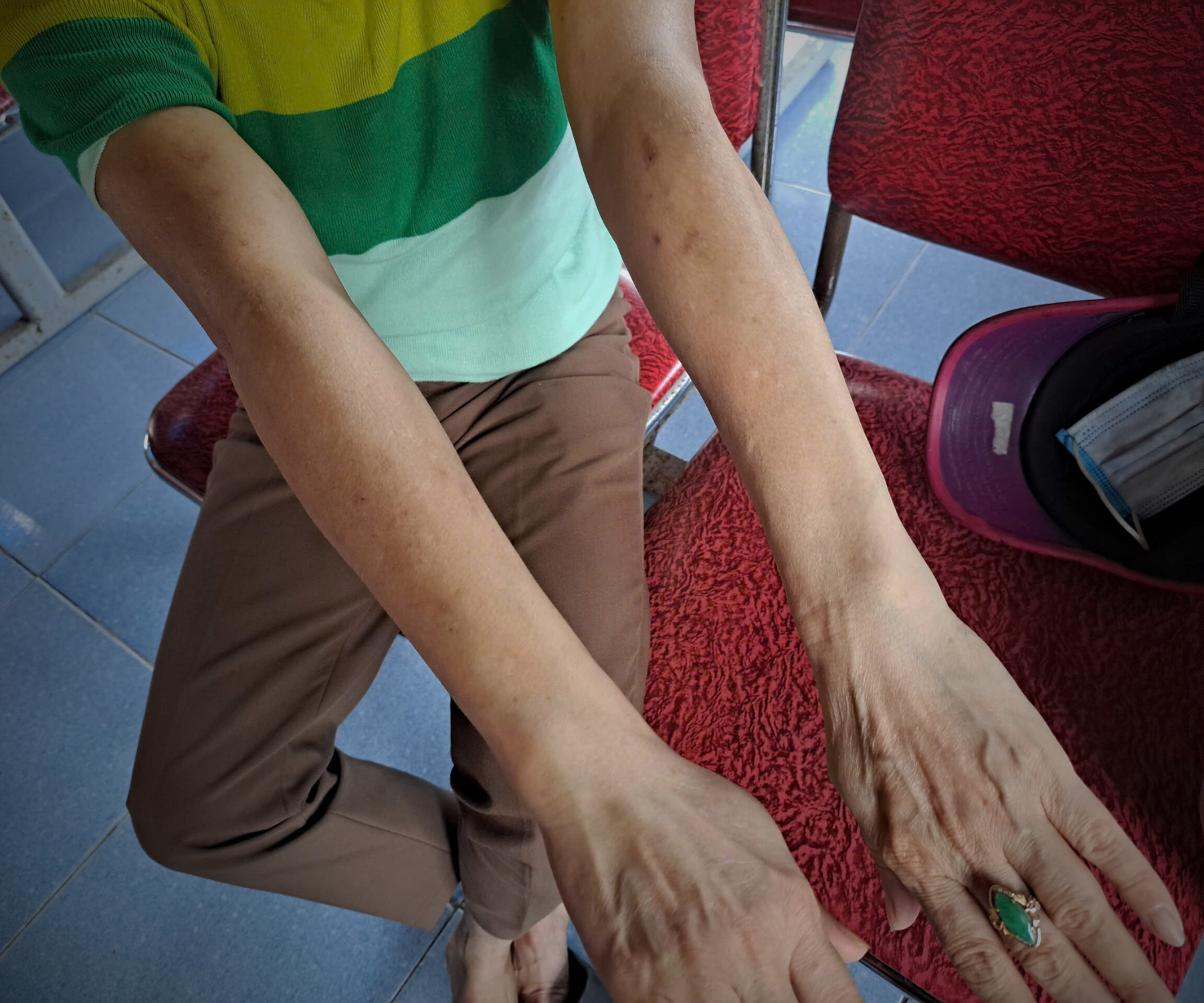
Ms. L. bears numerous marks from her husband's beatings and her children's scratches, while her health deteriorates due to illness. Photo: Diep Thanh
Of her three sons, only the middle one is normal; the other two suffer from autism and are unable to care for themselves. Believing his wife was useless, her husband became unfaithful, disrespected her, openly had an affair, and physically and mentally abused her. Suffering from a blood clotting disorder, the beatings were even more horrific. The worst incident occurred when her husband beat her so severely in the middle of the night that her spleen was ruptured, blood flooded her abdominal cavity, and she fainted, but no one noticed…
“I’m terrified of being beaten, but that fear is nothing compared to the fear of my children being fatherless. I know that every time I’m beaten, my children suffer deep psychological trauma, but what can I do? Their maternal grandparents have both passed away, and they have nowhere else to turn…” – Ms. L. confided.
Clip: Thanh Nga - Diep Thanh
Also in Quynh Luong commune, besides the story of Ms. L., people also sympathize with the plight of Ms. NTT (Hamlet 5). Despite being poor, because her husband wanted a son, she gave birth to eight daughters. These children frequently witnessed their mother being beaten by their father. “Before, he wasn’t that cruel, but because he was ridiculed and looked down upon for not having a son, he became depressed and turned to alcohol to drown his sorrows. Whenever he was drunk, he would pick fights and beat me,” Ms. T. confided.
Like Ms. L., Ms. T., also from Quynh Thang commune, Quynh Luu district, has spent most of her life in a state of anxiety and fear. The reason for her husband's beatings stemmed from blind jealousy. Because of this blind jealousy, her husband frequently listened to the instigation and provocation of bad people and subjected her to brutal beatings with hoes, shovels, knives, and sticks.
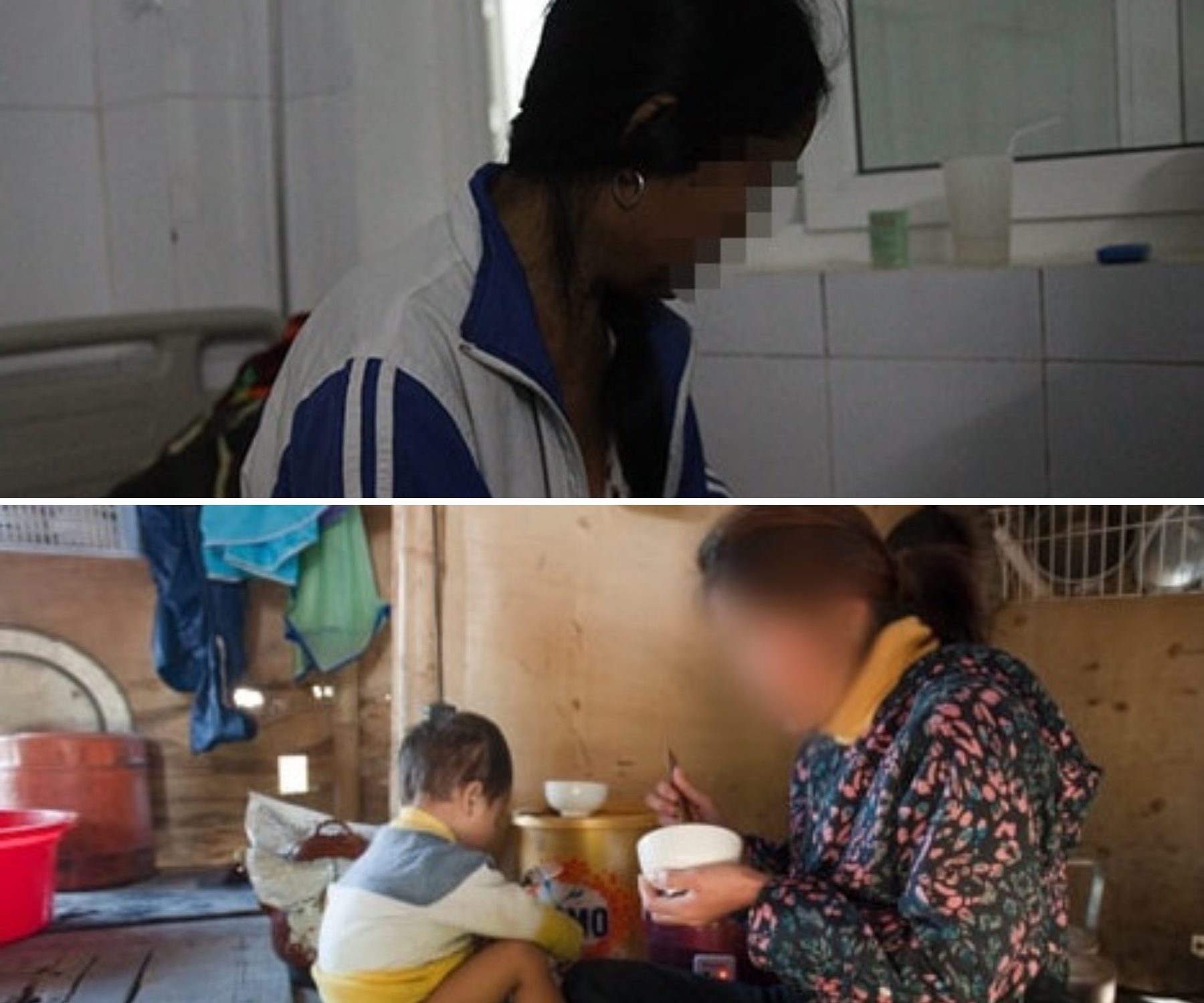
In Nghe An province, there are numerous complex cases of domestic violence, causing serious physical and mental harm to women. (Photo: Archival image)
These stories are just a part of the grim, multifaceted picture of domestic violence in Quynh Luu district in particular and Nghe An province in general. There are many more heartbreaking and horrific cases...
A persistent obsession
As someone who has directly participated in and witnessed many cases of domestic violence in the commune, Mr. Ho Dien Canh shared: “Quynh Thang is a commune with a large area and sparsely populated houses, so detecting and managing domestic violence is very difficult. Victims themselves also find it difficult to seek help in emergency situations. We have witnessed cases where husbands were very aggressive, potentially endangering both their children and those trying to mediate.”
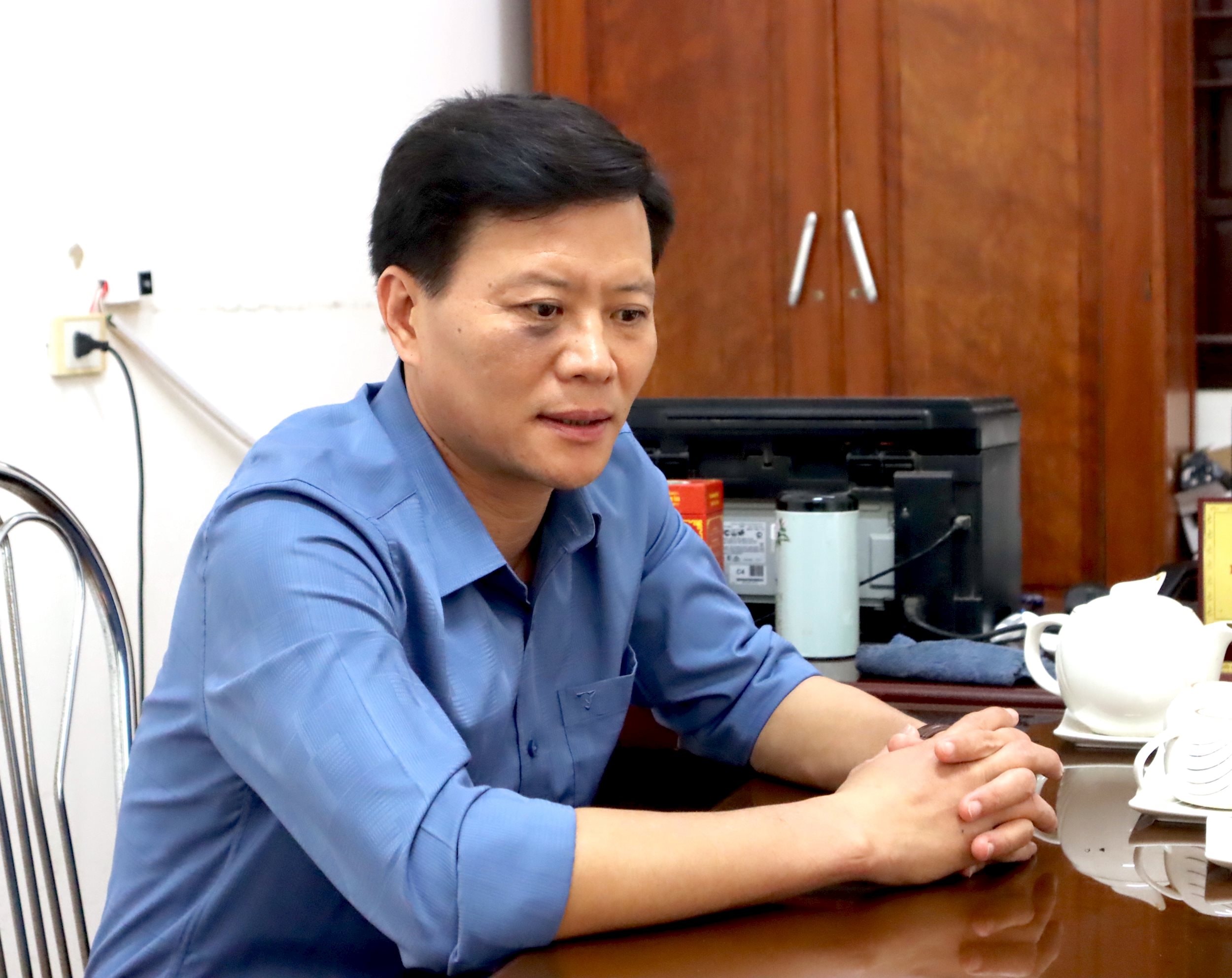
Mr. Ho Nguyen Tuan - Vice Chairman of the People's Committee of Quynh Luong Commune
"
In our area, domestic violence takes many forms, from psychological abuse to physical violence and sexual violence. Every story is haunting, and every victim carries significant trauma and fear.
Mr. Ho Nguyen Tuan - Vice Chairman of the People's Committee of Quynh Luong Commune
Mr. Ho Nguyen Tuan, Vice Chairman of the People's Committee of Quynh Luong commune, shared: "In our area, domestic violence takes many forms. From psychological violence to physical violence and sexual violence. There are women whose breasts are bitten raw by their husbands, some who are sprayed with cold water in the middle of a winter night, some who dare not sleep for fear their husbands will kill them at any moment, and some who fall into depression… Every story is haunting, and every victim carries trauma and fear."
Mr. Le Xuan Dong, former coordinator of the Gender-Based Violence Prevention Project at Hagar International in Vietnam, stated: Many still mistakenly believe that risk factors leading to violence are the main causes of domestic violence. Specifically, about one-third of those surveyed believe that the main cause of domestic violence is men's alcoholism, gambling/having extramarital affairs/addictions. The rest blame women's clumsiness and lack of social skills, economic difficulties, or the abusive nature of men…
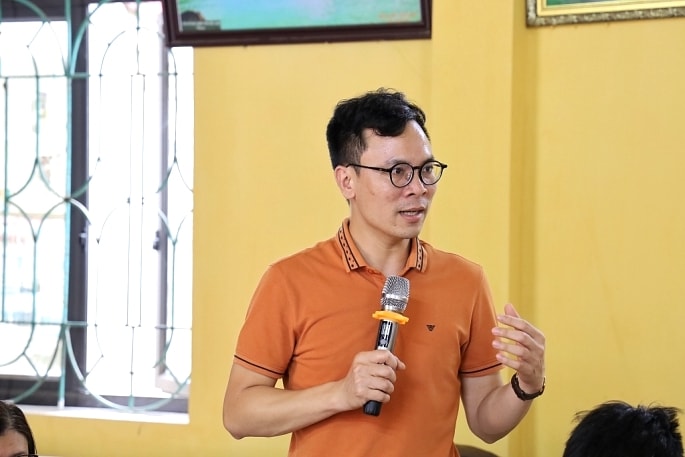
Mr. Le Xuan Dong, former Project Coordinator for Gender-Based Violence Prevention at Hagar International in Vietnam, believes that most perpetrators of domestic violence have also experienced serious psychological trauma. (Photo: CSCC)
However, the root of domestic violence lies in outdated notions such as the husband/male figure having the final say in family matters; a good wife must be obedient to her husband; and a wife remaining silent during violence to protect the family's reputation is considered wise. Surveys show that those who perpetrate violence have themselves experienced past psychological trauma. Without understanding the root of the problem, domestic violence will never end.