From the beginning of the year, the Provincial Department of Livestock and Veterinary Medicine proactively advised the Provincial People's Committee to issue numerous directives and implement the Rabies Prevention and Control Program. As a result, people have shown greater interest in vaccinating their dogs and cats against rabies.
Timely treatment of disease outbreaks.
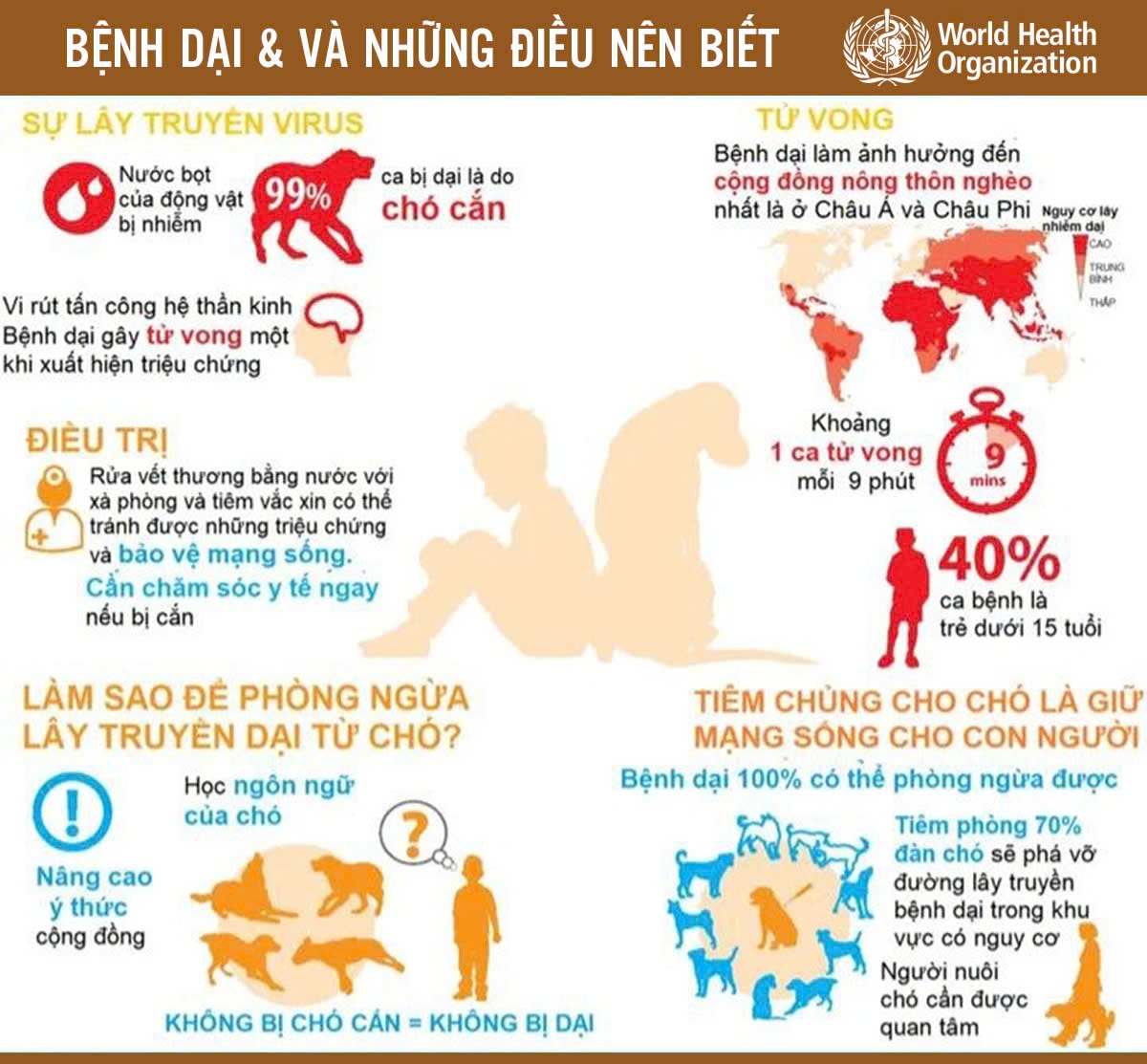
Rabies is a zoonotic infectious disease. Dogs and cats are the primary carriers and carriers of the disease to humans. Once rabies symptoms develop, it is incurable.
According to the Provincial Department of Livestock and Veterinary Medicine, from the beginning of 2024 to November 2024, 14 cases of rabies in dogs have been reported in Nghe An province, in 14 communes across the districts of Quy Chau, Thai Hoa town, Tan Ky, Yen Thanh, Nghia Dan, and Nam Dan. A total of 16 dogs were infected with rabies.
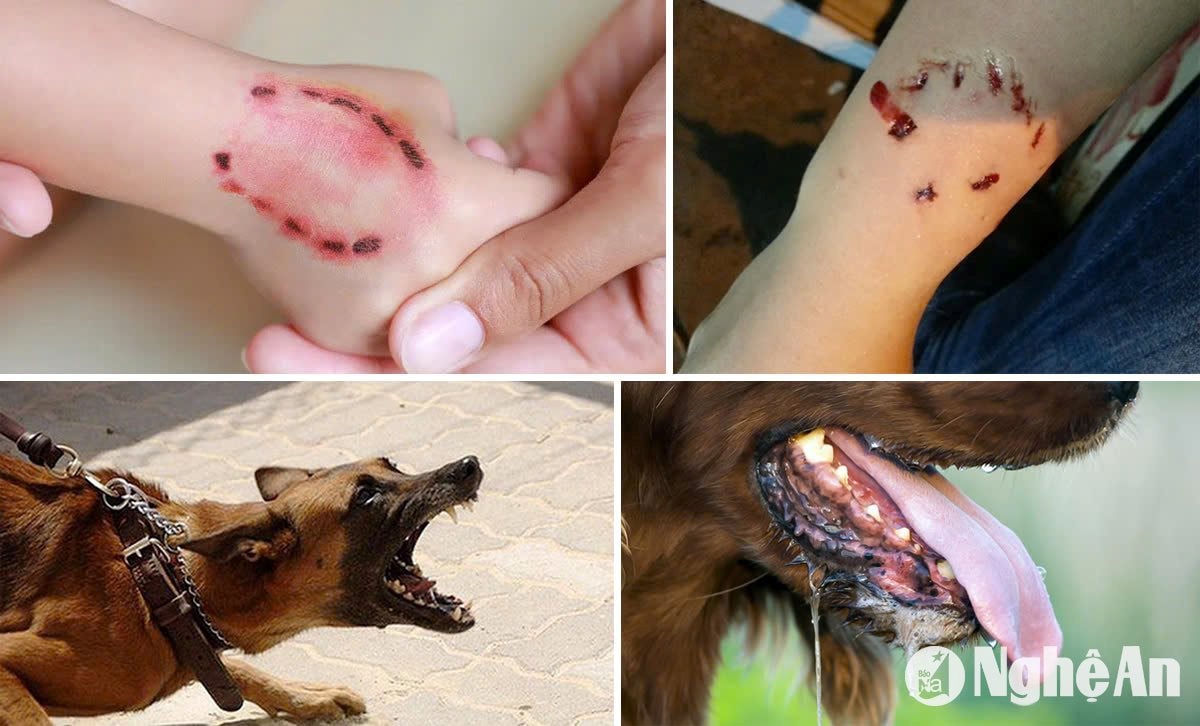
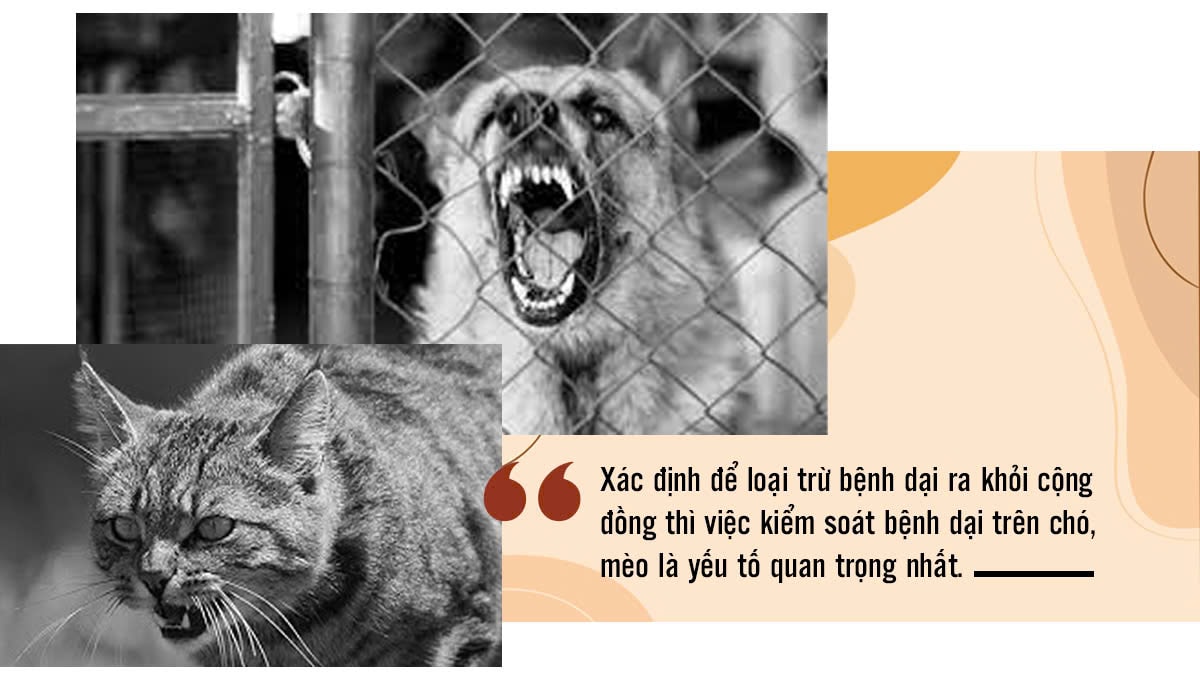
Rabies is a very dangerous disease. (Photo: Archival image)
To eliminate rabies from the community, controlling the virus that causes the disease in dogs and cats is the most important factor. The specialized agency, the Provincial Department of Livestock and Veterinary Medicine, has proactively advised the Department of Agriculture and Rural Development to submit to the Provincial People's Committee numerous documents, directives, and instructions to implement the rabies prevention and control program, and annually allocates funds to implement rabies prevention and control measures.
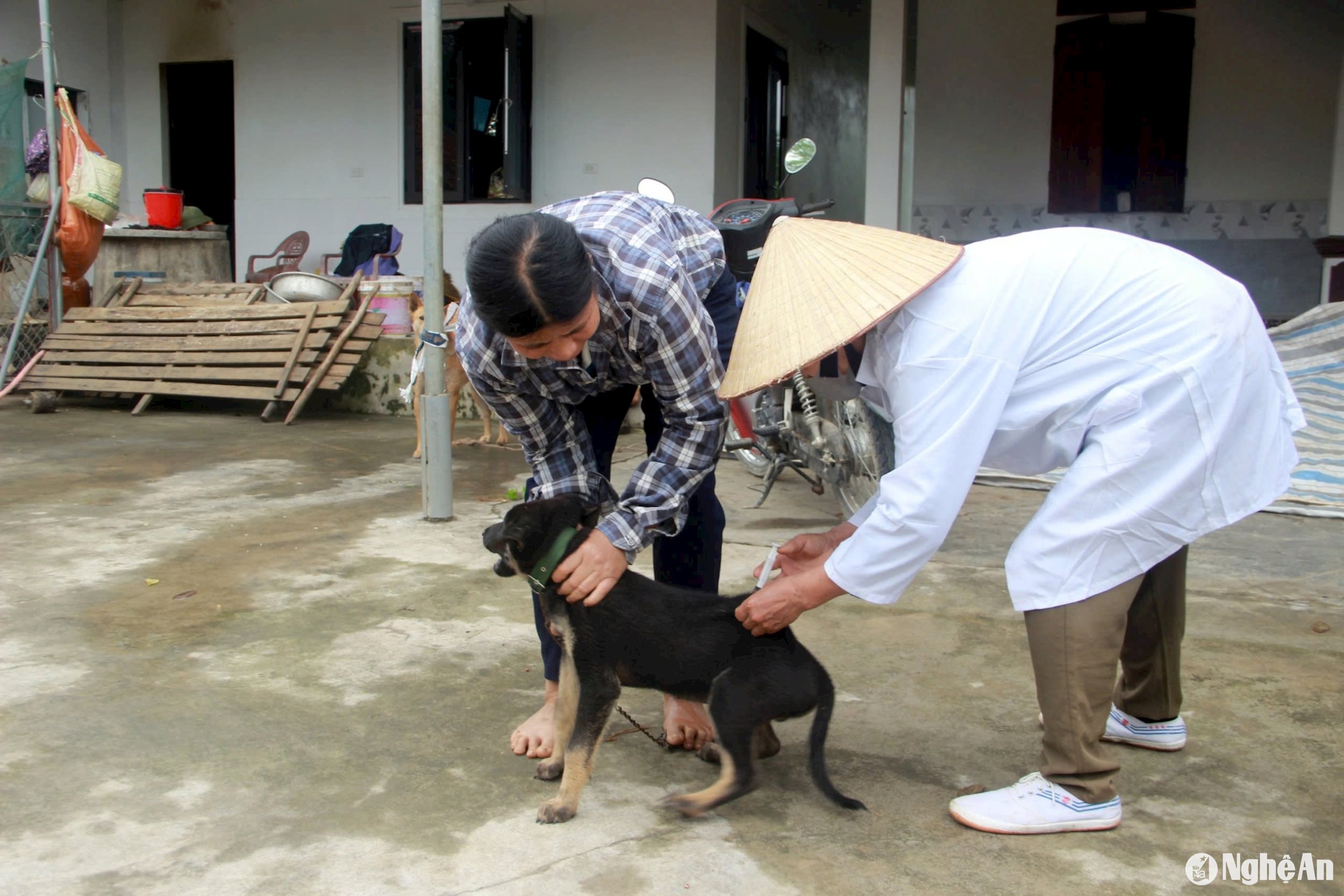
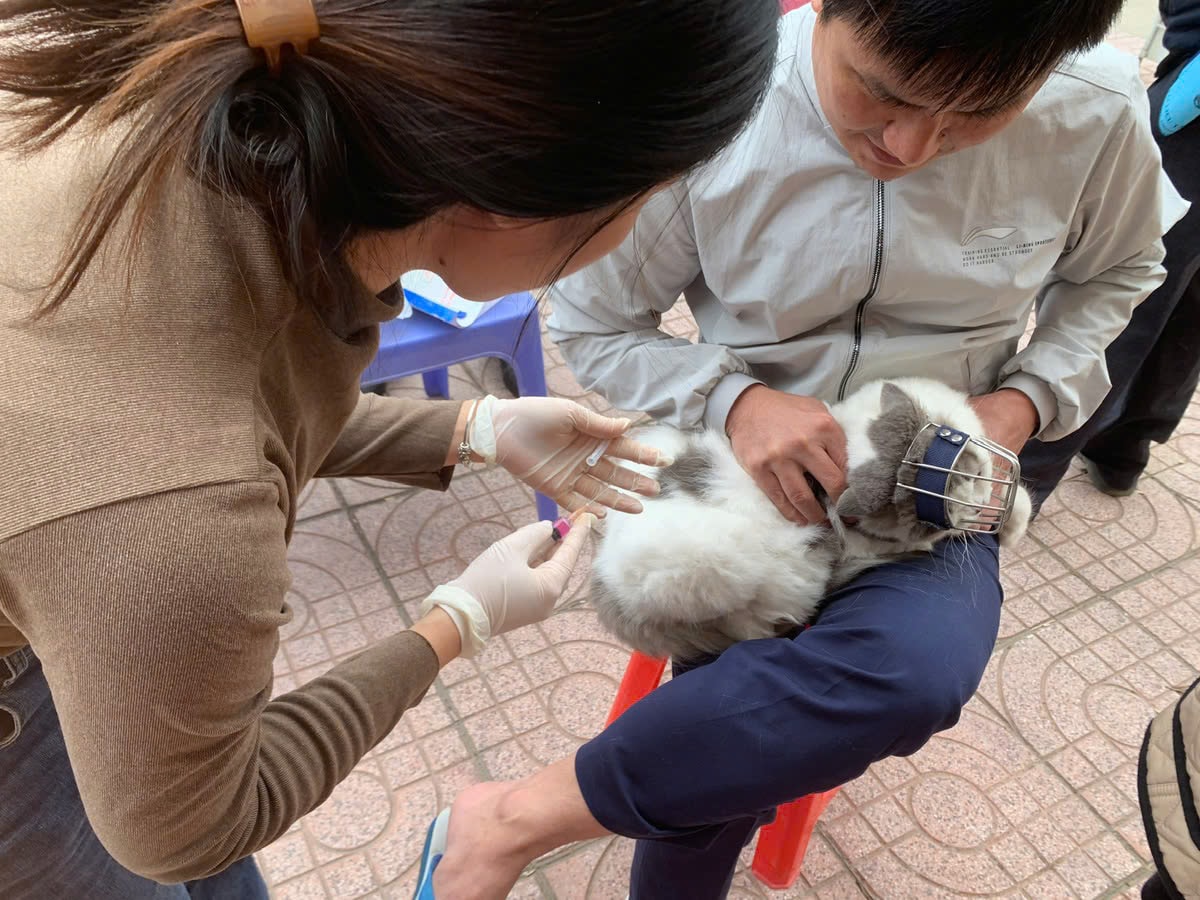
Every year, people need to proactively vaccinate their dogs and cats against rabies. Photo: CSCC
"
Nghe An province has issued Directive 06/CT-UBND dated March 14, 2024, on strictly implementing measures to prevent and control animal rabies and avian influenza.
Simultaneously, from the beginning of the year, the relevant departments implemented solutions such as disseminating information through television, newspapers, documents, handbooks, and inspecting rabies prevention and control work at the grassroots level; the province organized training courses on state management of veterinary services for grassroots veterinarians, disease surveillance, and the establishment of animal disease-free zones, including rabies-free zones; and the districts organized numerous training courses on rabies prevention and control, as well as skills in catching dogs for vaccination, handling rabies outbreaks, and investigating outbreaks.
Since then, people have become aware of the dangers of rabies, so the vaccination rate against rabies for dogs and cats has gradually increased, with the vaccination rate rising year after year.
This year, as of November 2024, over 200,000 dogs and cats have been vaccinated, reaching more than 70% of the total population.
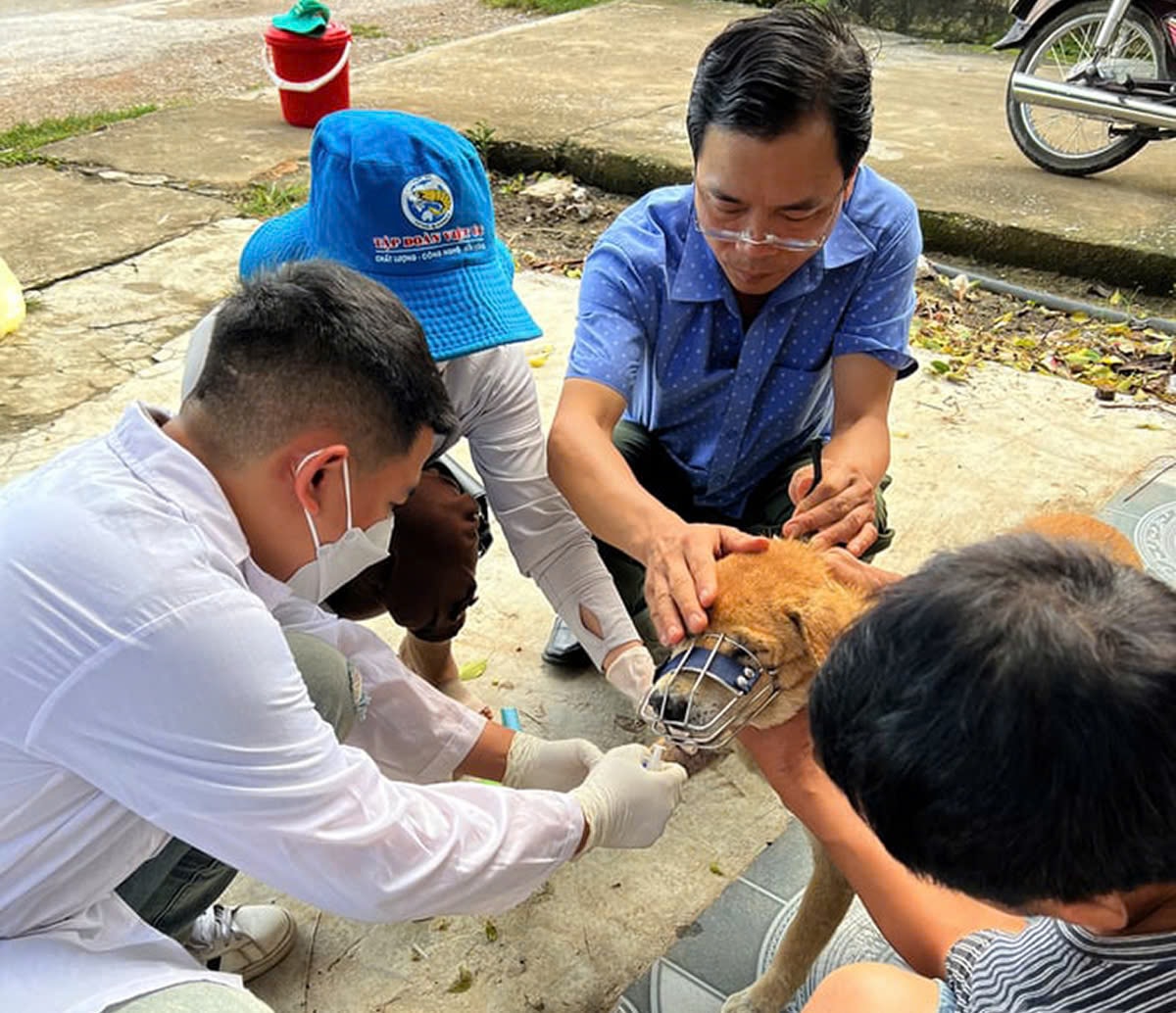
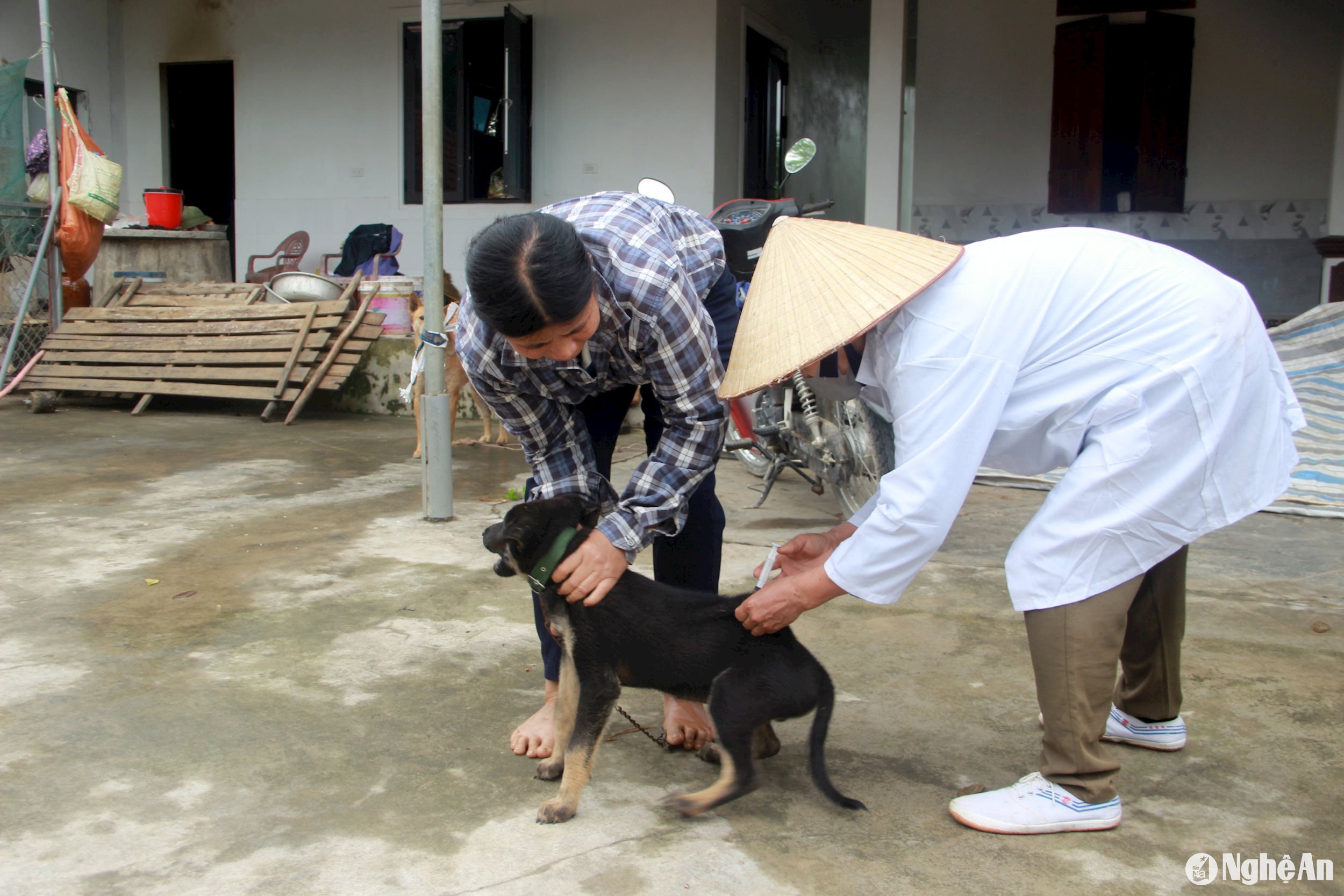
Rabies vaccination in Tan Ky district. Photo: Quang An
Thanks to public awareness of the dangers of rabies and a high vaccination rate, there have been no large-scale rabies outbreaks in the province. Several small, isolated cases have been handled by local veterinarians and authorities. Upon receiving information about outbreaks from local sources, the Provincial Department of Animal Husbandry and Veterinary Medicine coordinates with local authorities to quickly and effectively manage outbreaks and implement containment vaccinations. Regular rabies surveillance sampling is conducted in all districts, cities, and towns.
Local authorities are raising awareness and encouraging people to get vaccinated against rabies. Photo: Quang An
Proactive rabies prevention
Rabies is caused by the rabies virus, a genus of Lyssavirus belonging to the Rhabdoviridae family, found in the saliva of infected animals. Infected animals transmit the virus to other animals or humans through bites. In some cases, rabies can be transmitted through contact of saliva with open wounds, mucous membranes of the eyes, or nose. For example, if an infected animal, still in the incubation period, licks a wound on your skin, you can become infected.
Vaccination is the best way to prevent rabies. Photo: Quang An
It can be affirmed that the cause of rabies in dogs and cats is the circulation of the pathogen within large dog populations. Unvaccinated dogs lack active immunity and are therefore susceptible to the disease. Meanwhile, people are still complacent about rabies, failing to seek timely medical attention after being bitten by infected dogs.
"
In recent times, significant achievements have been made in rabies prevention and control. Authorities at all levels have shown genuine concern for rabies prevention and control, especially at the grassroots level, which previously often left the responsibility to veterinary forces. Now, they have directed relevant departments and agencies to cooperate and work together to eliminate rabies from the community. They have proactively detected and contained rabies outbreaks in animals, limiting damage and preventing spread to humans.
Mr. Tran Vo Ba - Deputy Head of the Provincial Department of Livestock and Veterinary Medicine
People understand that rabies is a zoonotic disease; they recognize that pet dogs pose a high risk of rabies transmission to humans, thereby raising awareness in rabies prevention and control, in rabies vaccination for dogs, and in the management of pet dog populations. Anyone bitten by a dog is required to seek immediate prophylactic treatment for rabies and not use other methods to treat the disease.
Authorities issue a warning about rabies. (Photo: Archival image)
Since the majority of rabies cases are caused by dog bites, the first thing you need to do to prevent the disease is to vaccinate your dogs and cats. This is a highly effective preventive measure and has been proven to be the best for both pets and humans.
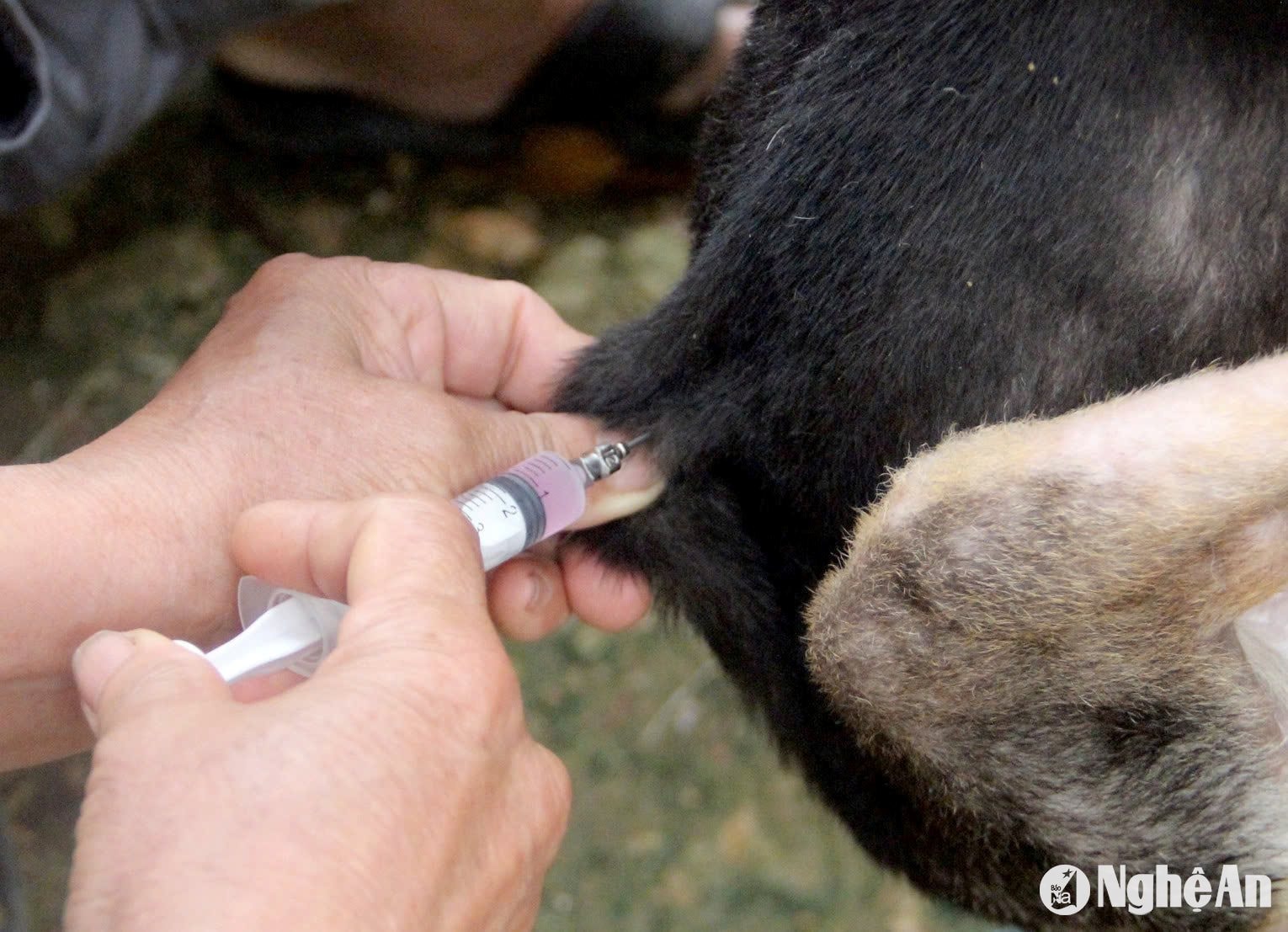
People get vaccinated against rabies from dogs. Photo: Quang An
Rabies is a highly fatal disease, therefore, it is necessary to strengthen community education about the severity of the disease and the importance of vaccination. Families with pets should pay even more attention to this issue, and should also learn about preventing dog bites and first aid in case of a dog bite. Preventing dog bites includes methods such as: not letting dogs roam freely; muzzling dogs; and keeping dogs on a leash when walking them outdoors.
"
To minimize the impact of rabies, in the coming period, People's Committees at all levels need to be more proactive in developing and organizing annual rabies prevention and control plans, allocating budgets to ensure the implementation of these activities. They should mobilize resources to focus on implementing local rabies prevention and control solutions.
"Prioritizing disease prevention and control is a top priority, further enhancing the role of Party committees, government agencies, and mass organizations at the grassroots level in disease prevention work. Effectively managing the dog population in the area, and annually organizing rabies vaccination for at least 80% of the total dog population."
In addition, strictly handle violations of regulations in disease prevention and control and the management of pet dogs and cats. Coordinate closely with the Provincial Center for Disease Control to strengthen surveillance and control of rabies, and promptly detect and handle cases of rabies in dogs or suspected cases of rabies. Strengthen widespread public awareness campaigns through various means to ensure people understand the dangerous nature of rabies and how to prevent and control it. Strengthen control, quarantine, and transportation of dogs and strictly handle illegal dog transportation in accordance with veterinary laws...