Unique 244-year-old ancient house attracts the most tourists in Hoi An.
Ha Nam•December 20, 2024 16:53
Boasting a unique and impressive architectural design, and being one of the most popular tourist destinations in Hoi An, the Phung Hung ancient house has been preserved in its original state despite being 244 years old.
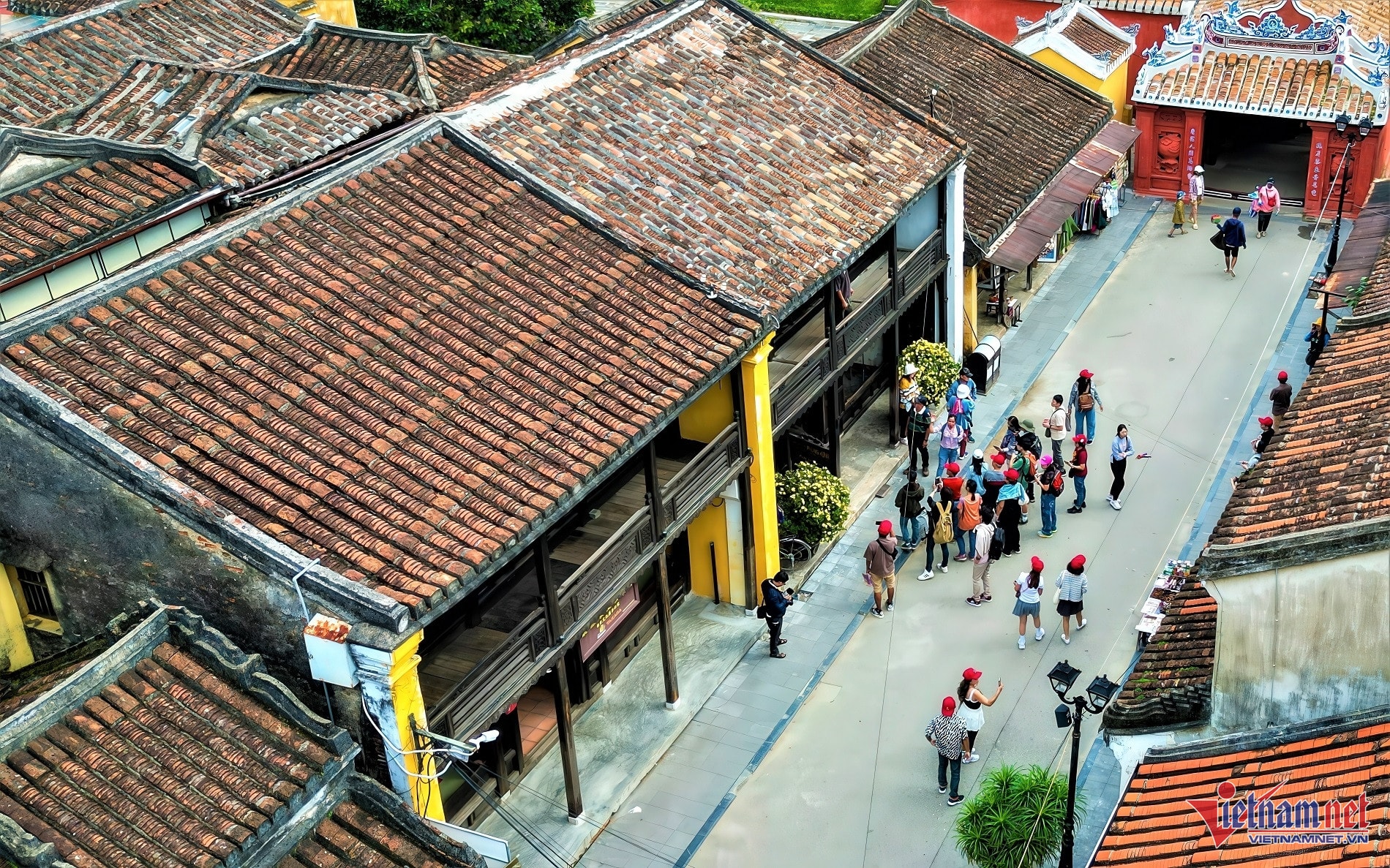
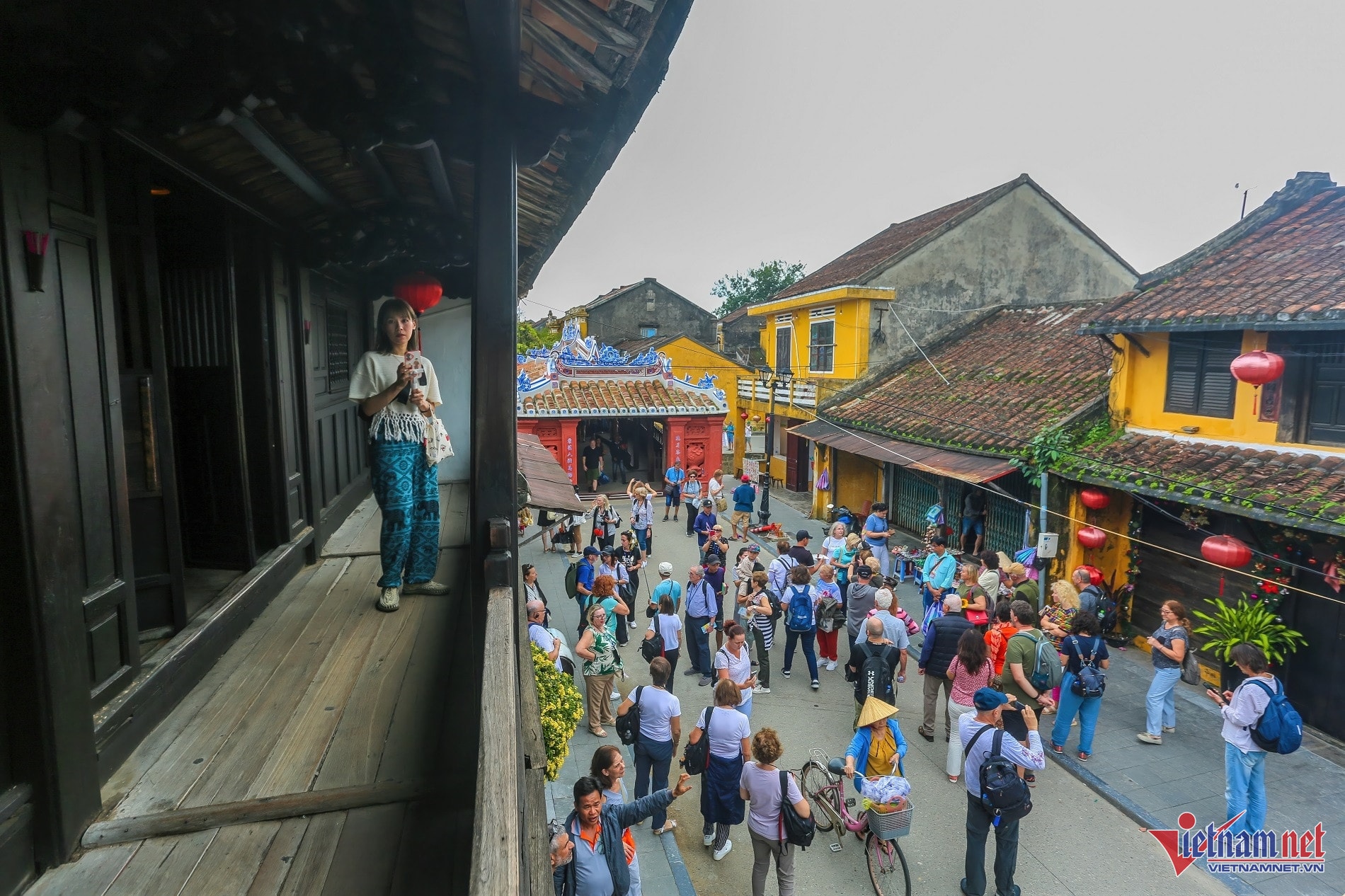
The Phung Hung ancient house is a two-story, tube-shaped building with a spacious facade, located on Nguyen Thi Minh Khai street (Hoi An city), next to the Japanese Bridge.
This building was constructed in 1780 by a Vietnamese merchant. He named the house Phung Hung, which was also the name of his trading post, meaning prosperity and successful business.
In the past, the house was a place of business dealing in forest and agricultural products such as cinnamon, pepper, salt, as well as silk, ceramics, and glass. The current owner is a descendant of the eighth generation, who is living in and preserving the ancient house.
The house's architecture is a blend of three cultures: Japanese, Chinese, and Vietnamese.
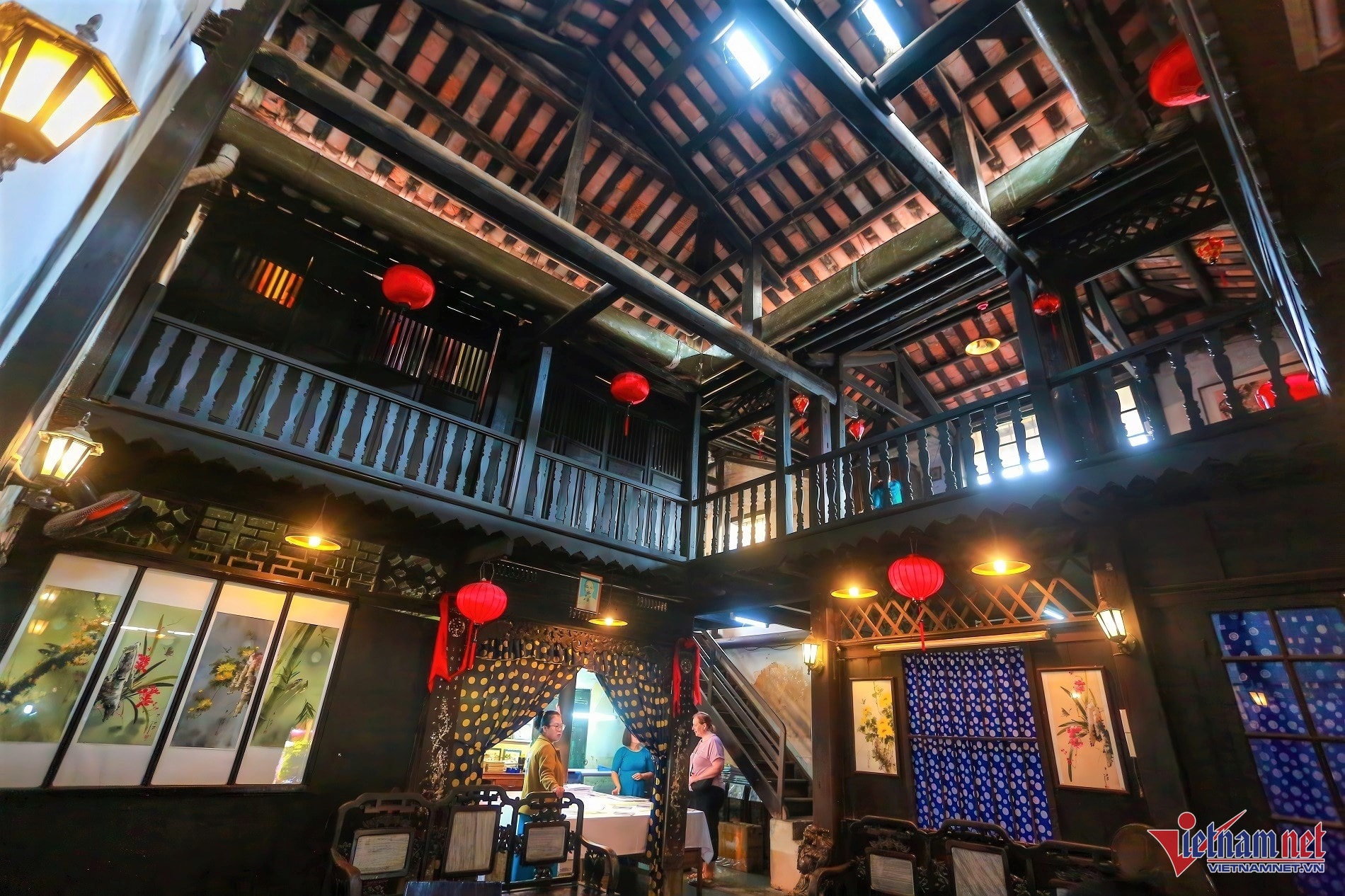
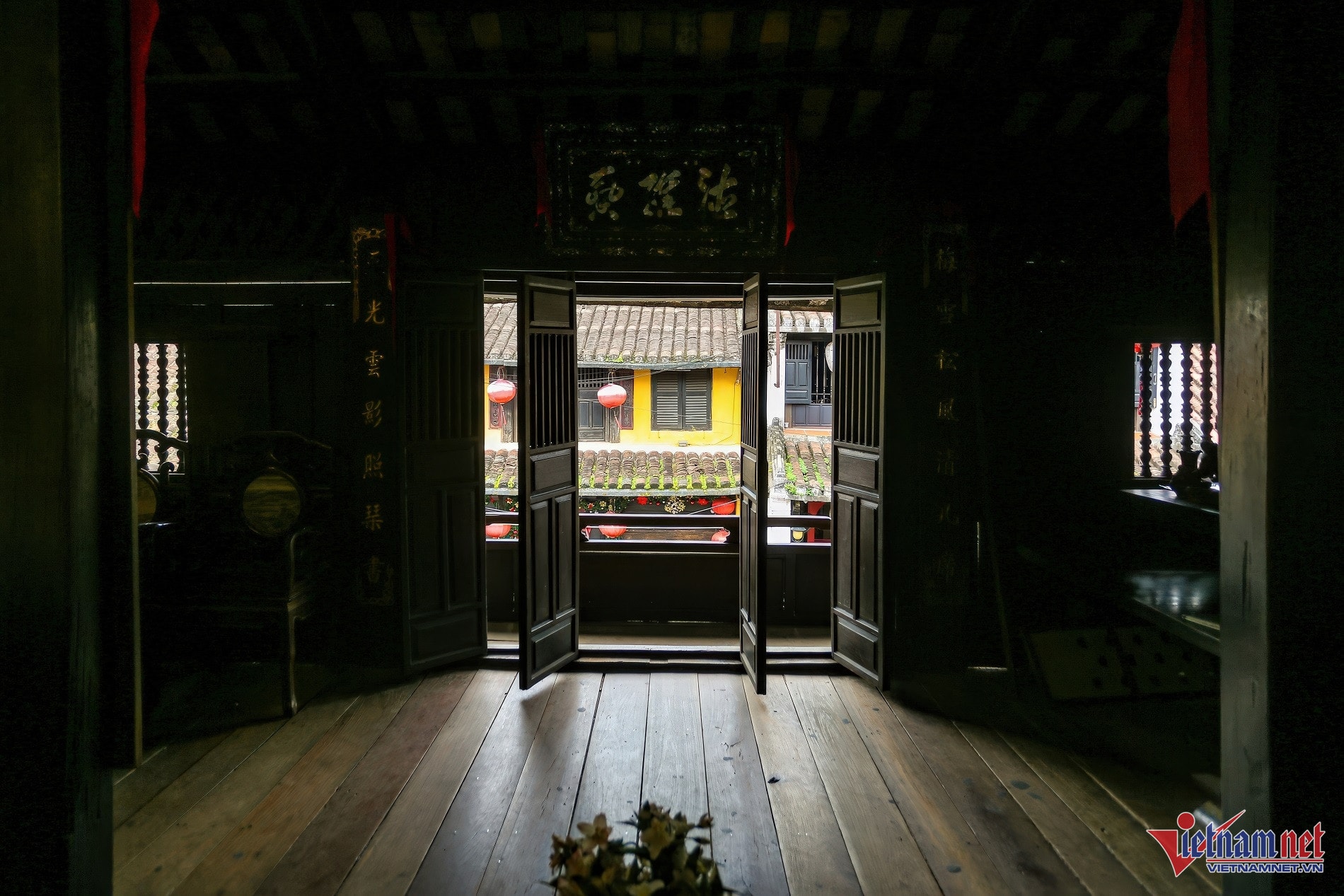
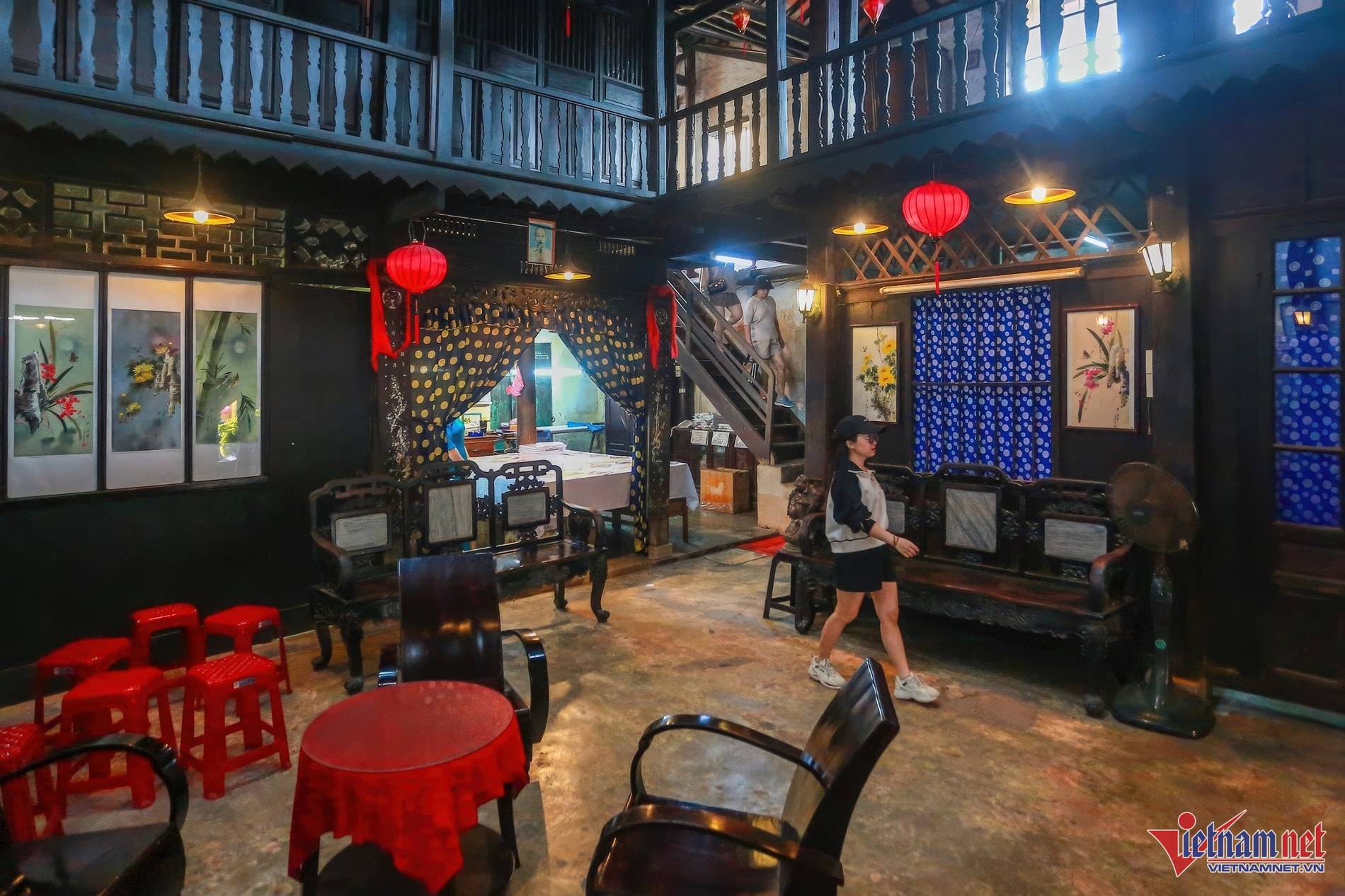
The balconies and doors have a distinctly Chinese feel. The central roof is designed in the "four seas" style, symbolizing the four corners of the world as one family, according to ancient Japanese tradition. The wooden frame, crossbeams, and traditional two-sided roof in the front and back sections are in the Vietnamese style.
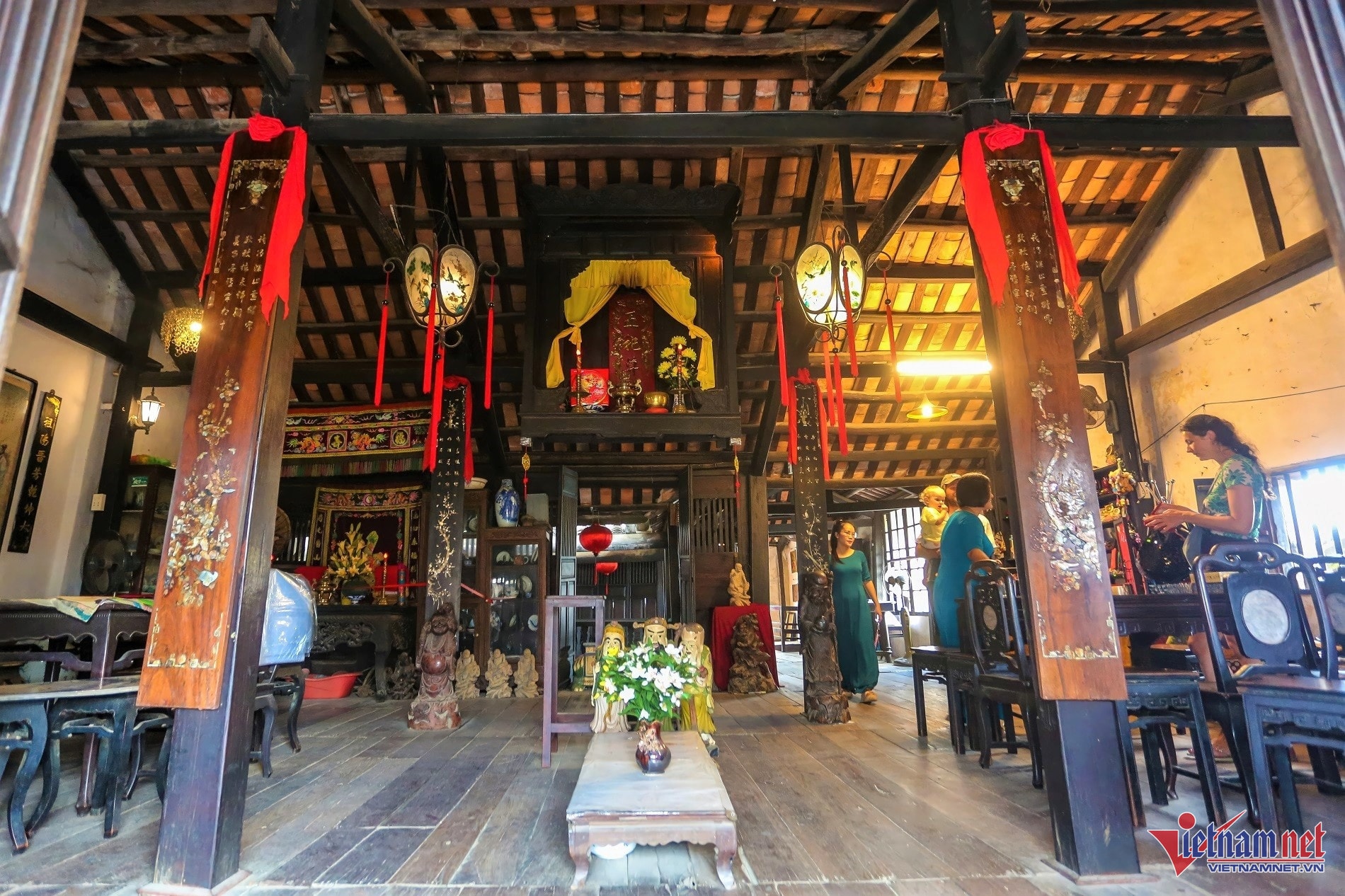
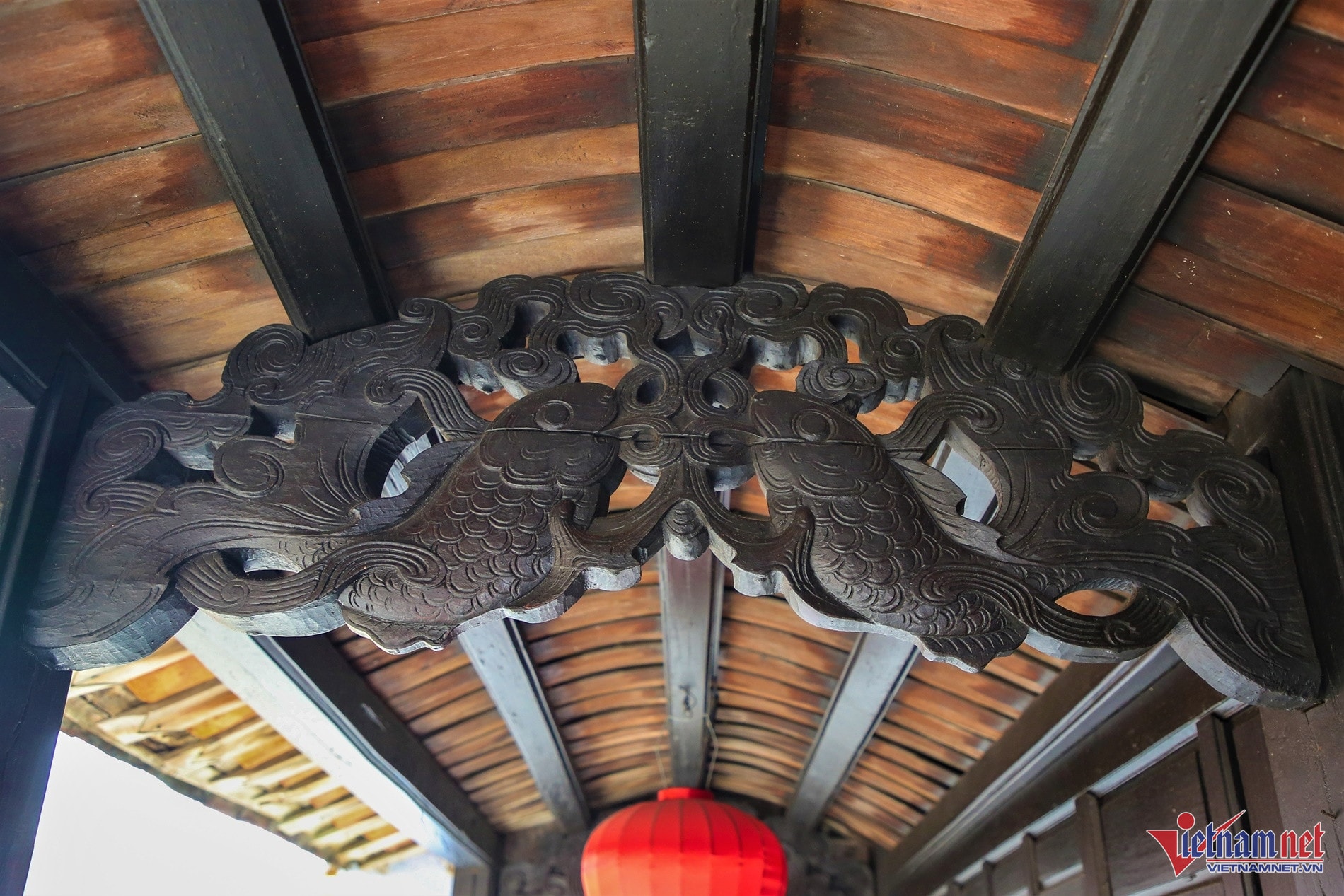
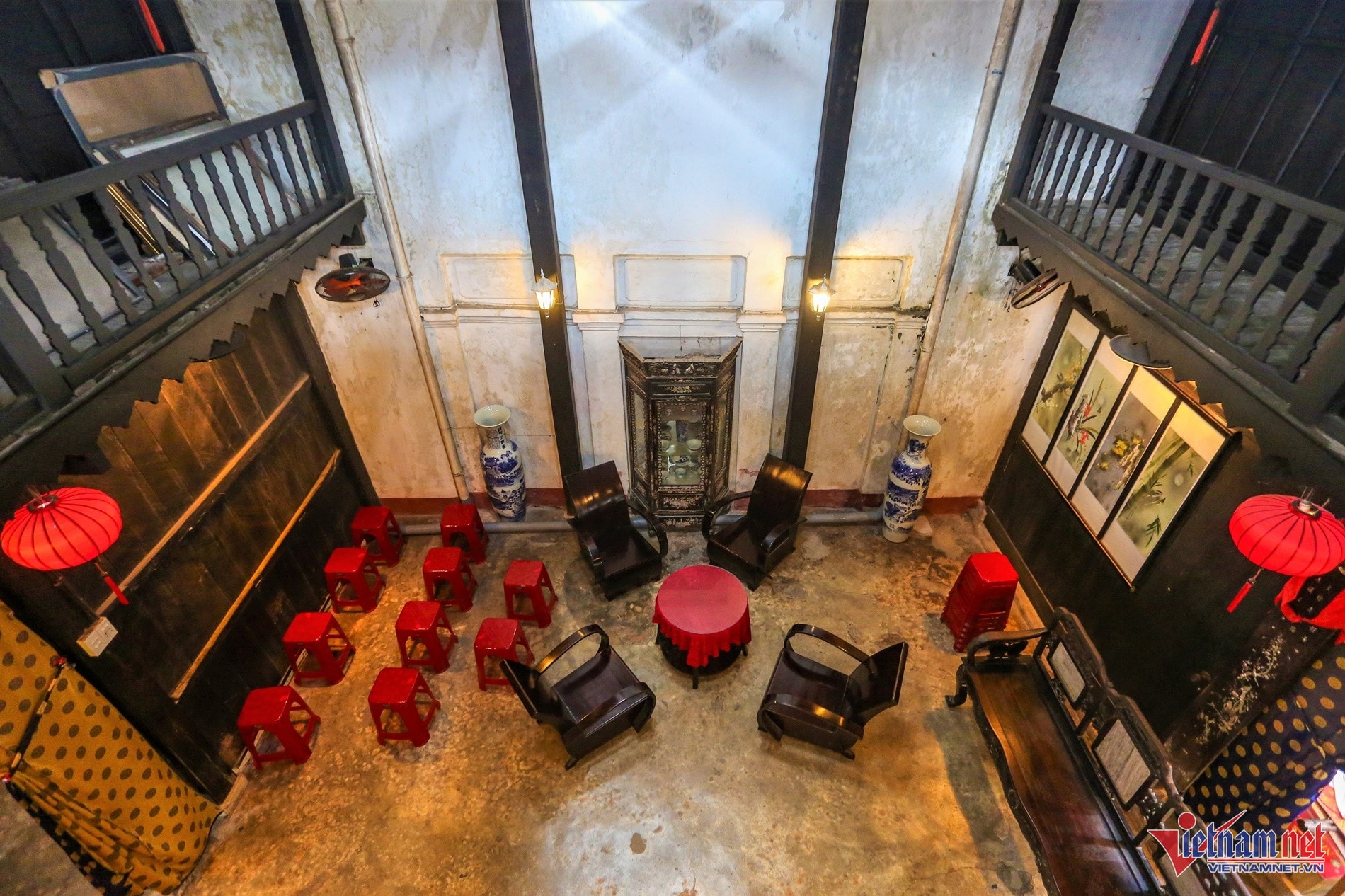
Notably, all 80 oar posts are made of ironwood and placed on extremely sturdy stone bases. Many of the wooden beams and rafters are elaborately and exquisitely carved.
The Phung Hung ancient house was recognized as a National Historical and Cultural Monument in 1993.
Here are some pictures of the famous old houses in Hoi An:
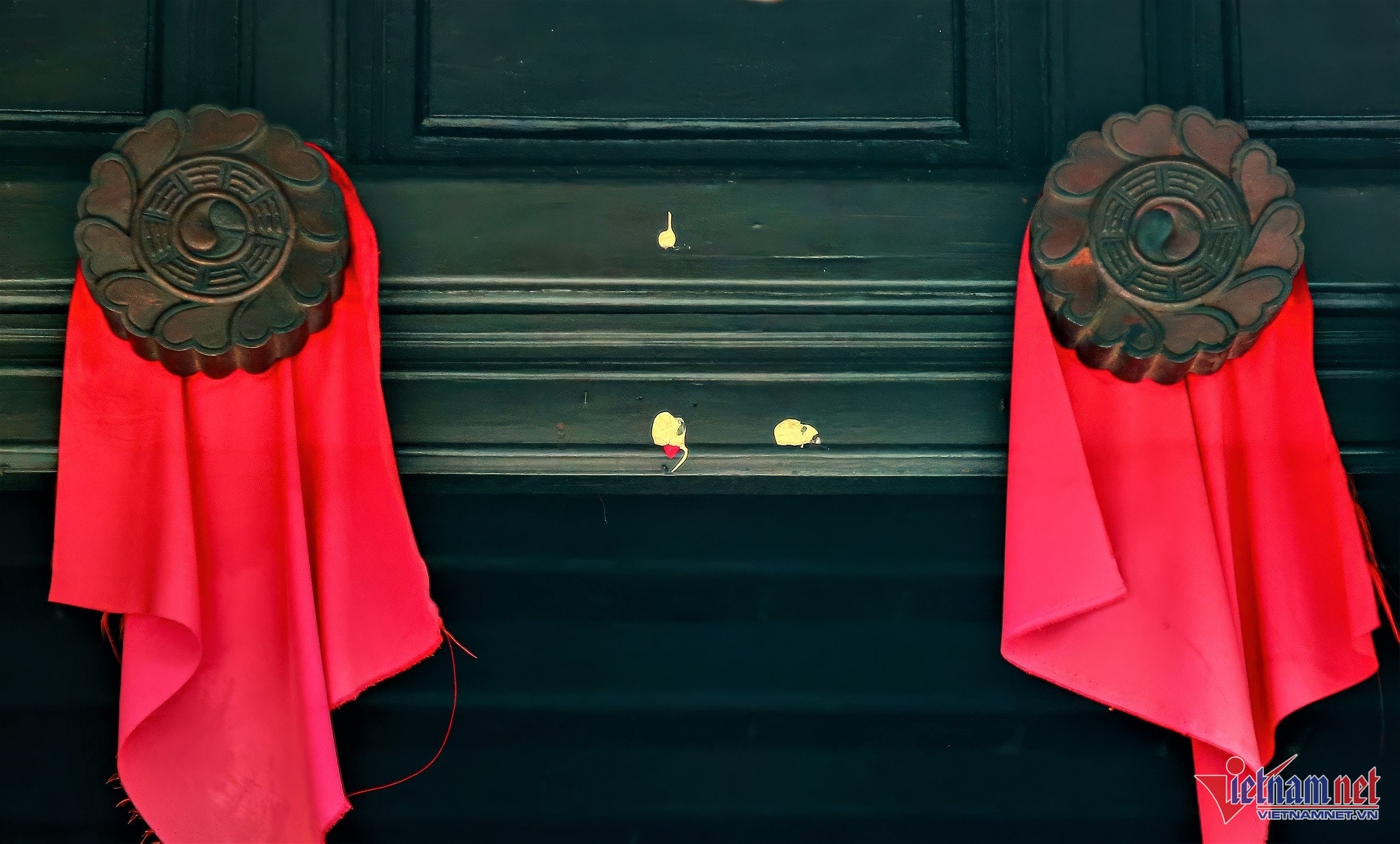
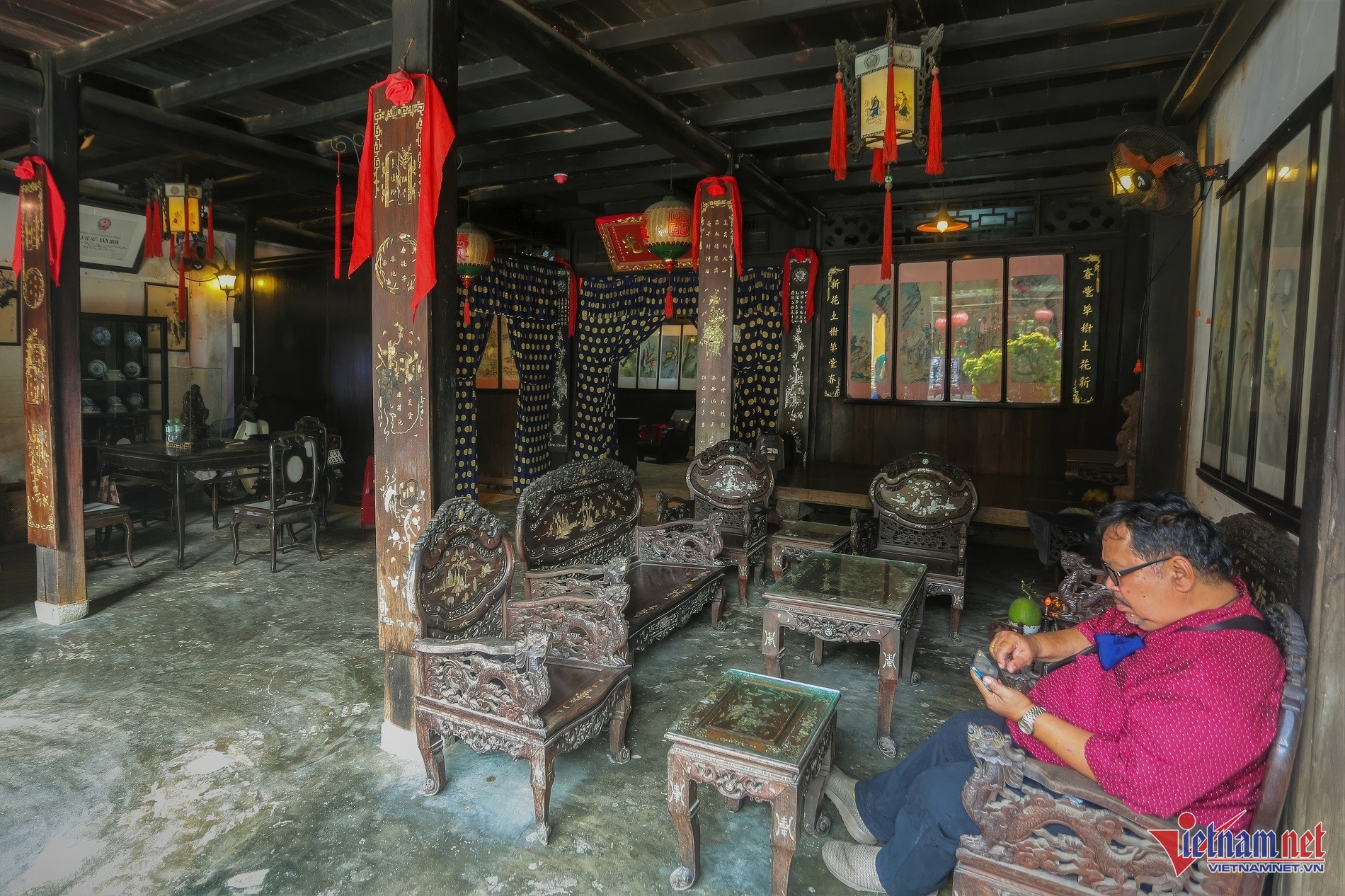
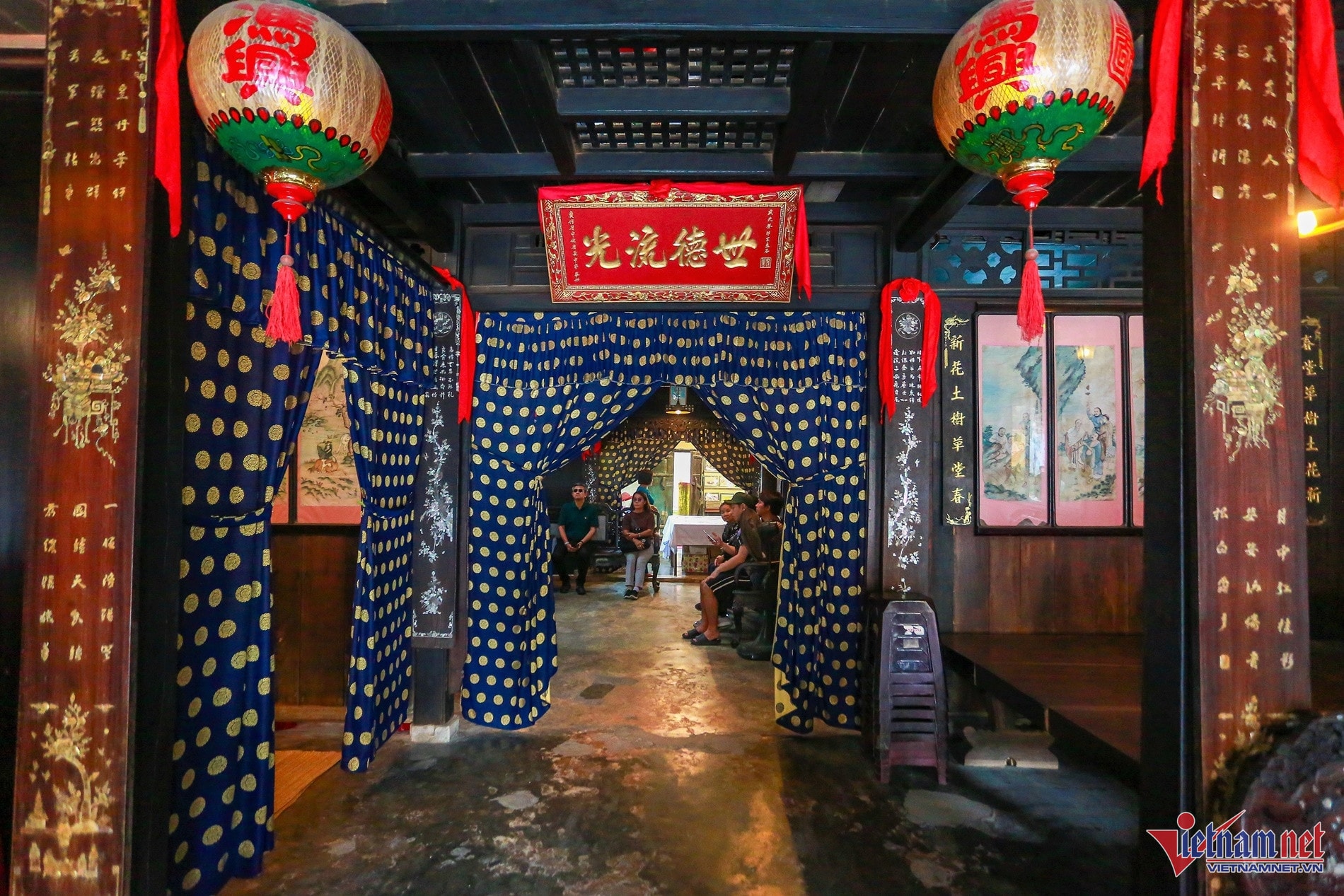
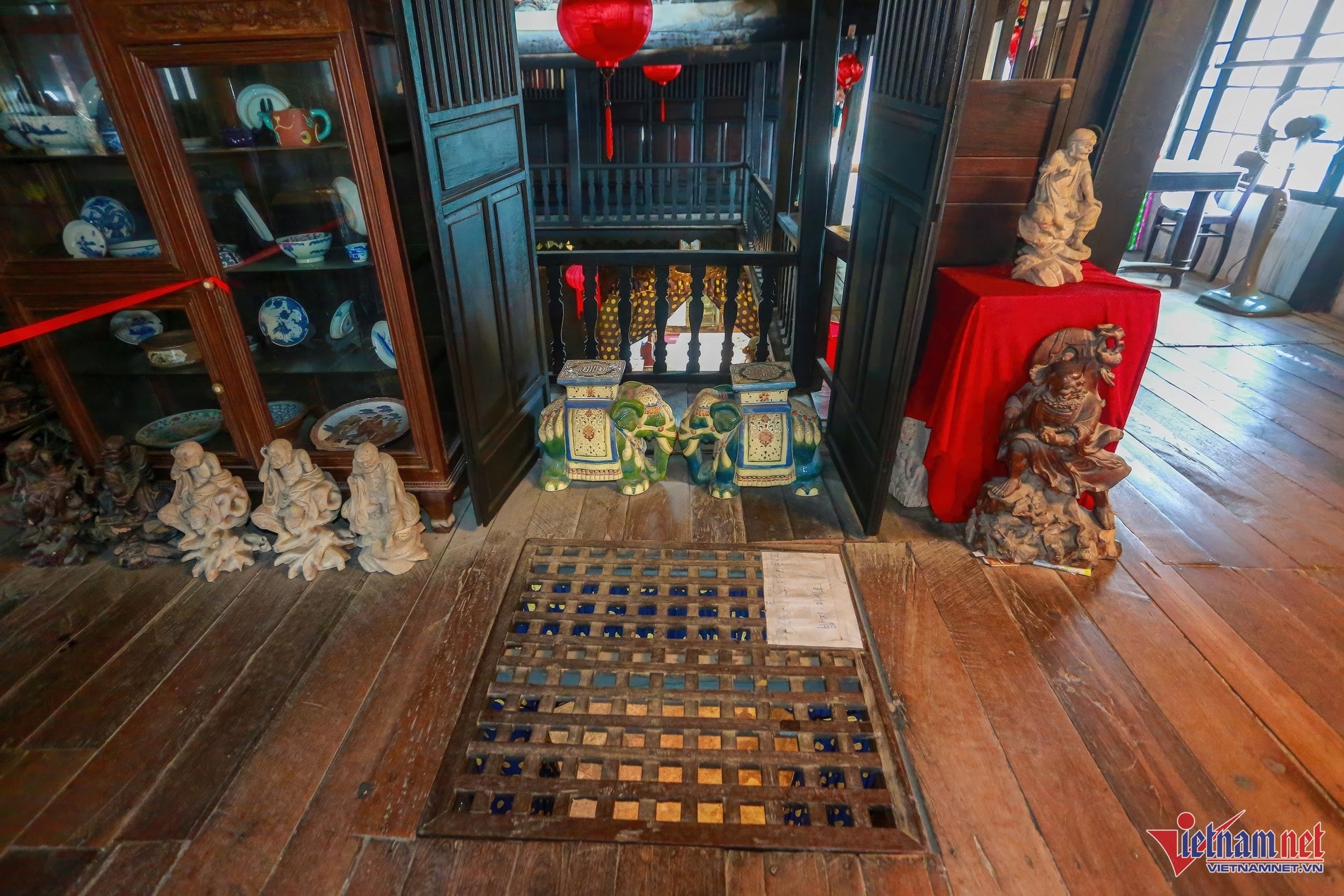
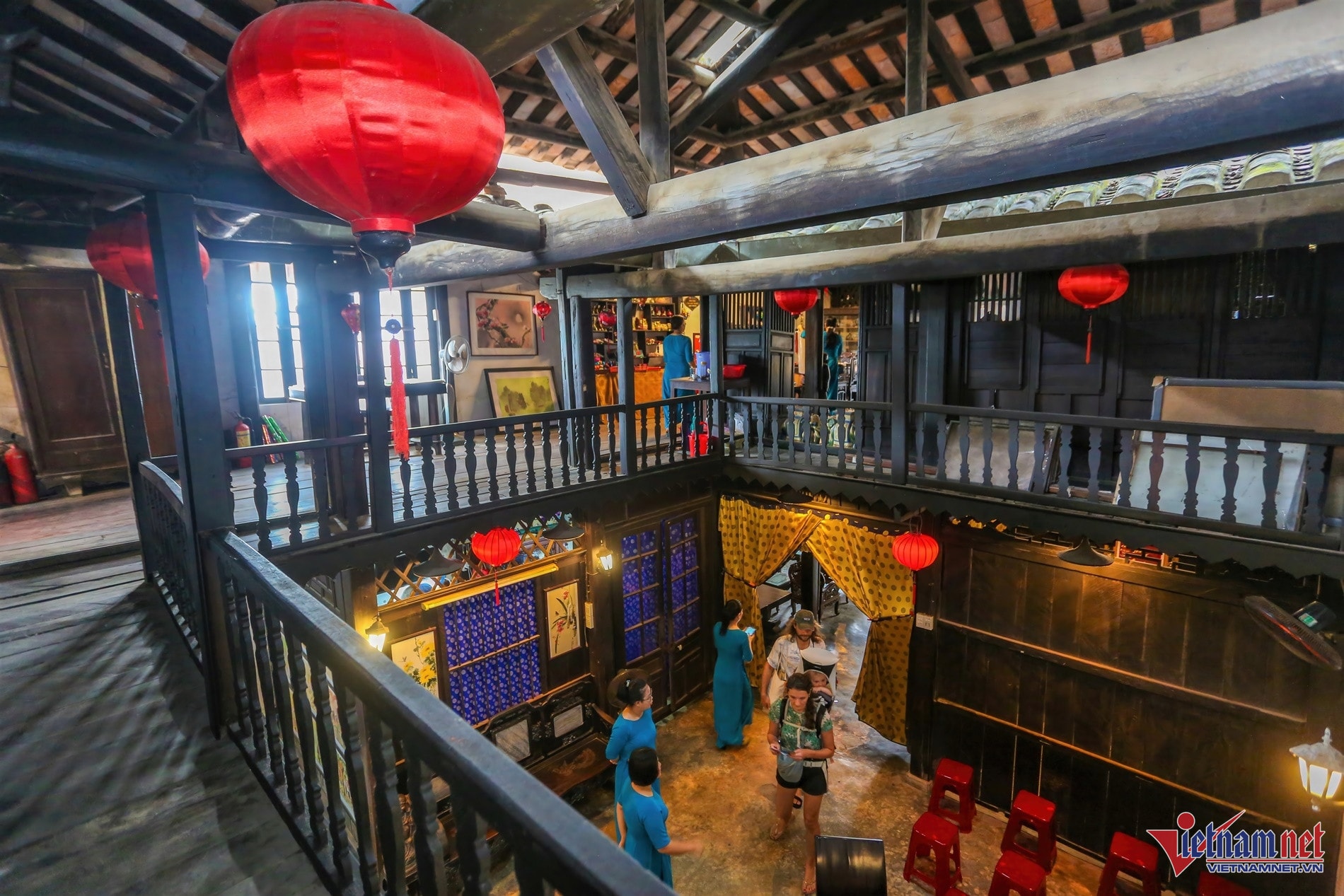
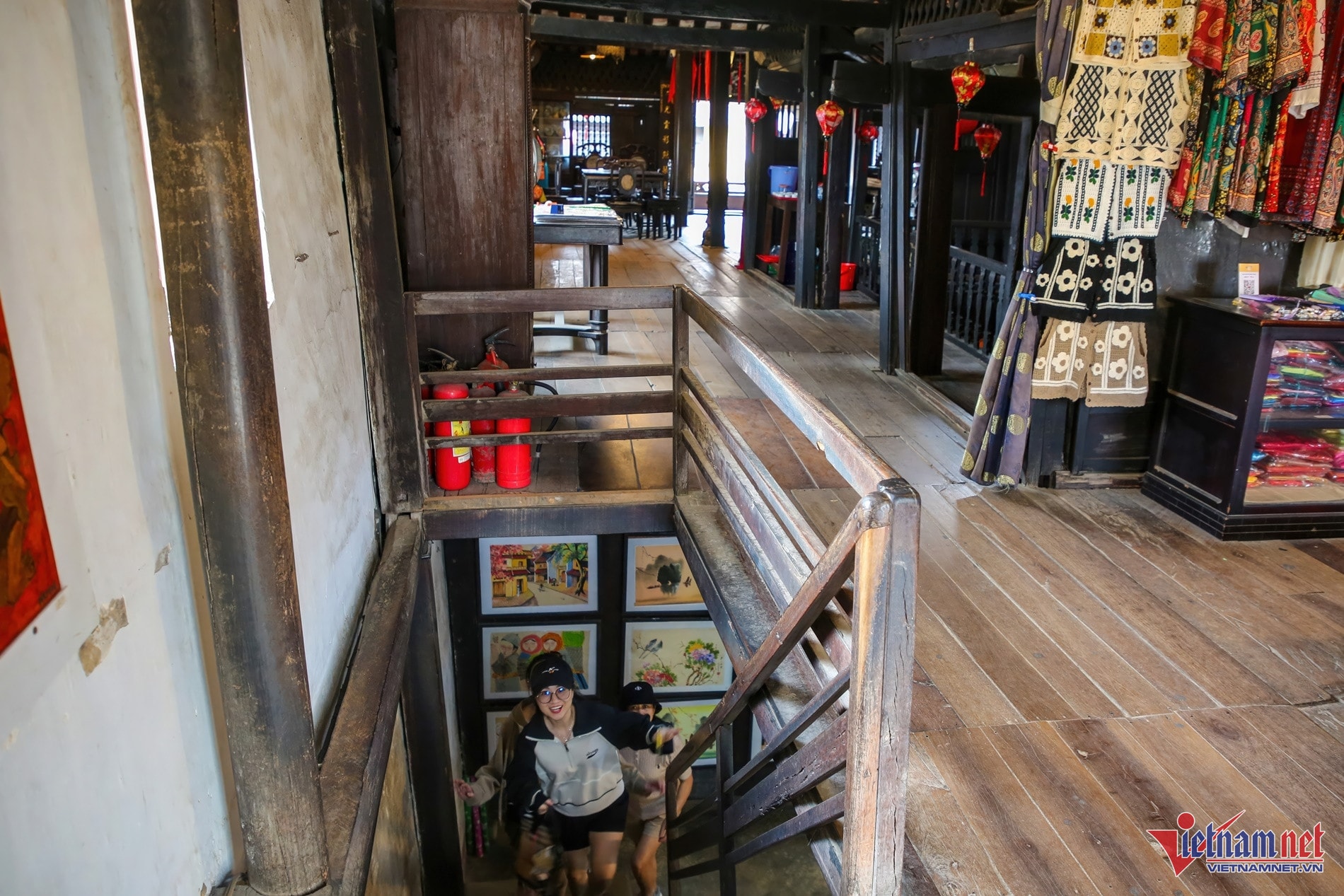
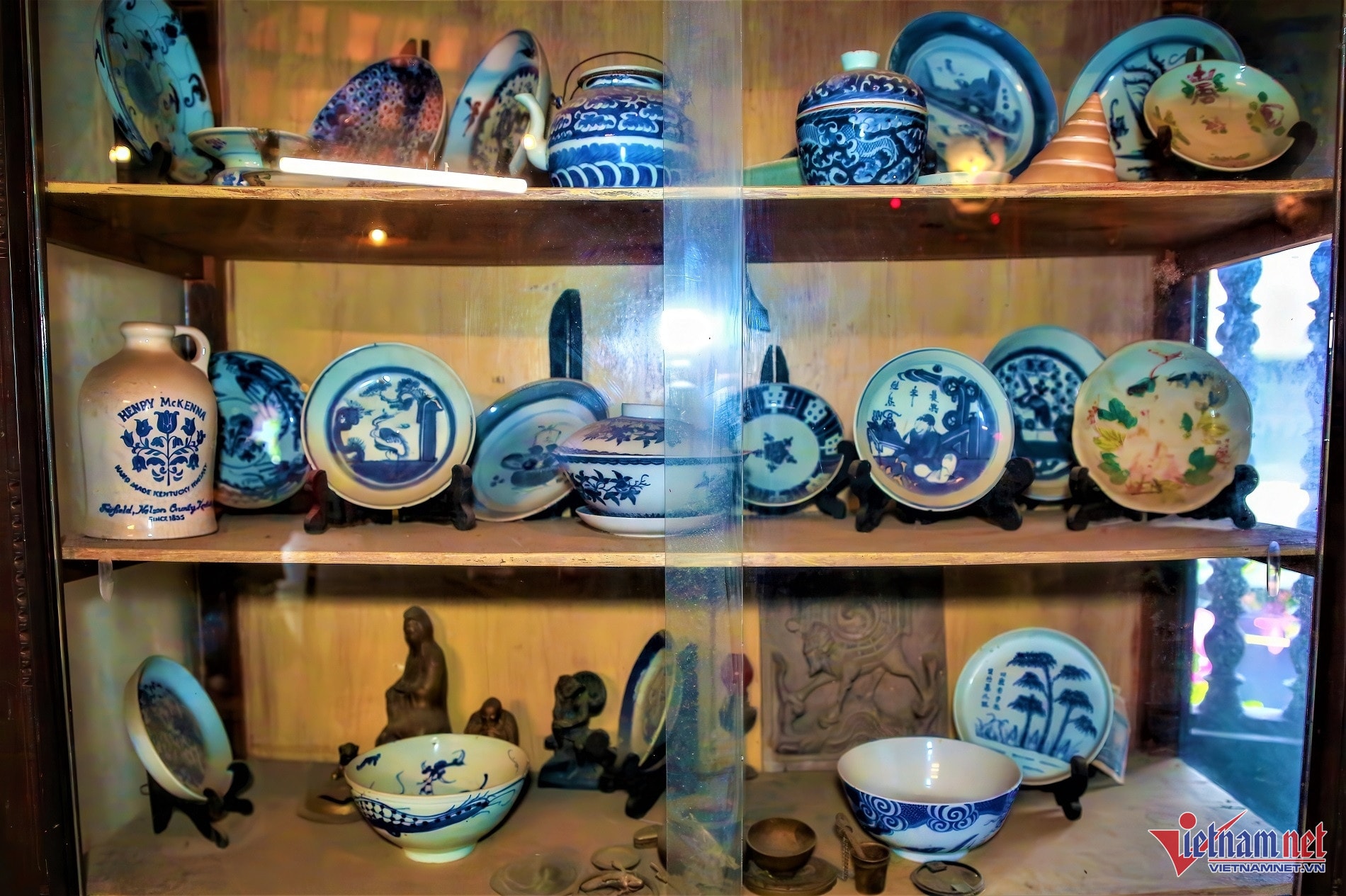
The Phung Hung ancient house stands out with its unique architecture, bearing strong East Asian characteristics and influences.Above the main door are two door eyes (guardian eyes). These door eyes serve both as decoration and as spiritual elements to protect the house and ward off evil.The house frame and floor are made from ironwood and jackfruit wood, the gable walls are built of brick, and the roof is covered with yin-yang tiles.The living room is quite spacious and features a mother-of-pearl inlaid furniture set that is over 200 years old. The walls are decorated with many exquisite carvings.To enter the inner chamber, one must pass through a central door, above which is a horizontal plaque inscribed "The Virtues of Our Ancestors Shine Brightly," meaning that the virtues of our ancestors are passed down and shine brightly. On either side of the door are a pair of ancient couplets.There is a square opening (trapdoor) here connecting the first floor to the second floor, used to transfer goods upstairs during floods.This site also represents the architectural art and lifestyle of the merchant class of ancient Hoi An, and serves as evidence of cultural exchange in Hoi An during its time as a thriving trading port.The innermost room was where the family lived. During the historic flood of 1964, it became a safe haven for about 100 people for three days and nights.The outer section of the second floor serves as a place of worship and family living space.The porch door on the second floor is designed in the style of "upper lattice, lower panel," with bars at the top and solid wood at the bottom, providing privacy while still allowing for ventilation.The house boasts a prime "frontage" location, situated next to the Japanese Bridge.The awning supports are carved in the shape of carp, symbolizing prosperity, power, and good fortune.Despite enduring many ups and downs, the house has retained almost all of its original architectural features and interior design.The house still preserves many items that were used by generations of the family.Phung Hung Ancient House is one of the unique destinations that tourists cannot miss when visiting Hoi An.