

Tuong Duong:A 555-year journey of formation and development.
From a desolate land, after 555 years, Tuong Duong has transformed into a mountainous district rich in identity, blending long-standing cultural traditions with a spirit of innovation and sustainable development.
Long history
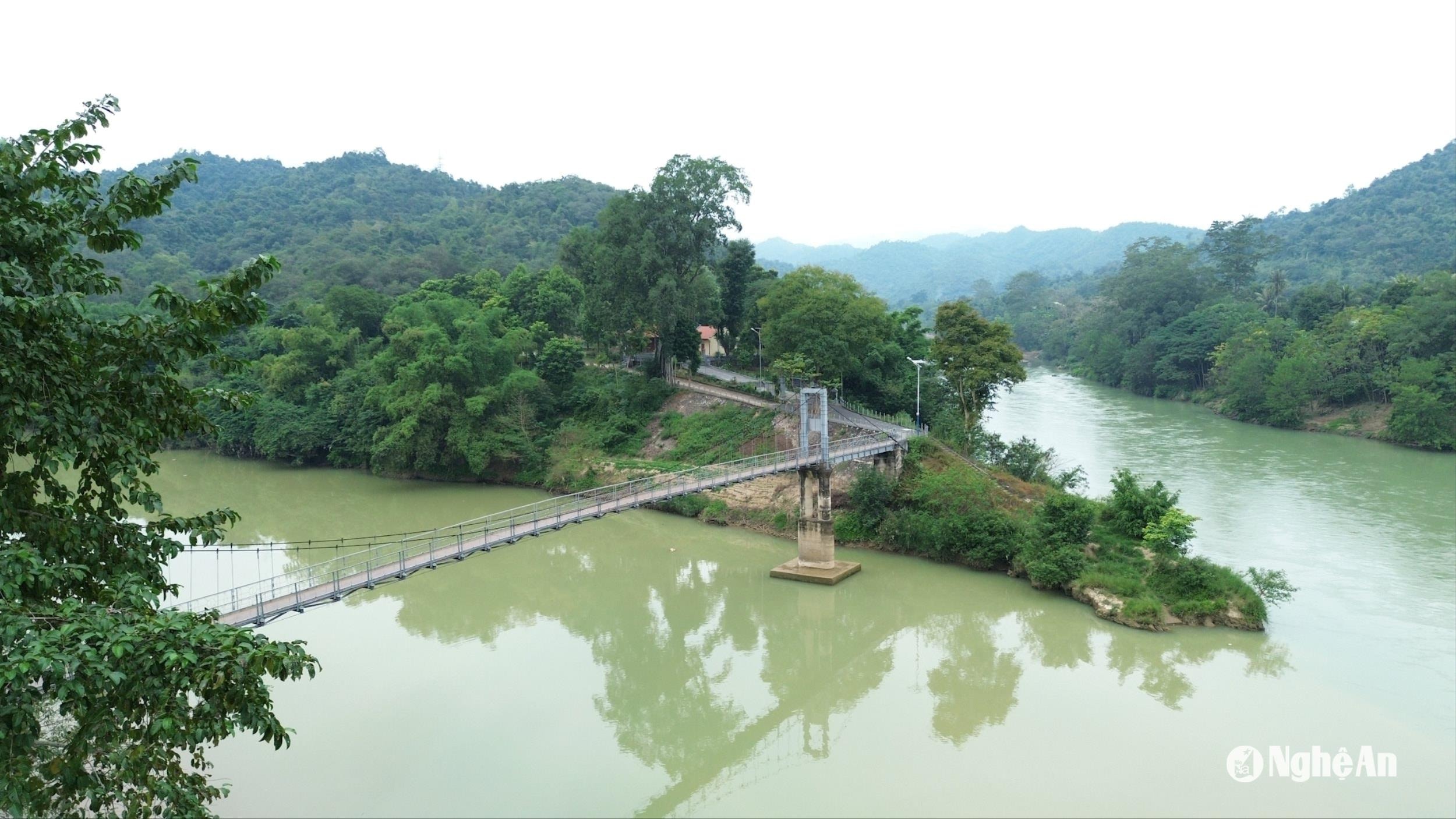
Since ancient times, the Tuong Duong region has been inhabited by the ancient Vietnamese people. Through many historical events, ups and downs, and changes in administrative boundaries and names, in the year Ky Suu 1469, King Le Thanh Tong issued a decree redefining the national map, and the name Tuong Duong officially came into existence.
During the reign of King Le Thanh Tong, the administrative map was redrawn, dividing the territory into 12 administrative divisions (dao thua tuyen) with the aim of strengthening state management and consolidating central power. In this reform, Nghe An was identified as one of the key administrative units. Nghe An administrative division had 9 prefectures (phu), 25 districts (huyện), and 2 sub-districts (chau), including Tra Lan prefecture which comprised 4 districts: Ky Son (with 30 villages/hamlets), Hoi Ninh (with 5 villages/hamlets), Tuong Duong (with 7 villages/hamlets and 1 ward), and Vinh Khang district (with 8 villages/hamlets).
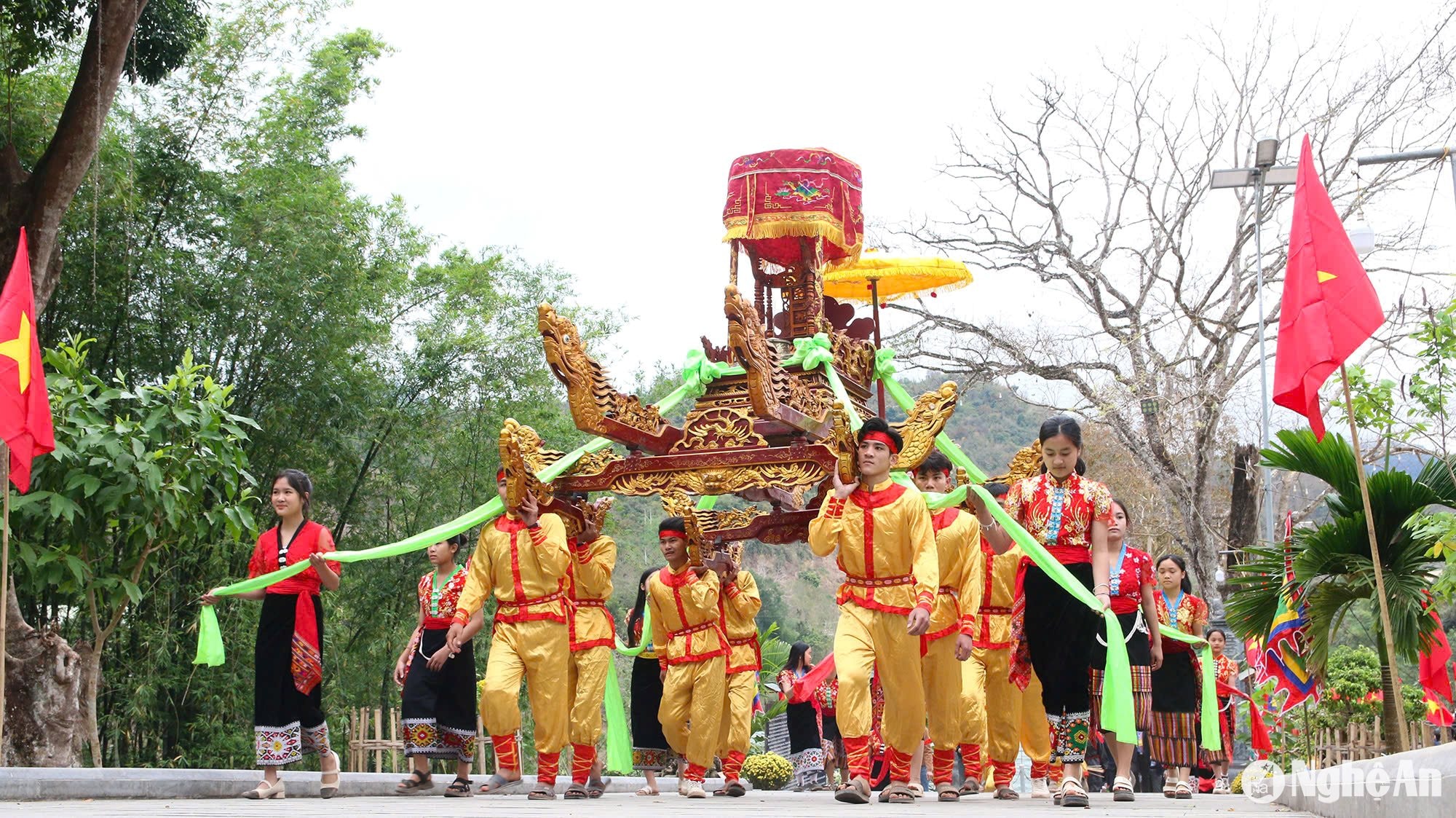
Historically, Tuong Duong occupied a strategically important position, bordering Laos and serving as a bulwark for Dai Viet (Vietnam). This region held significant importance for national security and defense, while also acting as a cultural and commercial link between the mountainous and lowland ethnic groups. Tuong Duong was also home to many ethnic groups such as the Thai, Mong, and Khmu, with a rich and diverse culture.
This area also boasts numerous historical relics, notably the Cua Rao Temple (Xa Luong commune), the Ly Nhat Quang Temple (Tam Quang commune), and the Tham Cong Cave (Tam Bong commune). In particular, the Van Temple - Cua Rao has long been a spiritual sanctuary for the people of Tuong Duong and visitors from near and far.
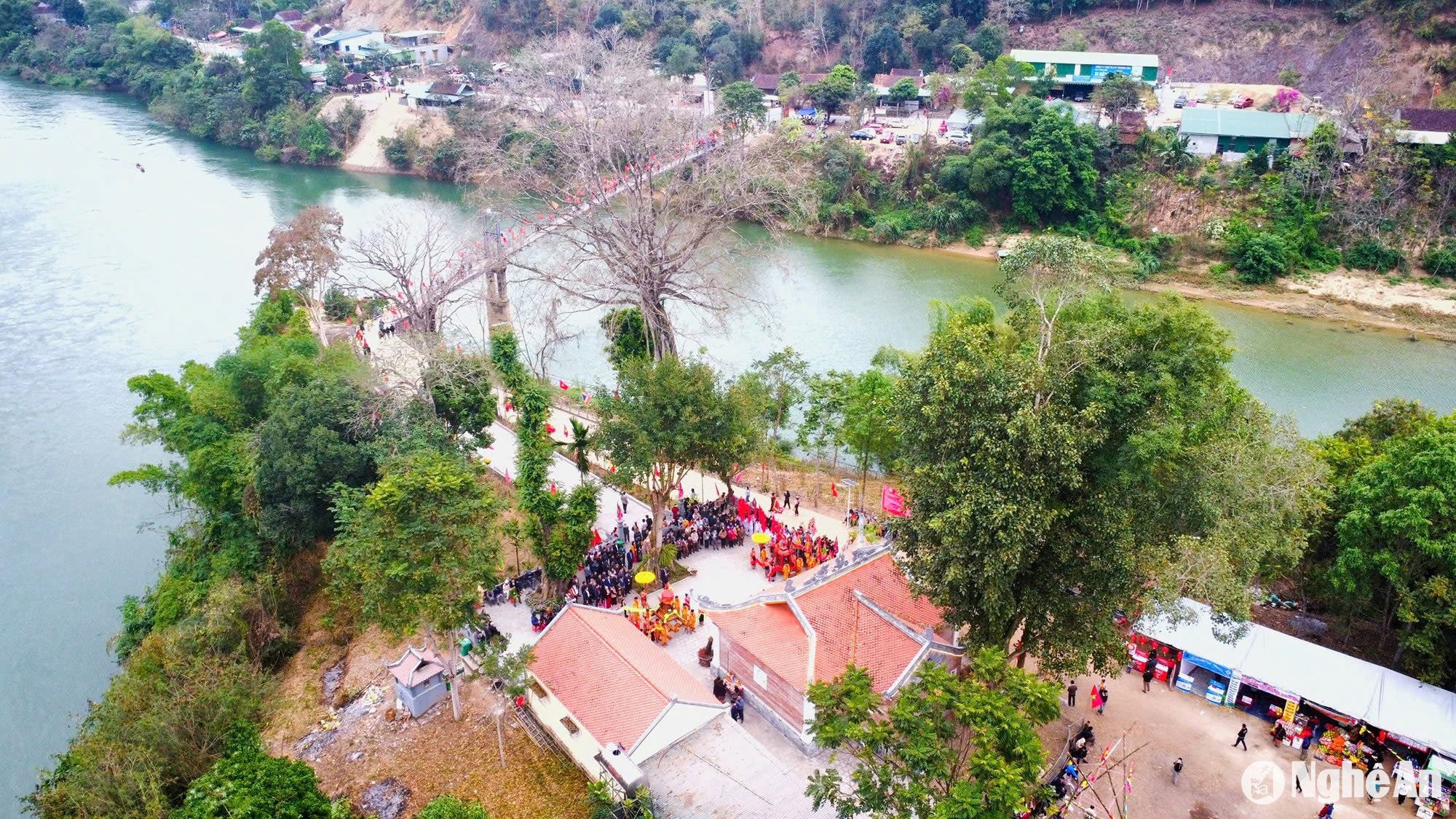
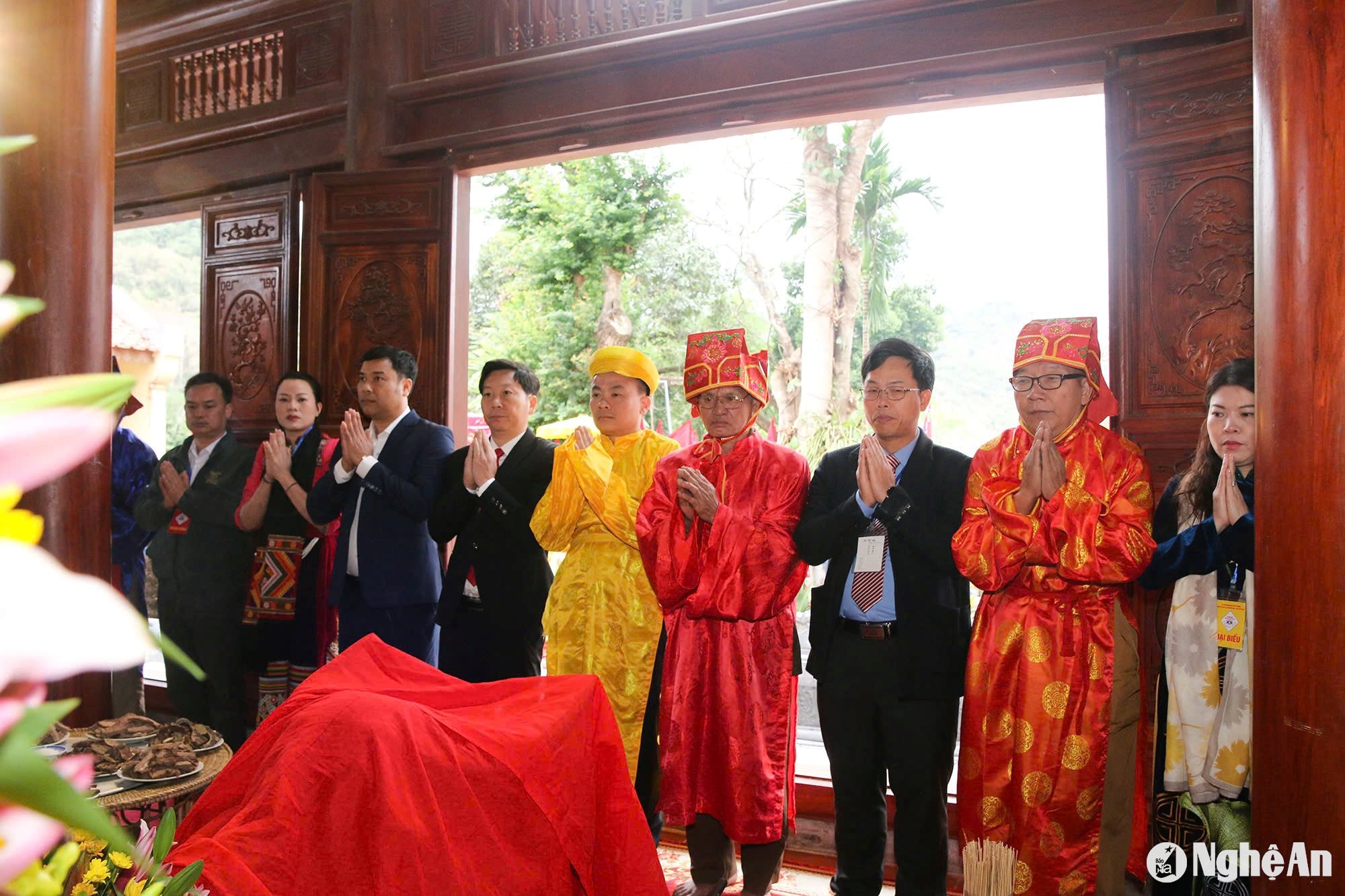
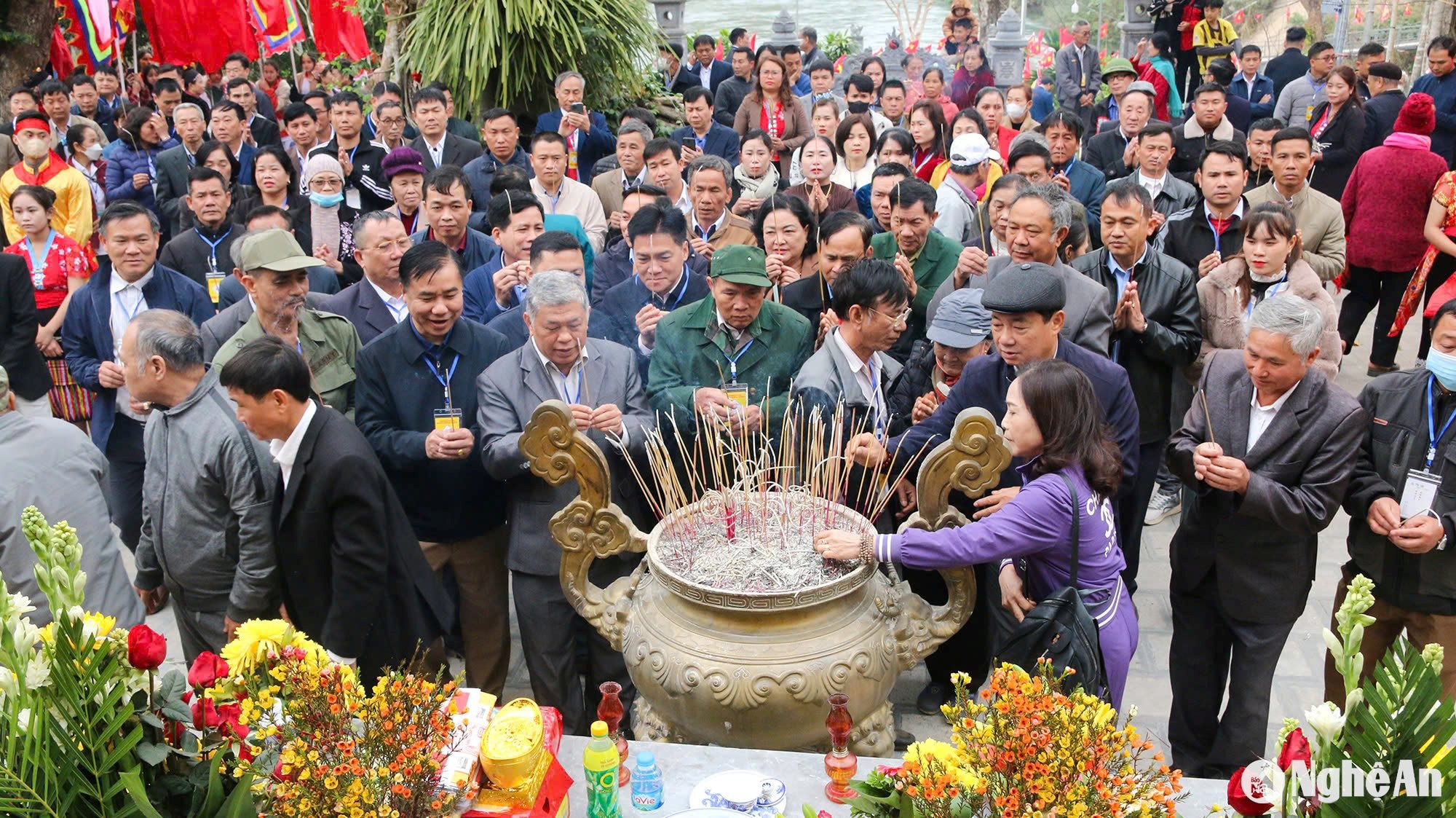
With its diverse ethnic groups living together, Tuong Duong boasts a rich and varied cultural life, deeply rooted in regional identity. Among them, the Thai people are known for their traditional songs and dances, along with their graceful and alluring costumes; the Mong people for their colorful patterned attire and the Xoe dance; and the Kho Mu people for their captivating Tom songs with their lively melodies. In addition, the unique cultural traditions of the Tay Poong and O Du people are in the process of revival.
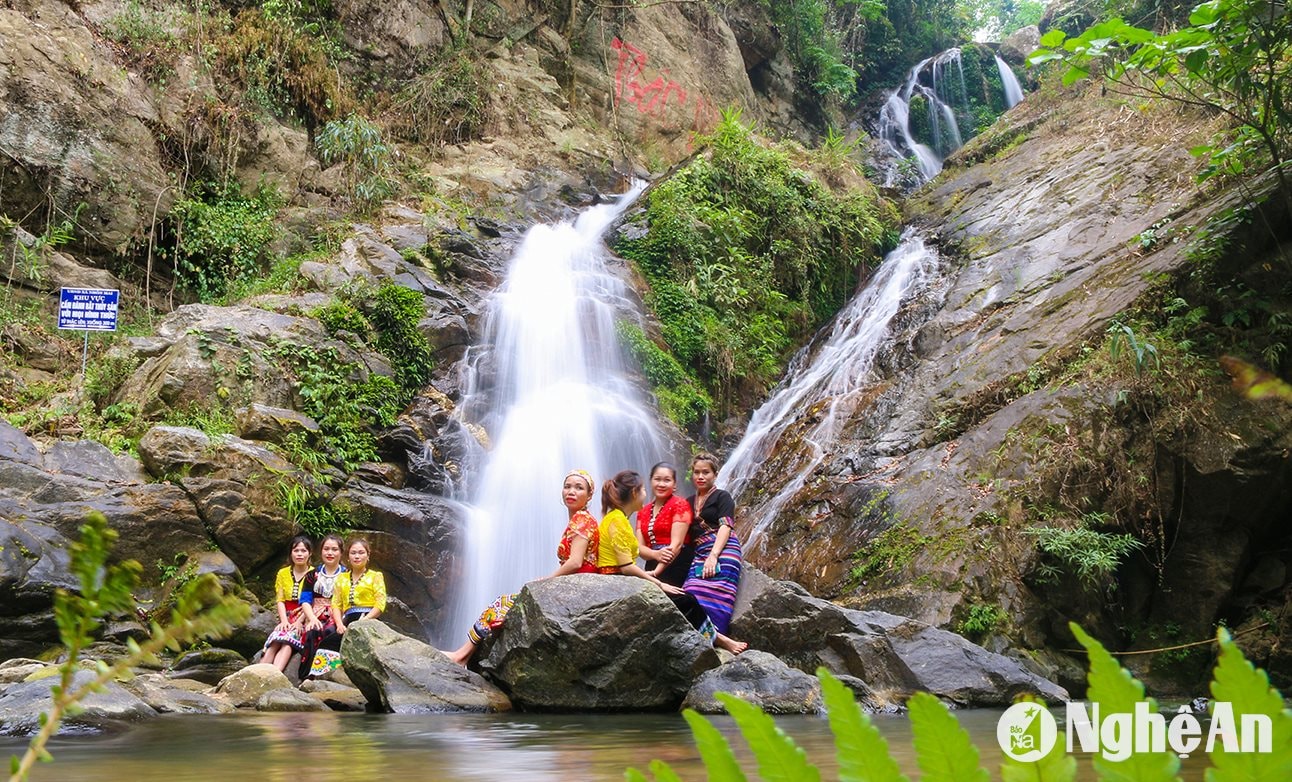
Today, Tuong Duong is the largest district in Nghe An province with an area of 280,777 hectares and 58km of border with Laos. Despite its history of formation and development, with many changes in administrative boundaries, the people of Tuong Duong have always been conscious of preserving and promoting their ethnic identity. This includes the cultural space, with many ancient Thai villages still preserved such as Chan, Mac, and Lau villages (Thach Giam town), Xoong Con and Phong villages (Luu Kien commune), and Huoi To village (Mai Son commune)...
Development efforts
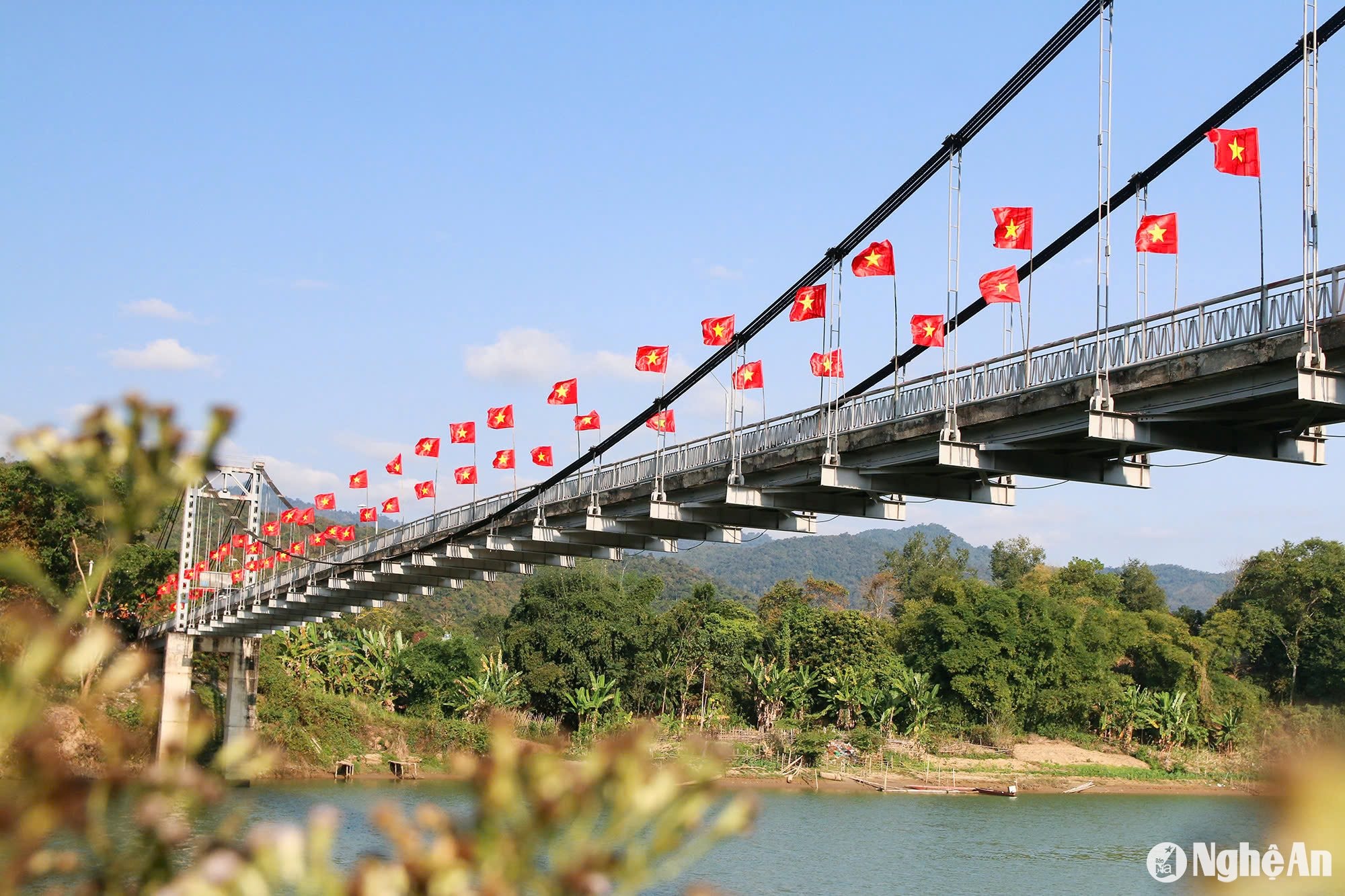
After 555 years of formation and development, Tuong Duong district is gradually transforming to keep pace with modern trends. Although still facing many difficulties, Tuong Duong remains an important locality in the socio-economic development.
Despite facing numerous difficulties and complex weather conditions, with the spirit of solidarity and strong determination of the entire political system, and the consensus of the people, the mountainous district of Tuong Duong has gradually overcome difficulties and obstacles, maintaining and developing the socio-economic situation, and ensuring security and order in the area.
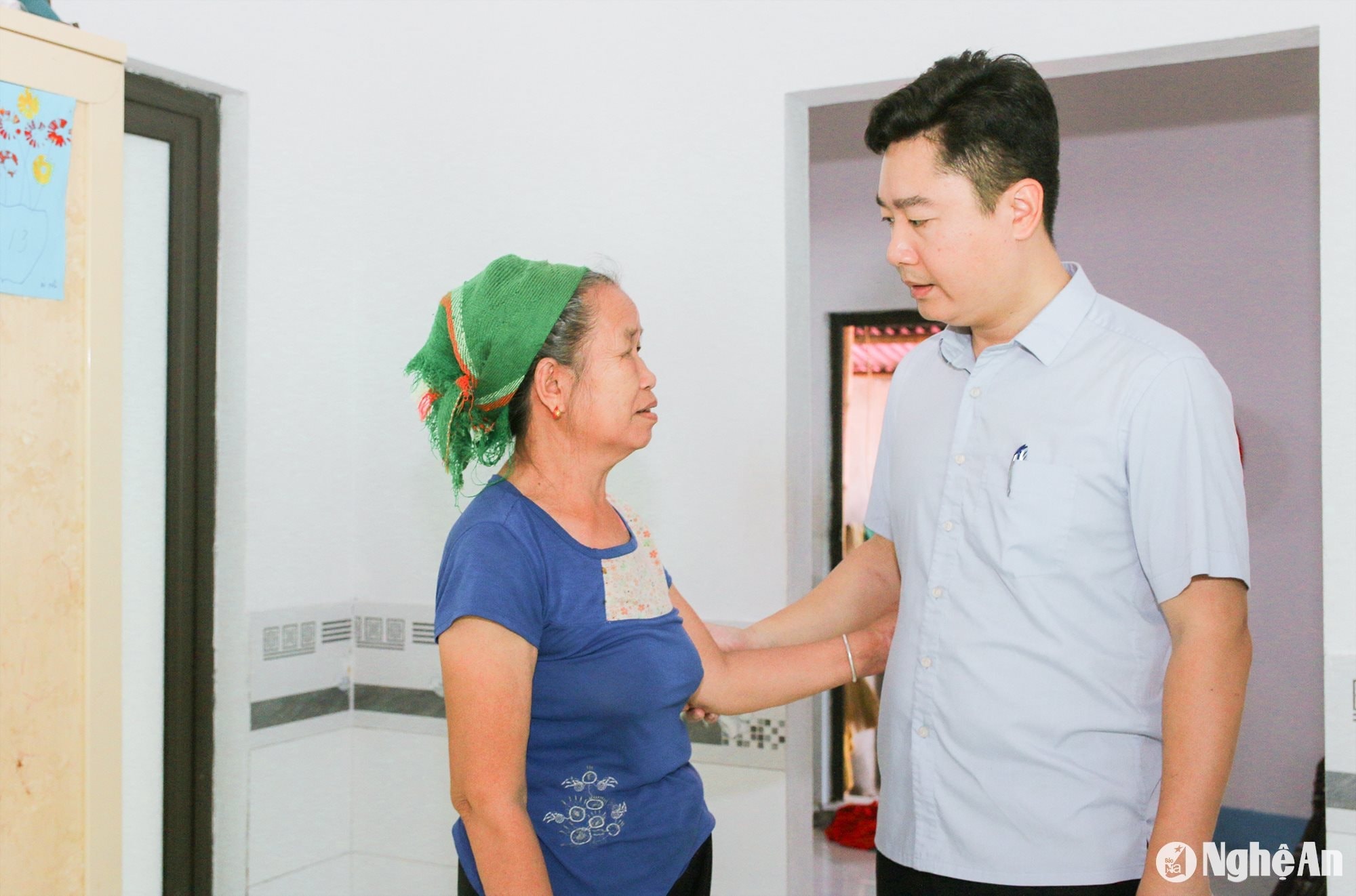
In 2024 alone, the total value of production in Tuong Duong district is estimated at 6,193,268 million VND, reaching 100.1% of the target set by the People's Council Resolution. The growth rate in 2024 is 7.7%; average per capita income is estimated at 38.4 million VND, an increase of 6.7% compared to the same period.
The education sector has achieved many outstanding accomplishments. For the past five consecutive years, the district's Education and Training Department has been rated as having excellently completed its tasks. In 2024, two teachers were awarded the title of Excellent Teacher. The school network continues to be streamlined and rationalized, contributing to improved effectiveness and efficiency in school management and administration, and enhancing the overall quality of education.
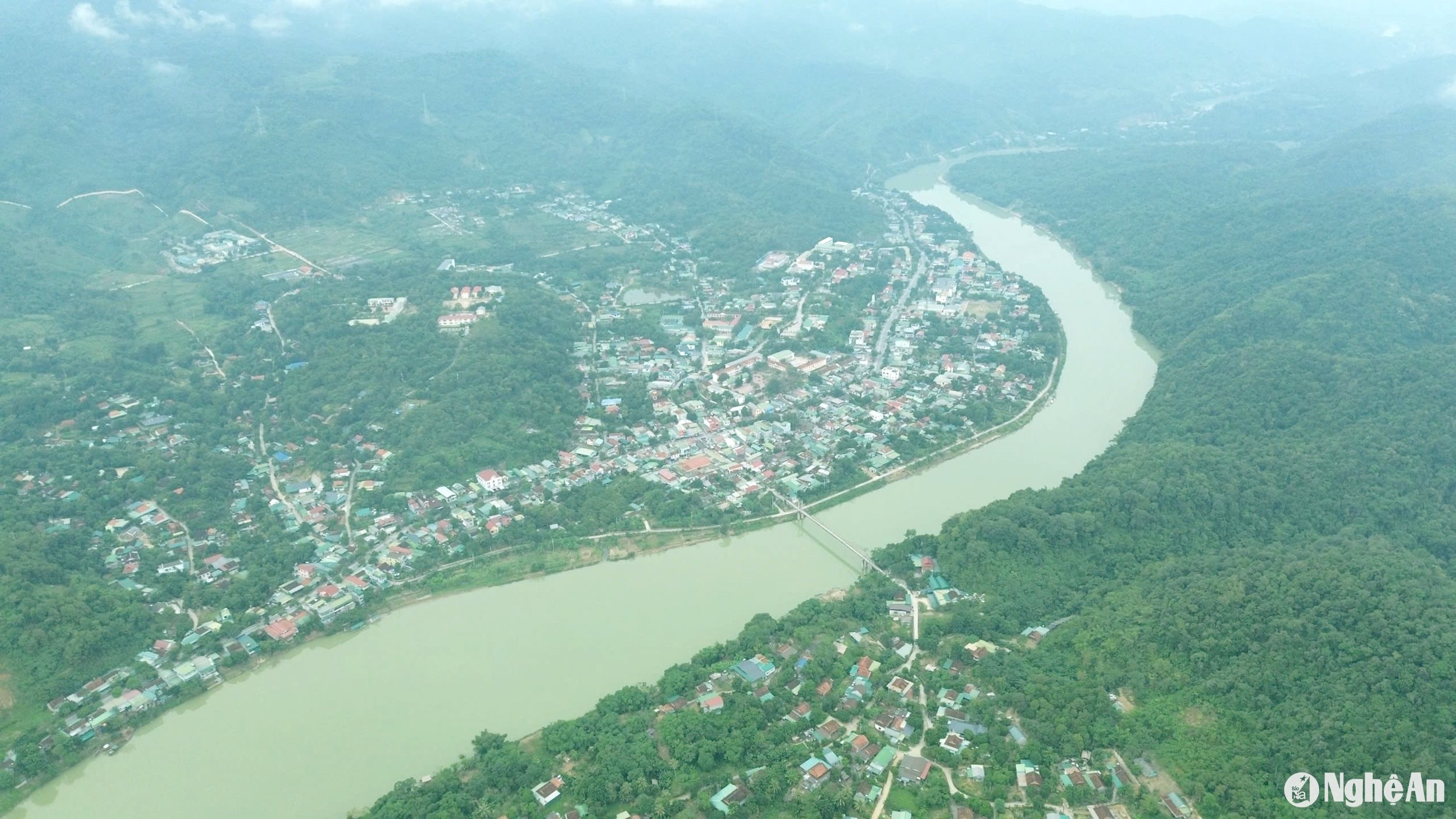
Socio-cultural aspects continued to be maintained and developed. In 2024, the percentage of culturally exemplary families in Tuong Duong district reached 86.3%; the percentage of villages and hamlets meeting cultural standards reached 93.1%. Social welfare activities were ensured, and social policies were implemented promptly, fully, and correctly for the target groups.
In 2024, the district implemented numerous vocational training and employment solutions for workers. In coordination with relevant units and businesses, 16 mobile job fairs were organized in various communes, attracting over 3,500 workers seeking advice on employment and vocational training. Of these, 2,978 workers received vocational training, and 3,449 found employment. 290 workers went to work in Japan, South Korea, and other countries.

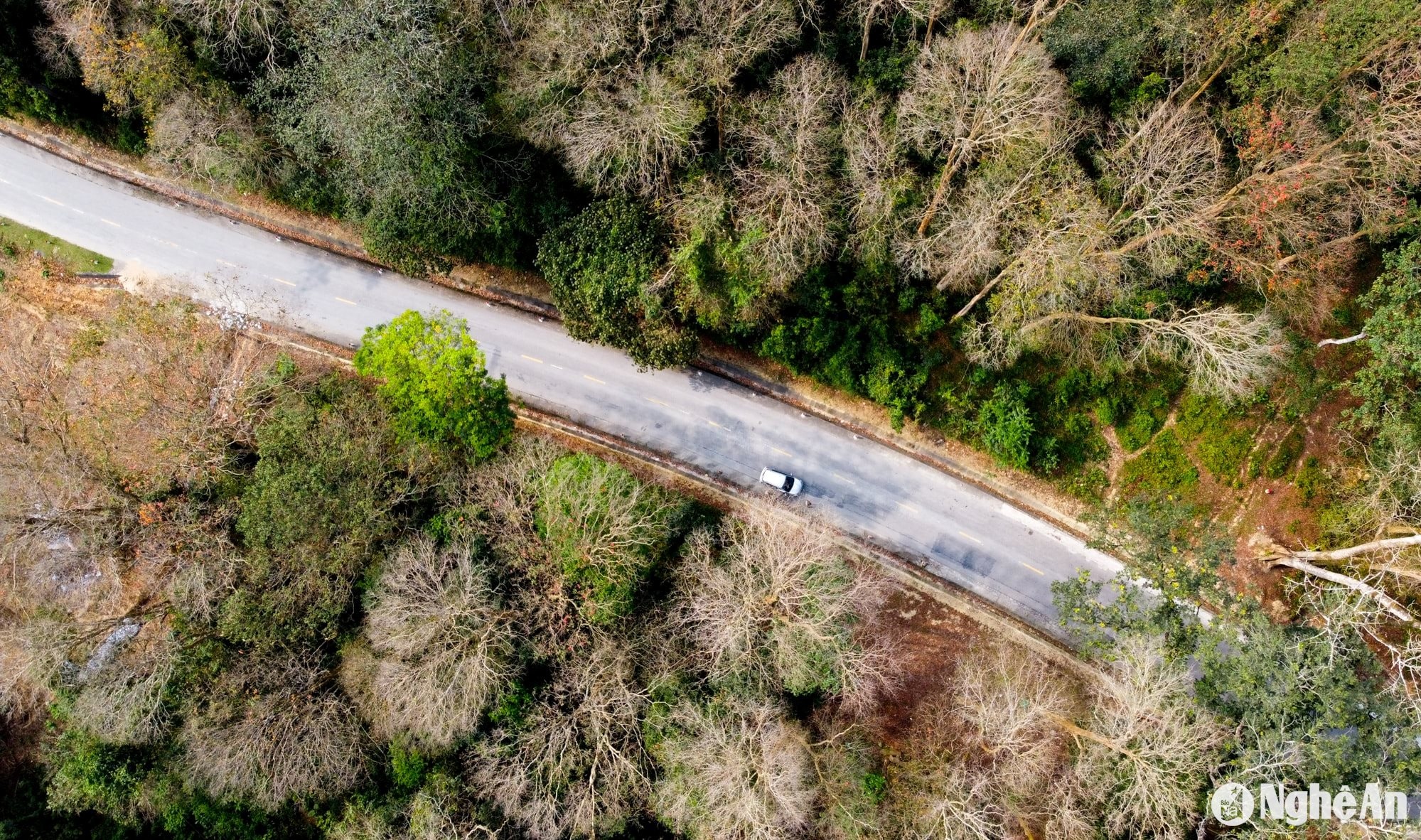
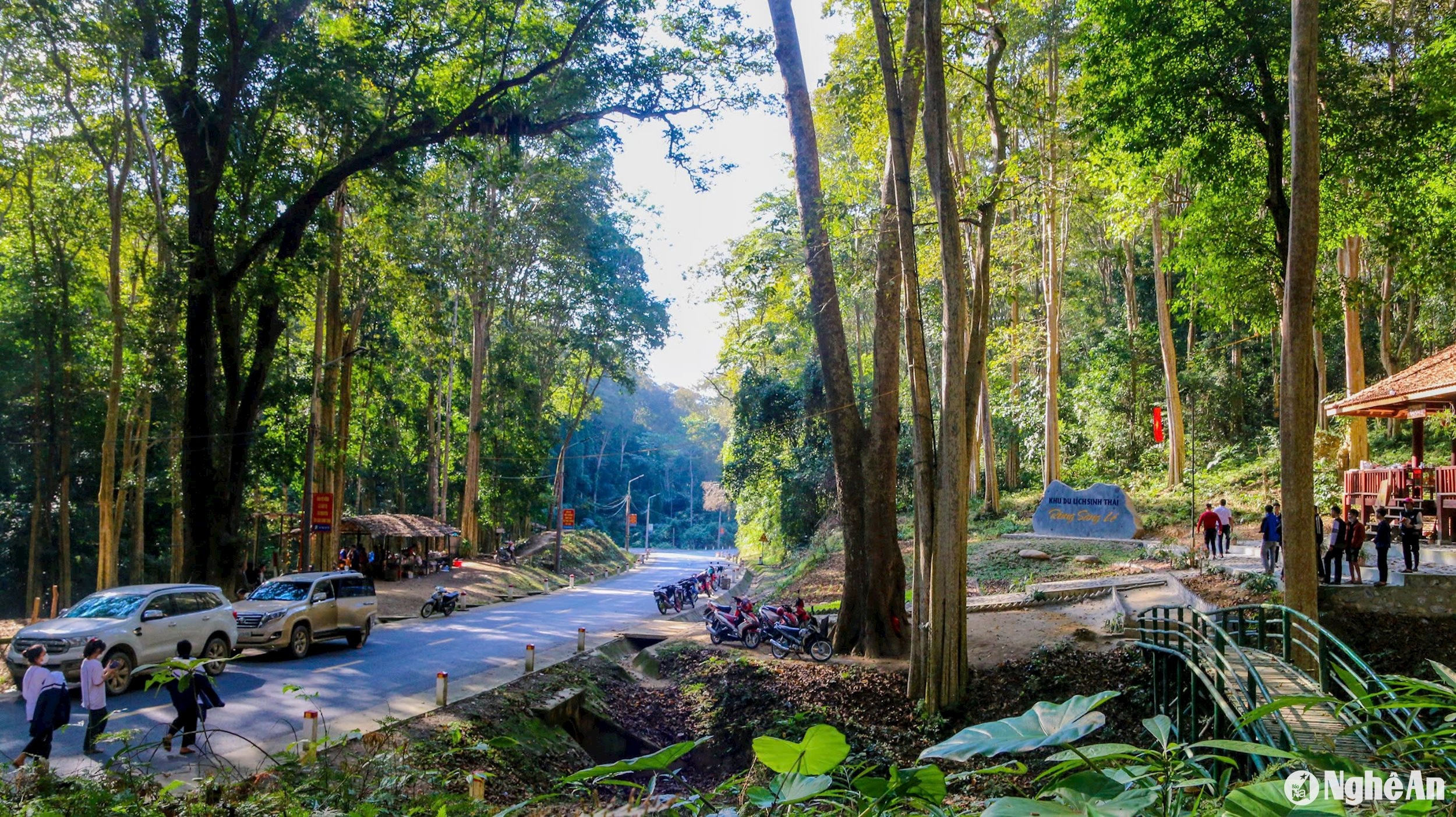
Also in 2024, the poverty rate in Tuong Duong district decreased by 4%, bringing the poverty rate from 29.3% down to 25.3%. National defense and security were maintained, and social order and safety were ensured..
Tuong Duong District has completed the implementation of the project to build "Drug-Free Border Communes". This includes maintaining 12 drug-free communes and currently submitting the remaining 5 communes for assessment, striving to make Tuong Duong a drug-free district.
.jpg)
Entering 2025, despite acknowledging the many difficulties remaining, given the vast area and complex terrain, the government and people of Tuong Duong district are determined to continue innovating and improving the leadership and management capacity of all levels of government; promoting the role of the Fatherland Front and political and social organizations, as well as the role of the leaders; and accelerating administrative reform to enhance the efficiency and effectiveness of the state management apparatus.
Mr. Lo Thanh Nhat, Vice Chairman of the People's Committee of Tuong Duong District, shared: In 2025, the district strives for an economic growth rate of 5-6%, with the district-managed portion accounting for 6-7%; and an average per capita income of 41 million VND/year. Tuong Duong District also aims to focus on attracting investment from businesses. It will leverage its advantages, innovate, and effectively utilize production support policies to boost agricultural economic development, creating a breakthrough towards producing high-value, branded, and sustainable goods; and create a favorable environment to attract investment from businesses to develop the economy.
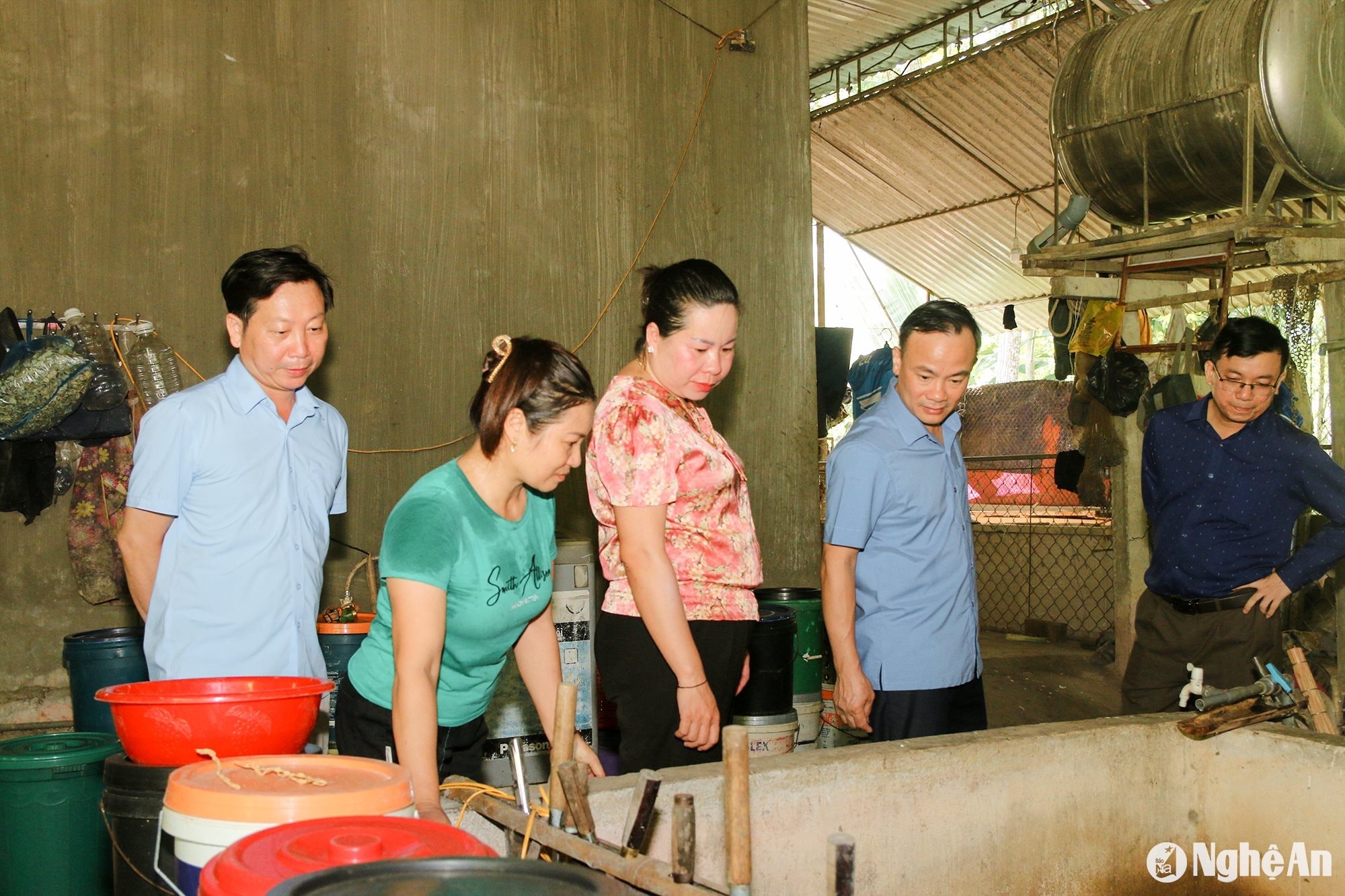
At the same time, strengthen career guidance and vocational training, focusing on training and creating jobs for rural workers; intensify propaganda and mobilization efforts to eliminate conservative, dependent, and complacent thinking among cadres, Party members, and all strata of the people, transforming mindsets and perceptions, and building a spirit of striving for self-reliance and self-improvement…
It can be said that, after 555 years of formation and development, thanks to the continuous efforts of the entire political system, the face of Tuong Duong district has undergone a remarkable transformation. From a desolate land, through many historical events, Tuong Duong has risen to become a mountainous district rich in identity, with a blend of long-standing cultural traditions and a spirit of innovation and sustainable development.