

Nature – A major gap in special education.
Not everyone knows this: for children with developmental disorders, especially those with autism, nature is not just a place for play, but a powerful, sustainable, and gentle method of education and therapy.
Author: Mai Duong | Publication date: April 8, 2025
In the cramped hallway of an early intervention center, a young mother watches her child run around anxiously. A few meters away, a teacher tries to guide another child to sit still to do their homework. Both – parent and teacher – are striving for something good, but perhaps… they are doing it in an inappropriate space.
Not everyone knows this: For children with developmental disorders, especially those with autism, nature is not just a place for play, but a powerful, sustainable, and gentle method of education and therapy.
.png)
A paradox is occurring: when autistic children are young (0–6 years old), many early intervention and support programs are implemented. But when the children enter primary school and beyond, everything seems to… fall apart.
Between the ages of 6 and under 18, many autistic children are "pushed back" from the mainstream school system, but lack suitable alternative environments. Many parents are forced to send their children to facilities whose sole purpose is "safe childcare," completely lacking any genuine educational or therapeutic goals.
Meanwhile, this age range – from 8 to 16 – is precisely the period when children begin to develop a sense of self, have a greater need for social interaction, and often face feelings of isolation and insecurity if not guided properly.
.png)
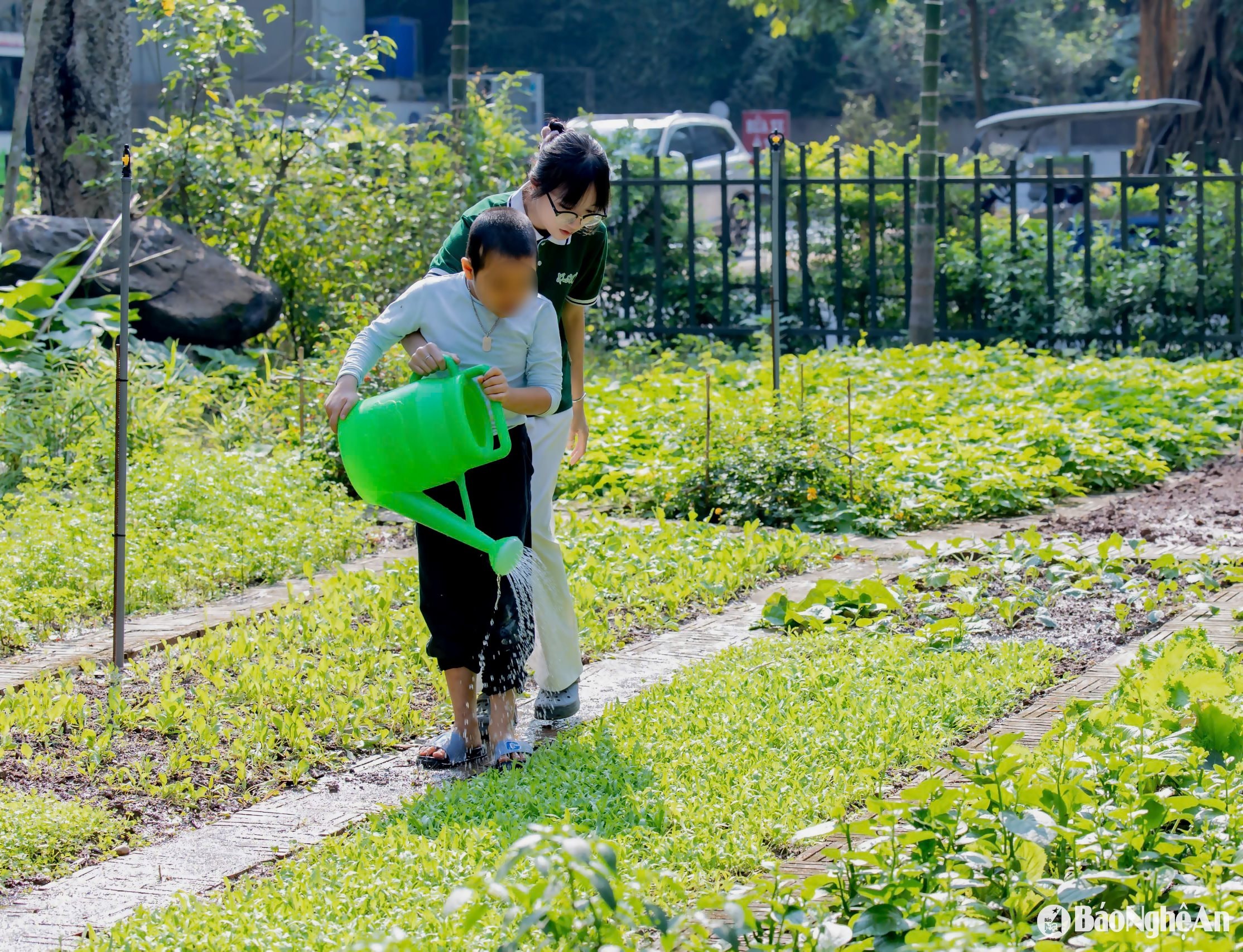
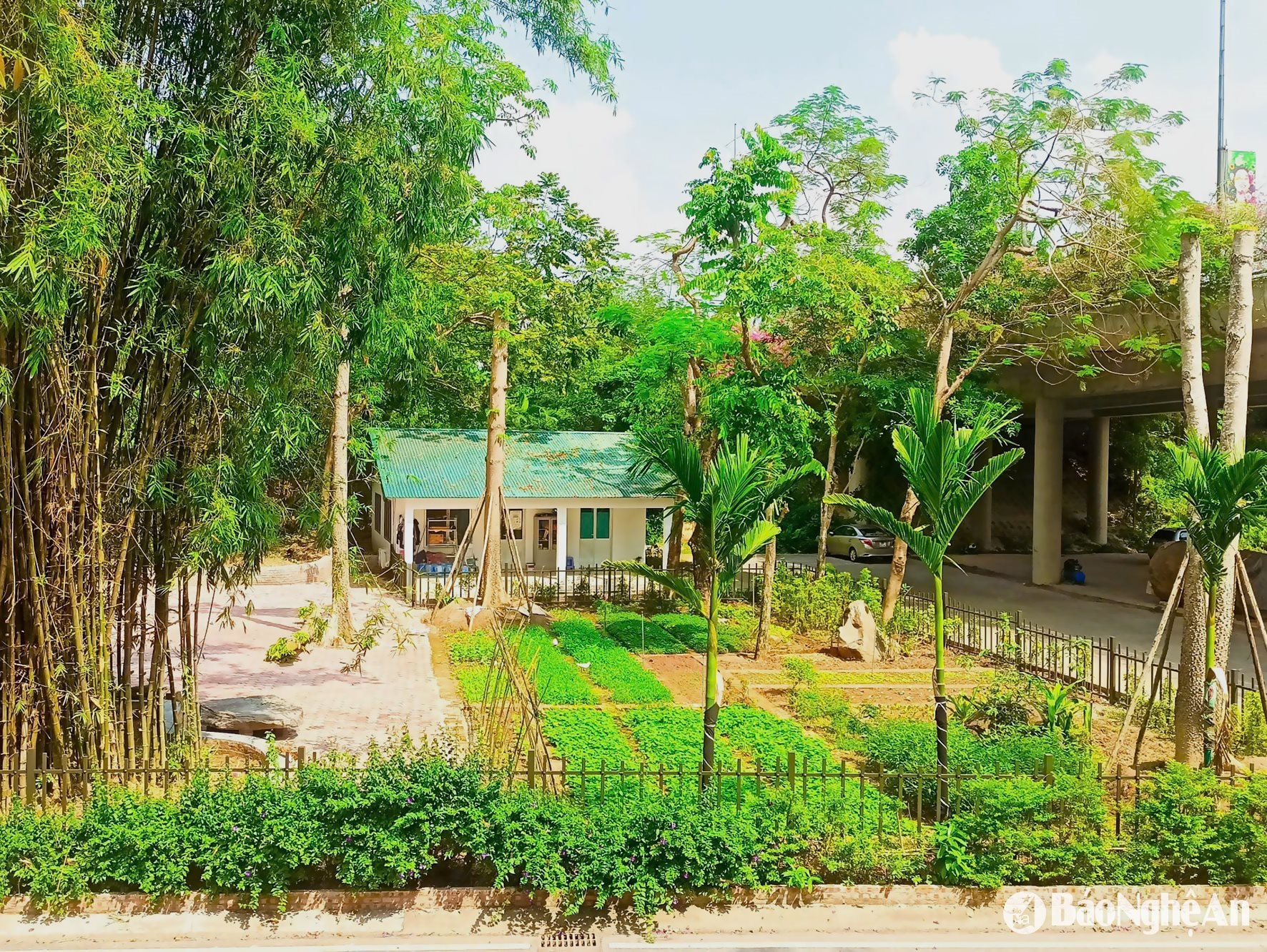
Older autistic children may not like to talk, may not cooperate in class, and may not be able to participate in large group classes – but many are willing to sit by a tree, attentively watering vegetables, feeding fish, or taking walks with adults along quiet paths.
Nature is the "universal language" when words fail. Without excessive guidance or close supervision – just a safe and familiar space – children can self-regulate and rediscover their emotional rhythm.
This isn't just an emotional opinion. A 2021 study published in Frontiers in Psychology demonstrated that adolescent autistic children who participated in intervention programs involving gardening, animal care, or outdoor activities showed significantly reduced anxiety and self-stimulating behaviors, particularly in the group that was no longer cooperative during indoor therapy sessions.

.png)
We tend to think of learning as just learning – and living is a different matter. But for children with developmental disorders, learning is about living properly, establishing regular biological rhythms, clear habits, and responding safely to the world.
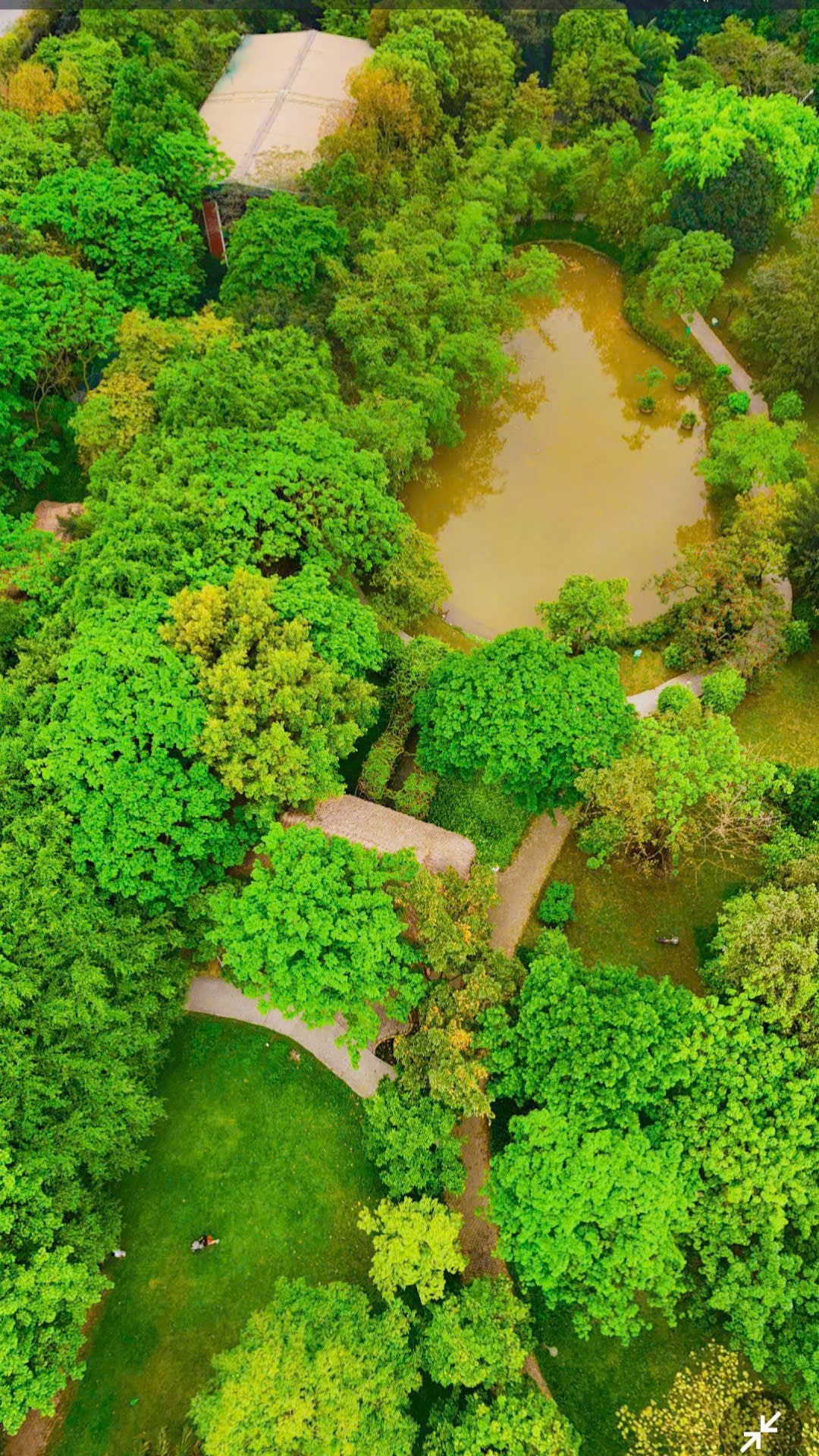
An autistic child doesn't need to learn 20 new words every day, but they do need to know how to wake up, eat, work, relax, and sleep in a predictable sequence. Nature, with its day and night light, regular sounds, and activities connected to earth, water, trees, and sand, is the ideal environment for establishing these rhythms.
Children learn only when the learning environment has a rhythm.
.png)
Many parents and teachers often expect children to be able to speak, write, and understand commands. But before those advanced skills emerge, children need to have their sensory nervous system retuned – something that music, rhythm, and movement can do better than any other curriculum.
International practice has shown that simple, repetitive songs – when combined with actions (clapping, swaying, walking in circles, washing hands to the rhythm, etc.) – help children develop stable reflexes. That is why current integrated intervention programs incorporate music into all activities: from learning, eating, sleeping to teamwork.
When music is combined with an open space, children no longer learn solely through memorization, but also through a sense of safety and enjoyment.

A truly excellent special education teacher is not only a good communicator, but also someone who knows how to observe, how to wait, and how to create situations that allow children to progress on their own. This requires time, space, and creativity.

In a closed classroom, teachers are constrained by the curriculum, the whiteboard, and behaviors that need to be controlled. But when they go out into nature, teachers have more material to "design experiences": from watering vegetables, raking the soil, to moments of silent walking with children.
It's a real classroom, without a podium – but full of learning opportunities.

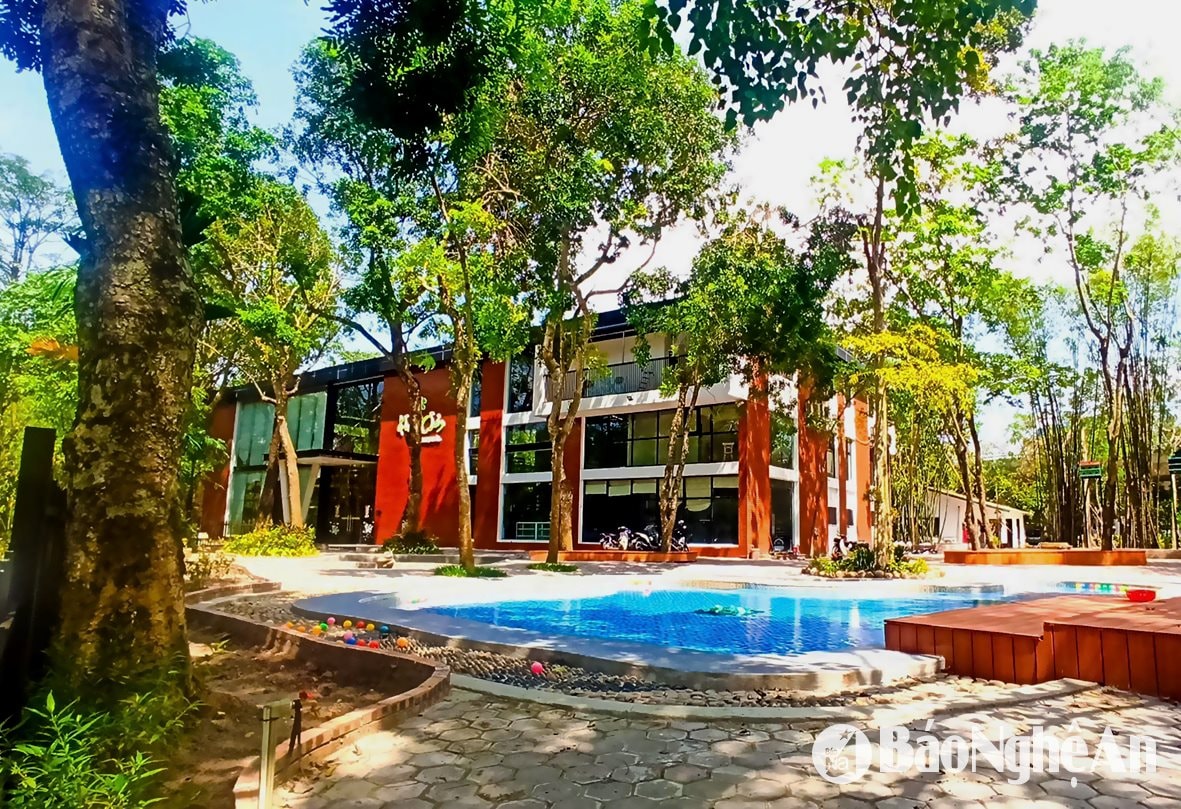
If each special education center were planned with a small garden, a lawn, or a vegetable patch, then the nature-integrated education model would no longer be the exclusive privilege of those with the resources.
Every rule has a framework, but children are not all the same. Let's create more "flexibility" to allow specific models to operate in a way that suits each child – as long as it's safe, has clear goals, and is professionally supervised.
Special education cannot remain a matter of discretionary handling. It requires a national strategy, starting with policy – and nurtured by trust.
We may differ in perspective, methods, and even circumstances. But if we all look at the child – not as a "difficult case," but as a living being growing every day – then all those differences will disappear.
Children don't need a complicated program. They just need a place where they can live at their own pace. And sometimes, that place starts with a vegetable patch, a banana tree, or the sound of birds singing outside of school hours.
If someone asks, "Where should special education begin?", perhaps we should answer:
"From the recognition that children with special needs also have the right to learn in nature – just like any other child."
