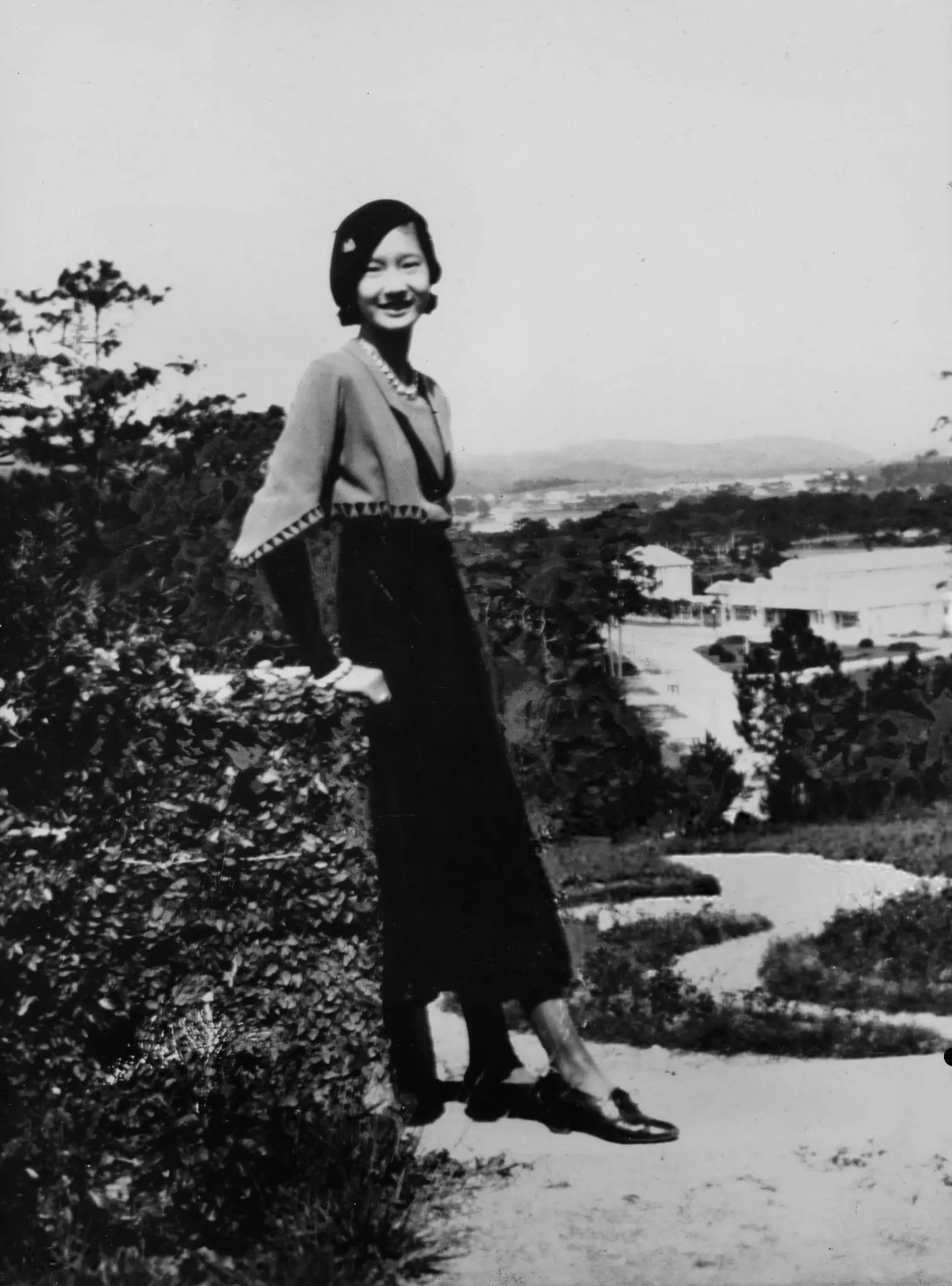
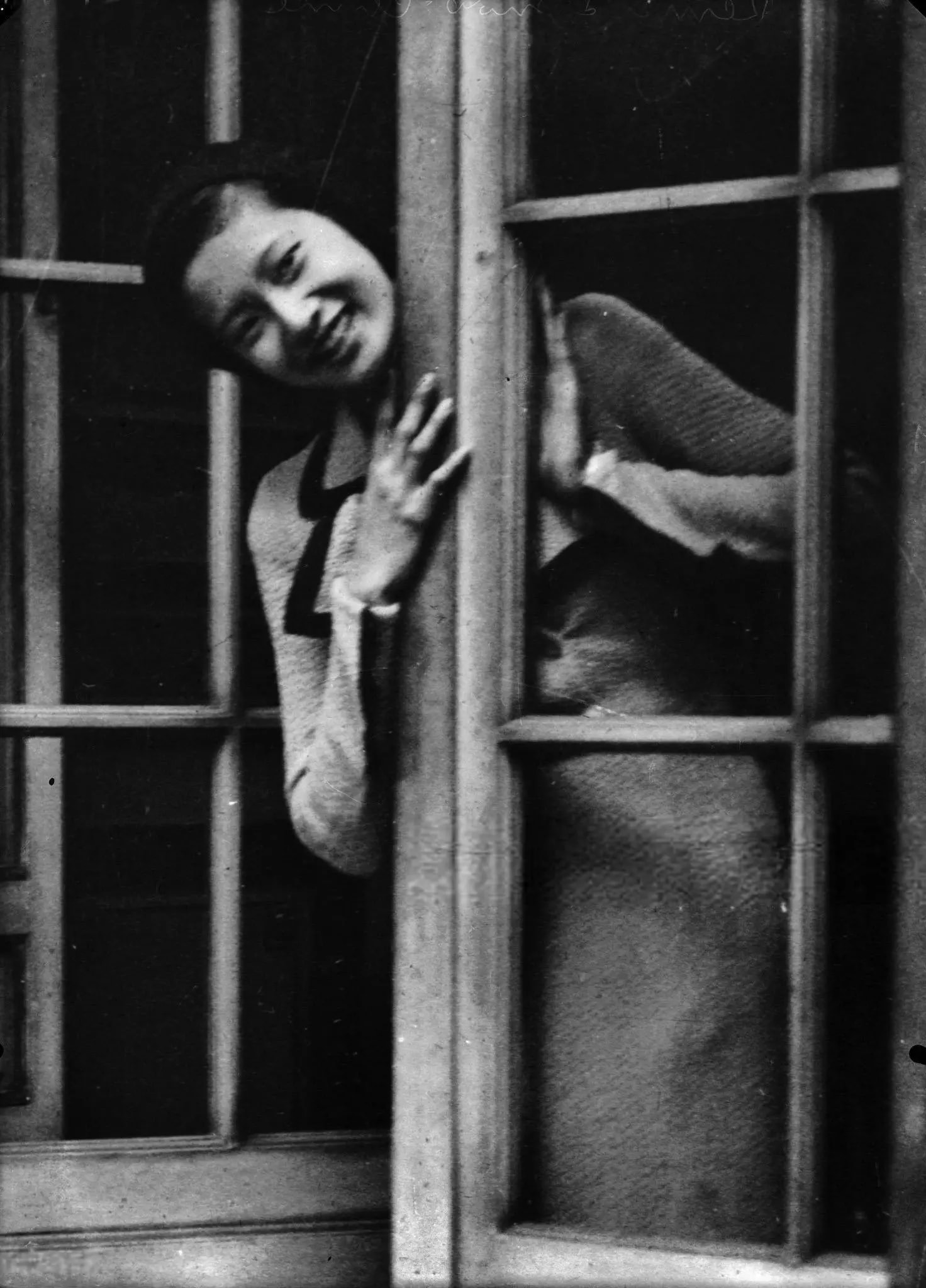
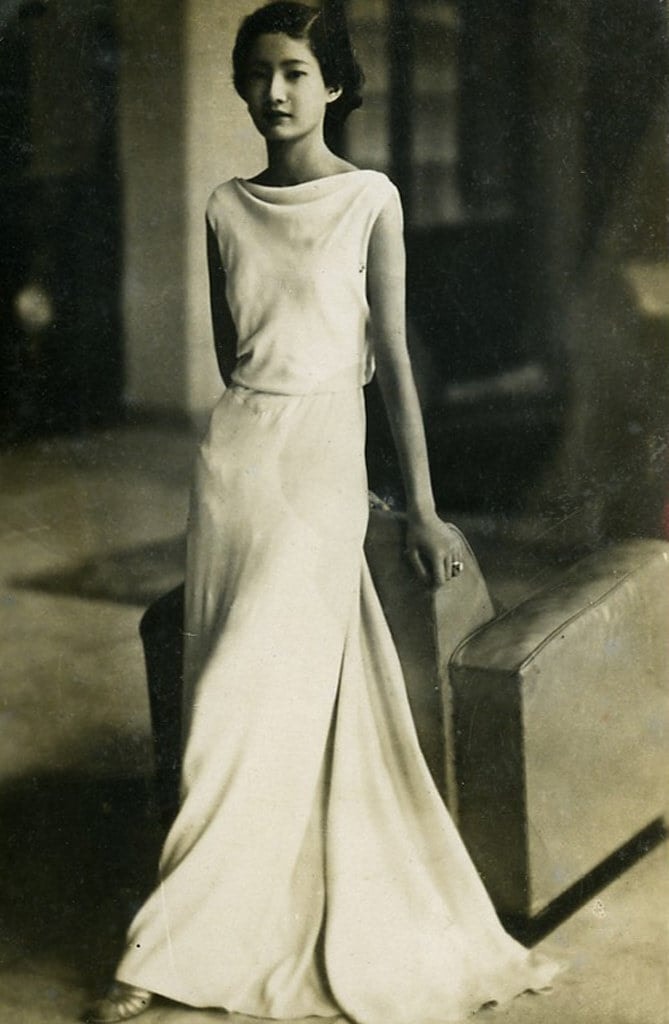
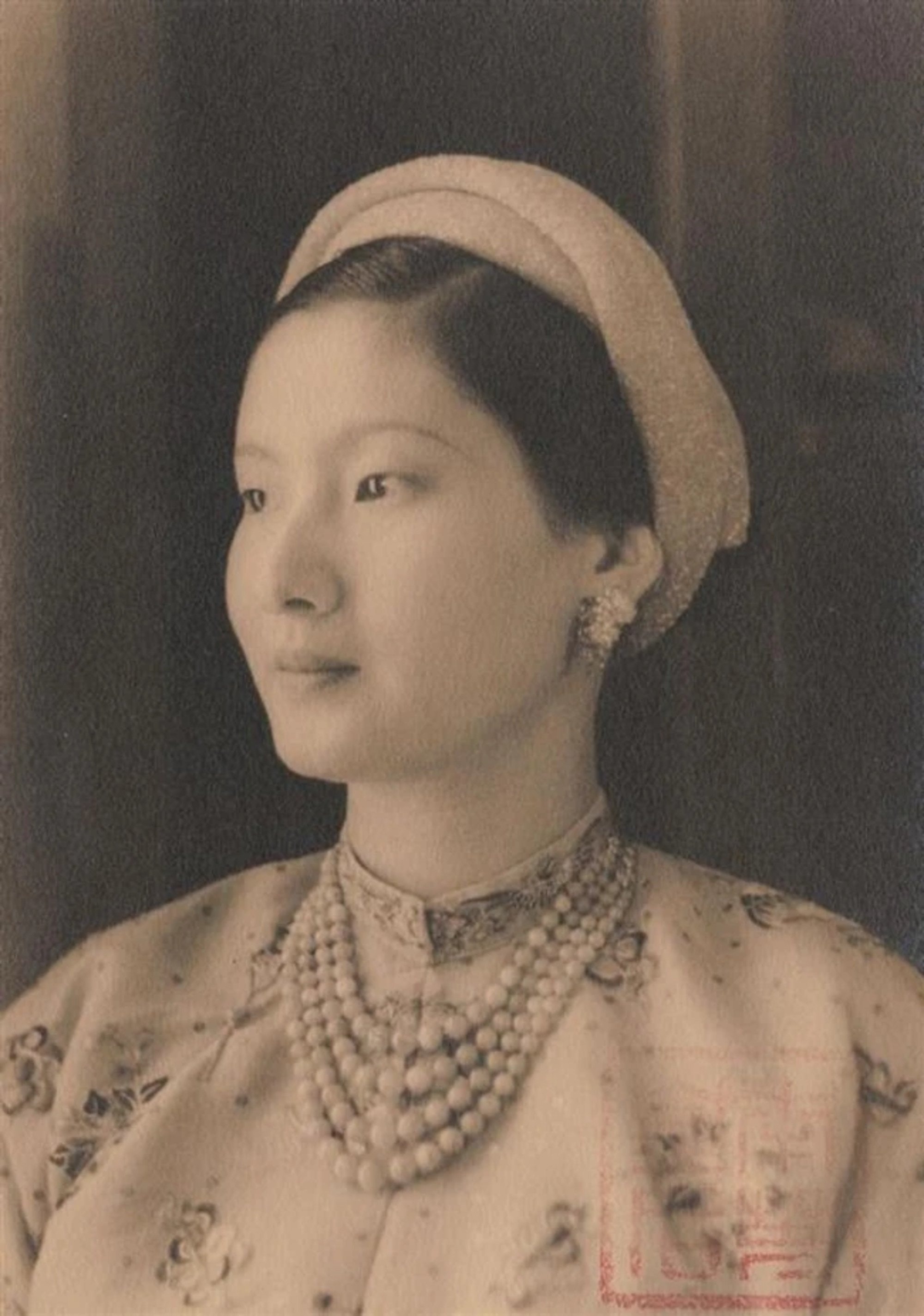
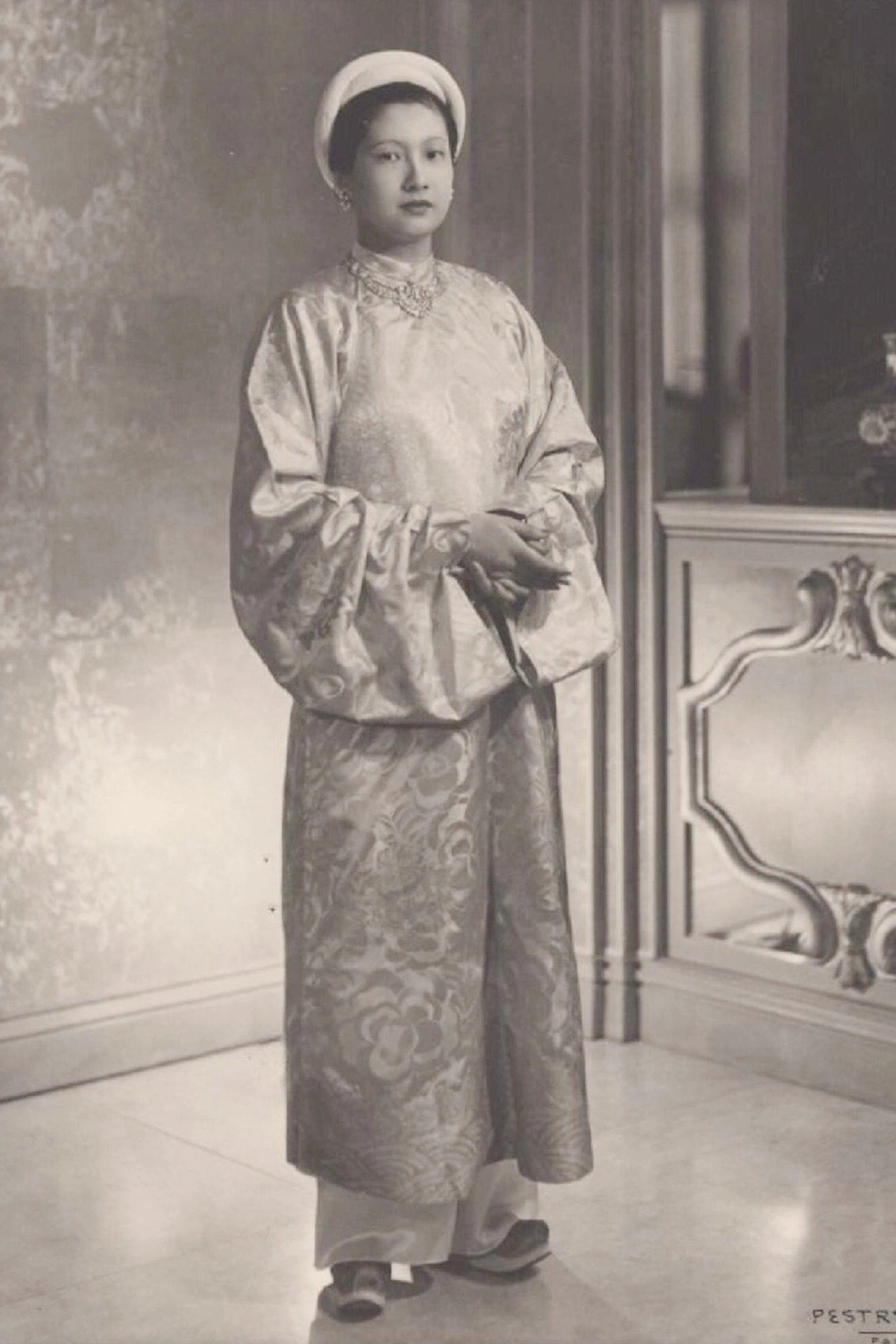
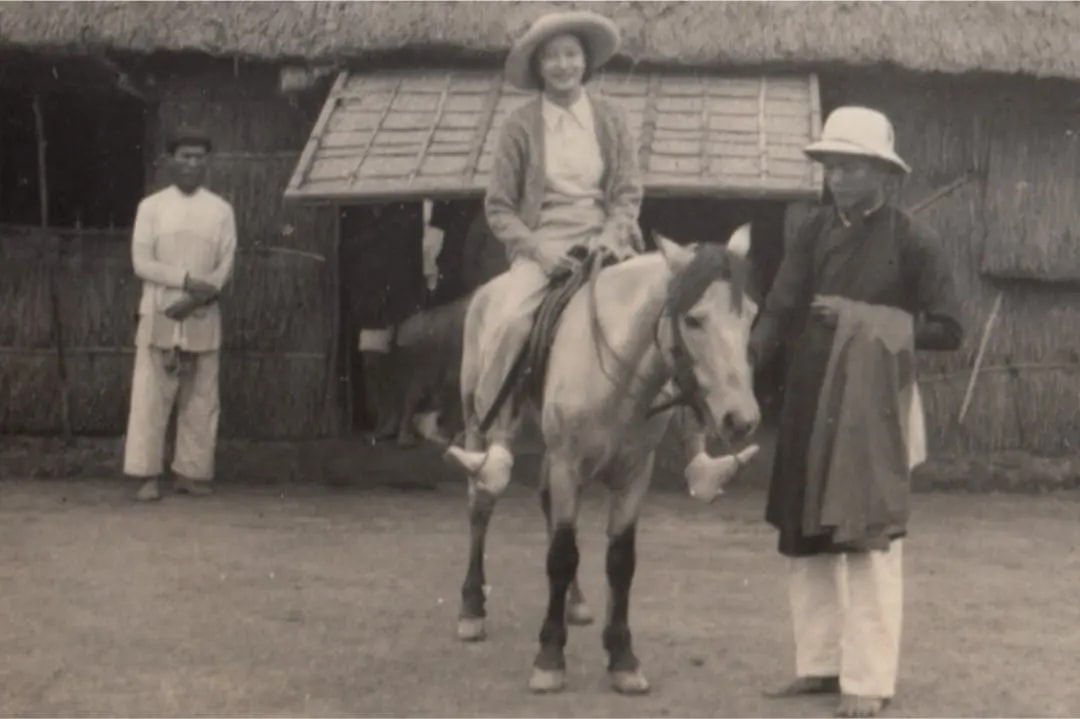
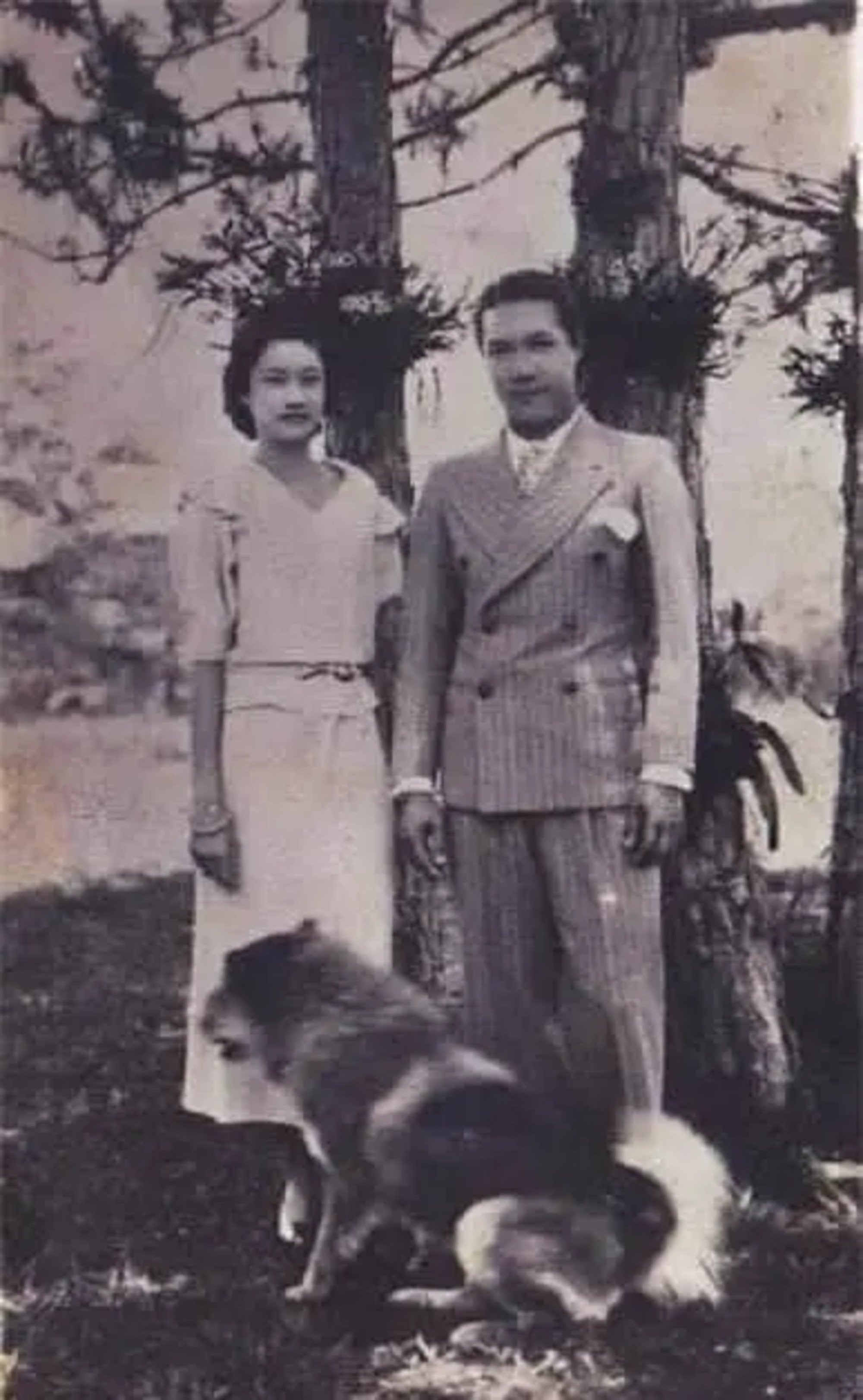
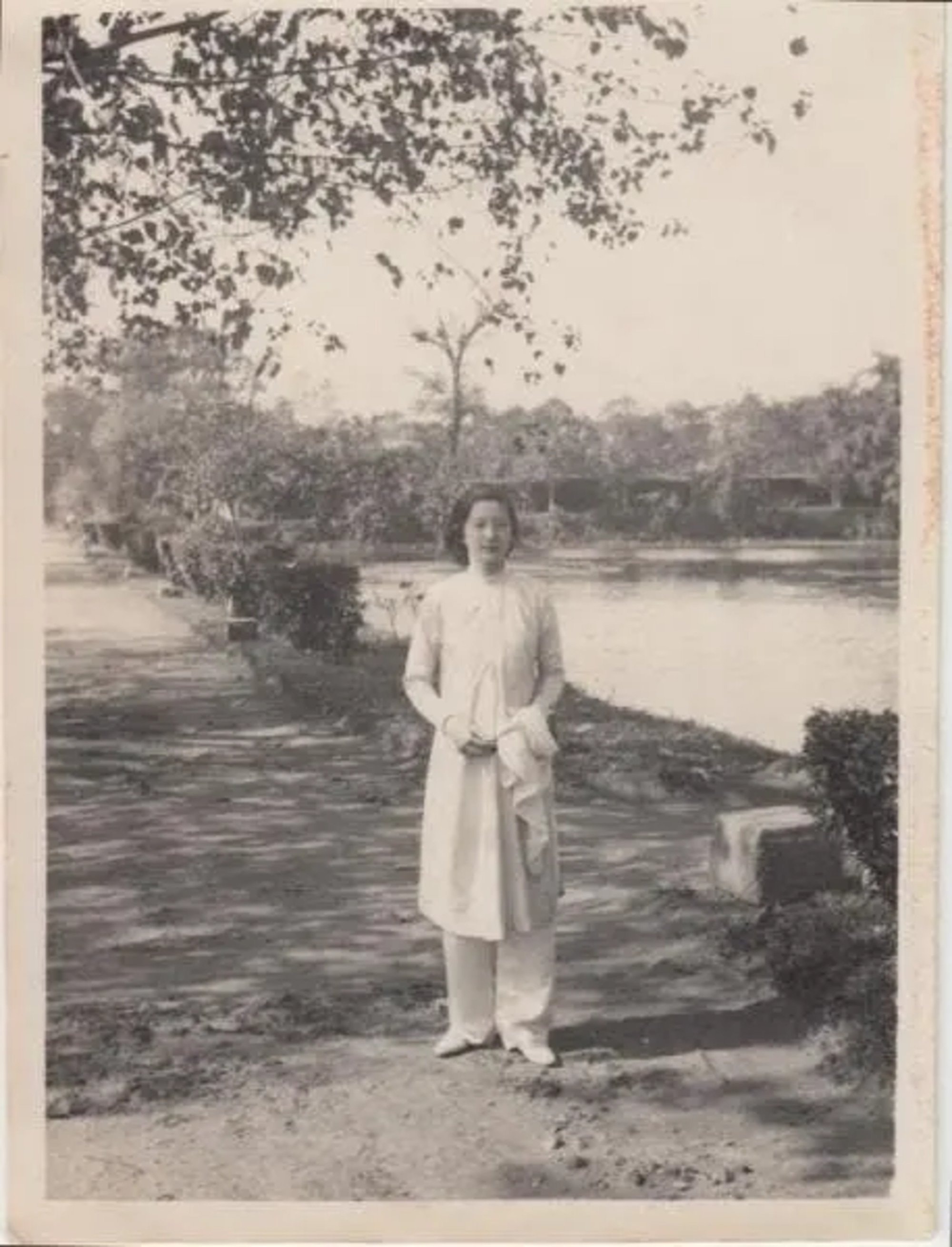
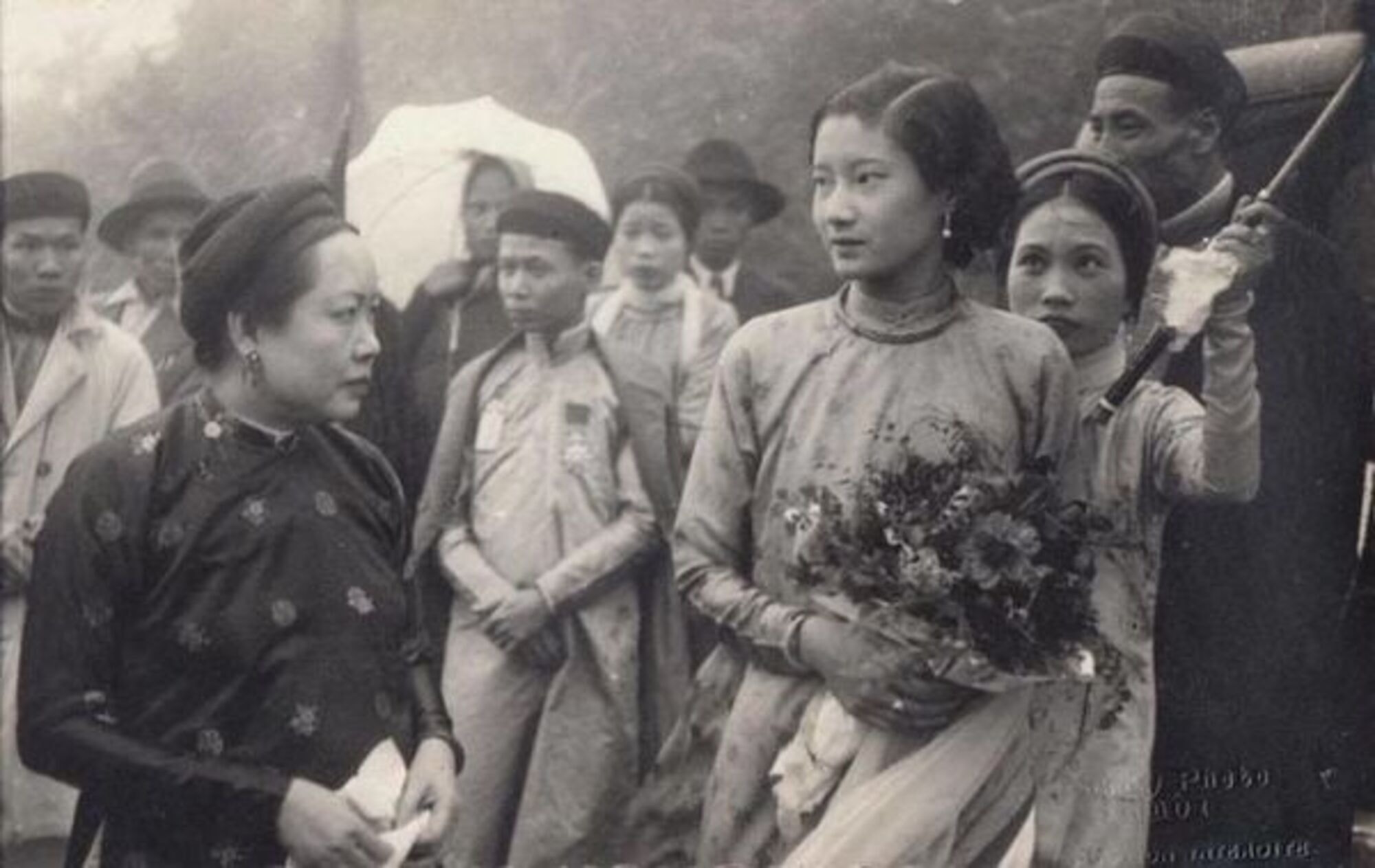
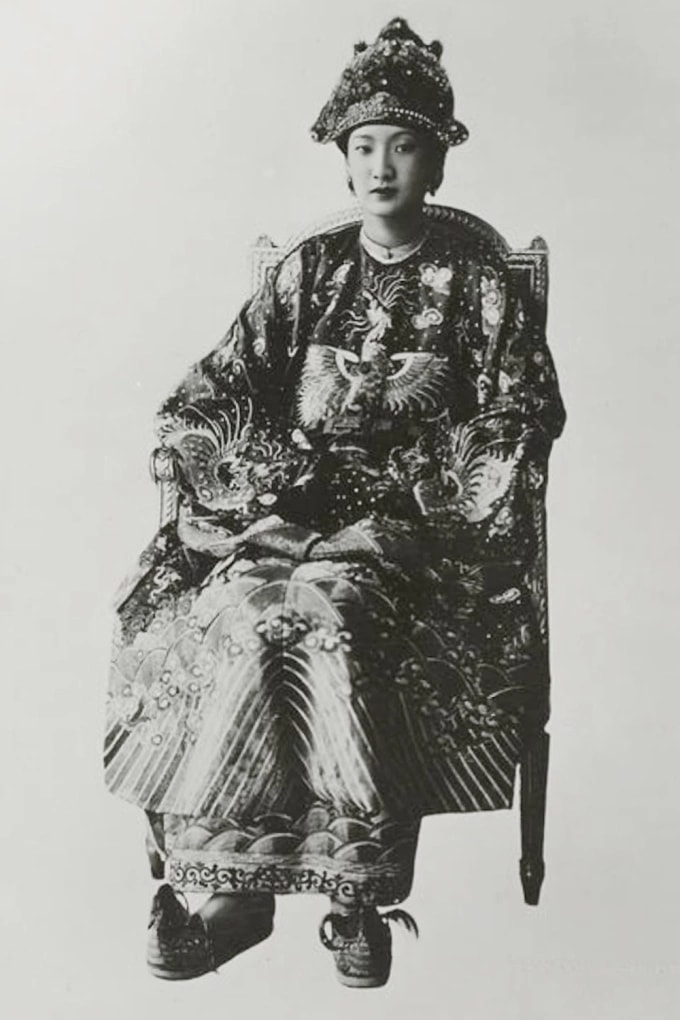
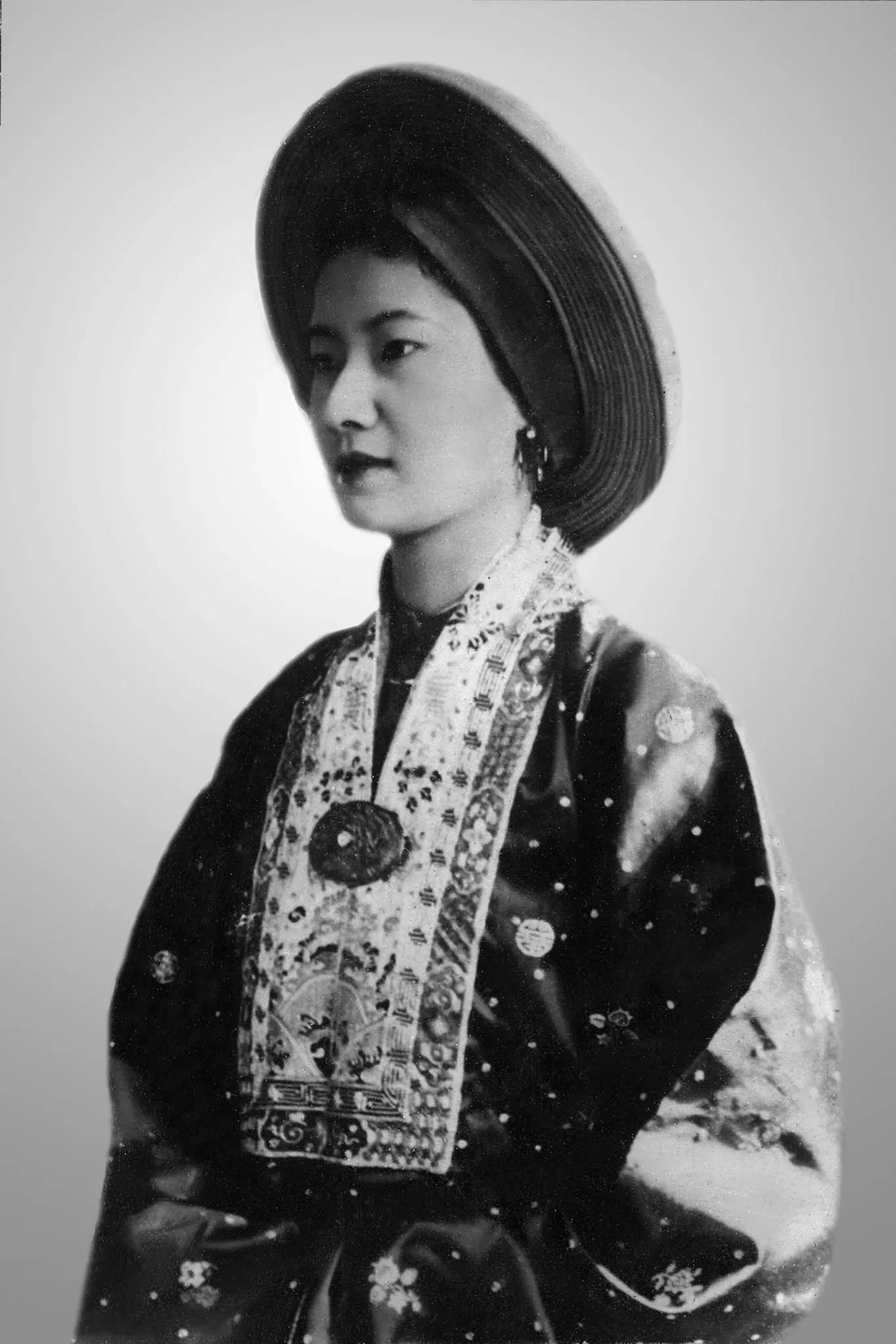
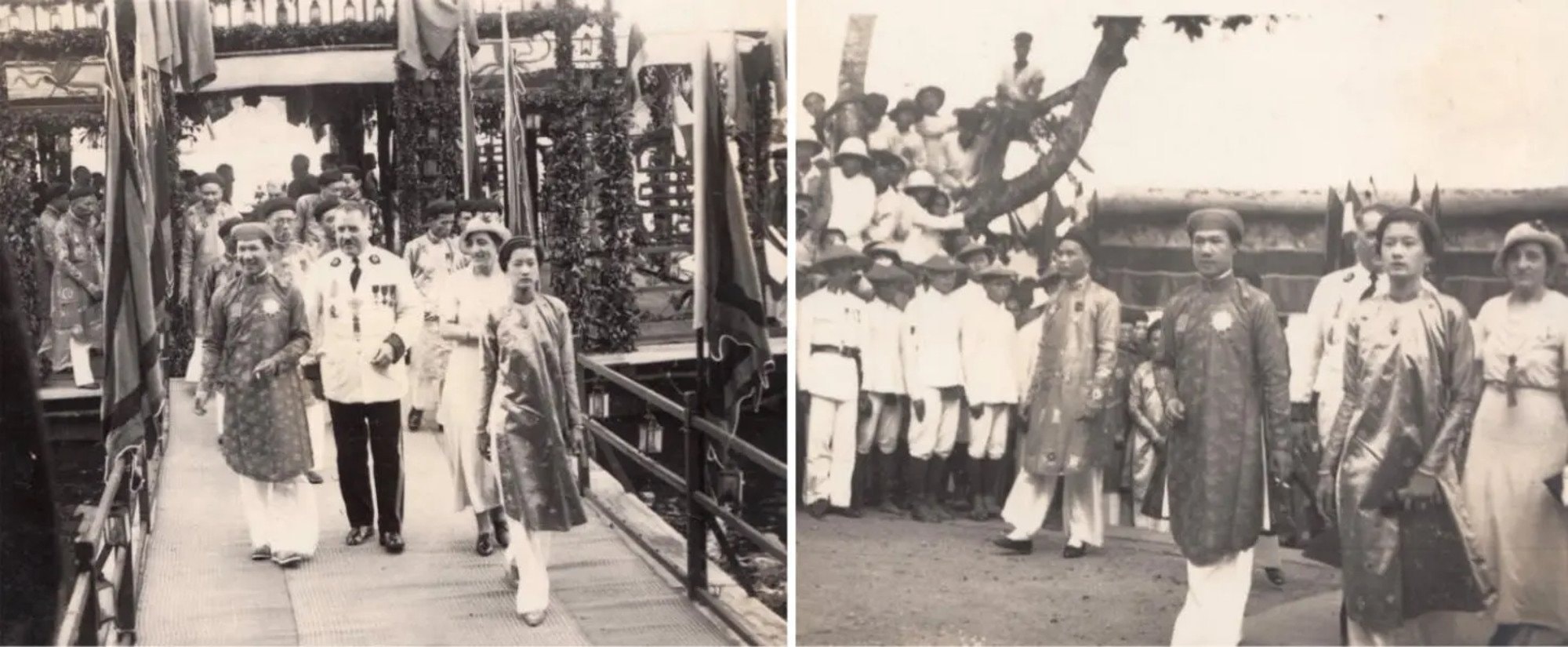
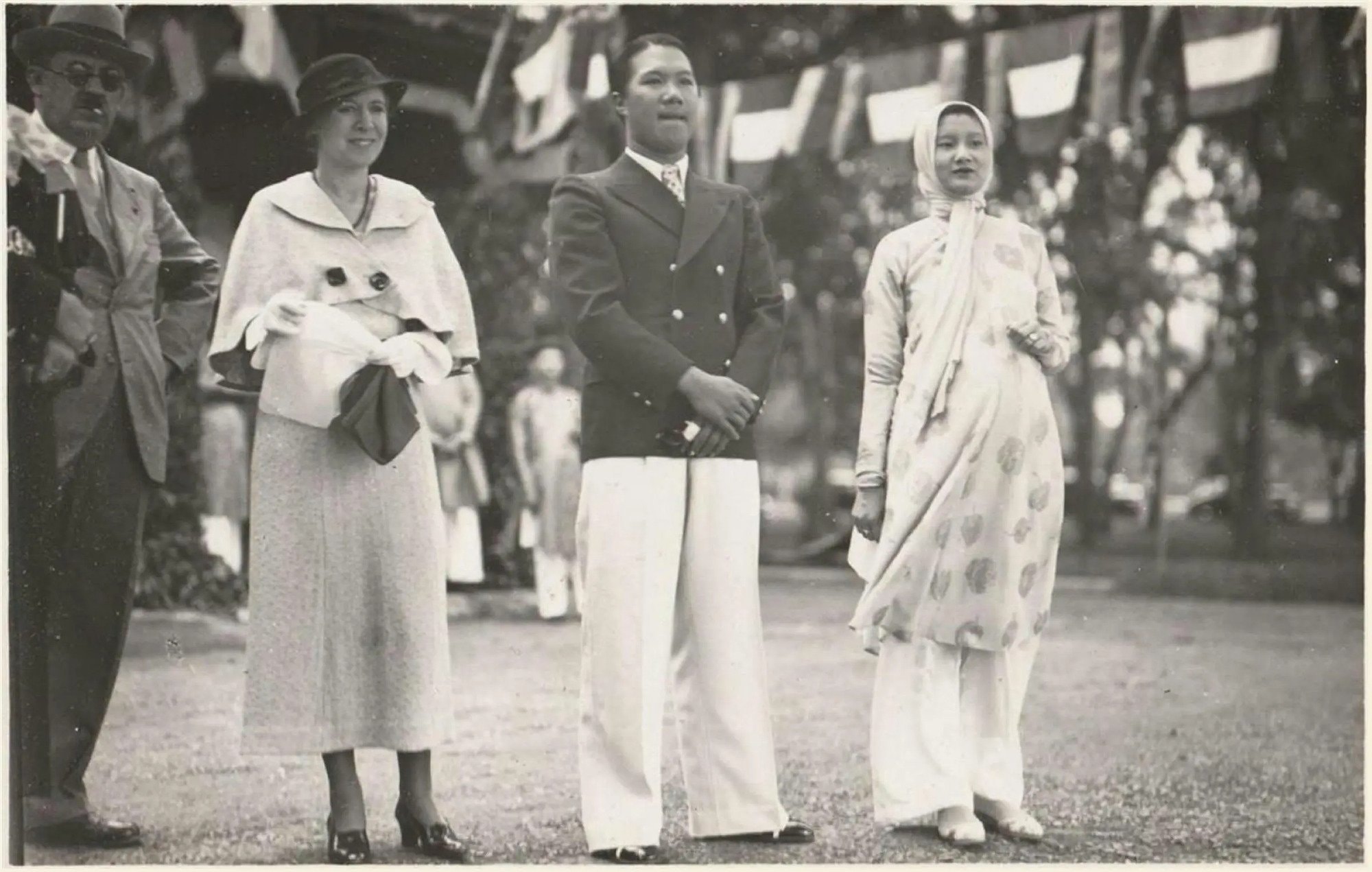
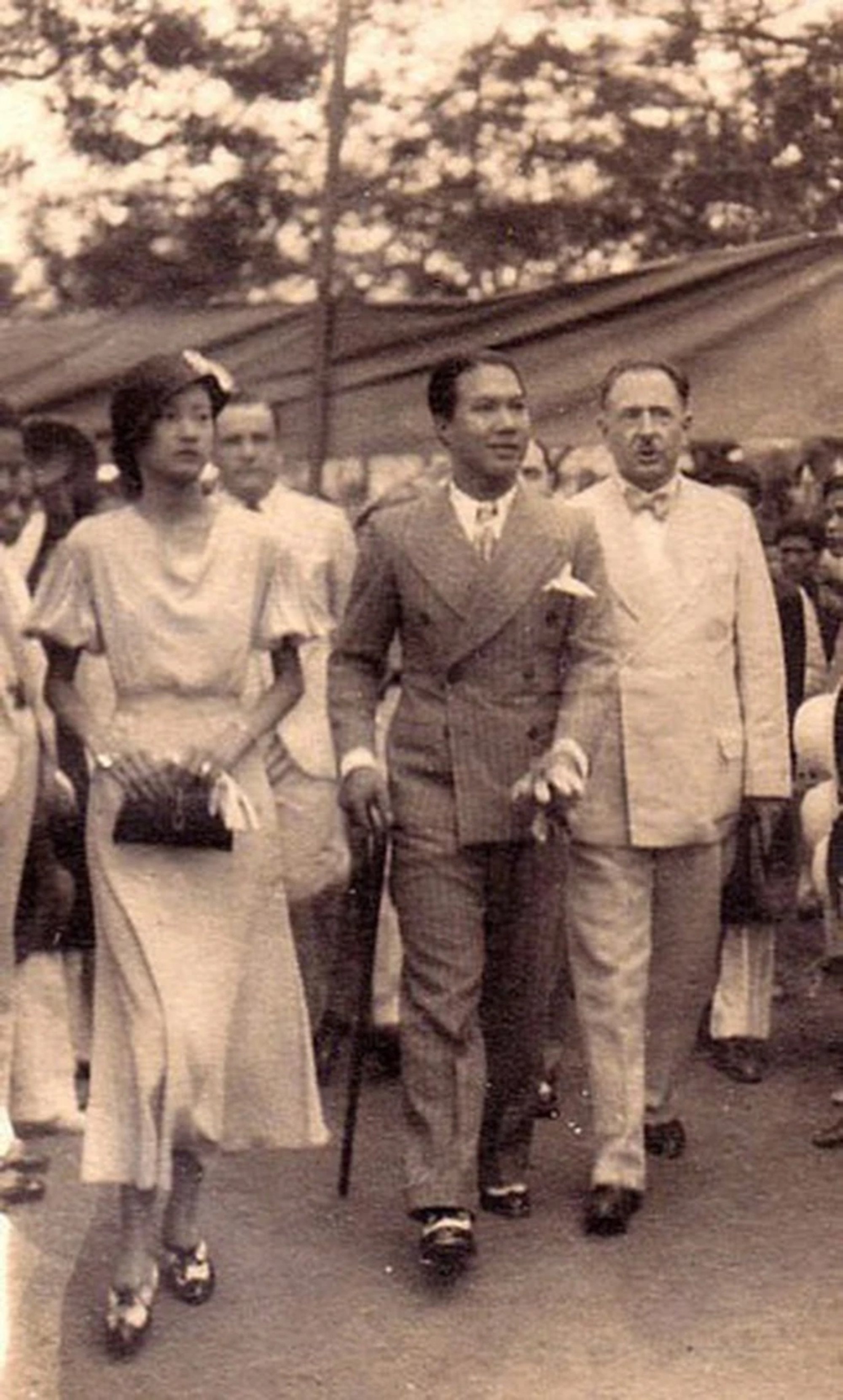
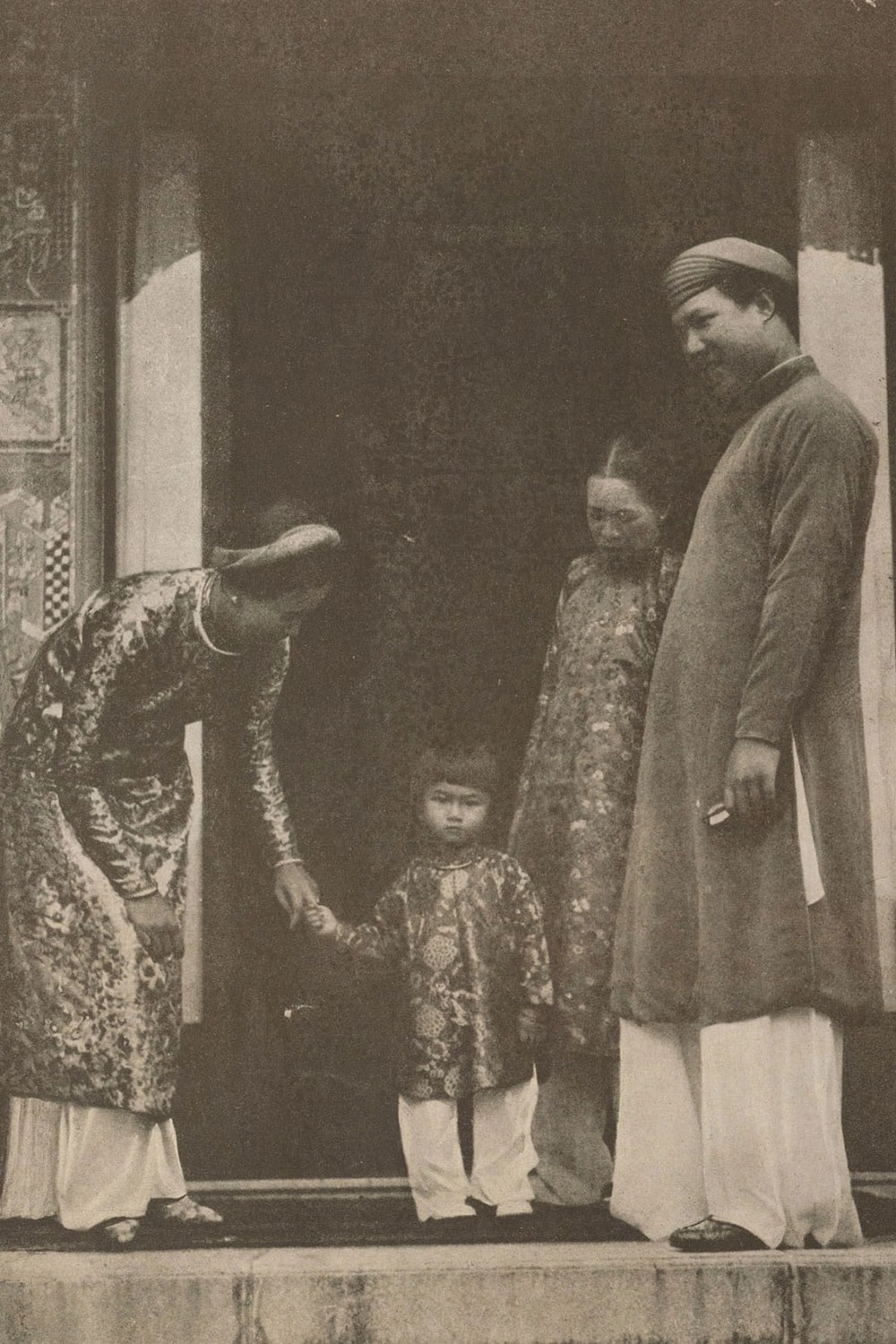
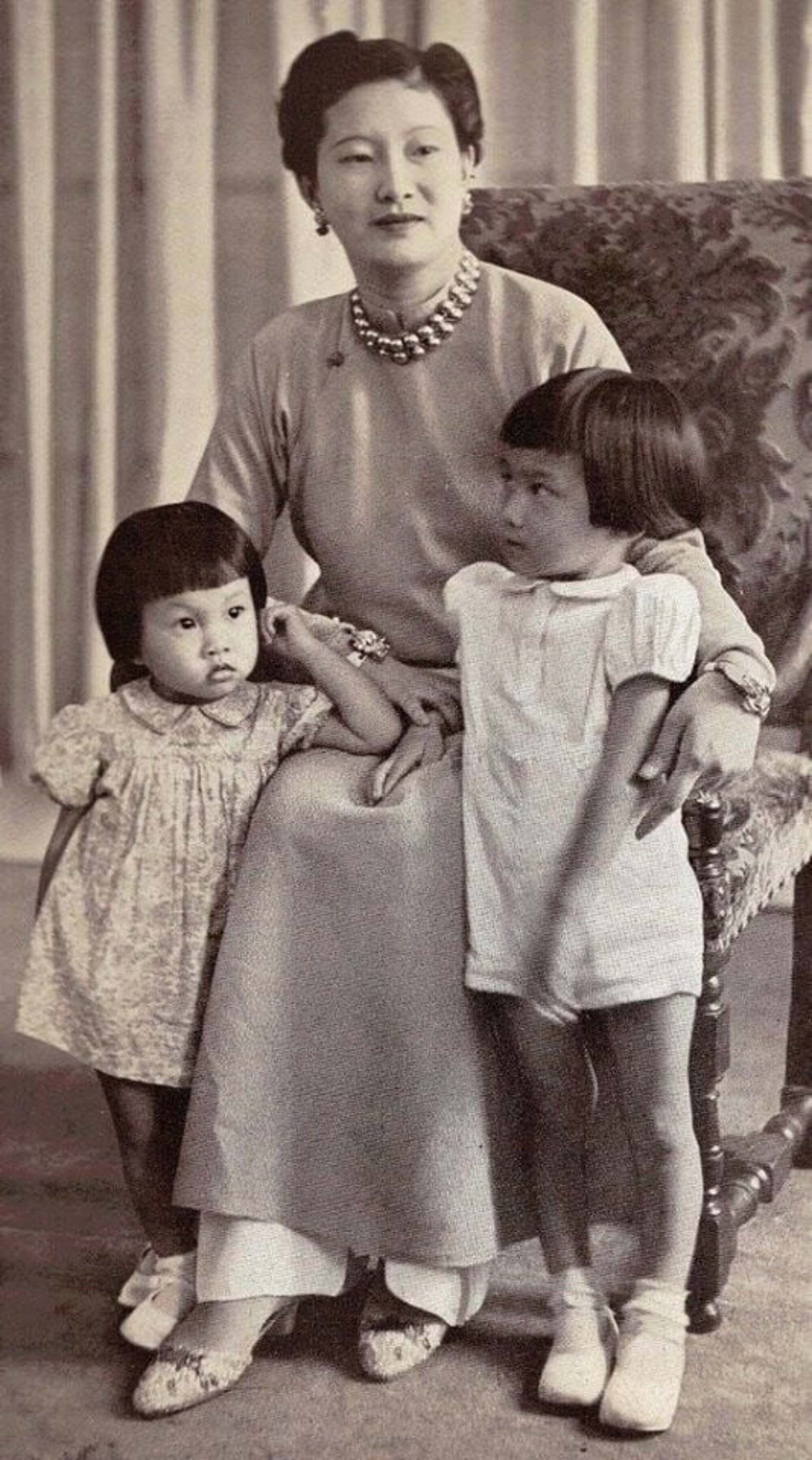
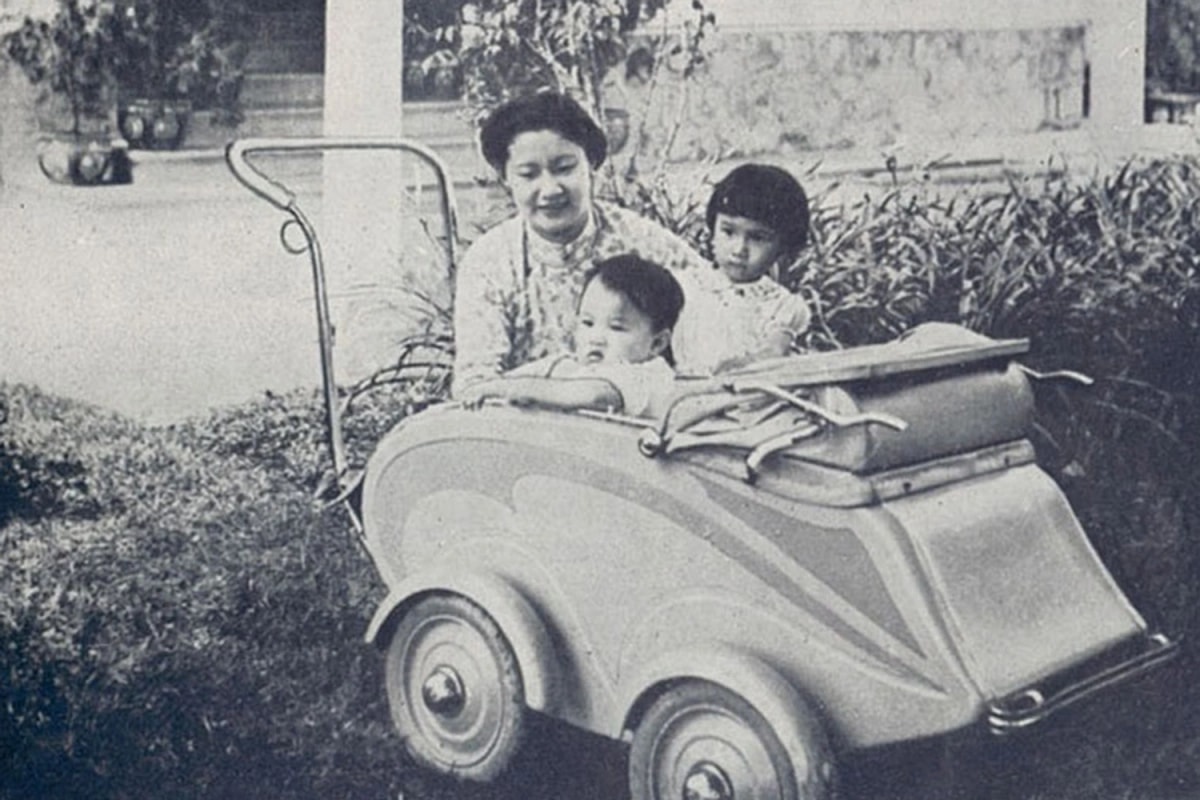
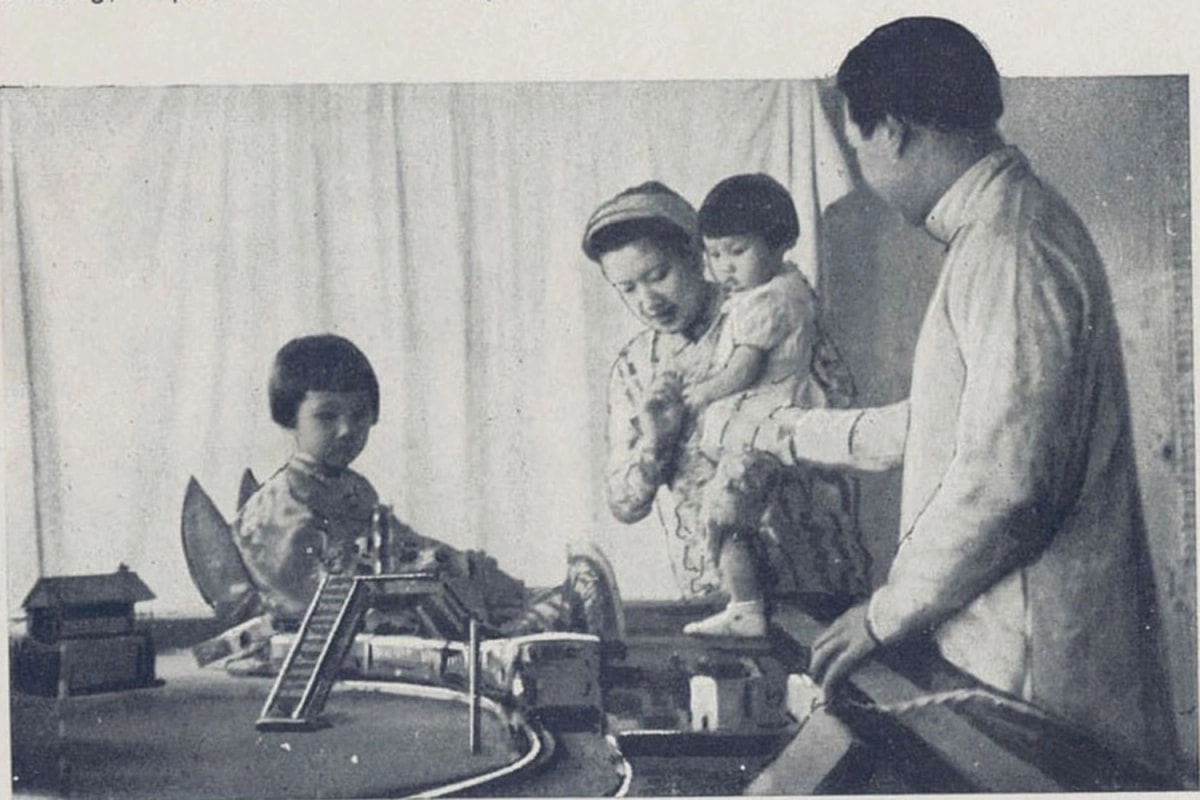
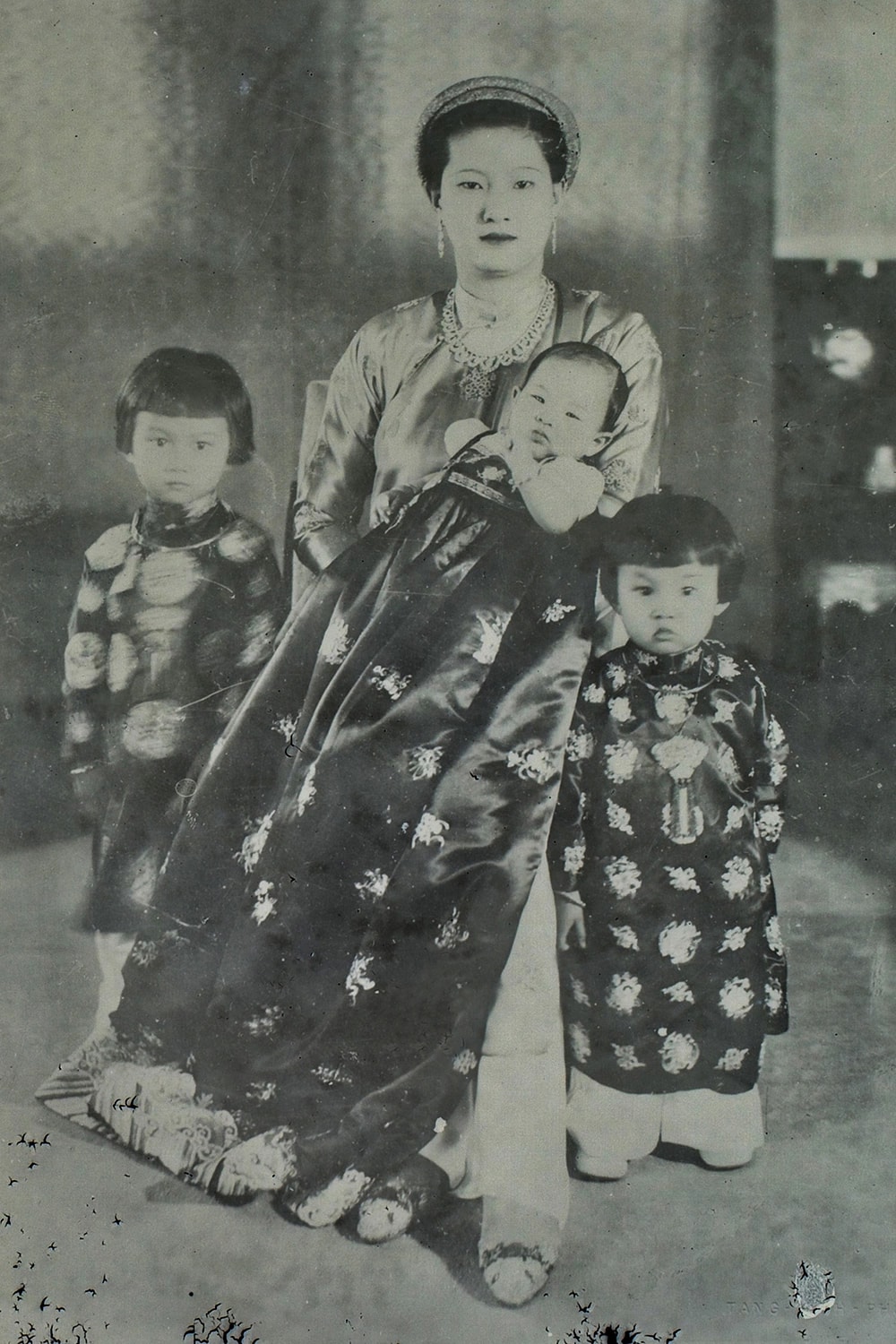
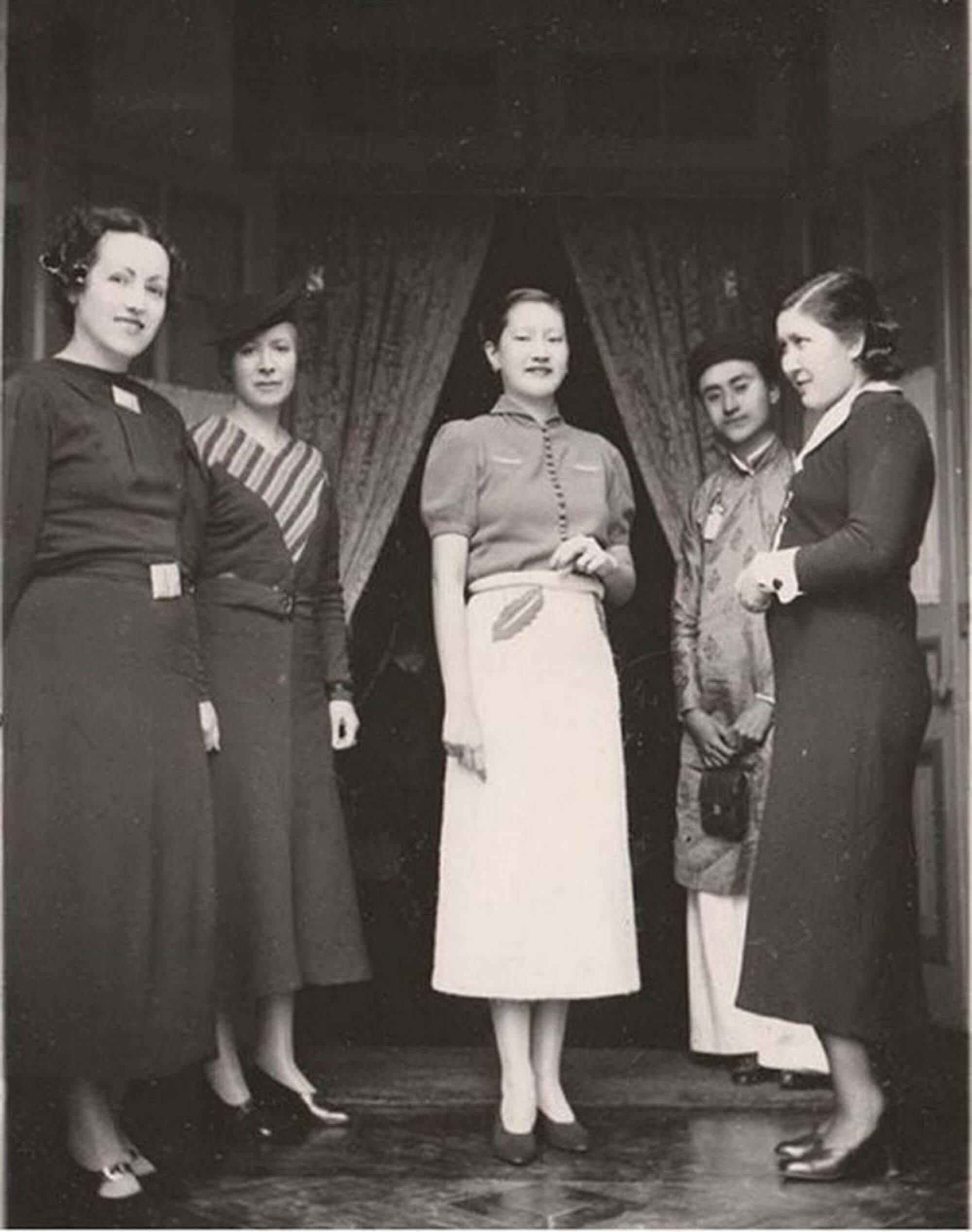
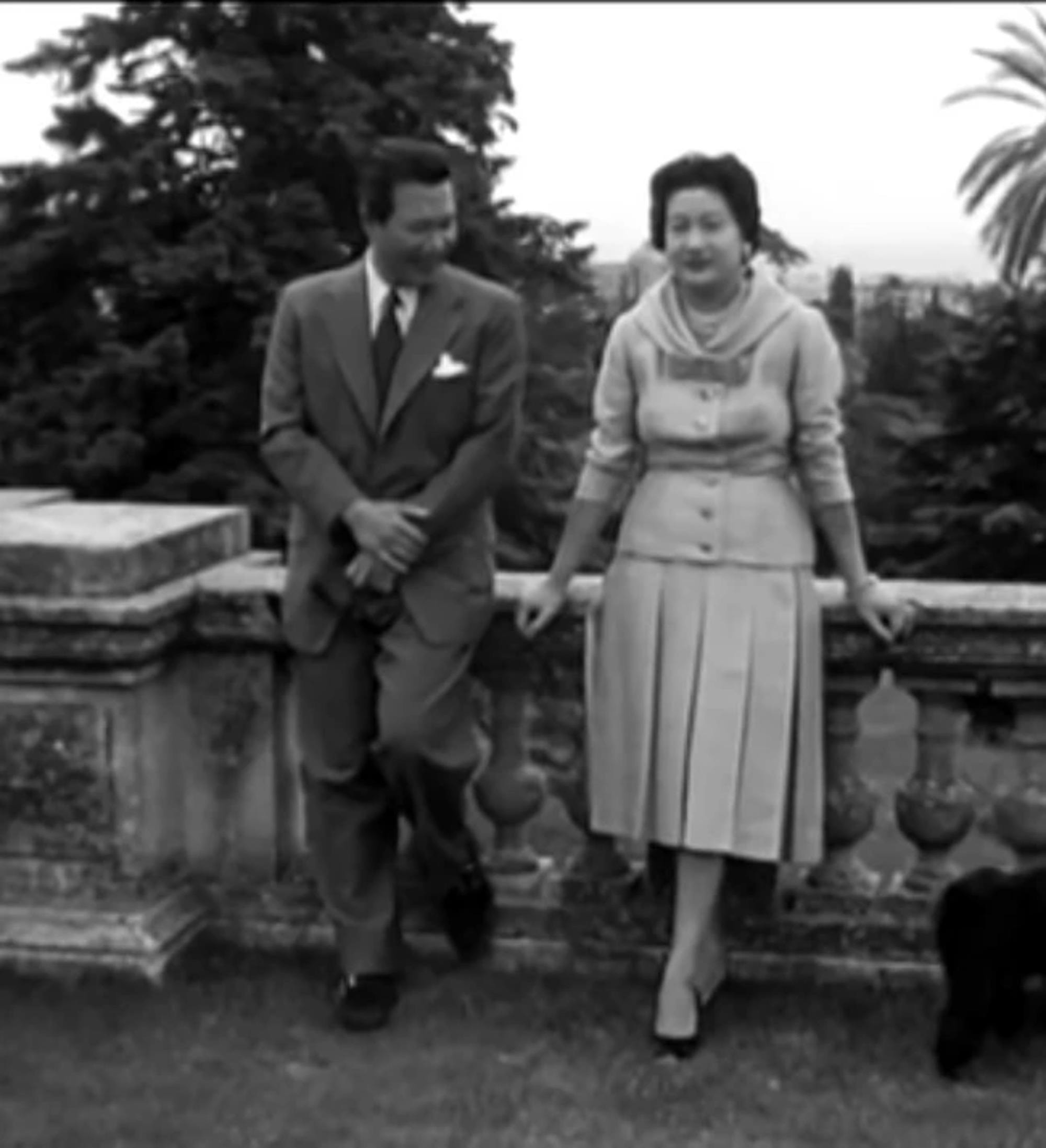
Photographs of Queen Nam Phuong in her youth not only capture her timeless beauty but also reflect the image of a modern, intelligent, and compassionate queen.
Empress Nam Phương, whose real name was Nguyễn Hữu Thị Lan, was born in 1914 in Gò Công, now part of Gò Công town (Tiền Giang province). Her father, Nguyễn Hữu Hào, was one of the wealthiest men in Southern Vietnam. Her mother, Lê Thị Bình, was the daughter of Lê Phát Đạt, one of the four richest men in Vietnam at that time.The Empress held French citizenship and her French name was Jeanne Mariette Thérèse. She and her older sister lived in Saigon until she was 12 years old, when she moved to France to study at the prestigious Couvent des Oiseaux girls' school in Paris.After six years of secondary school, in 1932 she passed her baccalaureate exam and returned to her country on the D'Artagnan ship of the Messagerie Maritime company.Empress Nam Phuong possessed a distinctly East Asian beauty with jet-black hair, sharp eyes, and a perpetual smile on her lips.She had a straight nose and flawless white skin, exuding an air of nobility befitting a woman from a wealthy family.Not only is Nguyen Huu Thi Lan distinguished by her graceful beauty and tall, slender figure, but she also possesses intelligence, fluency in multiple foreign languages, and a refined manner and aristocratic demeanor.In August 1933 in Da Lat, Nguyen Huu Thi Lan met Emperor Bao Dai for the first time when she was only 18 years old. Emperor Bao Dai chose her as Empress not only because of her exceptional beauty, but also because of her intelligence, upbringing, and compassionate spirit.Nguyen Huu Thi Lan in a traditional ao dai dress, believed to have been photographed during her official introduction to the royal family before her wedding in 1934.She became Empress Nam Phuong on her wedding day. On the day she was officially crowned Empress, newspapers across the country reported the news simultaneously.Newspapers such as Trang An Newspaper, Ha Thanh Ngo Newspaper, Phu Nu Tan Van, Dien Tin… called her a “typical woman” of the new era – possessing all the qualities of beauty, intelligence, virtue, and diplomatic skills. The Empress wore her royal attire on her wedding day.Nam Phương wore a Nhật Bình dress and a headscarf on the day of her coronation as Empress.Not only was Empress Nam Phuong the life partner of Emperor Bao Dai, but she was also his companion and collaborator.While Emperor Bảo Đại focused on state affairs, she assumed the role of the royal consort, maintaining etiquette, educating the children, and actively participating in charitable work, fundraising, caring for orphanages, and promoting education.Empress Nam Phuong and King Bao Dai during a trip to France in 1939.Nguyen Phuc Bao Long – her eldest son – was the last crown prince of the Nguyen dynasty.Furthermore, Prince Bao Thang and Princesses Phuong Mai, Phuong Lien, and Phuong Dung were all cared for and educated by her in a spirit of harmonious blending Eastern and Western cultures.The Queen and her children in May 1939, as featured in Le Monde colonial illustré.Emperor Bảo Đại, Empress Nam Phương, and their children in May 1939.A photograph of Empress Nam Phuong and her children was published in the Indochine hebdomadaire illustré newspaper in 1942.Although her reign as Empress lasted only a little over 10 years (1934–1945), Empress Nam Phuong left a symbolic mark.According to records, she left behind for posterity the image of an exemplary national mother. From her beauty and education to her social role, she became a powerful symbol of inspiration for Vietnamese women on their journey to break free from constraints, pursue knowledge, and assert their self-worth.