

iPhone Air officially revealed: Apple's thinnest and most durable masterpiece.
At its 2025 product launch event, Apple made a new mark with the iPhone Air – a masterpiece touted as the thinnest yet most durable phone ever.
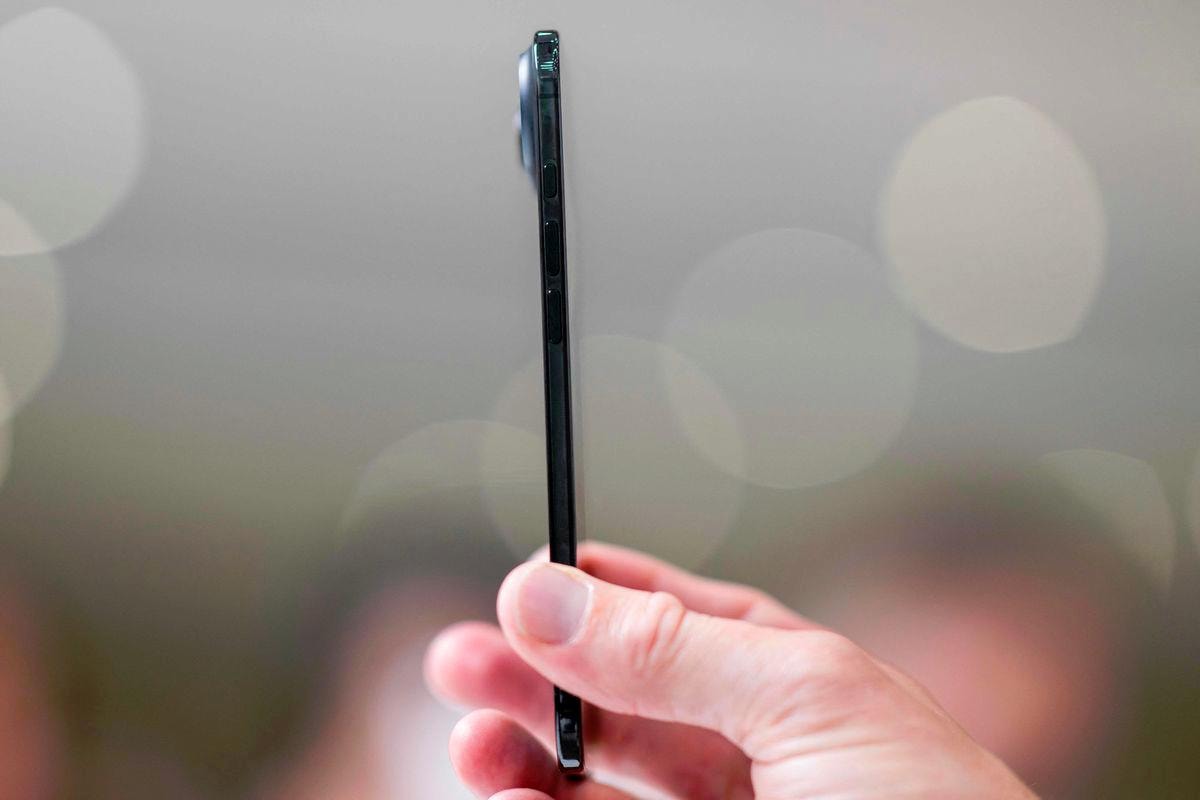
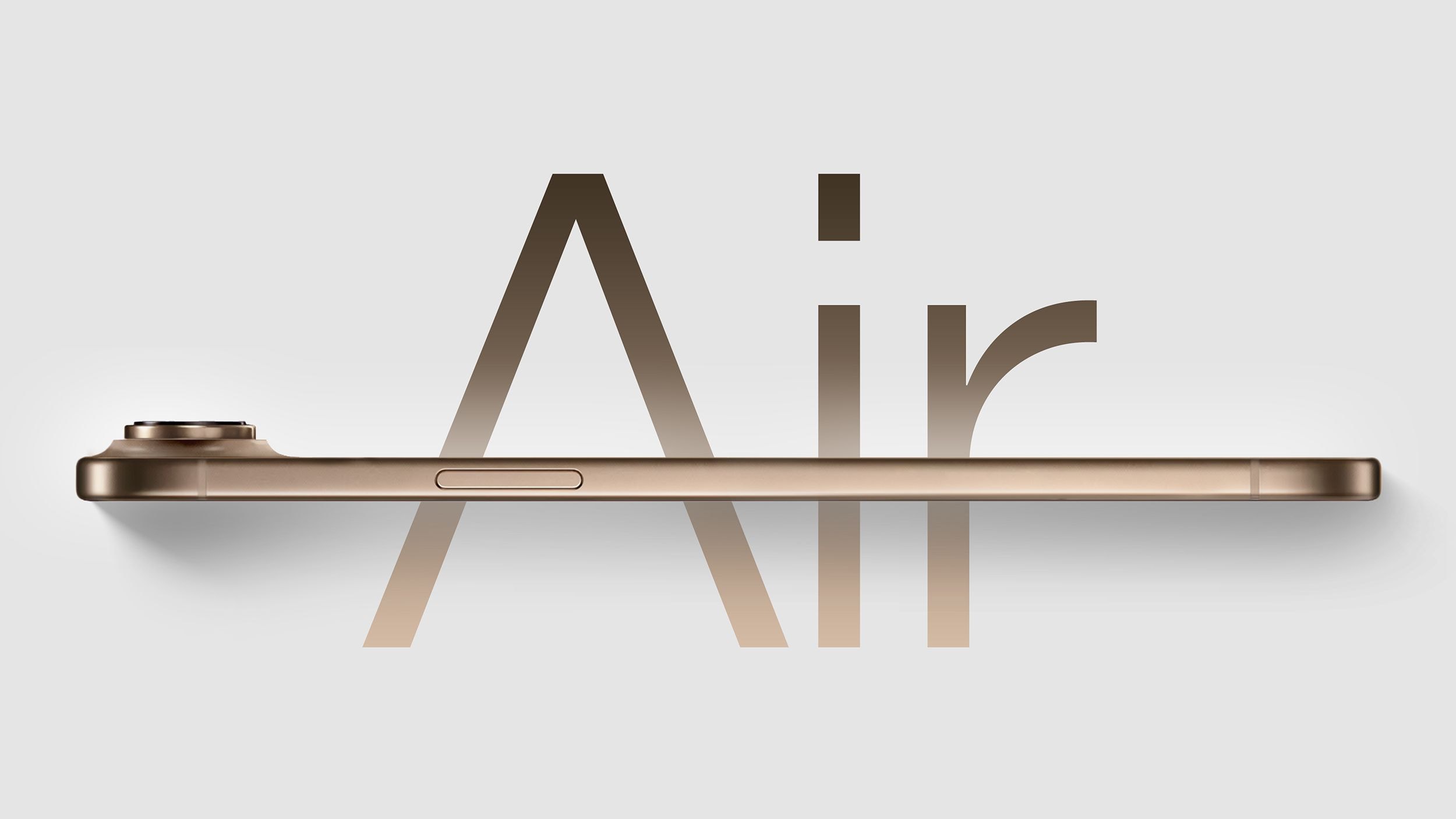
Apple has officially unveiled the iPhone Air, the most anticipated iPhone of the year and also the thinnest device in the company's history. With a 6.5-inch screen and a body thickness of only 5.6mm, the iPhone Air has broken the record for the thinnest device previously held by the iPhone 6 (6.9mm), affirming a new step forward in its philosophy of ultra-compact yet elegant design.
Despite its "supermodel" figure, the iPhone Air is by no means inferior in terms of power. It's equipped with the latest A19 Pro chip and 12GB of RAM, on par with the high-end iPhone 17 Pro.
Notably, the iPhone Air also marks a significant milestone in Apple's ambition to achieve technological independence in modem development. The device integrates the next-generation C1X modem, an evolution of the C1 modem previously found in the iPhone 16e and renowned for its power efficiency. According to Apple, the C1X is not only faster than the iPhone 16 Pro's modem but also makes the iPhone Air the most power-efficient iPhone ever.
The inclusion of the C1X in the iPhone Air also reflects Apple's long-term strategy to reduce its dependence on Qualcomm, as the current modem supply agreement only lasts until March 2027. If the C1 and C1X prove effective, Apple could well move towards using its own "in-house" modem across the entire iPhone lineup in the near future.
iPhone Air hardware and camera specifications
Despite its ultra-slim design, the iPhone Air still benefits from Apple's significant investment in hardware, especially its camera system. It boasts a 48-megapixel main camera combined with a 2x telephoto lens, delivering sharp and detailed photos in a variety of lighting conditions.
Apple claims the iPhone Air can capture stunning images even in low-light conditions, thanks to optimized hardware and new image processing algorithms.
One feature making its debut is "Dual Capture." As the name suggests, the iPhone Air allows users to record video simultaneously using both the front and rear cameras, opening up a new experience for vloggers, event attendees, or simply family moments where you want to capture both the main subject and the surrounding scenery. The front camera has also been upgraded with a new sensor, enabling landscape photography even in portrait mode, providing a wider and more realistic perspective.
In terms of processing power, the iPhone Air is equipped with the A19 Pro chip, which Apple confidently calls the fastest CPU on a smartphone today. The device's graphics processing unit (GPU) is also superior, three times more powerful than last year's A18 Pro, delivering a smooth graphics experience, from gaming to video editing. In addition, the entire design is optimized to increase battery capacity, helping the device maintain high performance throughout the day.
Apple has also integrated the N1 chip, which significantly improves Wi-Fi and Bluetooth connectivity performance, promising a more stable experience in multi-device environments.
Constructed with ultra-durable materials.
Apple appears to have prepared an answer to concerns surrounding the durability of the iPhone Air – a super-thin phone that might lead many to question its ability to withstand everyday use. At the launch event, the company emphasized that the record-breaking thin design does not mean sacrificing durability.
According to Apple, the iPhone Air is crafted from 80% recycled Grade 5 titanium alloy, ensuring both strength and weight reduction, while demonstrating the company's commitment to using sustainable materials. This is also a high-grade titanium commonly used in aerospace and medical applications, known for its corrosion resistance and impact resistance.
Not stopping at the chassis, Apple also upgraded the screen protection technology with Ceramic Shield 2, a new coating touted as more durable than the first generation, increasing scratch resistance and minimizing damage from impacts.
Notably, this time Ceramic Shield is not only present on the front but has also been extended to the rear glass, significantly enhancing the overall durability of the device. This can help the iPhone Air withstand common risks such as scratches and cracks from drops or impacts with hard objects.
With its combination of recycled Grade 5 titanium and a full-coverage Ceramic Shield 2 coating, Apple aims to assert that the iPhone Air is not only the thinnest iPhone, but also one of the most durable devices the company has ever produced – a move intended to reassure users concerned about the trade-off between ultra-thin design and durability.
The iPhone Air starts at $999 and comes in four color options: Space Black, Cloud White, Light Gold, and Sky Blue. Pre-orders will begin on September 12th, and the phone will officially go on sale on September 19th.