

Hung Chan commune rises from its history and traditions.
Along with its glorious historical tradition and long history of development, Hung Chan commune also possesses diverse natural conditions in terms of forests, land, and valuable medicinal plants, making it favorable for developing forestry, livestock farming, and unique agricultural products.
Natural conditions
Hung Chan is a mountainous commune in the northwestern part of Nghe An province, located 145 km from Vinh city, with a natural area of 351.87 km².2Hung Chan commune was established by merging three communes of the former Quy Chau district: Chau Phong, Chau Hoan, and Dien Lam. Currently, the commune has 17 villages. The commune's administrative boundaries are: bordered to the east by Chau Hong commune, to the south by Binh Chuan and Nga My communes, to the west by Muong Quang commune, and to the north by Chau Tien and Quy Chau communes.
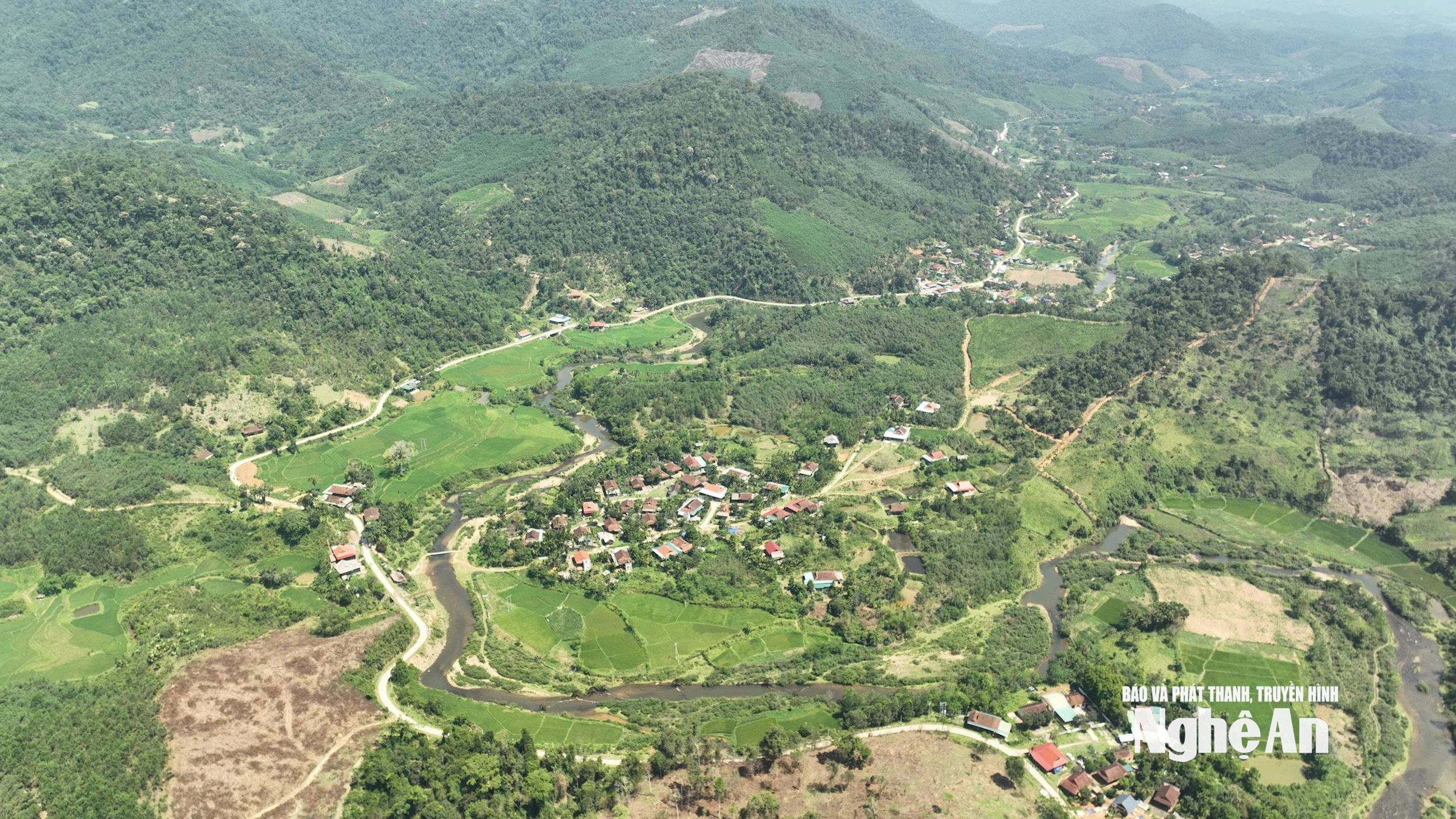
Hung Chan is a valley located in the ancient continental shelf, with volcanic activity resulting in a relatively complex topography, surrounded by many high mountains and a relatively steep slope. The terrain is undulating in a direction from northwest to southeast, with streams flowing into the Hieu River, converging in Quy Chau commune.
Hung Chan is located in the tropical region of the Northern Hemisphere, within the Southeast Asian monsoon zone, and the North Central sub-climate region. It is generally characterized by a humid tropical monsoon climate, with cold and foggy winters, and some areas with relatively cool year-round (the former Dien Lam area). Summers are relatively hot, with heavy rainfall and frequent flash floods, landslides, and mudslides in some locations. However, the diverse natural conditions provide Hung Chan with abundant resources of forests, land, and valuable medicinal plants, making it favorable for the development of forestry, livestock farming, and unique agricultural products such as the Quy Muscovy duck, black pig, and catfish.
History of formation and traditions
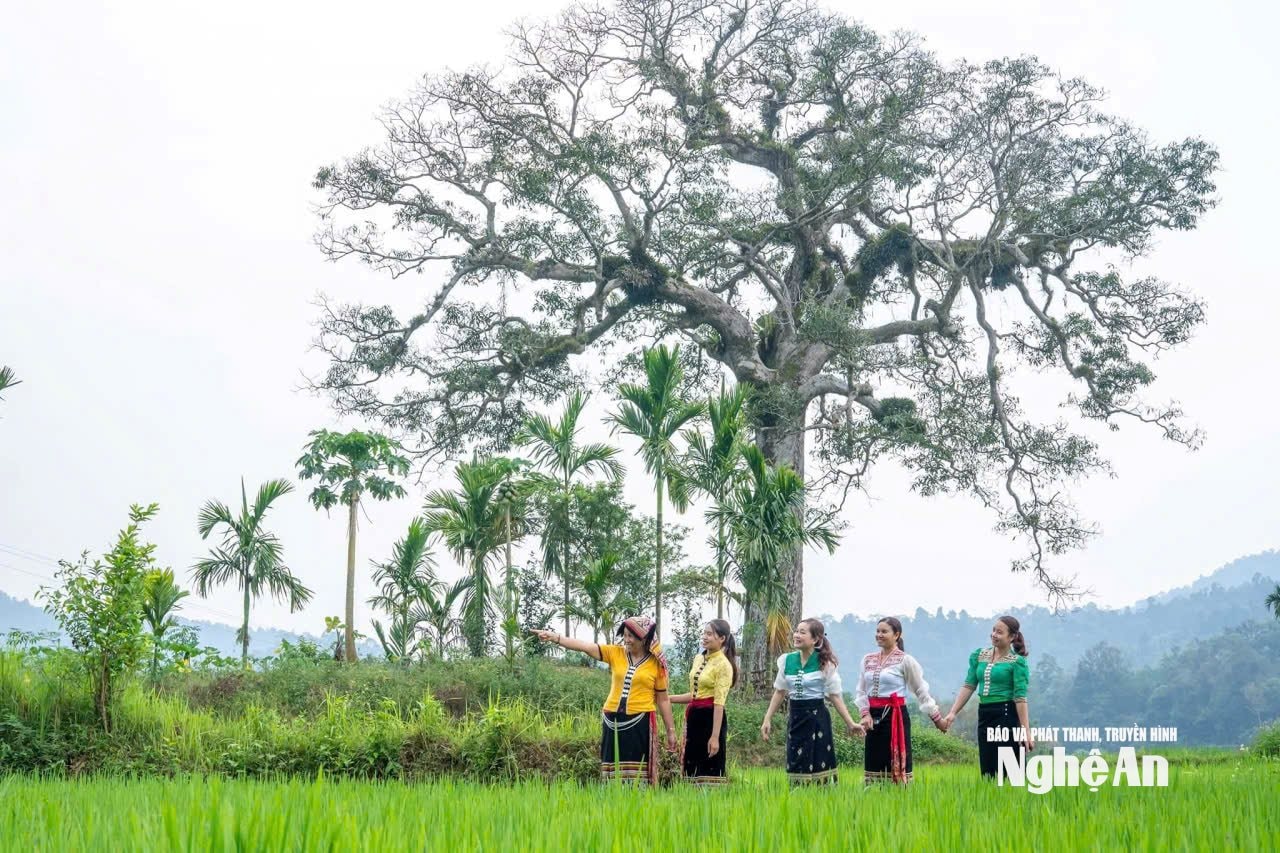
Hung Chan is a long-standing residential area of ethnic minorities, primarily the Thai people. The name Hung Chan commune dates back to after the August Revolution of 1945 and existed until 1961, after which it was divided into new communes. The old Hung Chan commune included the entire area of the present-day Chau Hong and Hung Chan communes. The name Hung Chan originates from the story of Tuong Chan, whose real name was Hun Luong Chan, from Tong village (now Ban village), a talented leader of the Thai ethnic group who played a major role in suppressing the Xa rebels and protecting the village. He was also an important figure, along with Doc Thiet, who actively participated in the Can Vuong movement against the French in the mountainous region of Thanh Hoa and Nghe An provinces.
To commemorate his contributions, the people named this area Hung Chan (hung: in Thai, means bright), meaning a land with bright conditions thanks to the efforts of Hun Luong Chan.
Throughout their history of exploration, settlement, and protection of their homeland, the people of Hung Chan commune have formed ancient Thai villages with a rich cultural identity, possessing many customs, traditions, and festivals associated with their spiritual life and agricultural production methods.
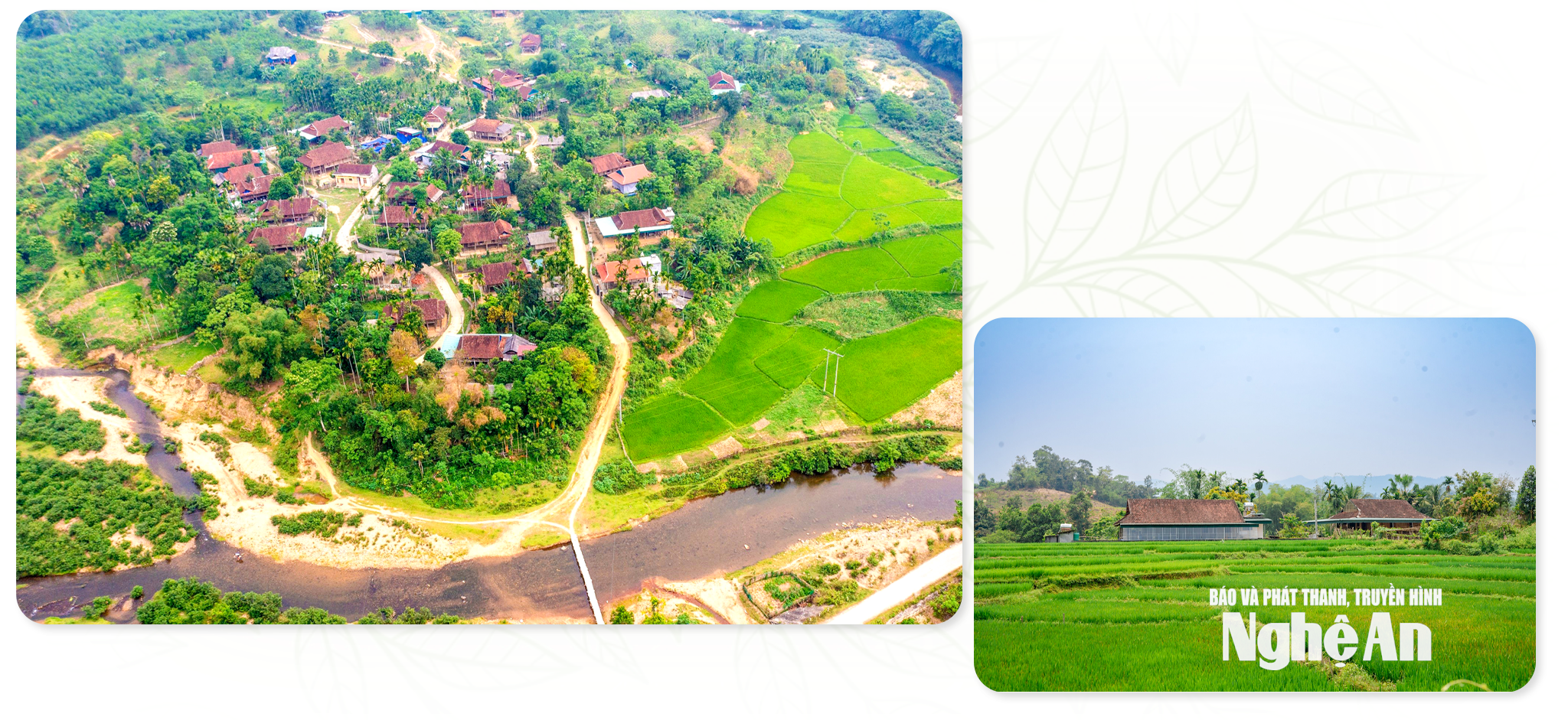
During the two wars of resistance against France and the United States, the people of Hung Chan commune, along with the people of Quy Chau district (formerly), contributed manpower and resources, simultaneously engaging in production and fighting to protect their homeland, contributing to the overall victory of the nation. In 1965, pilot Tran Hanh, after shooting down an American plane over Ham Rong, made an emergency landing in the fields of Tam village, where he was rescued by the villagers. A memorial commemorating his heroic deed has been erected there. In the period of reform, the Party Committee, government, and people of Hung Chan commune continue to uphold the tradition of unity, diligence, and overcoming difficulties, striving to build a more prosperous homeland.
Population, culture and society
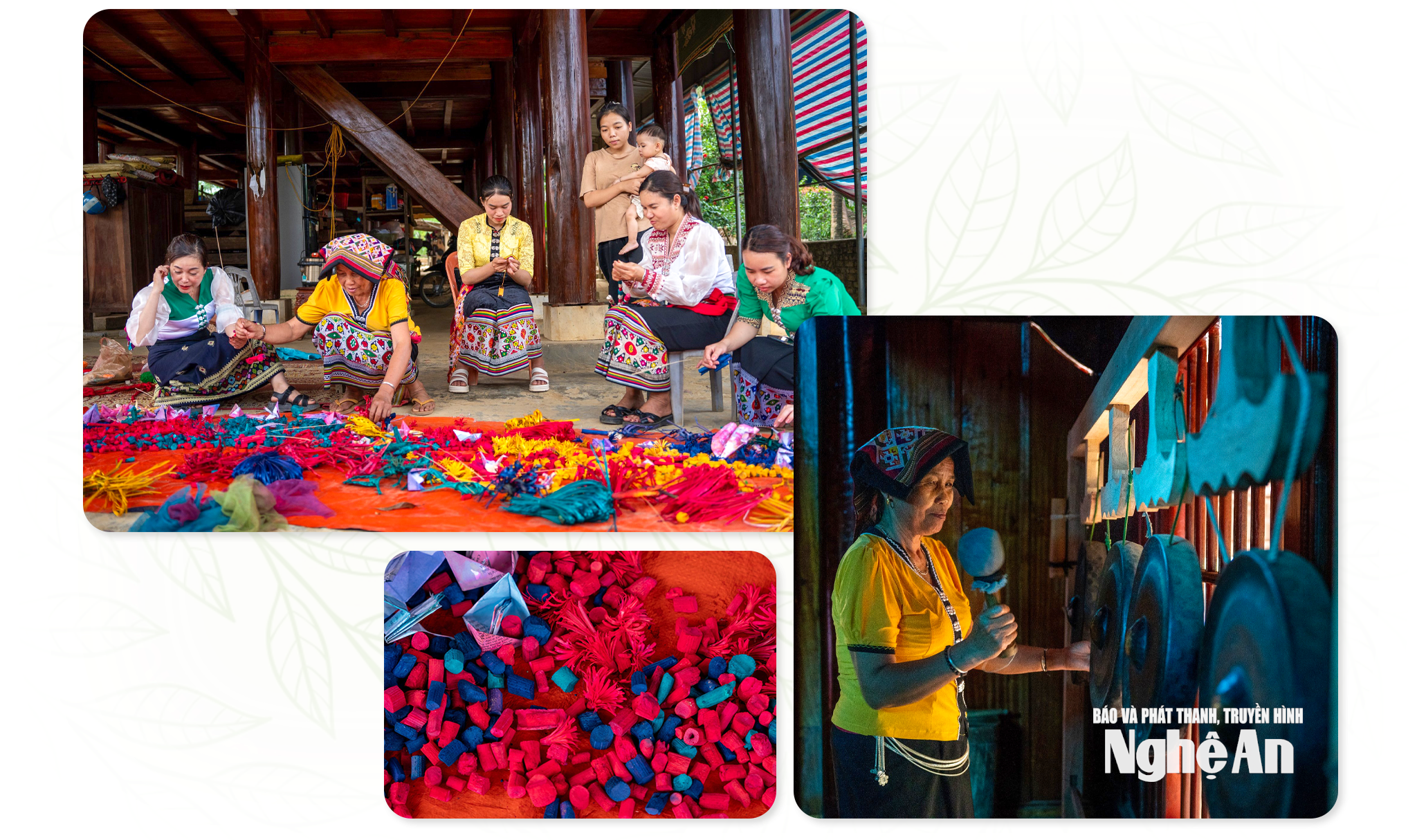
Hung Chan commune has a total population of 12,601 people, comprising 2,766 households distributed across 17 villages, with the Thai ethnic minority accounting for over 97%. The people mainly live by cultivating rice and corn, raising buffalo, cattle, pigs, and chickens, and are involved in forest protection and development. The cultural and spiritual life of the people in Hung Chan commune is rich, reflected in their customs, traditions, beliefs, traditional festivals, and folk songs and dances such as the Xoe dance, the Khen dance, the Khen Be flute playing, the Khac Luong dance, and the Xuoi, Nhuon, and Lam dances… These are unique values that contribute to the cultural identity of this region.
Over the years, Hung Chan commune has focused on developing education, healthcare, and socio-cultural fields. The commune has 8 schools (3 kindergartens, 3 primary schools, and 2 secondary schools), of which 6 meet national standards at level 1, and all 3 health stations meet national standards. Infrastructure for teaching and learning has received significant investment; school grounds are increasingly spacious, green, clean, safe, and friendly; and the quality of education and the teaching staff are continuously improving. Facilities and equipment at health stations have been upgraded and newly invested in, meeting national healthcare standards. Preventive healthcare, disease control, and targeted health programs have been implemented comprehensively and effectively. Primary healthcare for the people has also received attention.
Economic development and building new rural areas
The economy of Hung Chan commune is currently based primarily on agriculture, forestry, and livestock farming. During the past term, the agricultural sector achieved many comprehensive results, with crop cultivation and livestock farming remaining stable and playing a leading role. Simultaneously, effective management, protection, and development of forests have been implemented, with a total natural forest area of 16,825 hectares and planted forest area of 4,548.9 hectares. In addition, the people have combined the exploitation of non-timber forest products with the development of buffalo and cattle herds, Quy duck farming, black pig farming, and brocade weaving. To date, the commune has 1 cooperative, 5 farms, 12 family farms, and 6 livestock farming models that yield considerable economic benefits. Infrastructure development during the past term has seen breakthroughs, with many key projects and works invested in, creating a foundation for socio-economic development and ensuring national defense and security.
Taking advantage of the provincial government's attention to investment in socio-economic infrastructure development in the area, such as the Vai Chon Bridge and Chau Phong Ethnic Boarding Secondary School, Hung Chan commune is also gradually implementing national target programs, focusing on developing transportation infrastructure, improving cultural life, achieving sustainable poverty reduction, improving the environment, and building a strong political system.
National defense and security
The entire commune has focused on effectively implementing measures to build a strong and comprehensive security base, and to provide training in national defense and security knowledge to all relevant groups. It has successfully organized combat drills in the defense zone and forest fire prevention and control. It has also done well in recruitment and troop deployment, building and mobilizing reserve forces for training, drills, readiness checks, and military support policies. 100% of residential areas in the commune, as well as agencies, units, and schools, have met security and order safety standards; the communes prior to the merger have achieved comprehensive strength in national defense and security.
Development orientation
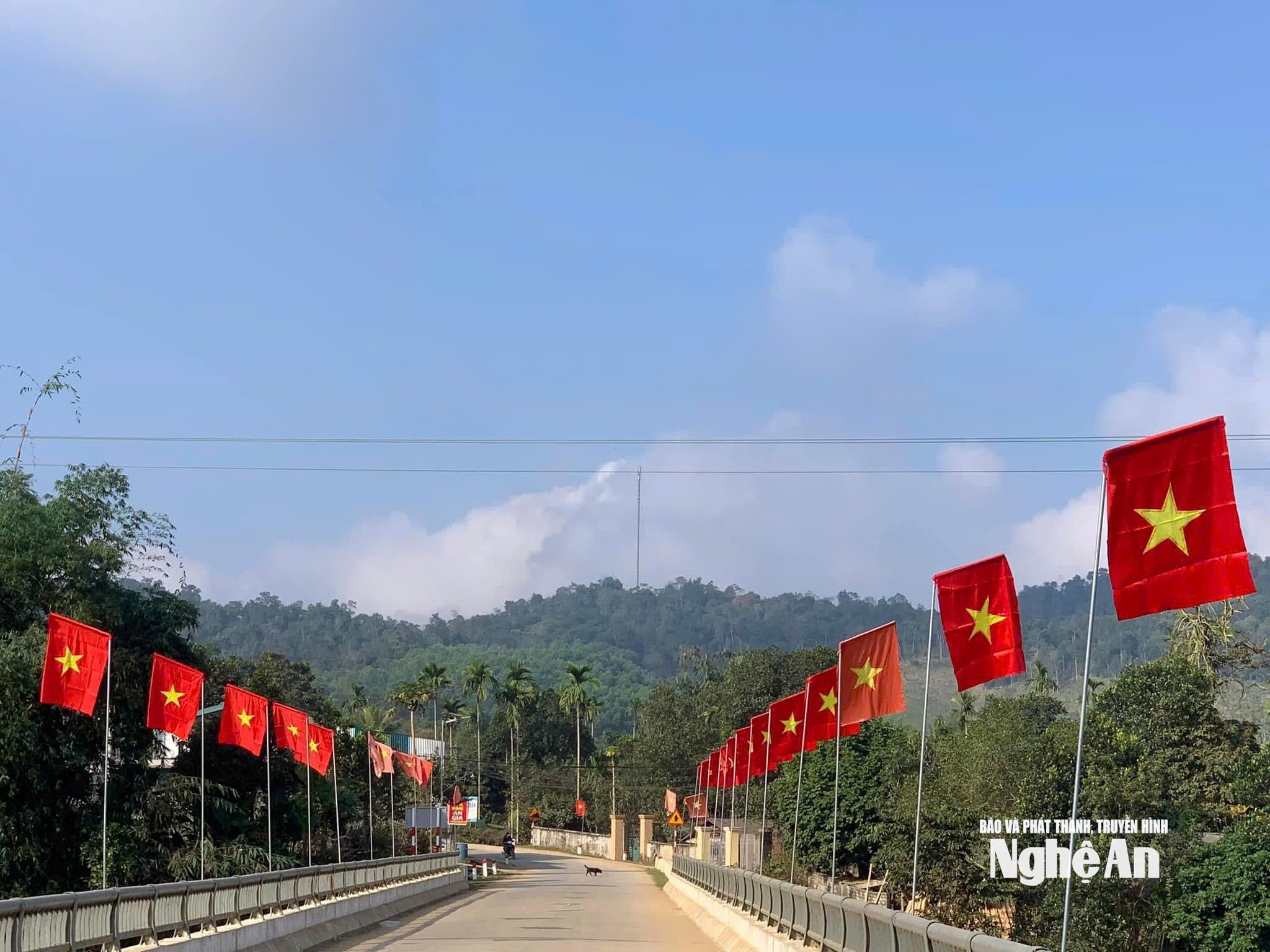
The entire nation is entering a new era, an era of national progress, rapid and sustainable development based on science and technology, innovation, creativity, and digital transformation. Implementing a two-tiered local government model, the political system's structure is becoming increasingly streamlined, efficient, and effective. For the 2025-2030 term, the Hung Chan Commune Party Committee will continue to build upon the achievements of previous terms, leveraging its combined strength and creating a new momentum to resolutely achieve the set goals and targets.
However, the commune also faces challenges such as: a low economic starting point; limited potential and internal resources; weak infrastructure; limited budget revenue; difficult living conditions for the majority of the population; a high poverty rate; and weak capabilities of some officials. The commune is a key area for security and defense, and the complex weather patterns and disease outbreaks will significantly impact leadership, guidance, and the implementation of tasks within the commune.
Development perspective: Hung Chan commune identifies sustainable development, effectively exploiting its potential and advantages, focusing on investing in synchronous infrastructure, especially transportation and new rural construction. It promotes digital transformation, administrative reform, and improves the material and spiritual lives of the people; maintains political security and social order; and builds a clean and strong Party and political system.
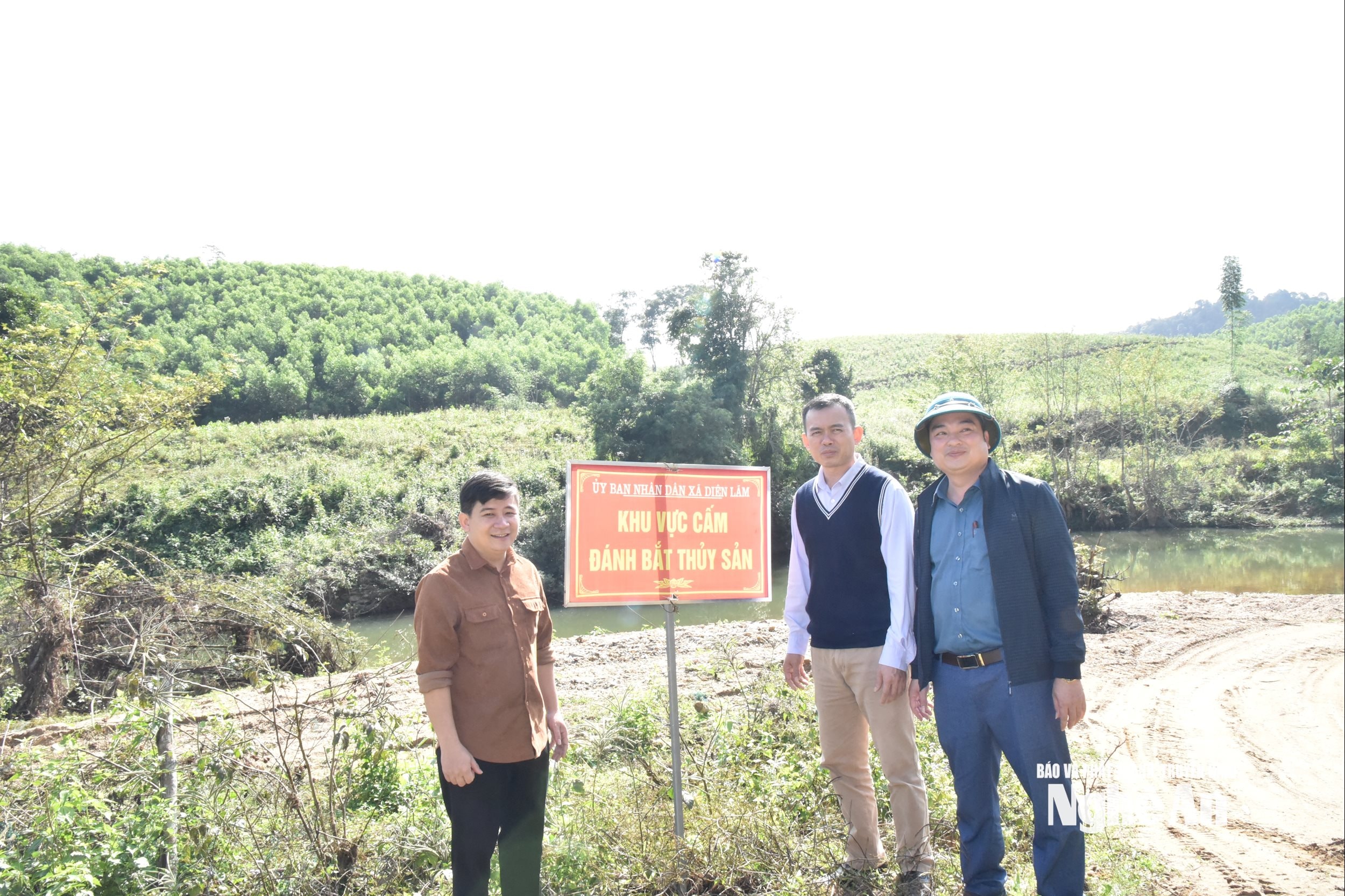
Key tasks: Building a strong and comprehensive Party and political system; Planning and developing infrastructure, especially transportation and new rural areas; Exploiting the economic potential of forests, developing commercial agriculture, ecotourism, and community tourism; Promoting digital transformation, administrative reform, and building a digital government; Preserving and promoting traditional cultural values, building a "bright, green, clean, and beautiful" living environment; Maintaining national defense and security, and ensuring social safety.
Three key breakthroughs: Mobilizing resources for synchronized investment in transportation infrastructure; preserving and promoting national culture in conjunction with community-based tourism development; and accelerating digital transformation, creating breakthroughs in administrative reform, and improving the quality of human resources.
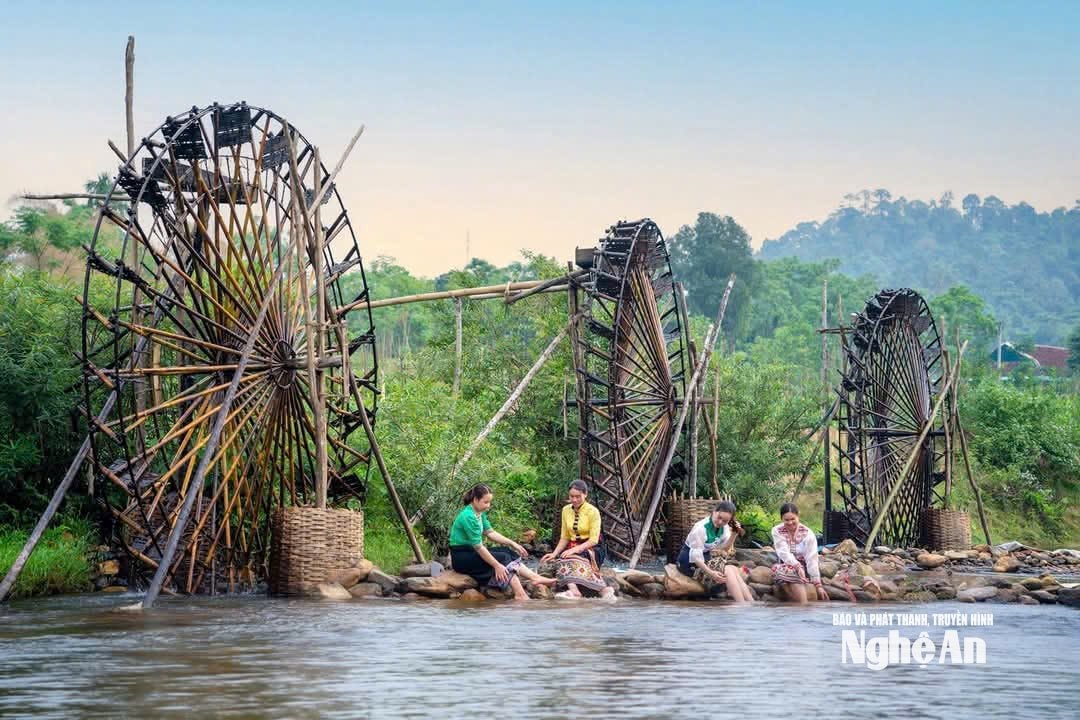
Building upon the tradition of unity in Hung Chan commune; upholding the spirit of self-reliance and creativity; and effectively mobilizing the combined strength of the entire society, the Party Committee and people of the commune are determined to successfully achieve the set goals and tasks, contributing to the sustainable development of Hung Chan and building a more prosperous, beautiful, and civilized homeland in the era of national progress.