

The F-47 budget significantly outweighs the F/A-XX in the 2026 National Defense Authorisation Agreement (NDAA).
The US National Defense Authorization Act for fiscal year 2026 allocates approximately $2.6 billion to the Air Force's F-47 program, but only $74 million for the sixth-generation F/A-XX carrier-based fighter, less than 1% of the total $38 billion for aircraft development and procurement, while also extending the lifespan of the F/A-18E/F Super Hornet by 4,000 flight hours.
A compromise version of the U.S. National Defense Authorization Act (NDAA) for fiscal year 2026 reveals a significant disparity in budget allocations between the Air Force's F-47 sixth-generation fighter jet program and the Navy's F/A-XX program. According to Defense One, Congress fully funded the F-47 with approximately $2.6 billion, while only approving $74 million for the F/A-XX.
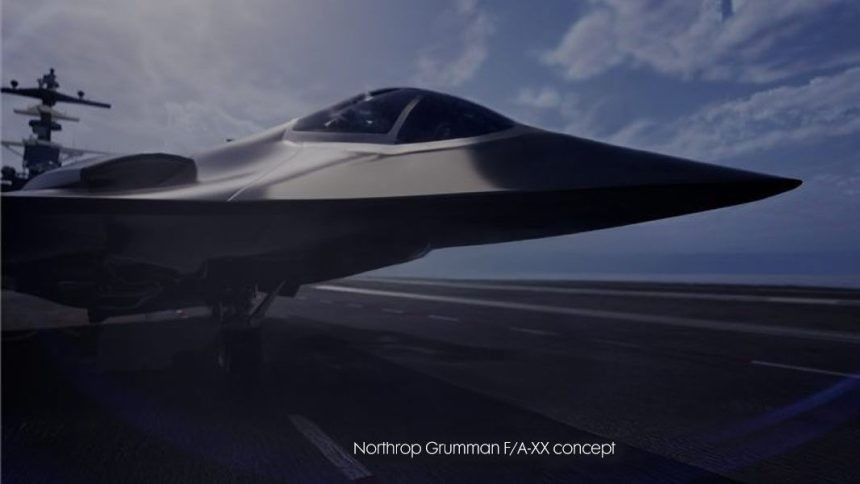
Budget allocation: F-47 holds a clear advantage.
According to information published by Defense One, the 2026 NDAA compromise allocates approximately $2.6 billion to the US Air Force's F-47 program. This is a sixth-generation fighter jet program, which was initially prioritized for full funding.
In contrast, the U.S. Navy's F/A-XX sixth-generation fighter jet program received only $74 million for fiscal year 2026. This is significantly lower than the pressure from some lawmakers, who are adamant about launching full-scale development of a replacement for the F/A-18 Super Hornet this year.
According to a summary of the bill drafted by the House majority, the F/A-XX program will account for less than 1% of the $38 billion that the NDAA authorizes for the development, procurement, and modernization of military aircraft. Defense One assesses this balance as reflecting a "victory" for the White House and the Pentagon over Congress's demands to expedite the F/A-XX program.
It's important to note that the NDAA is an authorization act, setting ceilings and guidelines for spending, while the detailed budget allocation bill for 2026 has yet to be released. Subsequent budget adjustments may provide additional funding, and the F/A-XX program remains eligible for additional funding through approved budget items.
F/A-XX faces budget cuts after the preparation phase.
Defense One dẫn một số báo cáo cho biết, vào tháng 3, Hải quân Mỹ đã gần như lựa chọn được nhà thầu giữa Boeing và Northrop Grumman để sản xuất loại máy bay chiến đấu đầy triển vọng F/A-XX. Tuy nhiên, cho đến nay không có quyết định chính thức nào được công bố.
Trong bối cảnh đó, yêu cầu ngân sách cho năm tài chính 2026 dành cho F/A-XX chỉ giới hạn ở mức 74 triệu đô la, thấp hơn đáng kể so với 454 triệu đô la mà chương trình nhận được năm ngoái. Đây là sự thay đổi lớn về quy mô tài trợ trong giai đoạn được cho là chuyển từ nghiên cứu sang các bước phát triển sâu hơn.
| Giai đoạn ngân sách | Kinh phí cho F/A-XX |
|---|---|
| Năm tài chính trước | 454 triệu đô la |
| Năm tài chính 2026 | 74 triệu đô la |
Mức cắt giảm này khiến tỷ trọng F/A-XX trong tổng ngân sách 38 tỷ đô la cho phát triển, mua sắm và hiện đại hóa máy bay quân sự của Mỹ càng trở nên khiêm tốn. Về mặt chương trình, điều đó có nghĩa là tiến độ F/A-XX trong năm 2026 sẽ phụ thuộc nhiều vào khả năng bổ sung kinh phí thông qua các đạo luật phân bổ ngân sách hoặc điều chuyển từ các khoản mục đã được phê duyệt.
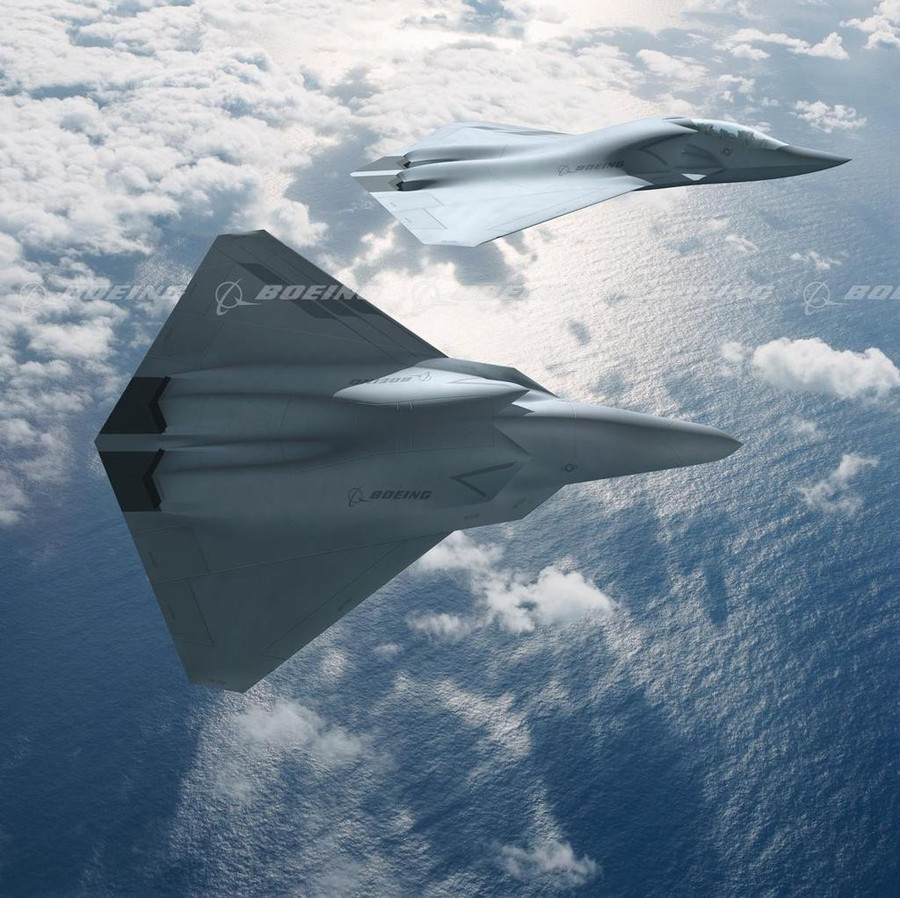
Extending the lifespan of the F/A-18E/F Super Hornet
In addition to the decision regarding the F/A-XX, the U.S. Navy recently signed a contract with Boeing to extend the lifespan of its F/A-18E/F Super Hornet fleet on aircraft carriers. The total contract value is $930.77 million, covering 60 Super Hornet aircraft.
The centerpiece of the contract is the implementation of the Service Life Modification (SLM) program. Each carrier-based fighter jet undergoing the upgrade will receive an additional 4,000 flight hours. This will significantly extend the service life of the F/A-18E/F in carrier-based combat operations.
Simultaneously, the SLM program also incorporates Block III configuration updates for the Super Hornet. Combining extended airframe lifespan with configuration upgrades demonstrates the Navy's focus on maintaining current combat capabilities while the F/A-XX program has not received adequate funding for further development.
Implications for the 6th generation carrier-based fighter plan.
From a weapons program perspective, the disparity between $2.6 billion for the F-47 and $74 million for the F/A-XX demonstrates a clear budgetary priority for the Air Force's sixth-generation fighter program compared to the Navy's in fiscal year 2026.
For F/A-XX, its share of less than 1% of the total $38 billion allocated for military aircraft development, procurement, and modernization, coupled with a sharp reduction from the previous year's $454 million, puts the program in a position where cautious preparation is necessary, awaiting further budget adjustments.
The signing of a nearly $1 billion contract with Boeing to extend the lifespan of 60 F/A-18E/F Super Hornet aircraft by an additional 4,000 flight hours and upgrade them to Block III configuration demonstrates the Navy's focus on maintaining and upgrading its existing carrier-based fighter force. Operationally, this allows the carrier fleet to continue relying on the Super Hornet as its backbone, while the F/A-XX program enters a development phase with limited funding.
In this context, the current budget move can be seen as a solution to maintain carrier-based combat capabilities by extending the lifespan and upgrading the F/A-18E/F, while simultaneously prioritizing greater resources for the Air Force's F-47 program in the short term. The development of the F/A-XX in the coming years will depend heavily on how the U.S. Congress and the Pentagon adjust budget allocations in subsequent NDAA cycles and spending laws.