More than half a century ago, as part of the movement to build new economic zones, the people of Nam Cat (formerly Nam Dan) left their homeland, traveling upstream along the Con River to reclaim land and establish villages in the barren western region of Nghe An province. Retaining the memories of their homeland in the name Tan Cat, they began their journey to build a new region – where the unity of the people and the role of local officials became the foundation for all change.
Footprints of pioneers who settled the land.
One day at the beginning of the year, we had the opportunity to visit Tan Cat, Thanh Binh Tho commune - a rural village in Nam Dan district located downstream of the Con River. Few people know that more than half a century ago, this area was once a desolate wasteland overgrown with reeds. However, through hard work, effort, and determination, it has become a prosperous village.
Going back in time to the early 1960s, in response to the movement to build new economic zones, many households in Nam Cat commune, Nam Dan district (now Kim Lien commune, Nghe An province) decided to leave their homeland along the Lam River and move upstream along the Con River to find new land in what was then Binh Son commune, Anh Son district.
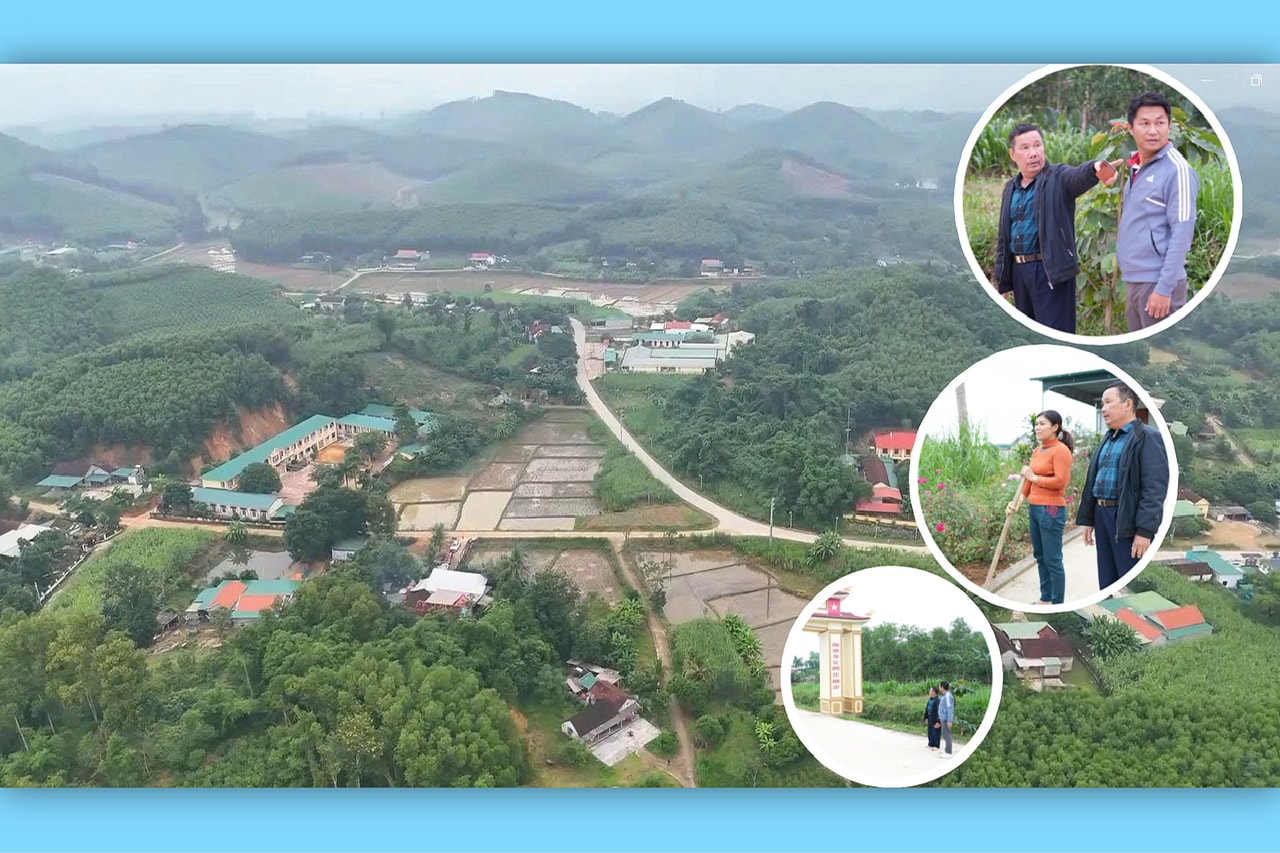
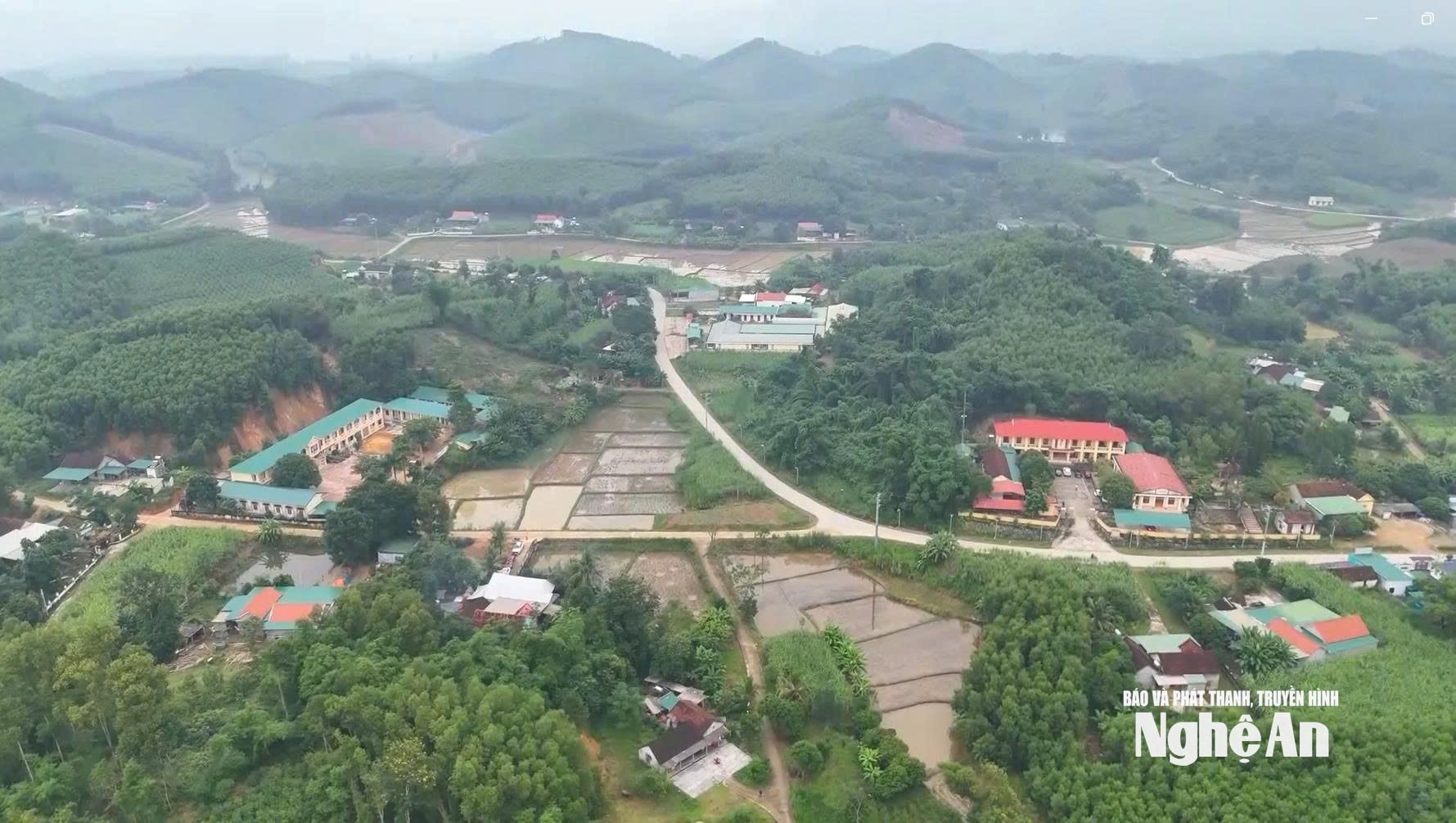
A view of Thanh Binh Tho commune from above. Photo: Archival material.
That migration was not just a geographical shift, but a major life decision. Leaving behind their birthplace and familiar fields, the people of Nam Cat of yesteryear carried with them only a few rudimentary farming tools, some basic necessities, and the belief in a better future for their children and grandchildren.
Upon arriving in the new land by the Con River, they began building houses, clearing land, and establishing villages. And as if to maintain a connection to their old homeland, the pioneers chose to name their village Tan Cat, both to remember their origins in Nam Cat and to express their aspirations for a new land and a new life.
Đến vùng đất mới, những người dân từ Nam Cát, huyện Nam Đàn cũ đã lấy tên Tân Cát đặt cho làng mới, vừa nhắc nhớ về cội nguồn, vừa gửi gắm khát vọng về một vùng đất mới. Ảnh: Tiến Đông
Những ngày đầu gian khó chồng chất. Đất đai hoang hóa, giao thông cách trở, thiên tai, lũ lụt thường xuyên đe dọa. Nhưng chính trong gian nan, tinh thần tương thân, tương ái của người dân xứ Nghệ càng được hun đúc. Cả làng cùng nhau khai hoang ruộng đất, dựng nhà, san sẻ từng ngày công lao động để bám trụ và gây dựng cuộc sống.
Qua năm tháng, Tân Cát dần hình thành vóc dáng của một làng quê. Từ những mái nhà tạm bợ ban đầu, từ những con đường đất lầy lội, làng quê từng bước ổn định. Dòng sông Con không chỉ mang phù sa bồi đắp ruộng đồng, mà còn nuôi dưỡng đời sống tinh thần, gắn kết cộng đồng cư dân mới.
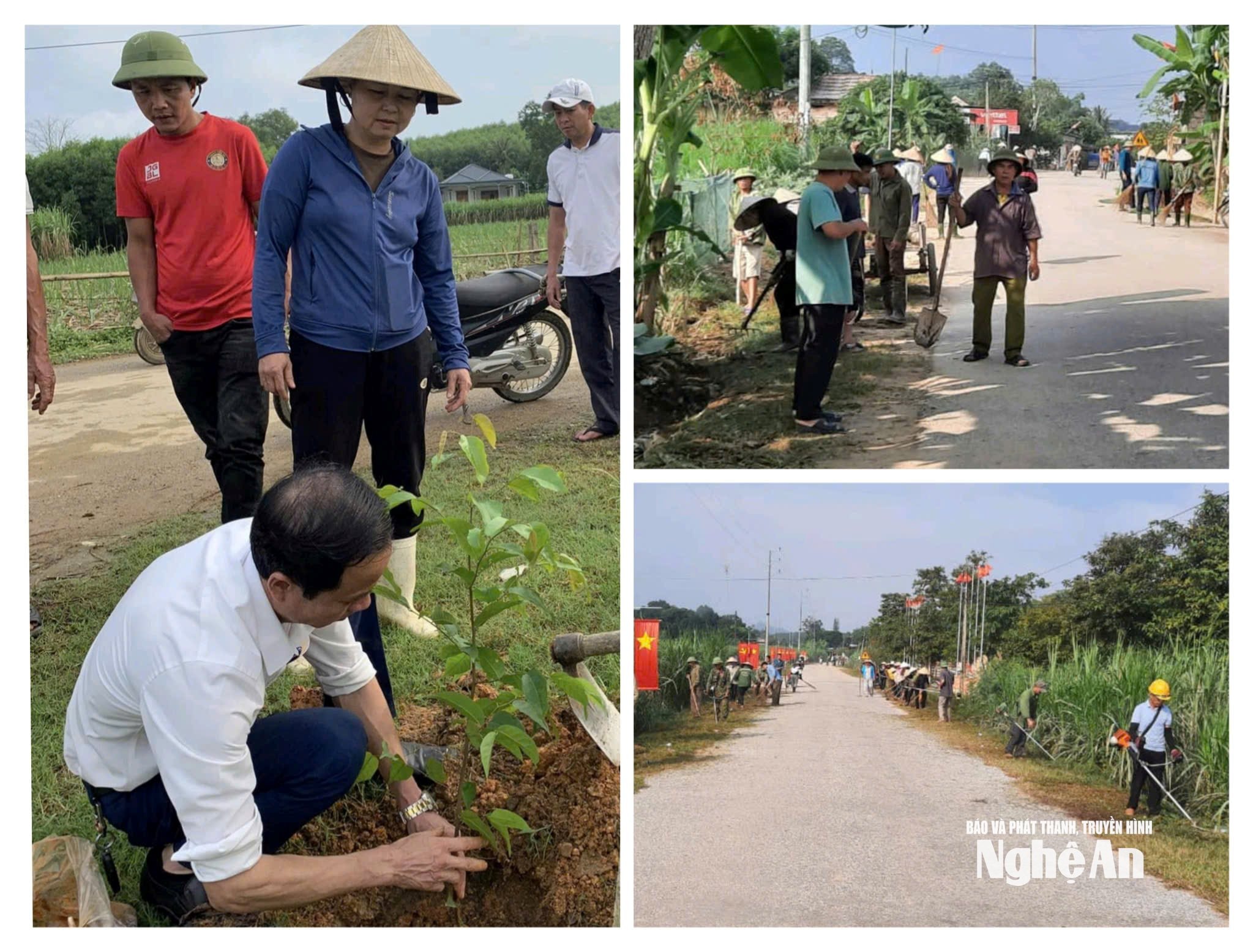
Người dân trồng cây, làm hàng rào xanh dọc các trục đường. Ảnh: CSCC
Người “đứng mũi chịu sào” hơn 2 thập kỷ
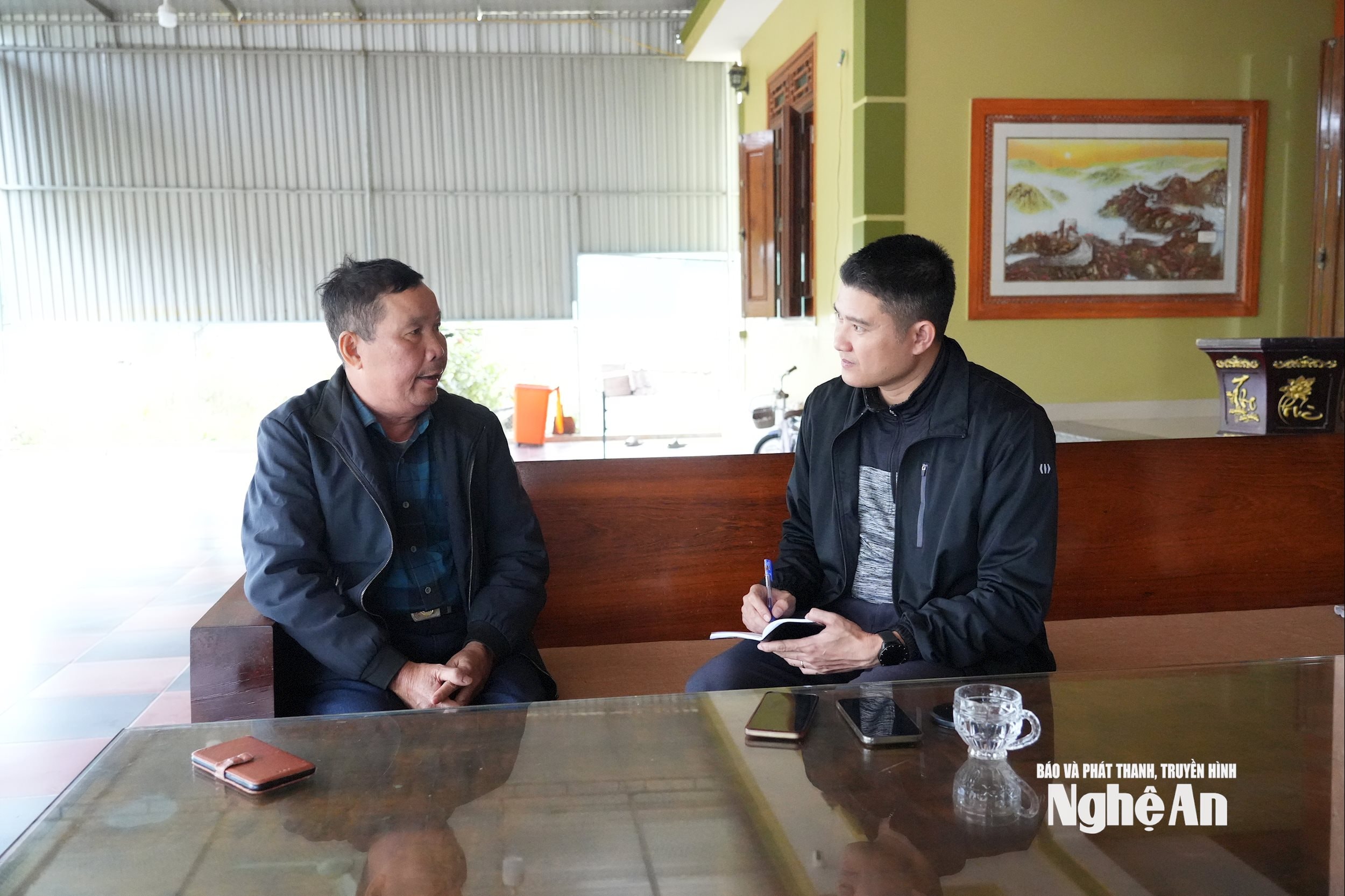
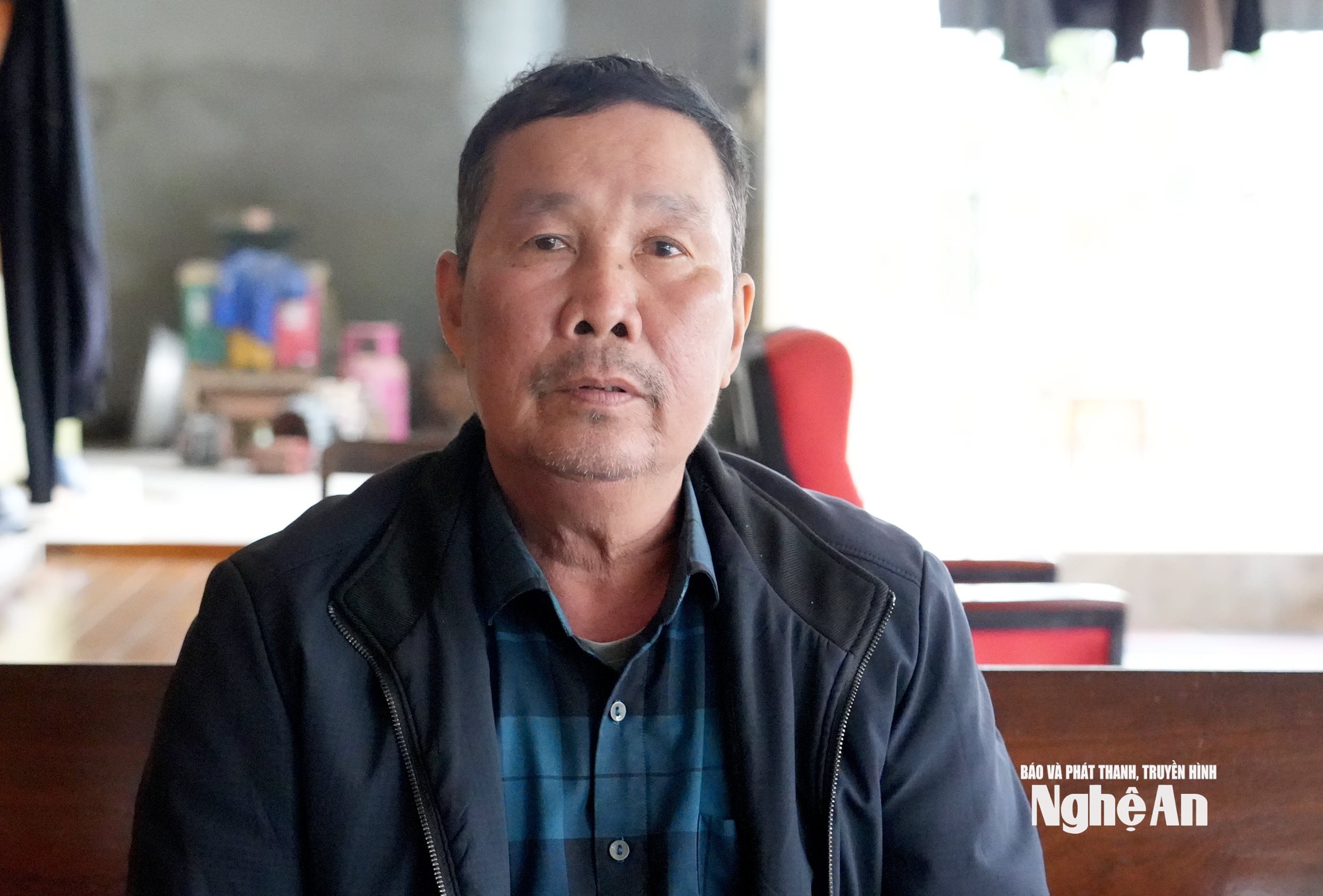
Nhắc đến Tân Cát hôm nay, người dân trong thôn đều nhắc đến ông Phan Văn Hồng - Bí thư Chi bộ thôn, người đã gắn bó với công tác Đảng, công tác dân vận ở cơ sở suốt hơn 20 năm qua.
Sinh năm 1954, gốc tại xã Nam Cát (cũ), ông Phan Văn Hồng theo gia đình lên vùng đất này từ khi còn nhỏ. Năm 1972, ông nhập ngũ, đến năm 1976 phục viên trở về địa phương, tiếp tục tham gia công tác cơ sở cho đến khi nghỉ hưu. Từ năm 2019 đến nay, ông được tín nhiệm bầu giữ chức Bí thư Chi bộ thôn Tân Cát.
Ông Phan Văn Hồng - Bí thư Chi bộ thôn Tân Cát trò chuyện với phóng viên. Ảnh: Tiến Đông
Thực hiện chủ trương sáp nhập của cấp trên, thôn Tân Cát được sáp nhập từ 3 thôn với tổng số 172 hộ, 735 nhân khẩu. Các xã Thành Sơn, Bình Sơn, Thọ Sơn của huyện Anh Sơn (cũ) cũng được sáp nhập, hình thành xã mới mang tên Thành Bình Thọ.
Theo ông Hồng, sáp nhập thôn là chủ trương lớn, nhưng khi đi vào thực tế không tránh khỏi khó khăn, vướng mắc. Sau sáp nhập, cơ sở vật chất của thôn không đáp ứng được nhu cầu sinh hoạt cộng đồng: Nhà văn hóa chật hẹp, thiếu bàn ghế, chưa có sân chơi, bãi tập cho người dân.
Faced with this situation, Mr. Hong, along with the Party committee and village officials, organized a campaign to mobilize the people and appealed to those who had left their hometown to contribute funds and labor to renovate the cultural center, purchase equipment, and beautify the village grounds.
From mobilizing family members and relatives to directly meeting with each household to listen to their thoughts and aspirations, Mr. Hong was persistent, flexible, but decisive. Many evenings after work, he would go to each house, analyzing the long-term benefits of building the cultural center, creating consensus among the people.
A list of individuals and families who supported the construction of facilities and infrastructure for Tan Cat village is framed and proudly displayed in the village's cultural center. Photo: Tien Dong
Not only did he mobilize the people, but he also leveraged the roles of clans, self-governing groups, and various associations to spread the spirit of working together to build the homeland. He proactively met with successful people who had left their hometowns to work elsewhere, encouraging them to contribute their labor and resources to the village.
"Some contributed money, some contributed materials, and others contributed labor. From initial hesitation, the villagers gradually reached a consensus and actively participated," Mr. Hong shared.
Thanks to persistent efforts in propaganda and mobilization, Tan Cat village has mobilized significant resources from the people to build and upgrade its infrastructure. The cultural center's grounds have been renovated to be spacious and well-equipped, with modern facilities for community activities; the volleyball court has been rebuilt, creating a space for physical exercise and sports for all segments of the population.
"
Building new rural areas is a long-term initiative. During the mobilization process, some people contributed money, others contributed materials, and still others contributed labor. Initially, some people had reservations, but thanks to the unity of the village committee and the implementation in an open and transparent manner, the villagers gradually agreed and actively participated...
Mr. Phan Van Hong - Secretary of the Party Branch of Tan Cat Village
Lighting systems have been installed in 7 residential clusters; flagpoles along the main roads have reached nearly 95%; and hard fences and green fences have reached approximately 80%. Notably, 6.1 km of concrete roads within the villages have been completed, bringing the rate of concrete paving of internal village and field roads to 100%.
The total resources mobilized for rural development in Tan Cat village amounted to nearly 4 billion VND - a considerable sum for a purely agricultural village in the mountainous region.
Harnessing the people's strength to build a new homeland.
Alongside infrastructure development, environmental sanitation, maintaining a green, clean, and beautiful landscape, and ensuring security, order, and social welfare in Tan Cat village are always given priority. Emulation movements and charitable and humanitarian activities are regularly maintained, fostering cohesion within the community.
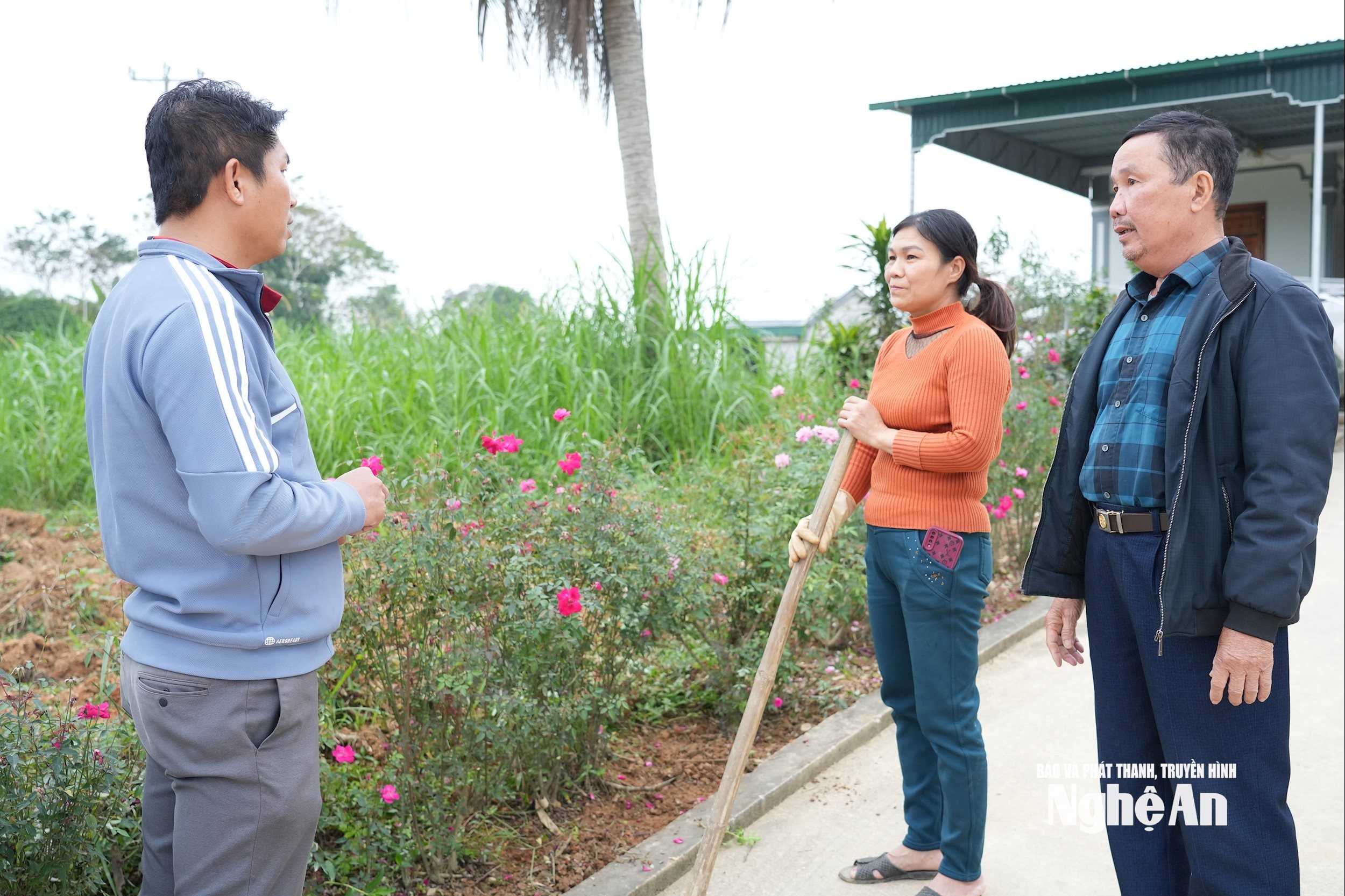
Thanks to the successful model of mass mobilization in Tan Cat village, the quality of activities of the Front Committee, branches, and organizations in the village has improved significantly. People are increasingly actively participating in movements and campaigns, contributing to building national unity.
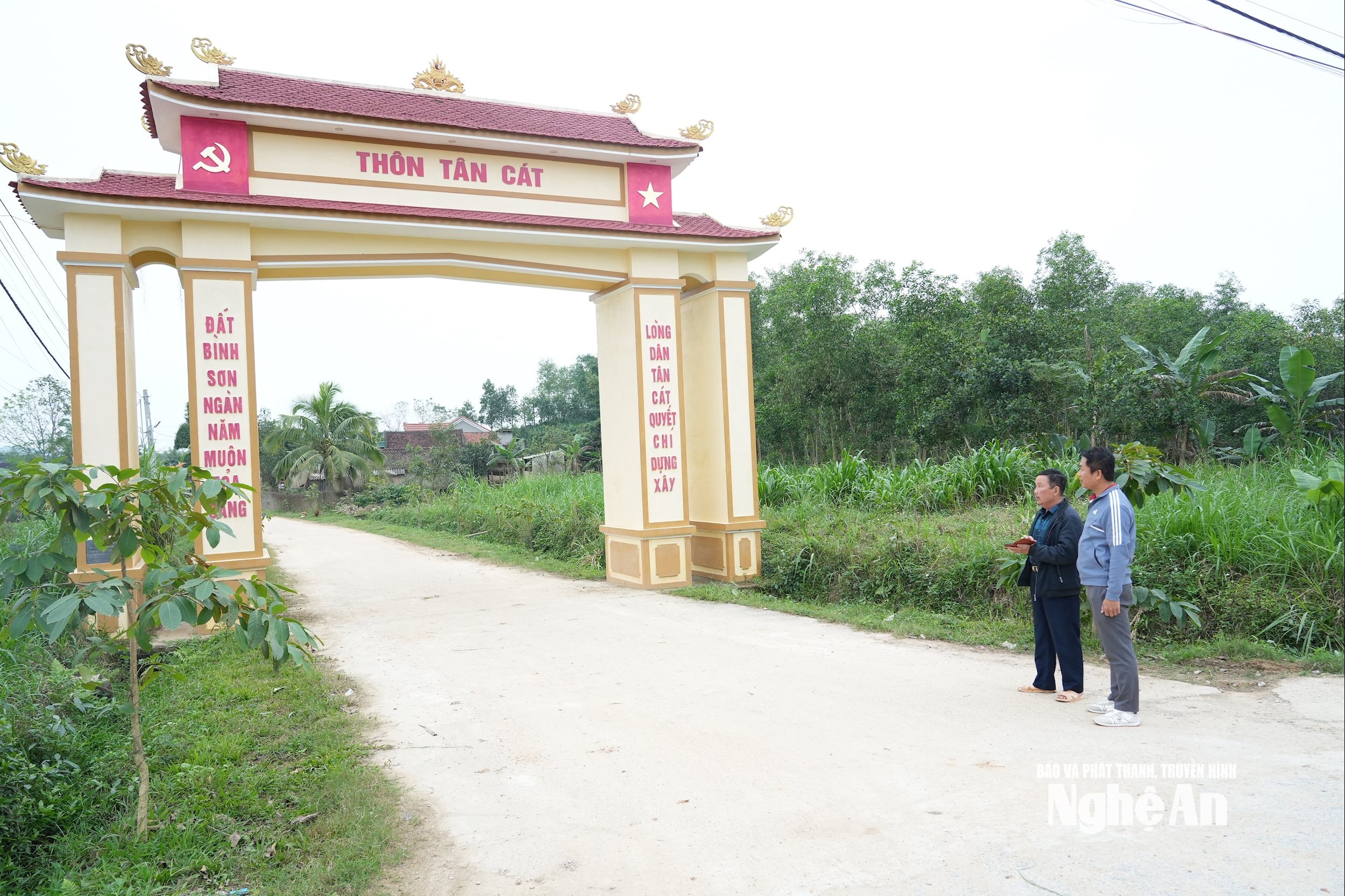
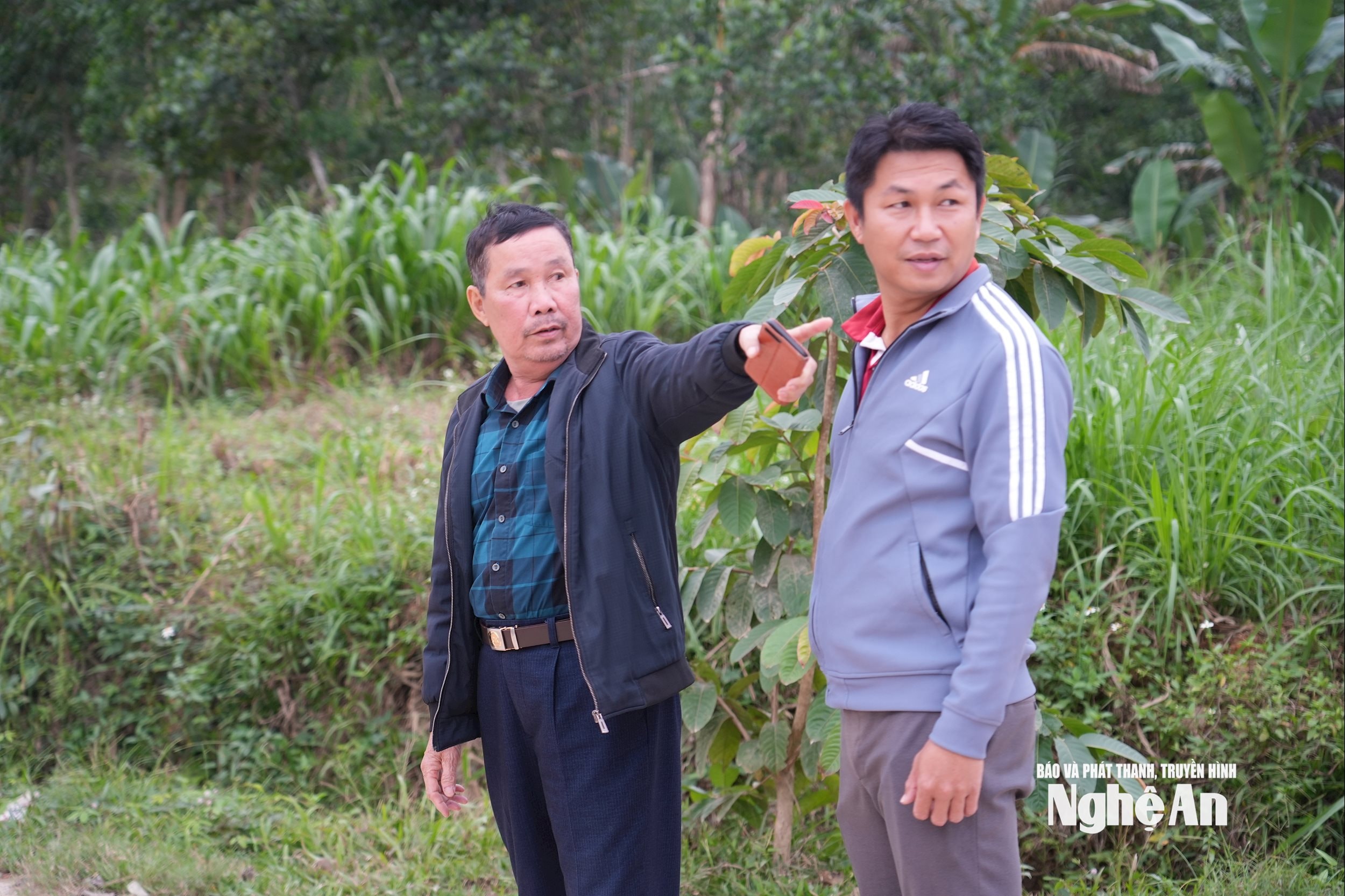
Mr. Phan Van Hong (on the left) has become a role model in the "Effective Mass Mobilization" movement in Thanh Binh Tho commune. Photo: Tien Dong
The appearance of rural areas has changed, and the material and spiritual lives of the people have been gradually improved. More importantly, the people's trust in the leadership of the Party branch and in the grassroots cadres has been increasingly strengthened.
For many years, the Tan Cat village Party branch has been recognized for outstanding performance, including being recognized as "Outstanding and Exemplary" in 2024; Tan Cat village received a Certificate of Commendation from the Provincial People's Committee for its participation in the new rural development movement; and Mr. Phan Van Hong has been praised and rewarded at many levels, becoming a model in the "Skilled Mass Mobilization" movement.
Commenting on the role of the Party Branch Secretary of Tan Cat village, Ms. Nguyen Thi Thuy An - Secretary of the Party Committee of Thanh Binh Tho commune - said that to build a united and harmonious collective, the leader must first be exemplary, dedicated, closely involved with the grassroots, have a firm grasp of the situation, and do a good job of mobilizing the masses. The results achieved in Tan Cat village in recent times are clear evidence of the effectiveness of the "Skilled Mass Mobilization" movement associated with the exemplary role of the Party branch leader.
The movement to build a new homeland has been strongly supported by the people of Tan Cat. Photo: Tien Dong
More than half a century has passed since the people of Nam Cat (formerly) first set foot on this new land by the Con River. Today, Tan Cat village has transformed into a prosperous and peaceful rural community. Clean concrete roads, sturdy houses, and vibrant community activities – all are the fruits of a long journey filled with hardship but also with deep affection.
Amidst the ever-changing pace of life, Tan Cat village still retains the essence of a traditional Nghe An countryside: hardworking, diligent, united, and loyal to its roots. The Con River still flows silently, a witness to the many generations who have passed through, stayed, and built upon it.