More than half a century ago, as part of the movement to build new economic zones, the people of Nam Cat (formerly Nam Dan) left their homeland, traveling upstream along the Con River to reclaim land and establish villages in the barren western region of Nghe An province. Retaining the memories of their homeland in the name Tan Cat, they began their journey to build a new region – where the unity of the people and the role of local officials became the foundation for all change.
Footprints of pioneers who settled the land.
One day at the beginning of the year, we had the opportunity to visit Tan Cat, Thanh Binh Tho commune - a rural village in Nam Dan district located downstream of the Con River. Few people know that more than half a century ago, this area was once a desolate wasteland overgrown with reeds. However, through hard work, effort, and determination, it has become a prosperous village.
Going back in time to the early 1960s, in response to the movement to build new economic zones, many households in Nam Cat commune, Nam Dan district (now Kim Lien commune, Nghe An province) decided to leave their homeland along the Lam River and move upstream along the Con River to find new land in what was then Binh Son commune, Anh Son district.
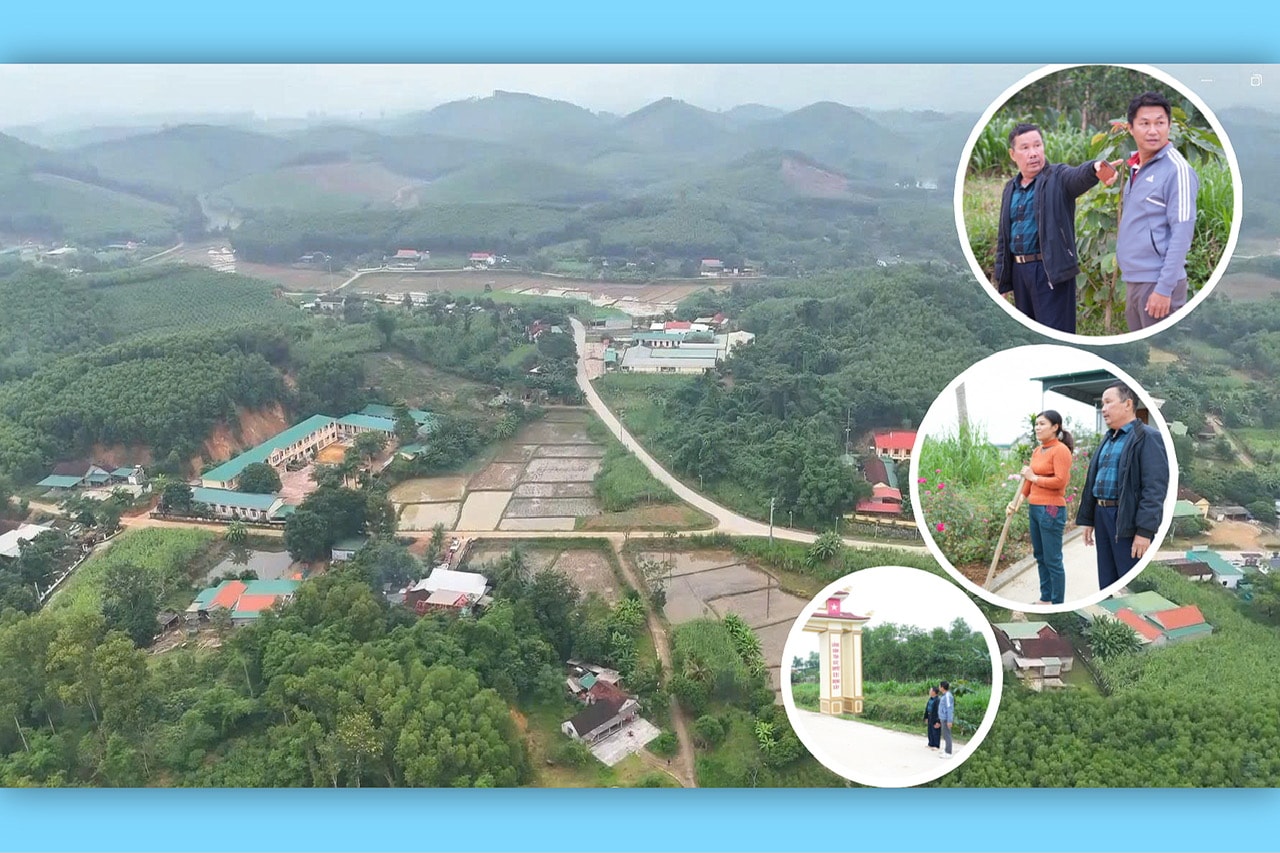
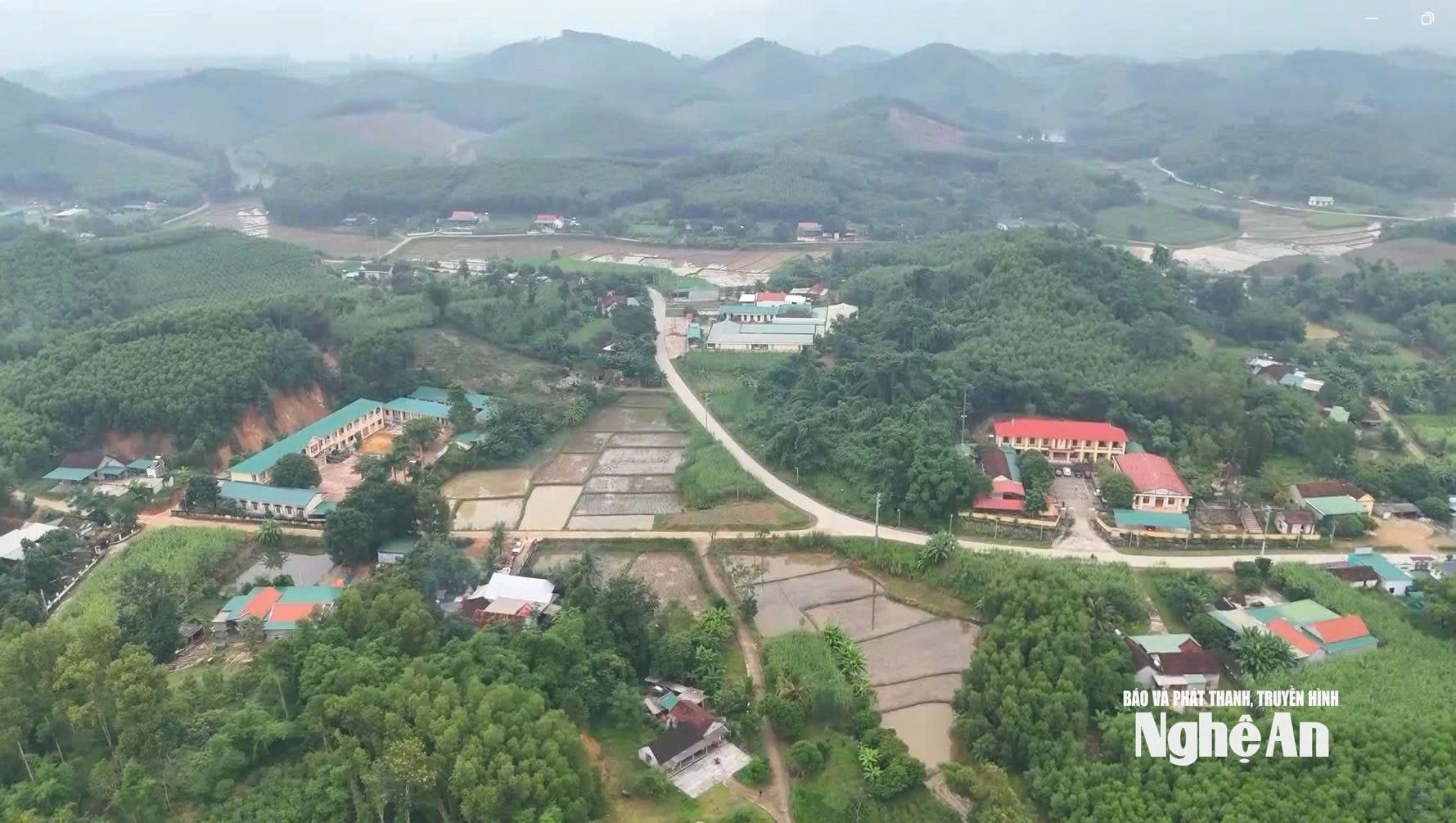
A view of Thanh Binh Tho commune from above. Photo: Archival material.
That migration was not just a geographical shift, but a major life decision. Leaving behind their birthplace and familiar fields, the people of Nam Cat of yesteryear carried with them only a few rudimentary farming tools, some basic necessities, and the belief in a better future for their children and grandchildren.
Upon arriving in the new land by the Con River, they began building houses, clearing land, and establishing villages. And as if to maintain a connection to their old homeland, the pioneers chose to name their village Tan Cat, both to remember their origins in Nam Cat and to express their aspirations for a new land and a new life.
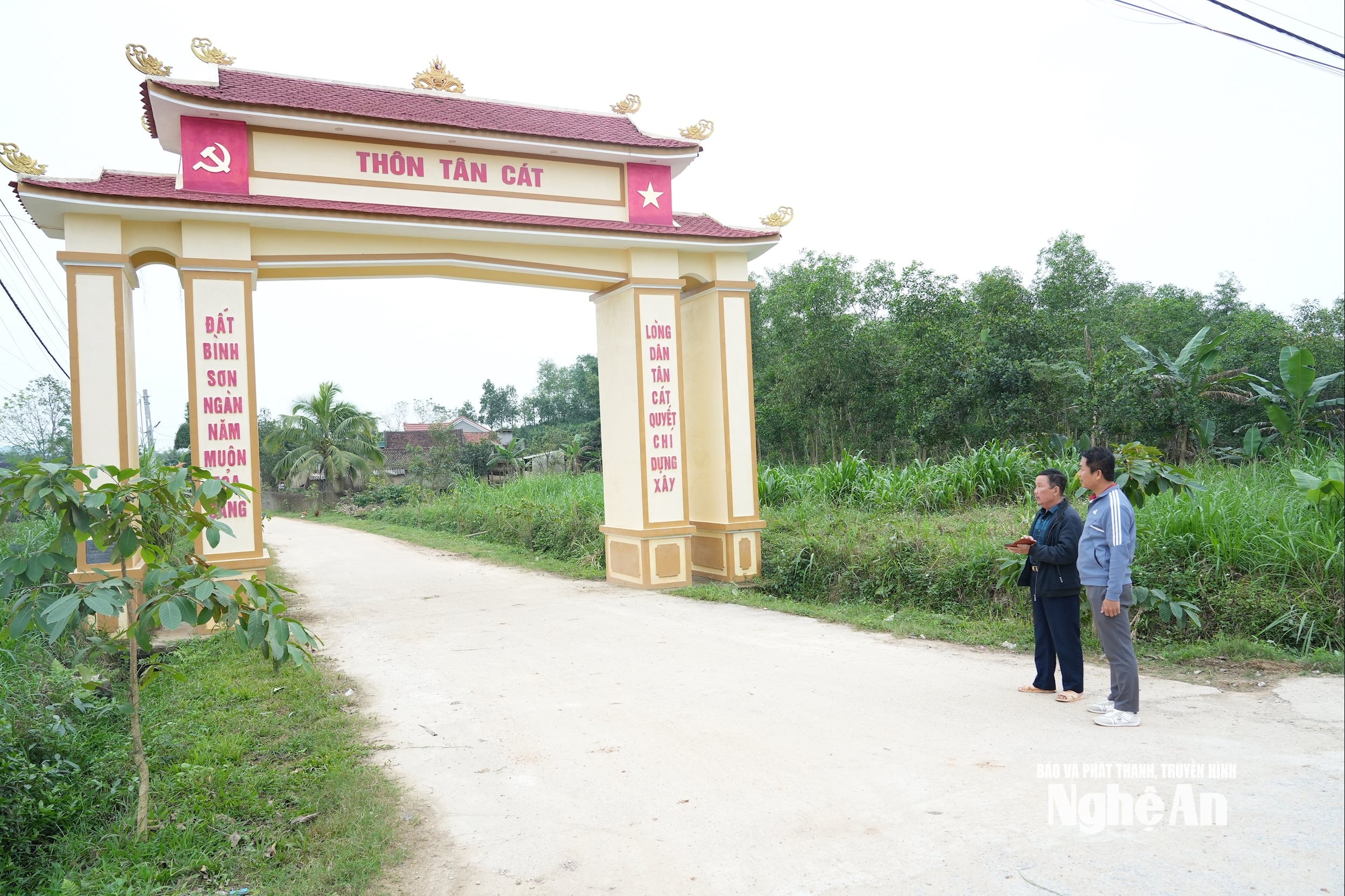
Upon arriving in the new land, the people from Nam Cat, formerly Nam Dan district, named their new village Tan Cat, both to remember their origins and to express their aspirations for a new land. Photo: Tien Dong
The early days were fraught with difficulties. The land was barren, transportation was difficult, and natural disasters and floods constantly threatened the area. But it was precisely in these hardships that the spirit of mutual support and compassion among the people of Nghe An was further forged. The entire village worked together to reclaim land, build houses, and share their labor to survive and build a life.
Over the years, Tan Cat gradually took on the appearance of a rural village. From the initial makeshift houses and muddy dirt roads, the village gradually stabilized. The Con River not only brought alluvial soil to enrich the fields but also nurtured the spiritual life and bonded the new community.
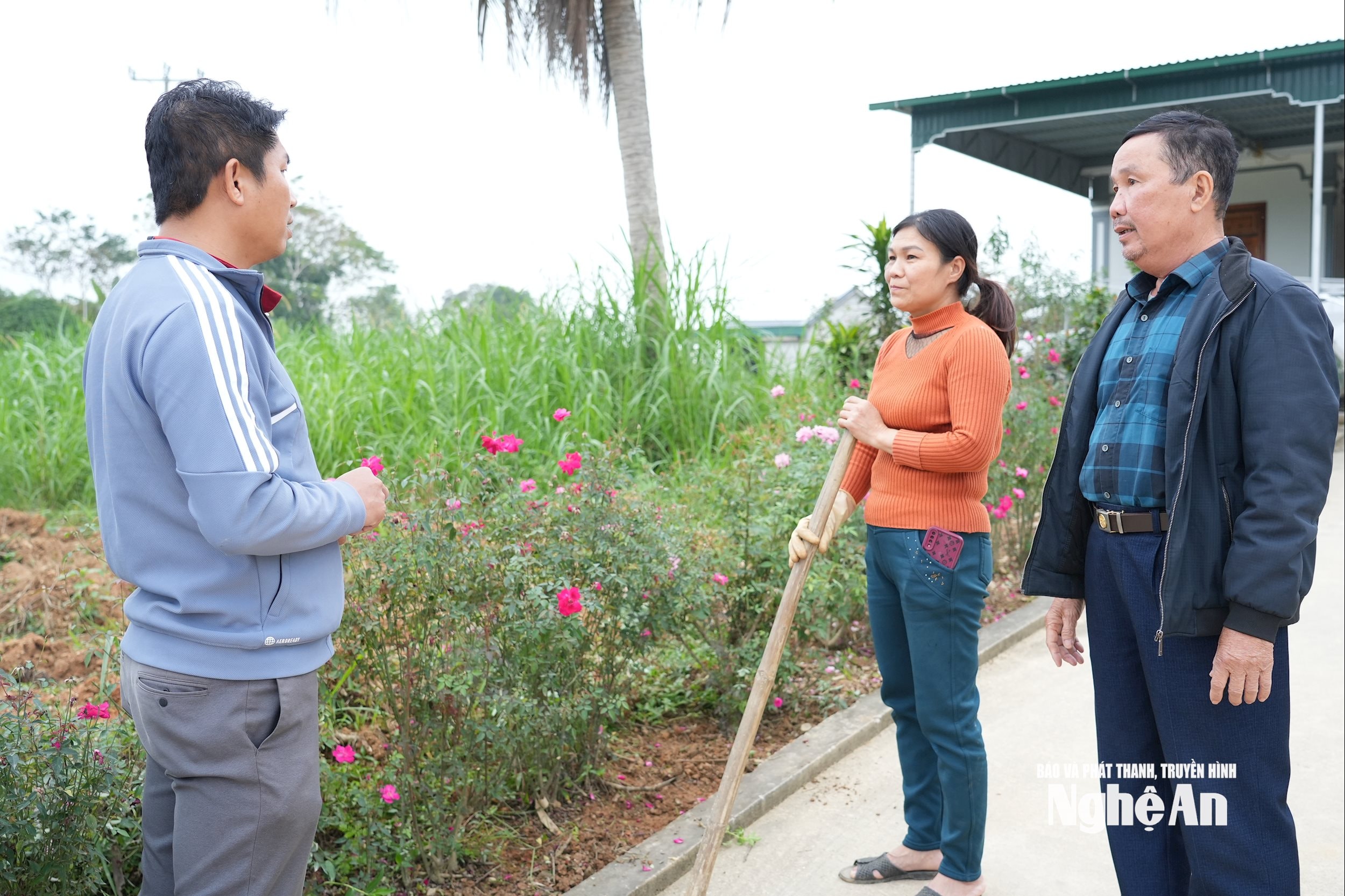
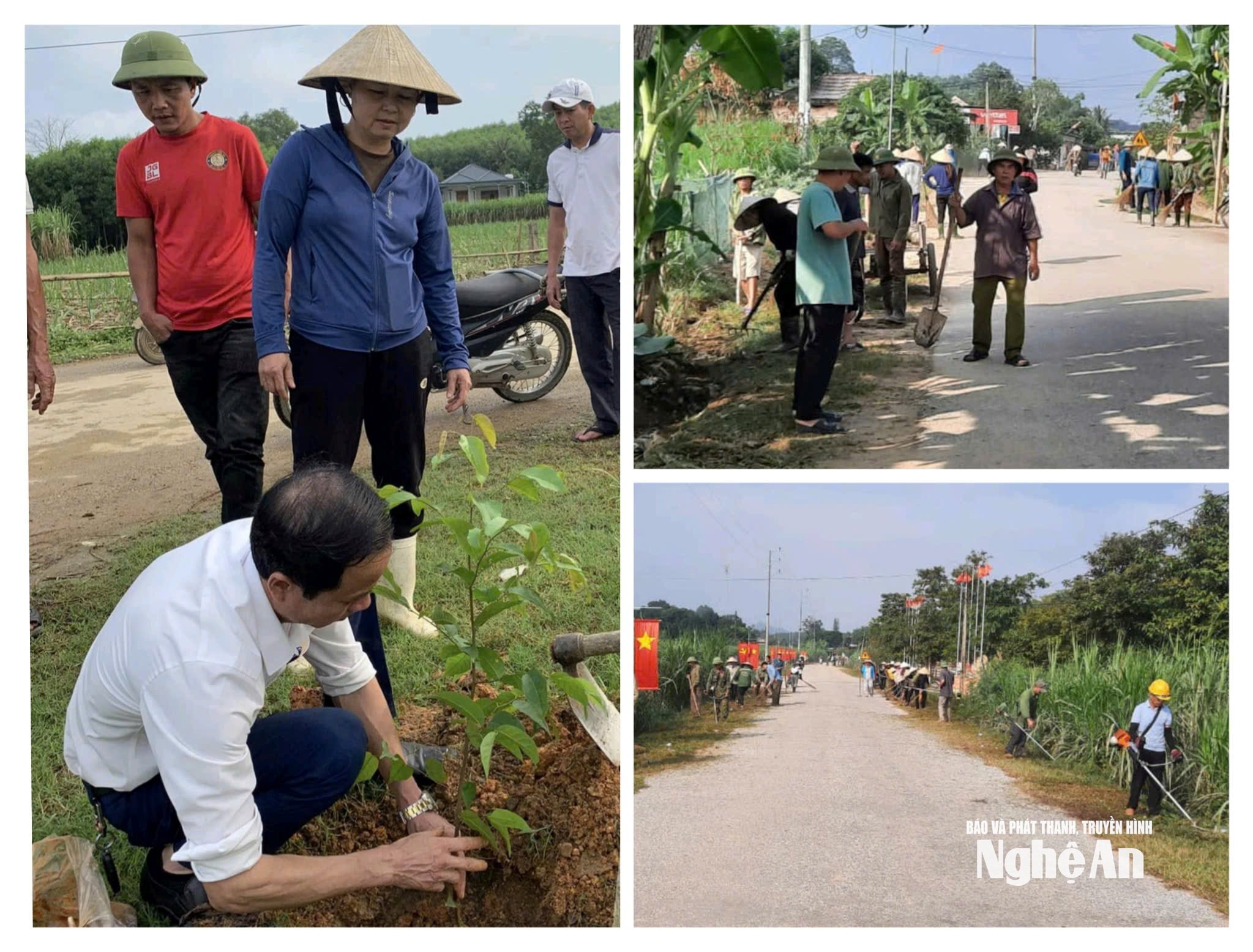
Residents plant trees and create green hedges along the roads. Photo: CSCC
The person who has been "at the helm" for over two decades.
When people talk about Tan Cat today, they all mention Mr. Phan Van Hong - the Party Secretary of the village, who has been involved in Party work and grassroots mobilization for more than 20 years.
Born in 1954 in the former Nam Cat commune, Mr. Phan Van Hong moved to this area with his family when he was young. In 1972, he enlisted in the army and was discharged in 1976, returning to his hometown and continuing to participate in grassroots work until his retirement. From 2019 to the present, he has been elected to the position of Secretary of the Tan Cat Village Party Branch.
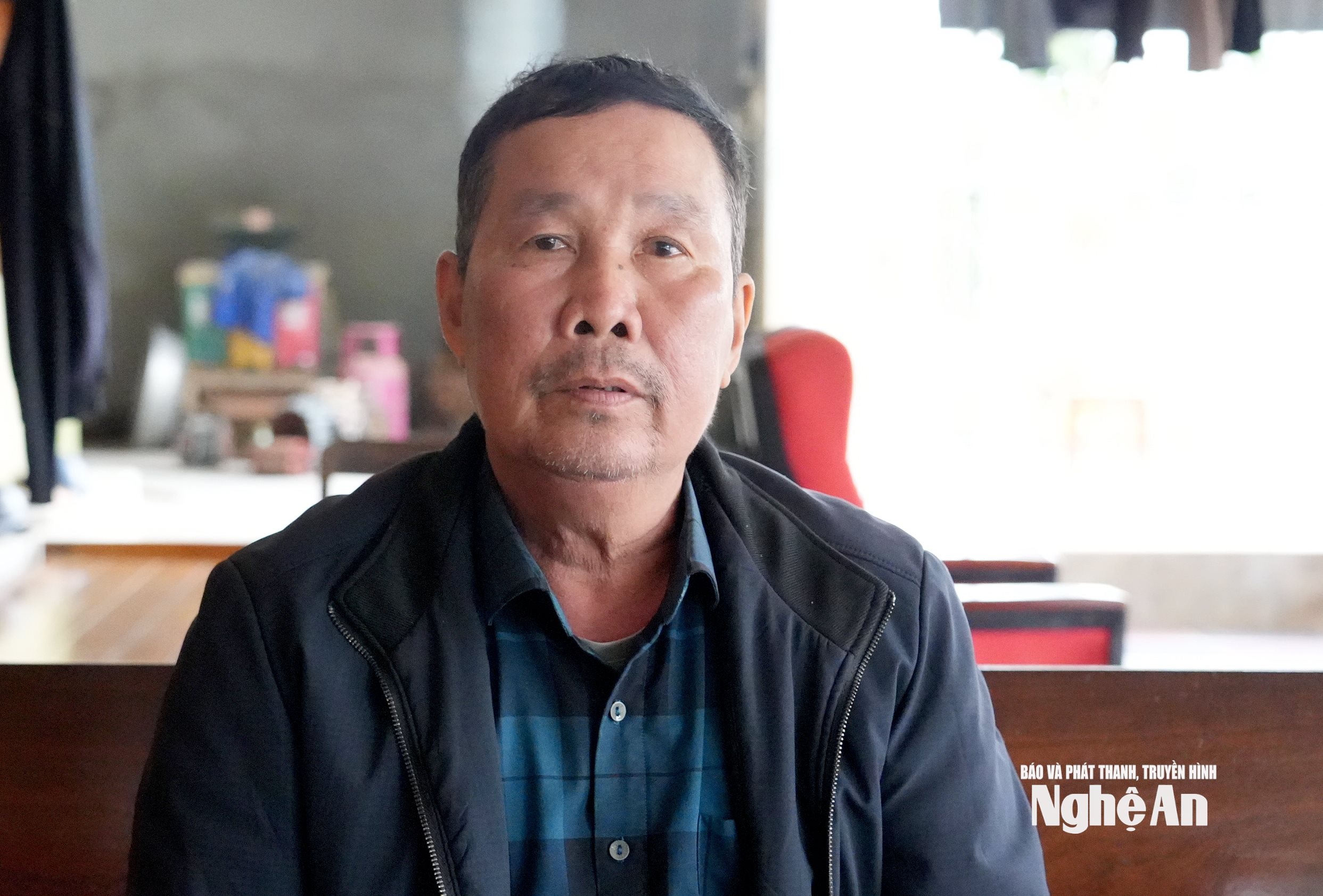
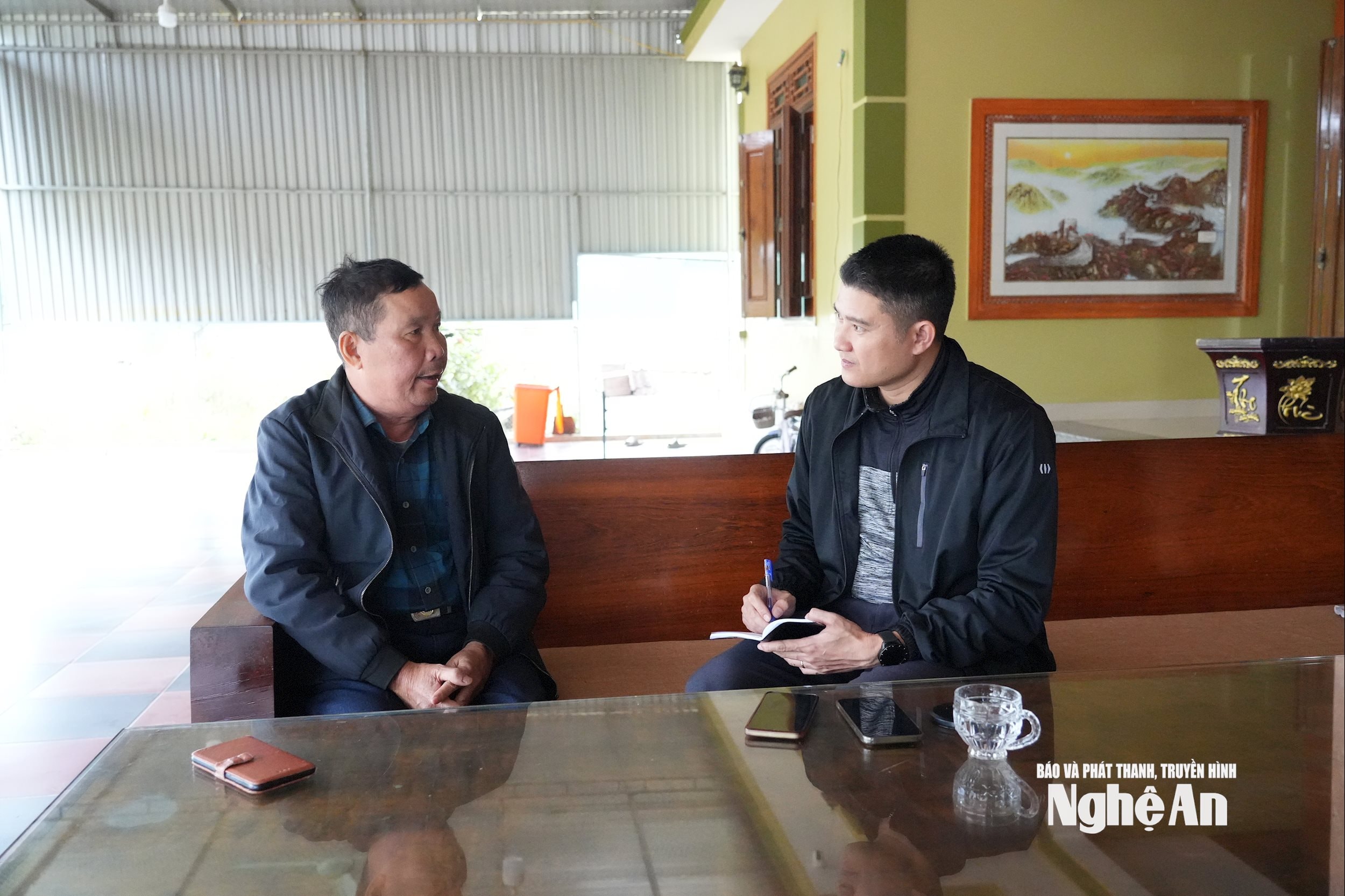
Mr. Phan Van Hong - Secretary of the Tan Cat Village Party Branch, speaks with a reporter. Photo: Tien Dong.
Following the merger policy of the higher authorities, Tan Cat village was formed by merging three villages with a total of 172 households and 735 inhabitants. The communes of Thanh Son, Binh Son, and Tho Son of the former Anh Son district were also merged, forming a new commune named Thanh Binh Tho.
According to Mr. Hong, merging villages is a major policy, but in practice, difficulties and obstacles are unavoidable. After the merger, the village's infrastructure does not meet the needs of community activities: the community center is cramped, lacks tables and chairs, and there is no playground or exercise area for the people.
Faced with this situation, Mr. Hong, along with the Party committee and village officials, organized a campaign to mobilize the people and appealed to those who had left their hometown to contribute funds and labor to renovate the cultural center, purchase equipment, and beautify the village grounds.
From mobilizing family members and relatives to directly meeting with each household to listen to their thoughts and aspirations, Mr. Hong was persistent, flexible, but decisive. Many evenings after work, he would go to each house, analyzing the long-term benefits of building the cultural center, creating consensus among the people.
A list of individuals and families who supported the construction of facilities and infrastructure for Tan Cat village is framed and proudly displayed in the village's cultural center. Photo: Tien Dong
Not only did he mobilize the people, but he also leveraged the roles of clans, self-governing groups, and various associations to spread the spirit of working together to build the homeland. He proactively met with successful people who had left their hometowns to work elsewhere, encouraging them to contribute their labor and resources to the village.
"Some contributed money, some contributed materials, and others contributed labor. From initial hesitation, the villagers gradually reached a consensus and actively participated," Mr. Hong shared.
Thanks to persistent efforts in propaganda and mobilization, Tan Cat village has mobilized significant resources from the people to build and upgrade its infrastructure. The cultural center's grounds have been renovated to be spacious and well-equipped, with modern facilities for community activities; the volleyball court has been rebuilt, creating a space for physical exercise and sports for all segments of the population.
"
Building new rural areas is a long-term initiative. During the mobilization process, some people contributed money, others contributed materials, and still others contributed labor. Initially, some people had reservations, but thanks to the unity of the village committee and the implementation in an open and transparent manner, the villagers gradually agreed and actively participated...
Mr. Phan Van Hong - Secretary of the Party Branch of Tan Cat Village
Lighting systems have been installed in 7 residential clusters; flagpoles along the main roads have reached nearly 95%; and hard fences and green fences have reached approximately 80%. Notably, 6.1 km of concrete roads within the villages have been completed, bringing the rate of concrete paving of internal village and field roads to 100%.
The total resources mobilized for rural development in Tan Cat village amounted to nearly 4 billion VND - a considerable sum for a purely agricultural village in the mountainous region.
Harnessing the people's strength to build a new homeland.
Alongside infrastructure development, environmental sanitation, maintaining a green, clean, and beautiful landscape, and ensuring security, order, and social welfare in Tan Cat village are always given priority. Emulation movements and charitable and humanitarian activities are regularly maintained, fostering cohesion within the community.
Thanks to the successful model of mass mobilization in Tan Cat village, the quality of activities of the Front Committee, branches, and organizations in the village has improved significantly. People are increasingly actively participating in movements and campaigns, contributing to building national unity.
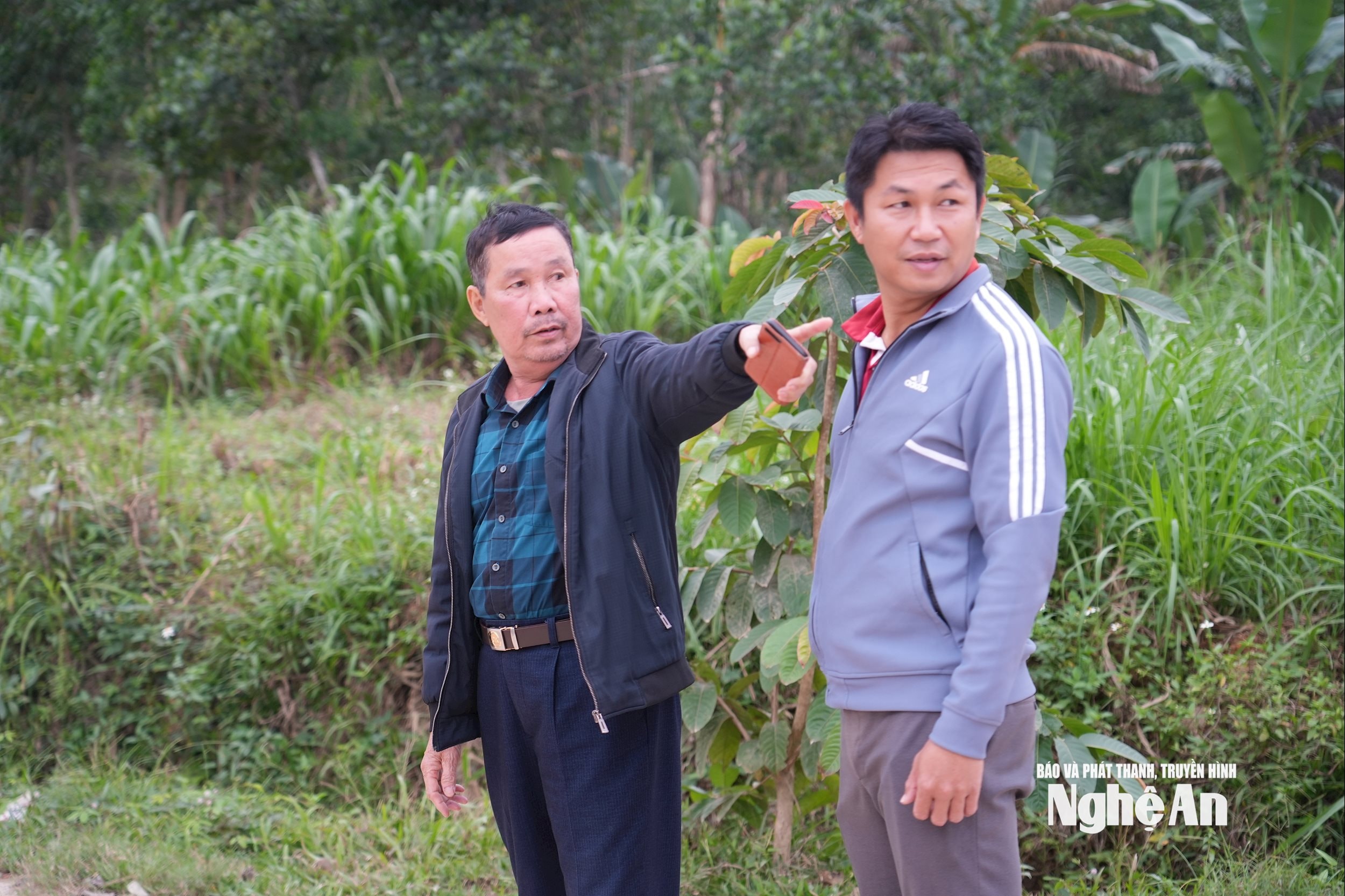
Mr. Phan Van Hong (on the left) has become a role model in the "Effective Mass Mobilization" movement in Thanh Binh Tho commune. Photo: Tien Dong
The appearance of rural areas has changed, and the material and spiritual lives of the people have been gradually improved. More importantly, the people's trust in the leadership of the Party branch and in the grassroots cadres has been increasingly strengthened.
For many years, the Tan Cat village Party branch has been recognized for outstanding performance, including being recognized as "Outstanding and Exemplary" in 2024; Tan Cat village received a Certificate of Commendation from the Provincial People's Committee for its participation in the new rural development movement; and Mr. Phan Van Hong has been praised and rewarded at many levels, becoming a model in the "Skilled Mass Mobilization" movement.
Commenting on the role of the Party Branch Secretary of Tan Cat village, Ms. Nguyen Thi Thuy An - Secretary of the Party Committee of Thanh Binh Tho commune - said that to build a united and harmonious collective, the leader must first be exemplary, dedicated, closely involved with the grassroots, have a firm grasp of the situation, and do a good job of mobilizing the masses. The results achieved in Tan Cat village in recent times are clear evidence of the effectiveness of the "Skilled Mass Mobilization" movement associated with the exemplary role of the Party branch leader.
The movement to build a new homeland has been strongly supported by the people of Tan Cat. Photo: Tien Dong
More than half a century has passed since the people of Nam Cat (formerly) first set foot on this new land by the Con River. Today, Tan Cat village has transformed into a prosperous and peaceful rural community. Clean concrete roads, sturdy houses, and vibrant community activities – all are the fruits of a long journey filled with hardship but also with deep affection.
Amidst the ever-changing pace of life, Tan Cat village still retains the essence of a traditional Nghe An countryside: hardworking, diligent, united, and loyal to its roots. The Con River still flows silently, a witness to the many generations who have passed through, stayed, and built upon it.
Your comment has been submitted and will be displayed after being reviewed by the editorial team. The editorial board reserves the right to edit comments to comply with the newspaper's content guidelines.

.jpg)