

Paper books and the "migration" to digital space.
In the age of algorithms and instant videos, reading culture is undergoing a turbulent migration: from libraries and bookstores to digital platforms and social media. Will reading culture be affected by these contemporary changes?
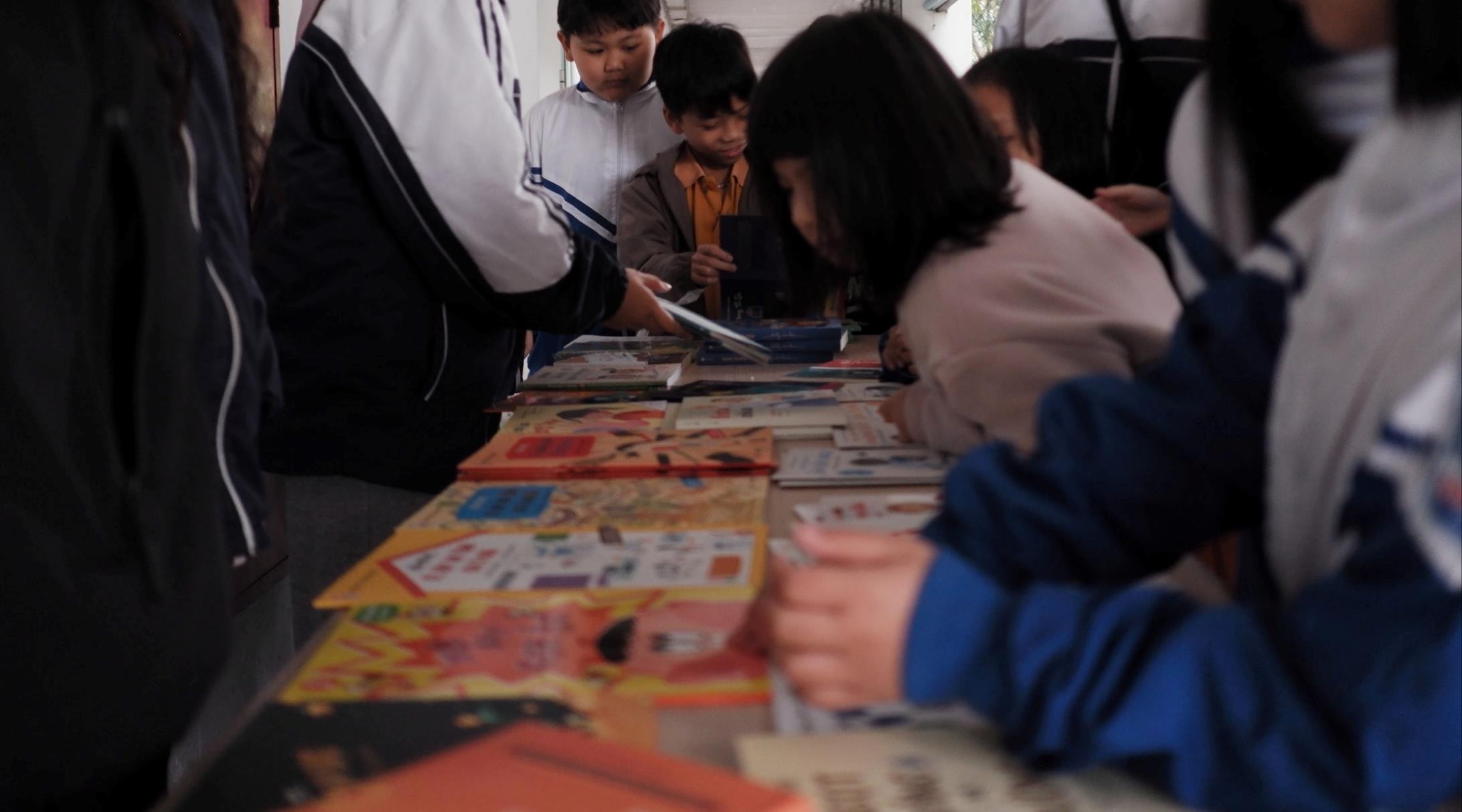
The "Quiet Moment" of Paper Books
In contrast to the hustle and bustle of cafes with beautiful photo spots and entertainment centers, the atmosphere at these places is different.read a bookPublic spaces in the central wards of the former Vinh City are often deserted and sparsely populated. At the Bookphoria free reading station (Thanh Vinh ward), Ms. Nguyen Thi Huyen Tram - the station manager - shared: “In recent months, our reading station has seen significantly fewer visitors. Usually, the reading station is busier on weekends, and most of the visitors are families. Upon investigation, we found that not only us, but other reading stations in the area are also experiencing a similar situation.”

As a young mother, Ms. Le Thuy Minh (Vinh Phu ward) admits that taking her children to bookstores is sometimes just a "cheap and convenient" solution to get them away from phone screens after a stressful week of studying. However, the goal of "igniting a love of reading" faces obstacles from children's own tastes. "Nowadays, children only like to read comic books and short, abrupt stories. It's not easy to increase their love of reading," Ms. Minh confided.
Ms. Minh's concerns are shared by many parents in the face of the current state of fast-paced entertainment. With TikTok and Facebook Reels' algorithms constantly luring children with short clips lasting only a few dozen seconds, getting a child to sit still and immerse themselves in a thick book becomes a difficult task.

Delving deeper into the academic world, the decline of paper books stems not only from a reluctance to read, but also from a more pragmatic mindset. Hoang Anh Tuan (11th grade, Vinh Phu ward) frankly shared that instead of reading books, he and his friends would search for knowledge by asking questions to AI applications. This reflects a fundamental shift in Gen Z's approach to knowledge. When AI can summarize and extract information in seconds, the value of a paper book suddenly becomes "cumbersome" in the eyes of young people who prioritize speed and efficiency.
As the head of the Bookaholic Club at Phan Boi Chau Specialized High School, Nguyen Khanh Linh (class 11C5) acknowledges that even within the school's elite student community, reading habits are showing a clear decline. "It's noticeable that the habit of in-depth reading, especially reading physical books, is showing signs of decline," Linh shared.

Even on social media platforms, efforts to promote reading culture are showing signs of faltering. Once a "phenomenon" that helped the publishing industry turn things around, the hashtag #BookTok in Vietnam no longer maintains the vibrancy and clear direction it once had. Videos about books are gradually becoming diluted by commercial content or the fragmentation of the community. TikTok accounts of bookstores and publishers, which once trended with videos racking up millions of views, now mostly maintain only a few hundred or a few thousand views per clip, despite being professionally produced with high-quality content and visuals.
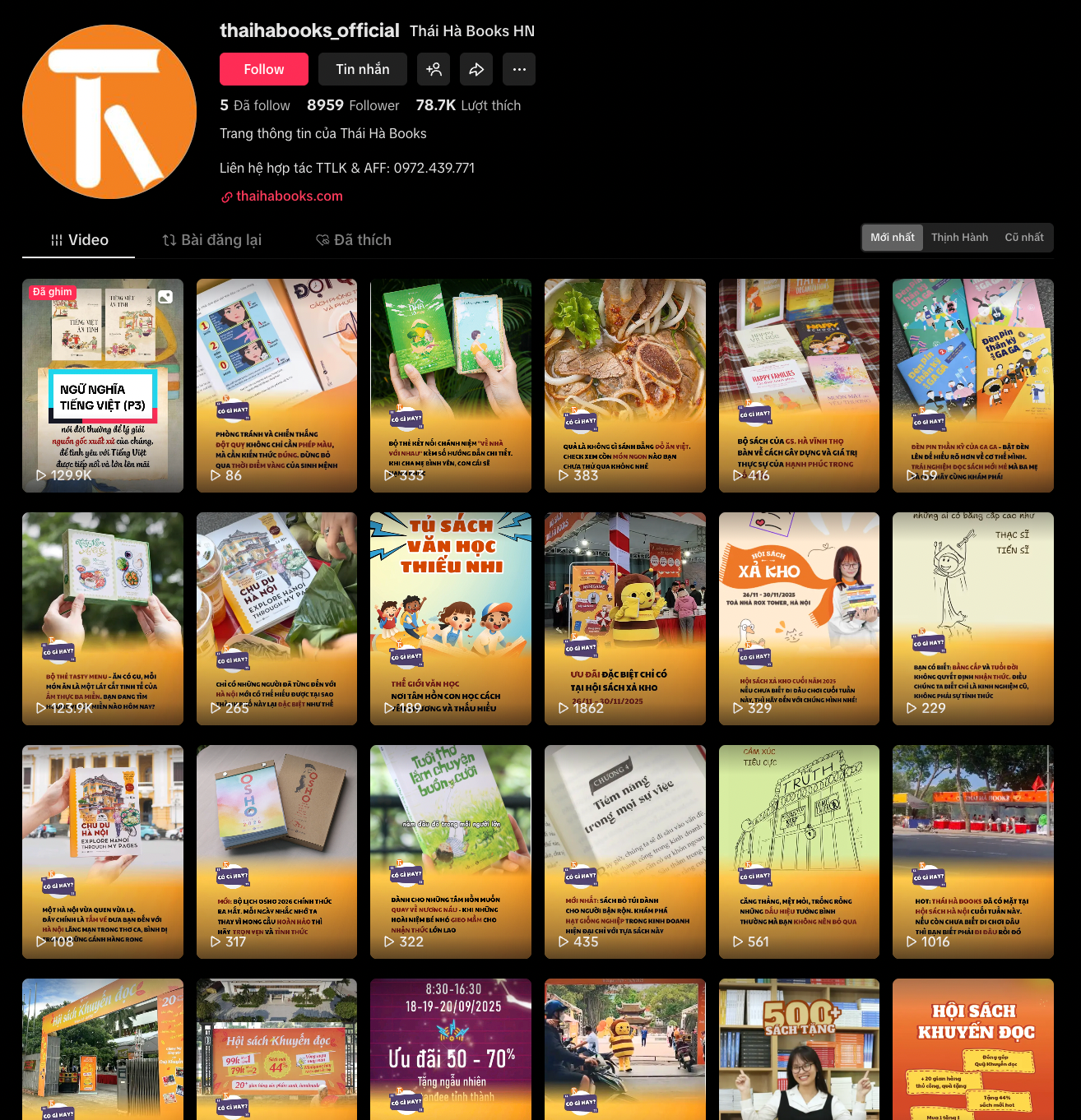
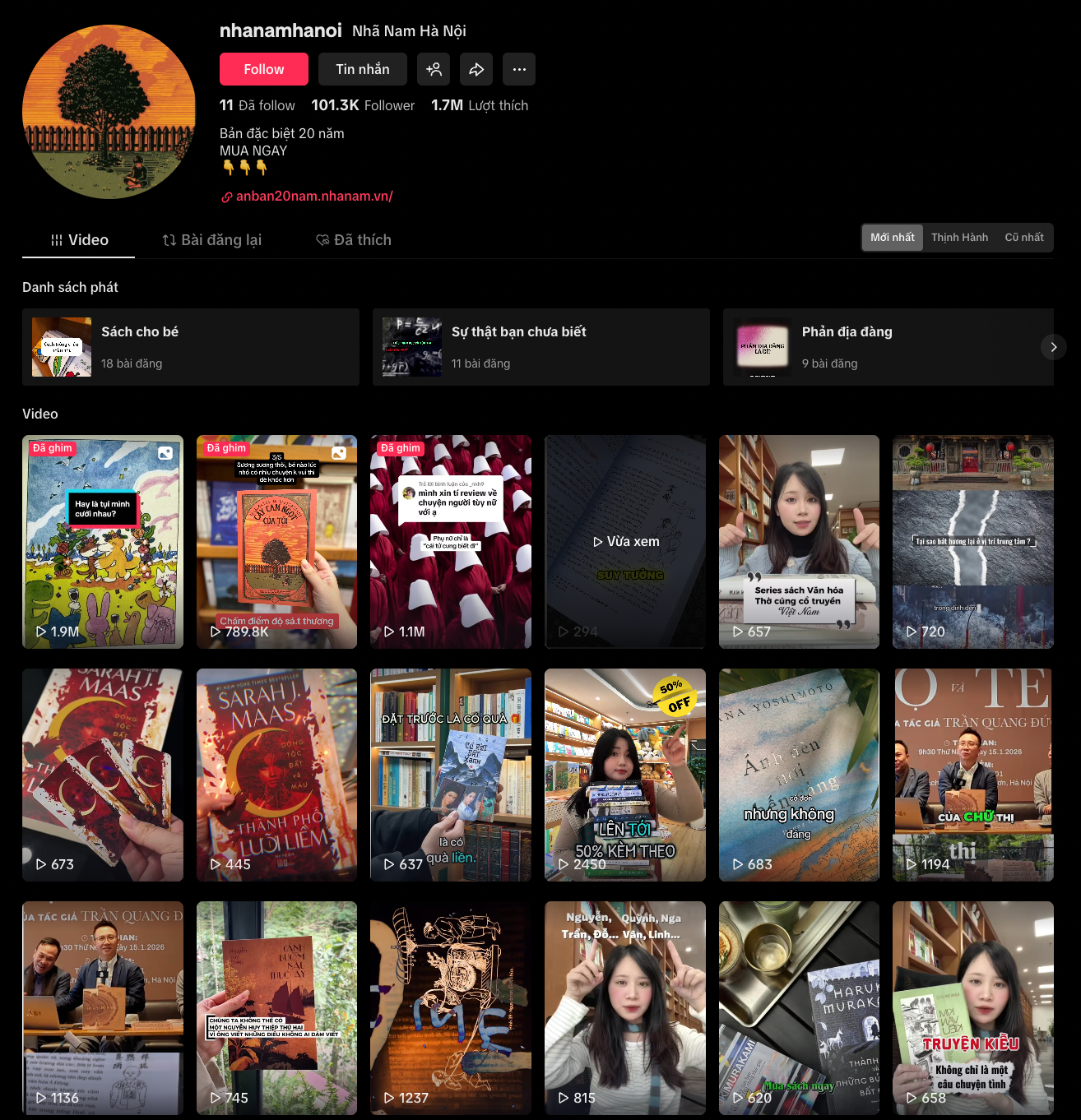
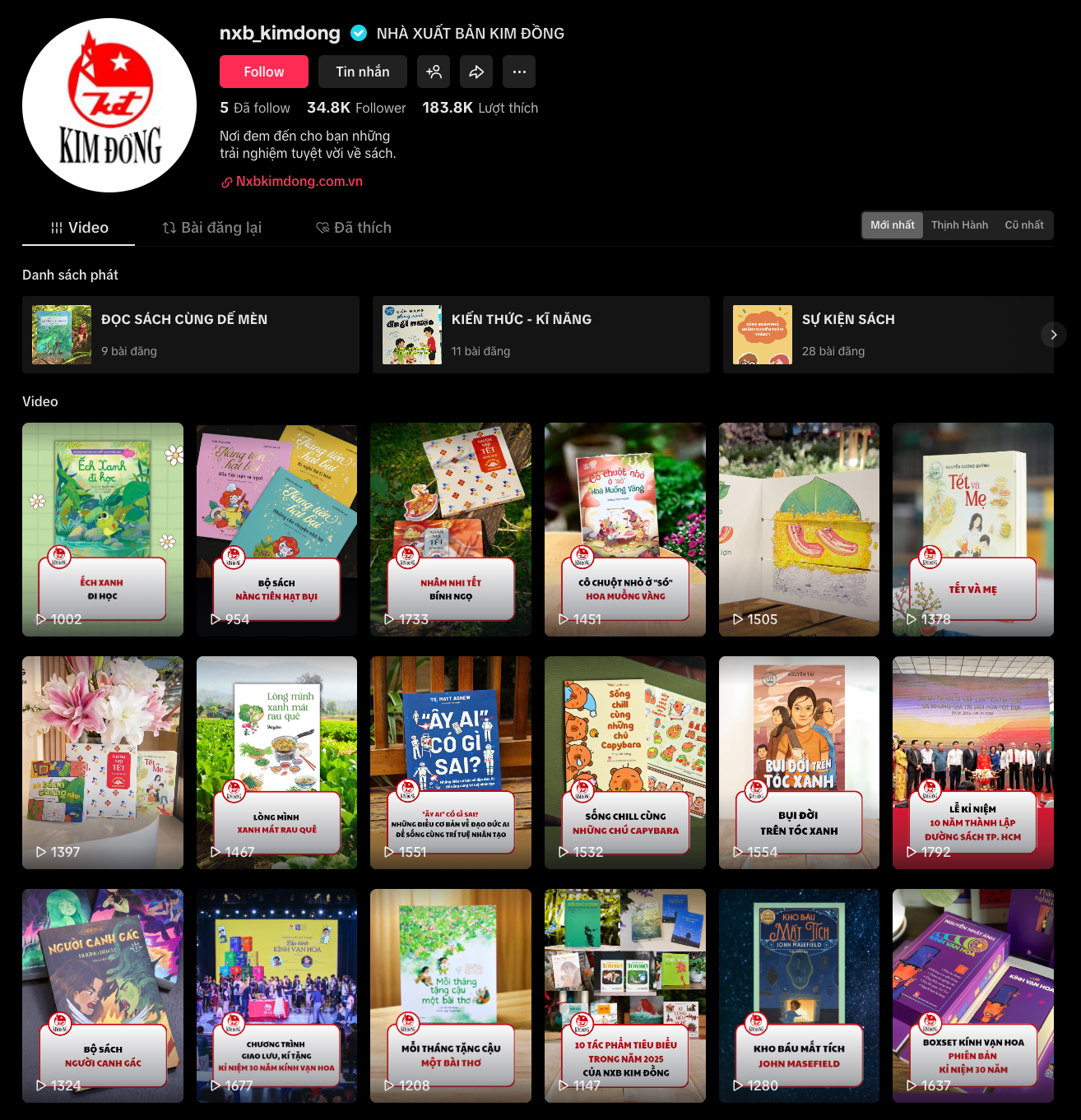
Paper books are facing a challenging "lull," not only competing with electronic devices, but also besieged by a new lifestyle where concentration has become a luxury.
The "migration" to the digital space.
Alongside the somber aspect of paper books lies another, more dynamic facet of reading culture. There, knowledge no longer sits confined to shelves but is held at hand, permeating every corner of the digital age.
It's no coincidence that e-readers (Kindle, Boox, etc.) have become indispensable companions for many students in urban areas. Even without buying physical books, Hoang Anh Tuan didn't hesitate to invest 3 million VND in an e-reader to maximize the convenience of reading foreign language books for English language learning. "E-readers are compact, offer unlimited reading, and have adjustable brightness, so you'll never experience eye strain like with paper books or tablets," Tuan enthusiastically said about his digital companion.

According to statistics, by early 2025, the e-reader user community in Vietnam was estimated to have over 300,000 people, with a growth rate of approximately 15% per year. On social media platforms, e-reader user groups are booming with hundreds of thousands of members. Accounts sharing good books, such as the channels "Better vision," "What are you reading?", "Ha Khuat," etc., have positively inspired young people who want to become booktokers, booktubes, and so on.
In book-loving groups, sharing podcasts summarizing books or copyrighted audiobook apps is becoming a new trend. Regarding this shift, Nguyen Khanh Linh offers an optimistic perspective: “The rapid development of technology and the widespread use of smart devices allow young people to read anywhere, anytime, with a rich and diverse library of resources in just a few taps. The need for information and learning among young people hasn't disappeared; it's simply changing in form.”

At Linh's prestigious school, the concept of reading is being redefined through online applications, discussion groups, and digital media campaigns.Reading culture, from the perspective of increasingly adaptable "digital citizens".
While physical books may be losing ground to fast-paced entertainment, e-books, audiobooks, and podcasts are quietly creating a new ecosystem. Reading culture isn't disappearing; it's simply transforming to adapt to the rhythm of the modern era.