

The biomechanical secret behind Matheus Cunha's thunderous shot at Man Utd.
An in-depth analysis of the Brazilian striker's finishing technique, from his hip range to the art of positioning his supporting foot, transforms him into a formidable weapon for the Red Devils.
Matheus Cunha's goals against Arsenal or Fulham at Old Trafford were not simply moments of brilliance. Behind those spectacular shots ripped through the net lay a complex biomechanical process, where power was generated from a perfect combination of physics, anatomy, and the killer instinct of a modern-day Samba dancer.

The intersection of art and science
Cunha's ability to generate powerful shots with minimal run-up has immediately reminded experts of Neymar. According to Osamah, a listener of Talk of the Devils, it is precisely this full swing and incredible power of the ball, even without much run-up, that makes the 26-year-old striker different.
After a somewhat slow start, Cunha is gradually establishing himself at Manchester United not only through his creative contributions but also with his spectacular long-range goals. To decipher this power, we need to look through the lens of biomechanics experts.
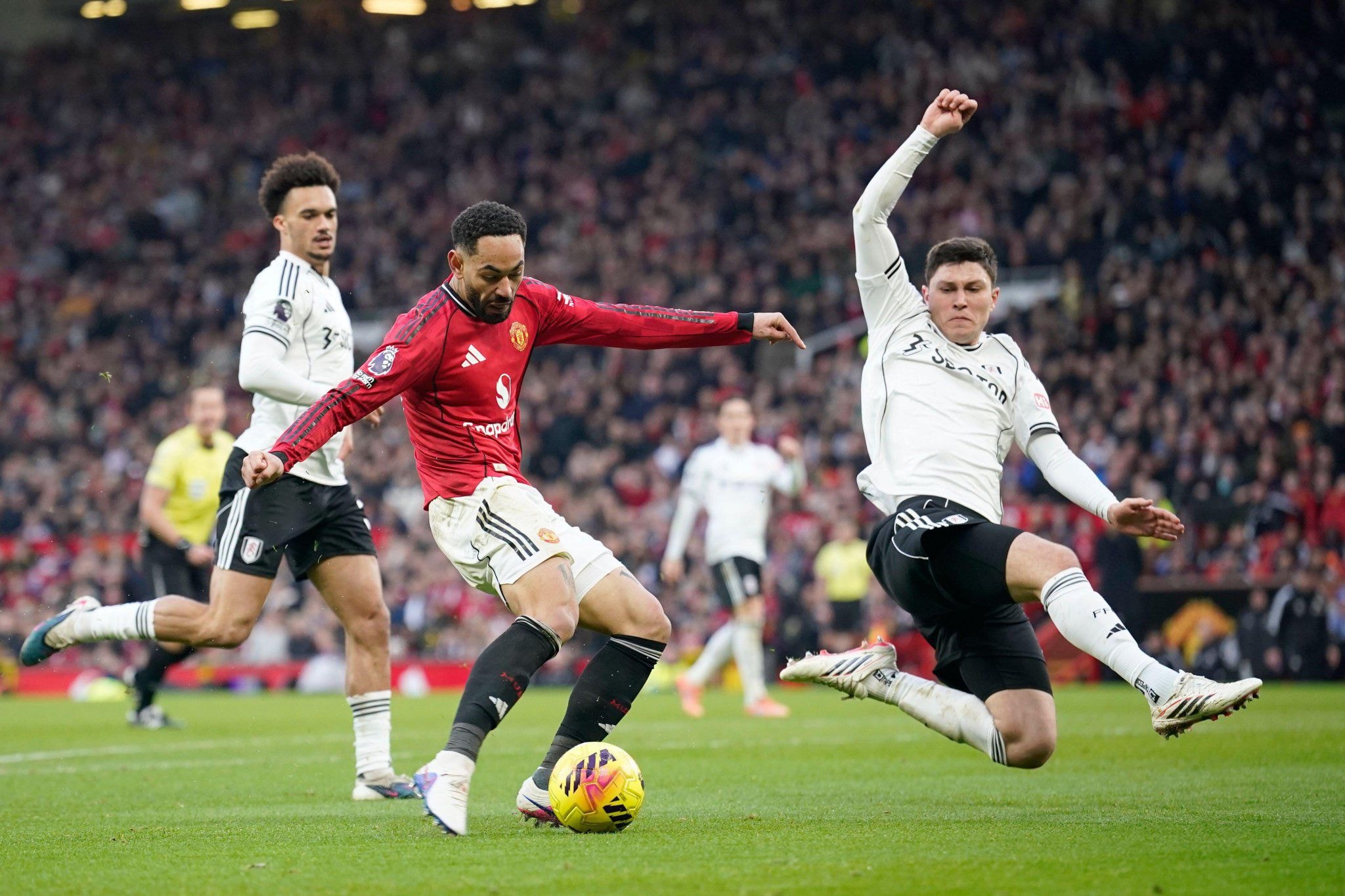
Secrets from hip range of motion
Archit Nabandar, associate professor of biomechanics at the Polytechnic University of Madrid, points out that the secret lies in the phase before the foot makes contact with the ball. In technical terms, a standard shot consists of four phases: backswing, cocking, acceleration, and follow-through.
"What you don't see before scoring is that he's accelerating his sprint. Right before his supporting foot lands, his hips are stretched very wide," Nabandar explained. Cunha's magic lies in his ability to simplify the first two phases but maximize efficiency in the latter two.
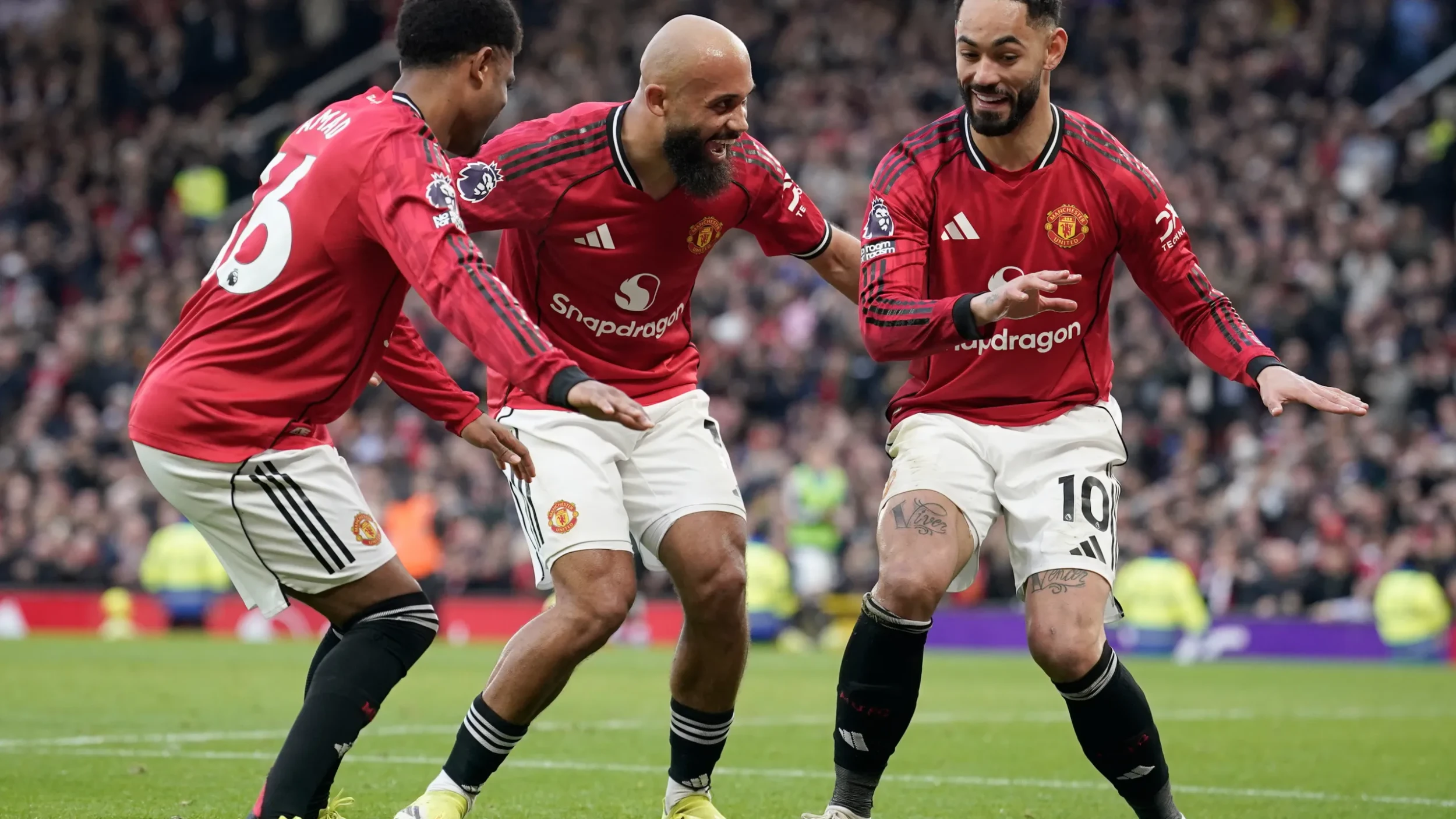
By utilizing an extremely wide range of hip flexion and extension, Cunha transforms his right hip into a powerful pivot point. Instead of relying heavily on knee strength, he harnesses power from his core, gluteal, and hamstring muscles. This is why his shots may appear gentle, but the ball travels at the speed of an arrow.
The art of positioning the supporting foot and the subtlety of the ankle.
Another key factor is the placement of the supporting foot. In the goal against Arsenal, Cunha's left foot was positioned slightly in front of the ball. According to the principles of physics, this position allows for maximum momentum transfer to the ball while maintaining body axis stability.
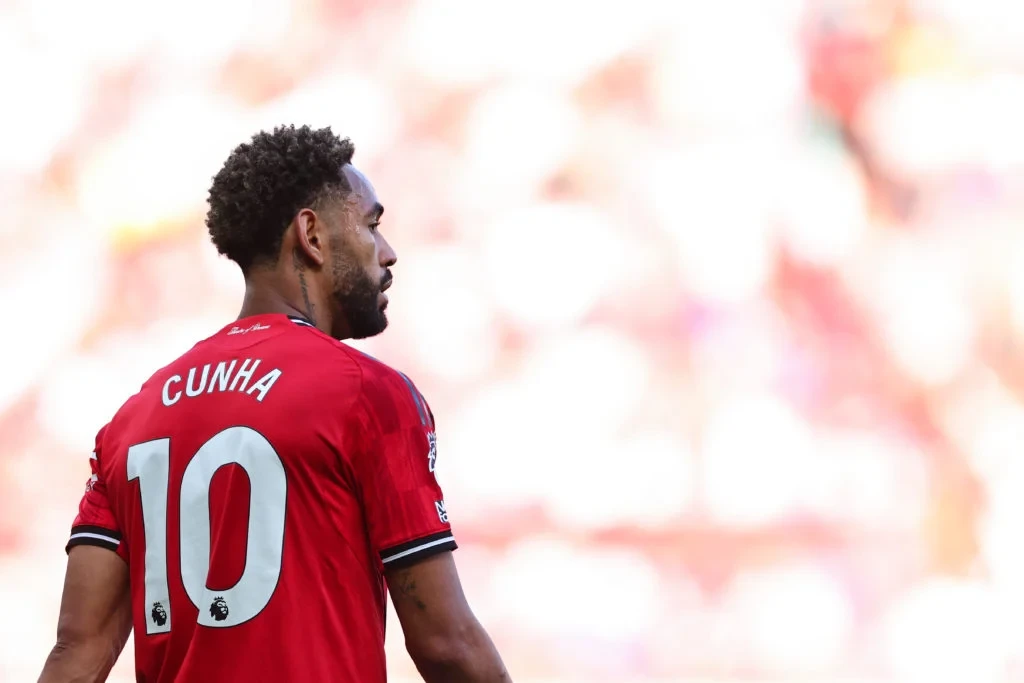
Nếu sức mạnh đến từ hông, thì độ chính xác lại nằm ở cổ chân linh hoạt. Cunha có khả năng điều chỉnh bề mặt tiếp xúc của giày với bóng trong tích tắc cuối cùng. Anh có thể khóa cổ chân để tung cú sút mu lai má sấm sét, hoặc lỏng cổ chân để thực hiện những pha cứa lòng kỹ thuật.
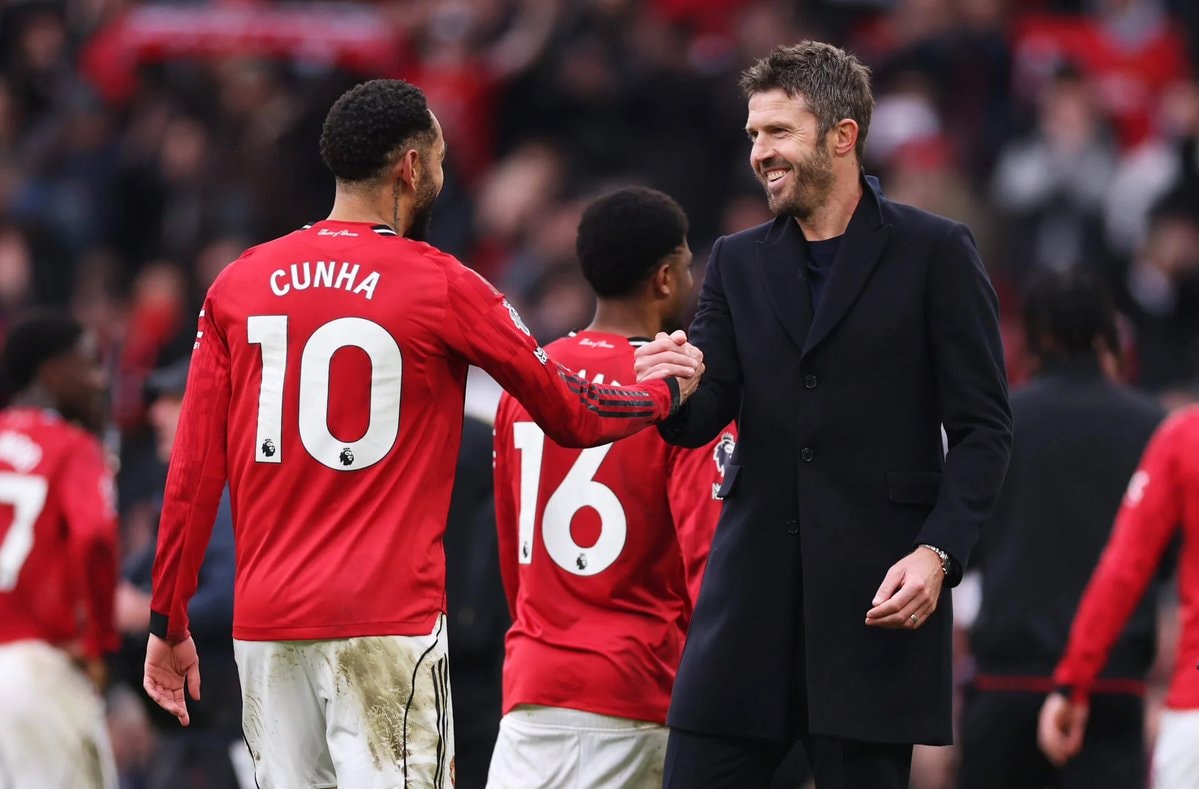
Khả năng biến hóa này khiến các thủ môn đối phương gần như không thể phán đoán quỹ đạo bóng dựa trên tư thế chạy đà. Điều này biến Cunha thành một cơn ác mộng thực sự trong các tình huống đối mặt hoặc dứt điểm từ xa.
Khi khoa học kết hợp với tư duy chiến thuật
Kỹ thuật cá nhân chỉ thực sự phát huy tác dụng khi đặt trong hệ thống chiến thuật. Sự hỗ trợ từ các đồng đội, điển hình như những pha di chuyển không bóng của Benjamin Sesko, đã giúp tạo ra khoảng trống cần thiết để cỗ máy cơ sinh học mang tên Cunha vận hành tối đa công suất.

Dù vẫn còn những sai số nhỏ khi trọng tâm bị lệch, nhưng sự tiến bộ của tiền đạo người Brazil đang mang lại hy vọng lớn cho đội hình của Quỷ đỏ. Matheus Cunha không chỉ đang ghi bàn; anh đang định nghĩa lại cách Manchester United tấn công với một nền tảng khoa học thể thao vững chắc.

Mỗi cú vung chân của anh giờ đây là một minh chứng cho thấy sự kết hợp hoàn hảo giữa bản năng và những tính toán cơ học chuẩn xác, hứa hẹn sẽ còn tạo ra nhiều siêu phẩm tại Ngoại hạng Anh trong tương lai.