

With the drought looming, well-drilling villages in Nghe An province are operating at full capacity.
As the dry season approaches, the demand for well drilling in many localities increases sharply. In Nhan Tien hamlet, Quan Thanh commune (Nghe An province), dozens of drilling rigs operate continuously to serve the needs of the local people.
The village has a well-drilling industry.
In Binh Minh commune, Nhan Tien hamlet has been known as a village specializing in well drilling for decades.
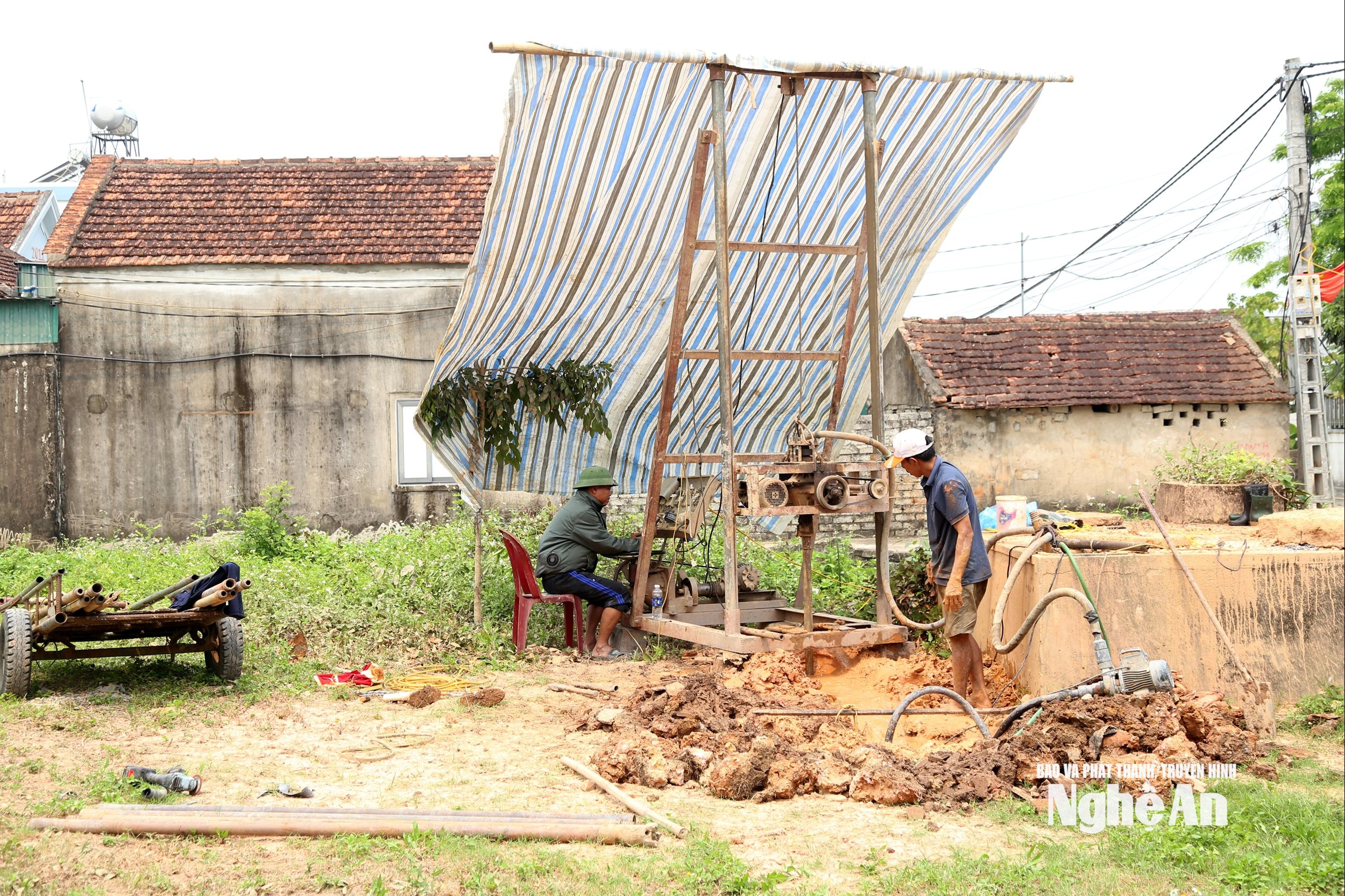
For generations, Nhan Tien hamlet has been closely associated with agricultural production. However, with changing living conditions and the increasing demand for domestic water, in recent decades, this place has also become known as a renowned "well-drilling village" in the region. From a secondary occupation, well drilling has gradually become the main source of income for many households, creating stable jobs for hundreds of healthy, hardworking men who often have to travel far from home.
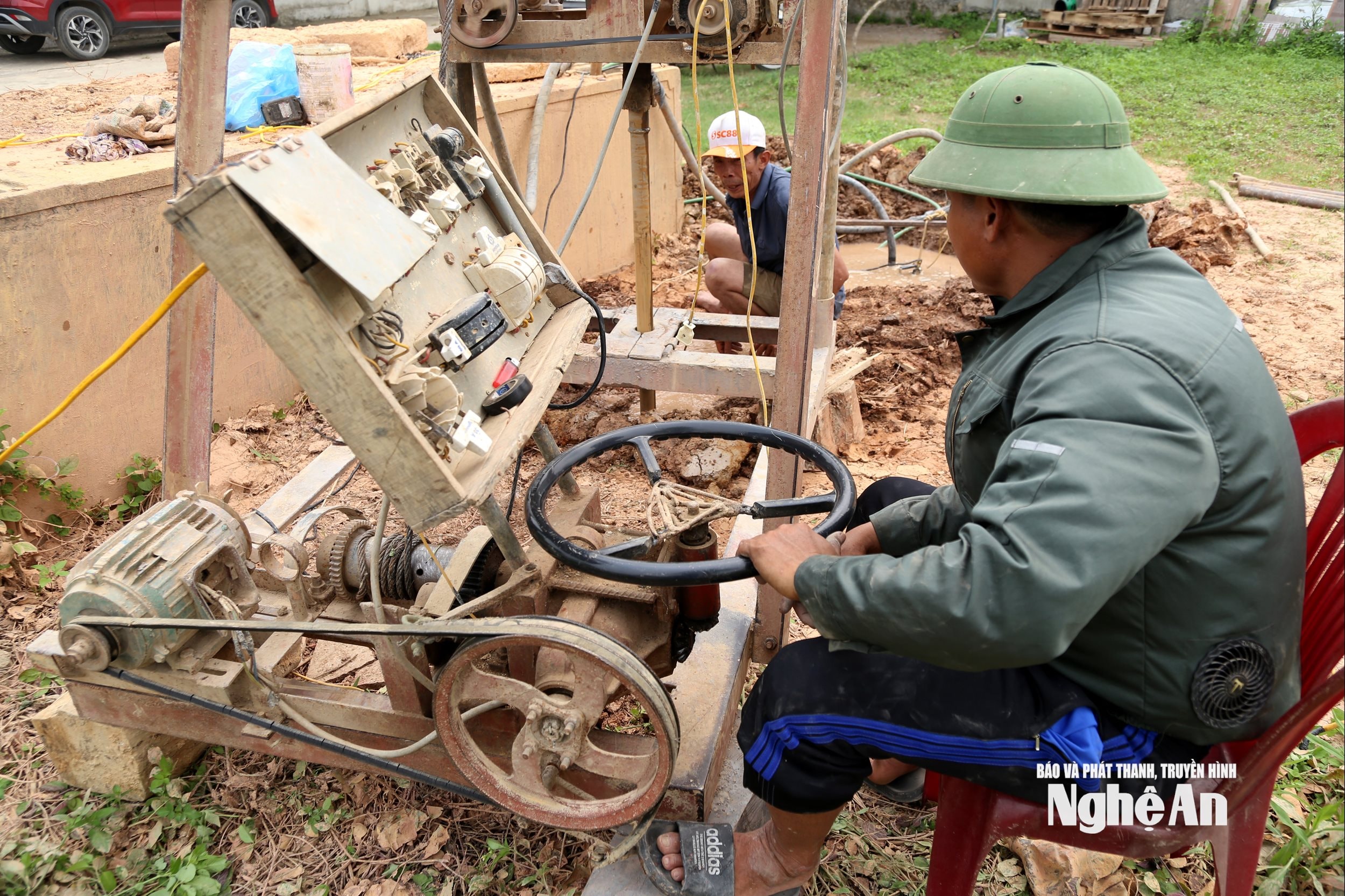
According to local residents, many well-drilling rigs are currently operating in Nhan Tien hamlet. These drilling teams not only serve the domestic and agricultural water needs of people within the province, but also undertake well drilling projects in many other localities, even extending to neighboring Laos. Before the dry season, the demand for well drilling increases significantly, and the rigs work almost non-stop.
Having been involved in well drilling for over 20 years, Mr. Nguyen Van Tuan (born in 1968), residing in Nhan Tien hamlet, said that this profession provides a decent income but also requires significant capital, experience, and enduring physical strength.
“Vào cao điểm, ngày nào cũng có việc. Có khi vừa khoan xong giếng này đã phải thu dọn đồ đạc để đi giếng khác, thậm chí cách hàng chục km", ông Tuấn nói.
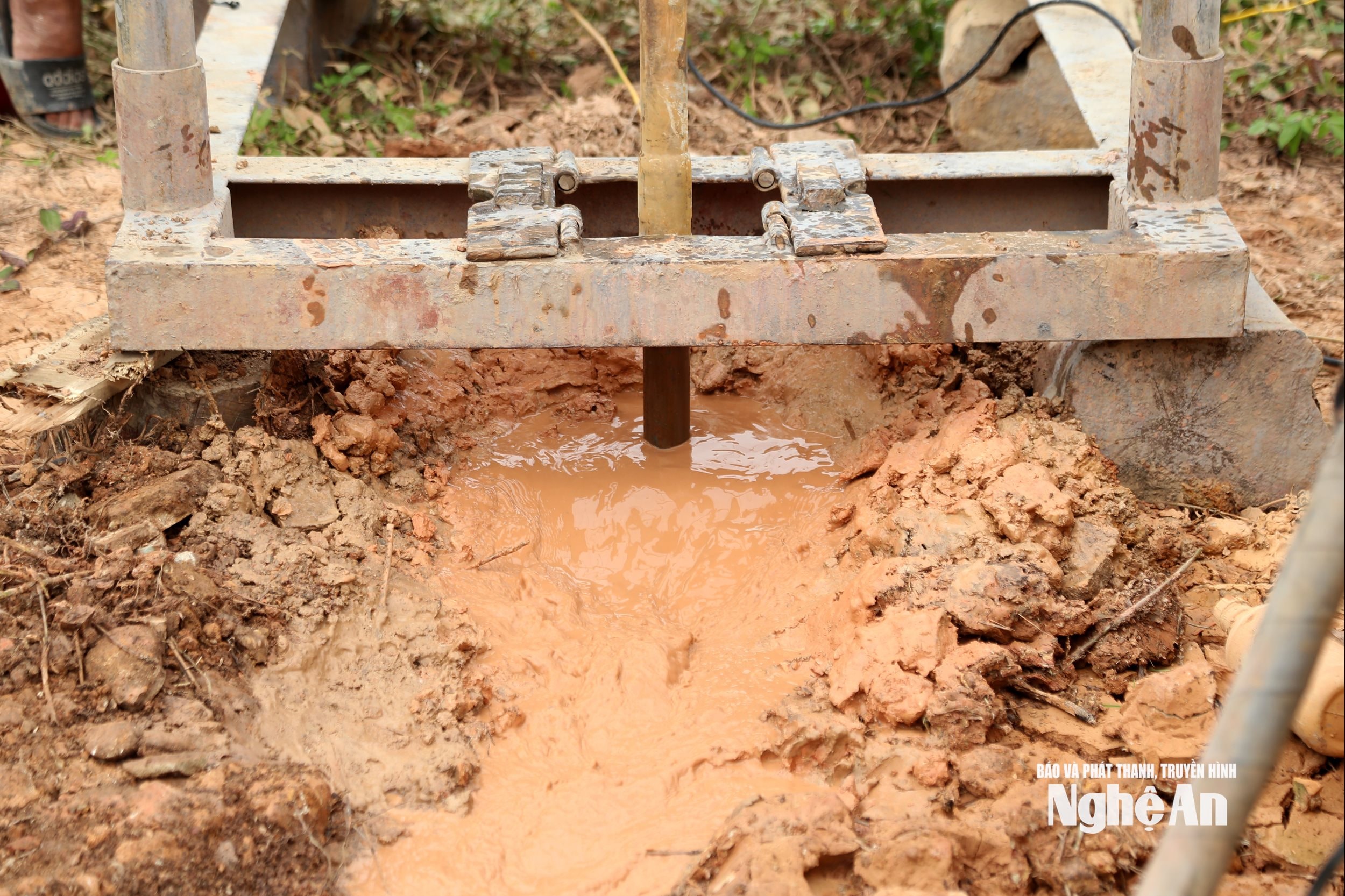
Hiện nay, người dân trong xóm sử dụng chủ yếu 2 loại giàn máy khoan là máy nén khí và máy khoan tiện. Trong đó, máy nén khí có chi phí đầu tư rất lớn, trên 700 triệu đồng mỗi giàn, thường cần từ 3-4 lao động vận hành. Loại máy này phù hợp với địa hình phức tạp, tầng đá cứng, độ sâu lớn.
Ngược lại, máy khoan tiện có mức đầu tư thấp hơn, khoảng 70 triệu đồng mỗi giàn, sử dụng 2 lao động, thích hợp với những khu vực có thổ nhưỡng tương đối thuận lợi. Do đó, việc lựa chọn máy khoan phụ thuộc hoàn toàn vào đặc điểm địa chất của từng vị trí khoan.
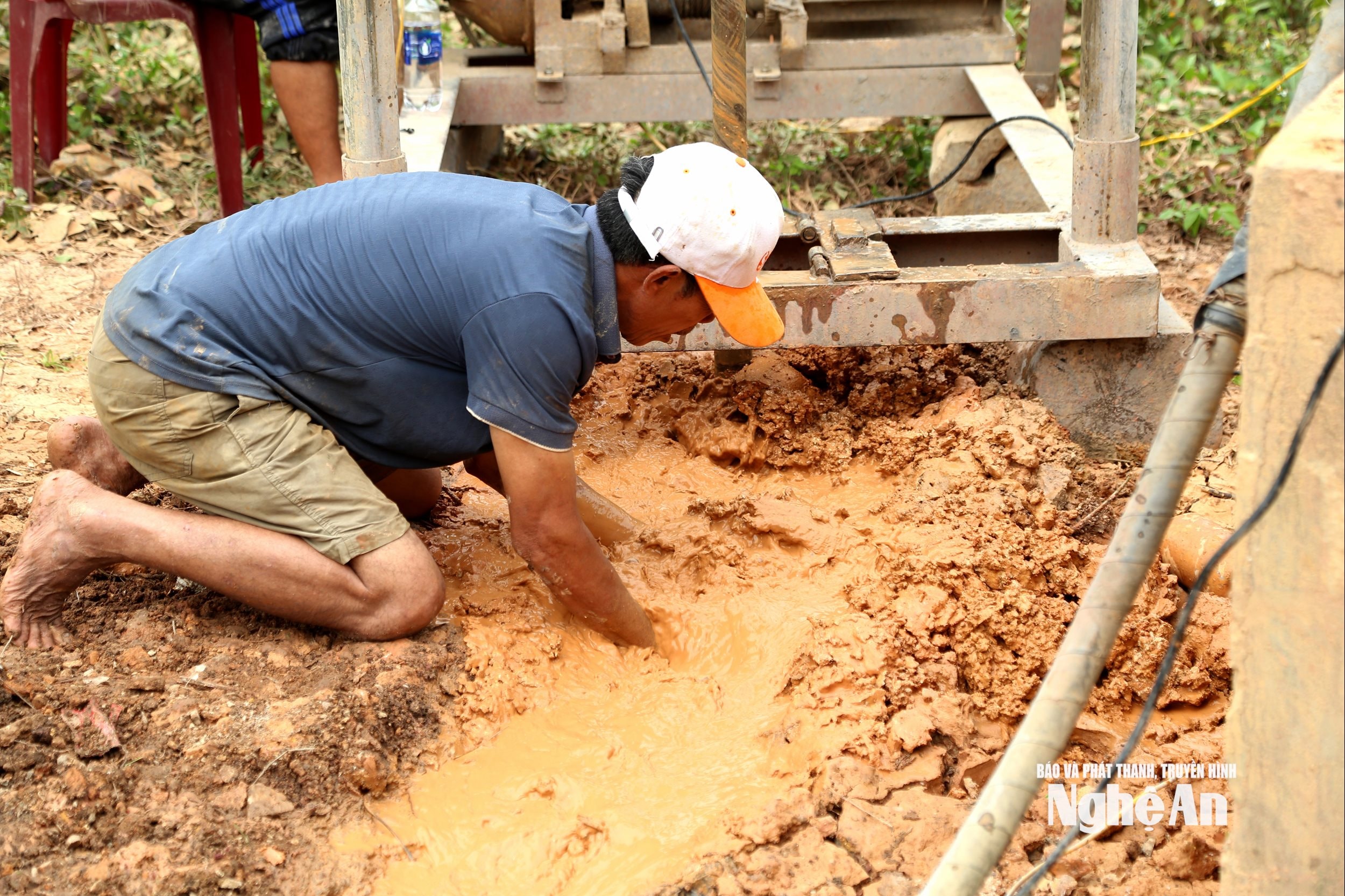
Để khoan xuyên qua các lớp đất, đá ở độ sâu hàng chục mét, thợ khoan phải sử dụng mũi khoan bằng hợp kim. Tuy nhiên, mũi khoan cũng nhanh mòn, trung bình cứ sau khoảng 5.000m khoan là phải thay mới, với giá khoảng 3 triệu đồng mỗi mũi.
Ngoài ra, cần khoan bằng thép dài 2,2m cũng là vật tư không thể thiếu. Mỗi giàn khoan thường có trên dưới 50 cần khoan. Do phải chịu áp lực lớn và hoạt động liên tục, sau gần 2 năm sử dụng, các cần khoan này phải thay mới, với giá khoảng 800.000 đồng mỗi cần. Bởi vậy, ngoài vốn đầu tư ban đầu, người làm nghề còn phải thường xuyên bỏ thêm chi phí để duy trì, thay thế thiết bị.
Tùy thuộc vào loại giàn khoan và điều kiện địa chất, giá khoan giếng cũng có sự chênh lệch. Hiện nay, tiền công khoan 1 giếng nước dao động từ 7-8 triệu đồng, chưa bao gồm chi phí vật tư như ống nhựa và máy bơm. Sau khi khoan xong, thợ tiến hành lắp đặt 2 lớp ống nhựa theo chiều sâu giếng: Lớp ngoài là ống đường kính 125mm, lớp trong là ống 90mm.
Để đảm bảo lực hút nước mạnh và ổn định, máy bơm được thả sâu xuống đáy giếng. Tính tổng thể, chi phí hoàn thiện một giếng khoan hiện nay vào khoảng 14-16 triệu đồng, tùy độ sâu và loại giàn khoan sử dụng. Mỗi công trình giếng khoan hoàn thành trong vòng 2 - 3 ngày, thậm chí có những nơi do lớp đá dày, cứng và độ sâu trên 80m, kéo dài 5 - 7 ngày.
Theo ông Nguyễn Văn Tuấn, khoan giếng là nghề “ăn nhau ở kinh nghiệm”. “Mỗi vùng đất có thổ nhưỡng khác nhau, không thể áp dụng một cách làm cho tất cả. Người thợ phải vừa khoan vừa theo dõi chất đất, tầng đá, mạch nước để điều chỉnh lực và tốc độ khoan cho phù hợp. Có điểm đang dùng máy nén khí không hiệu quả, buộc phải chuyển sang máy khoan tiện mới hoàn thành được giếng”, ông Tuấn chia sẻ.
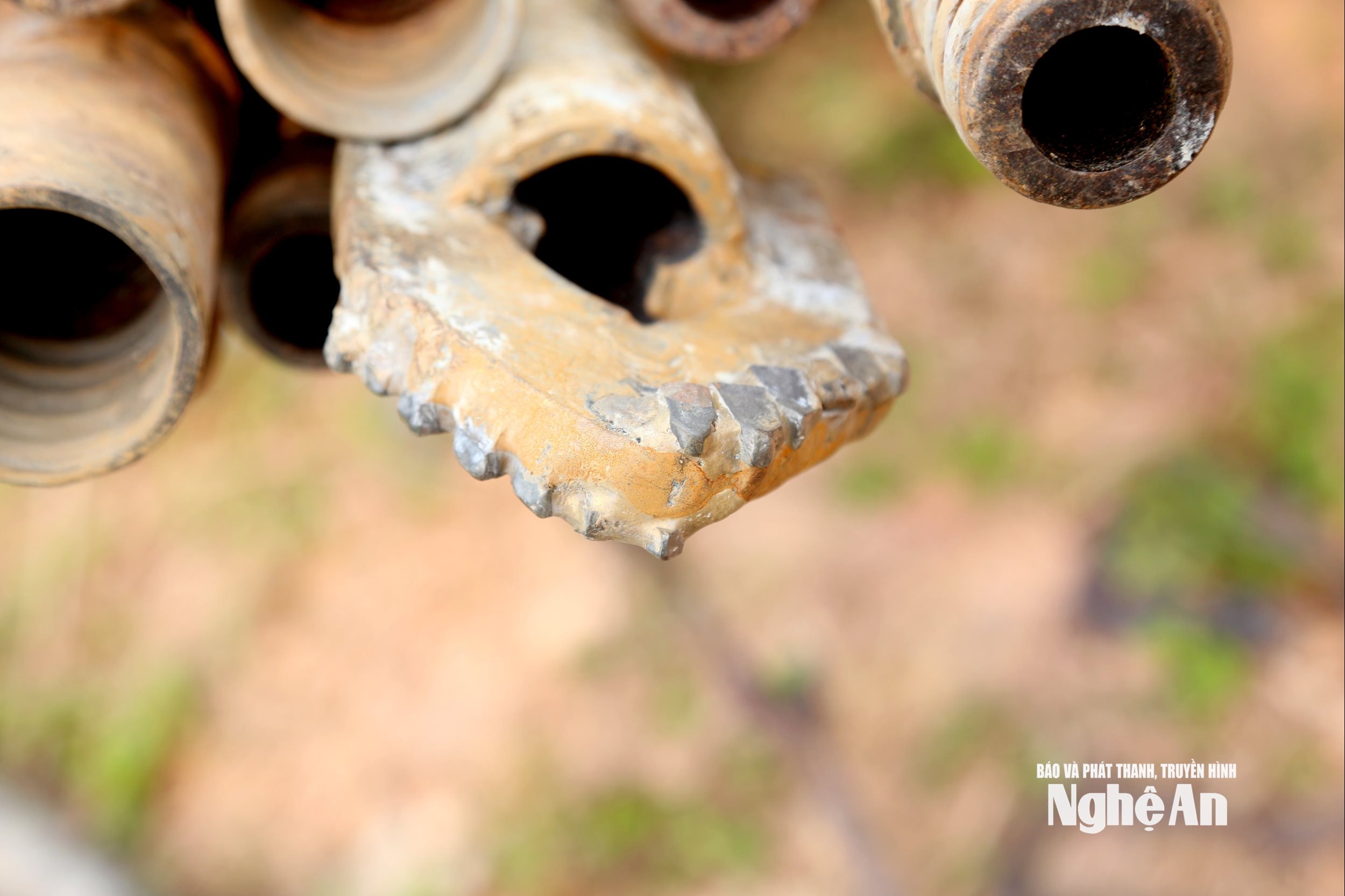
According to Mr. Tran Hoang Chu, head of Nhan Tien hamlet, about seven years ago, the locality had dozens of well drilling rigs operating regularly. Currently, the hamlet only has around 10 rigs, including four pneumatic drilling rigs and the rest being rotary drilling rigs. Despite the reduced scale, well drilling still provides stable employment for dozens of local workers.
"Working here today, working tomorrow, especially during the hot months, well drillers are always busy due to the high demand for water for daily use. However, well drilling is hard work and involves many risks," shared Mr. Tran Hoang Chu.
High demand due to shortage of domestic water.
More than just a means of livelihood for well drillers, the well-drilling profession in Nhan Tien hamlet stems from a very real need of the local people. Ms. Nguyen Thi Huong, from Tay Ho hamlet, Quan Thanh commune, who currently hires well drillers, said that for many years her family has mainly relied on rainwater for daily life. Because the area lacks a piped water system, during the dry season, from around November to April, water shortages become severe. By the end of the dry season, stored rainwater is almost completely depleted, making daily life very difficult.
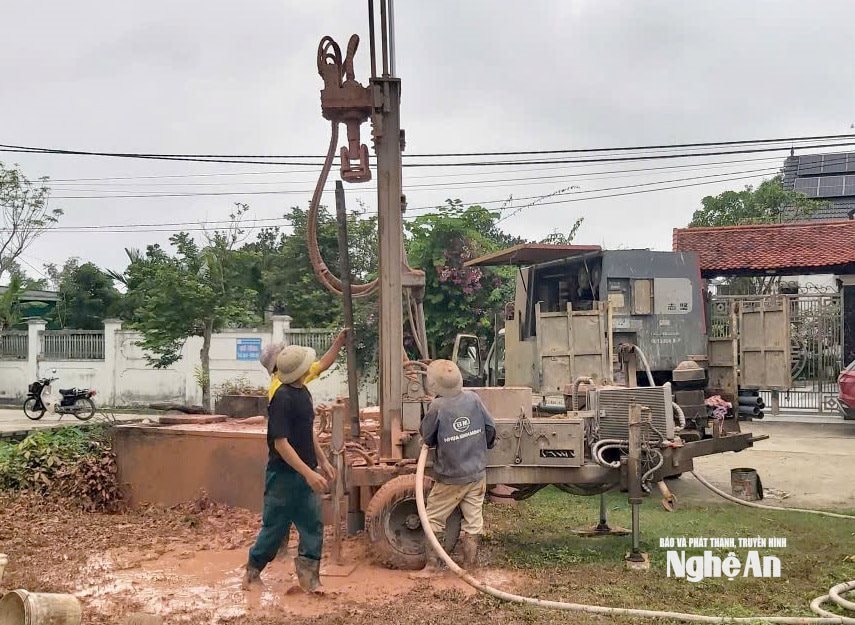
Faced with this situation, this year, her family decided to drill a well to secure their water supply. However, due to the high demand for well drilling, her family had to wait nearly a month for a driller to come to their turn. The well is 26 meters deep, and the total cost was over 14 million VND. "The cost is not small, but having a stable and long-term water source is very reassuring," Ms. Huong shared.
According to our research, many households in Tay Ho hamlet, Quan Thanh commune, are currently seeking to drill wells to secure a reliable water supply for daily use. If Mrs. Huong's well provides a plentiful supply of water with guaranteed quality and no salinity contamination, this will serve as a basis for other households to confidently invest in drilling wells in the future. Mrs. Tran Thi Phuong from Tay Ho hamlet stated that for a long time, their water supply has mainly relied on rainwater and filtered water from ponds and lakes, which is not reliable. Therefore, if the groundwater source is reliable, her family will decide to drill a well.
Despite the hardships, large investments, and frequent absences from home, well-drilling has helped the people of Nhan Tien hamlet stabilize their livelihoods. From a purely agricultural village, it has quietly contributed to alleviating the "thirst" of many rural areas during each drought season.