
Should you unplug electronic devices during a thunderstorm?
Every thunderstorm season, many people worry that their phones, TVs, or computers could be damaged by a single lightning strike. So, is it really necessary to unplug electronic devices during thunderstorms?
Lightning doesn't necessarily have to strike a house directly to damage electronic devices. Even if the lightning strike occurs at a considerable distance, it can still generate strong electrical surges that propagate through the electrical system and destroy electronic components inside the devices.
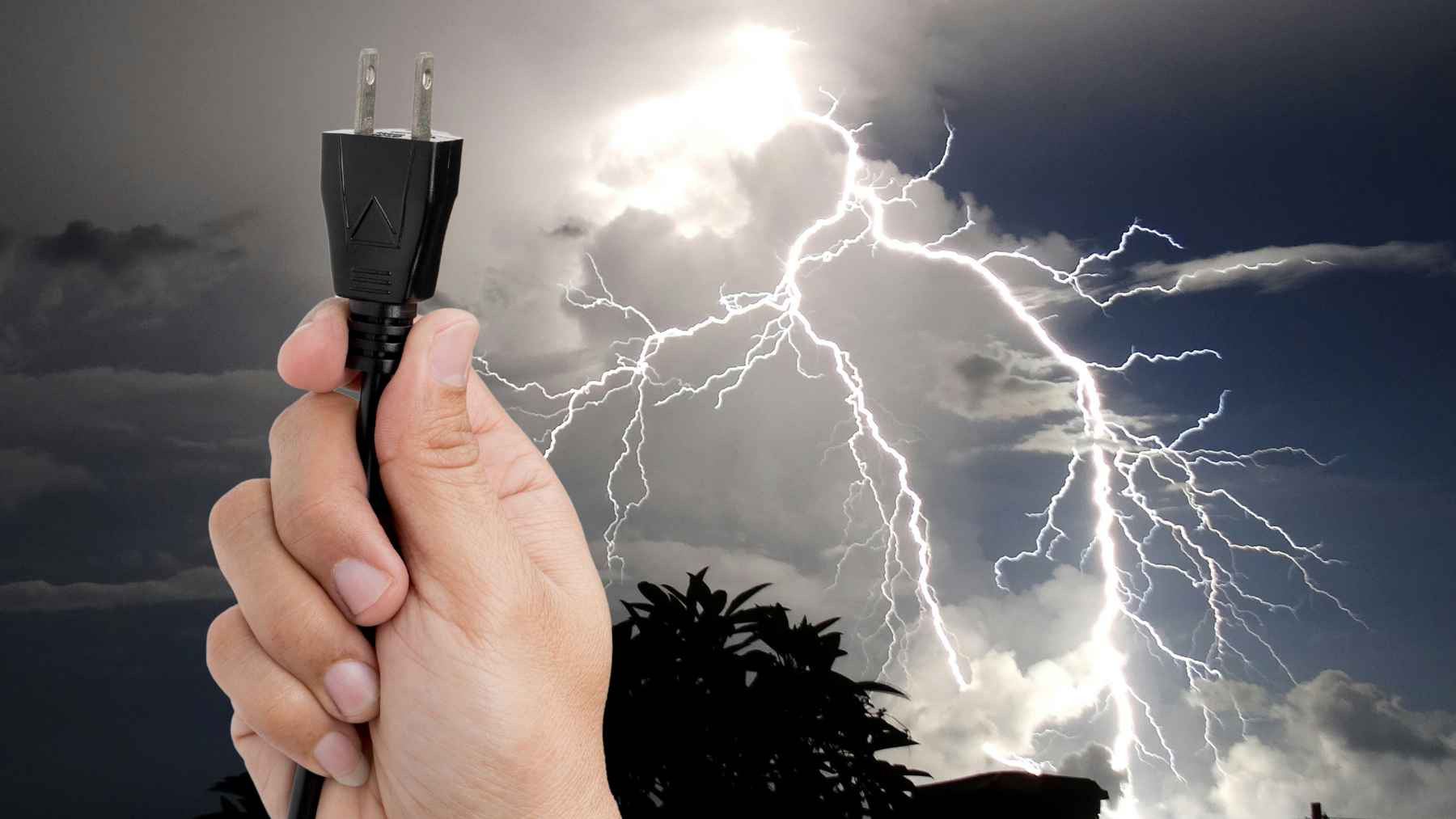
According to the U.S. National Weather Service (NWS), conventional surge protectors cannot provide complete protection against direct lightning strikes. Therefore, the safest measure is still to unplug electronic devices before thunderstorms occur and to limit the use of devices that are plugged in during thunderstorms.
Why can lightning damage electronic devices?
One of the most dangerous causes is a sudden voltage surge. This is a condition where the voltage spikes above normal levels for a very short period. For example, the standard voltage of a household electrical outlet in Vietnam is around 220V, but when a voltage surge occurs, the voltage can far exceed this threshold.
Sudden surges in current can generate significant heat, burning out circuit boards, damaging components, or causing equipment to shut down completely. This isn't limited to lightning strikes. Sudden power outages, grid fluctuations, faulty wiring, or the restarting of high-power equipment can also create dangerous electrical surges.
Most modern electronic devices are not designed to withstand repeated strong electrical surges. Even surge protectors or generators only operate within certain power limits.
Therefore, experts recommend prioritizing unplugging important and valuable devices such as desktop computers, TVs, sound systems, or entire home entertainment systems during thunderstorms.
Staying indoors doesn't guarantee absolute safety.
Many people believe that simply staying indoors completely avoids the risk of being struck by lightning. However, this is an inaccurate belief.
According to the U.S. Centers for Disease Control and Prevention (CDC), about one-third of lightning-related injuries occur indoors. Lightning can enter buildings through electrical wires, metal pipes, wired internet systems, windows, or gaps in walls and roofs.
Even a lightning strike from tens of kilometers away can still have an impact through the electrical transmission system. Concrete can also conduct electricity in some cases due to the presence of metal reinforcement within.
Therefore, during thunderstorms, users should avoid contact with electrical devices that are plugged in, and limit the use of phones that are charging, desktop computers, or other conductive objects in the house.
Ways to protect electronic devices more effectively
In reality, unplugging all electrical appliances in the house every time there's a thunderstorm isn't always feasible. Therefore, the sensible solution is to prioritize protecting the most important appliances.
Users should unplug TVs, computers, internet modems, sound systems, or other valuable electronic devices when a severe weather warning is issued.
Surge protectors are still useful in many situations, but it's important to note that they are not completely resistant to direct lightning strikes.
If the surge protector has ever experienced a significant voltage surge, users should replace it to ensure continued protection.
Additionally, it's advisable to prepare a power bank or backup power source for essential devices such as phones and lighting to minimize reliance on the main power grid during thunderstorms.
For families with many valuable electronic devices, a more effective solution is to install a whole-house surge protection system at the main electrical panel. This system provides an additional layer of protection for the entire electrical network in the house, although the initial investment cost is relatively high and requires a grounding system that meets technical standards.
In summary, unplugging electronic devices during thunderstorms remains a simple yet effective measure to reduce the risk of damage from voltage surges or lightning strikes.
With extreme weather conditions becoming increasingly frequent, this is a necessary habit to protect both equipment and user safety.
Phan Van Hoa