
Should you unplug electronic devices during a thunderstorm?
Every thunderstorm season, many people worry that their phones, TVs, or computers could be damaged by a single lightning strike. So, is it really necessary to unplug electronic devices during thunderstorms?
Lightning doesn't necessarily have to strike a house directly to damage electronic devices. Even if the lightning strike occurs at a considerable distance, it can still generate strong electrical surges that propagate through the electrical system and destroy electronic components inside the devices.
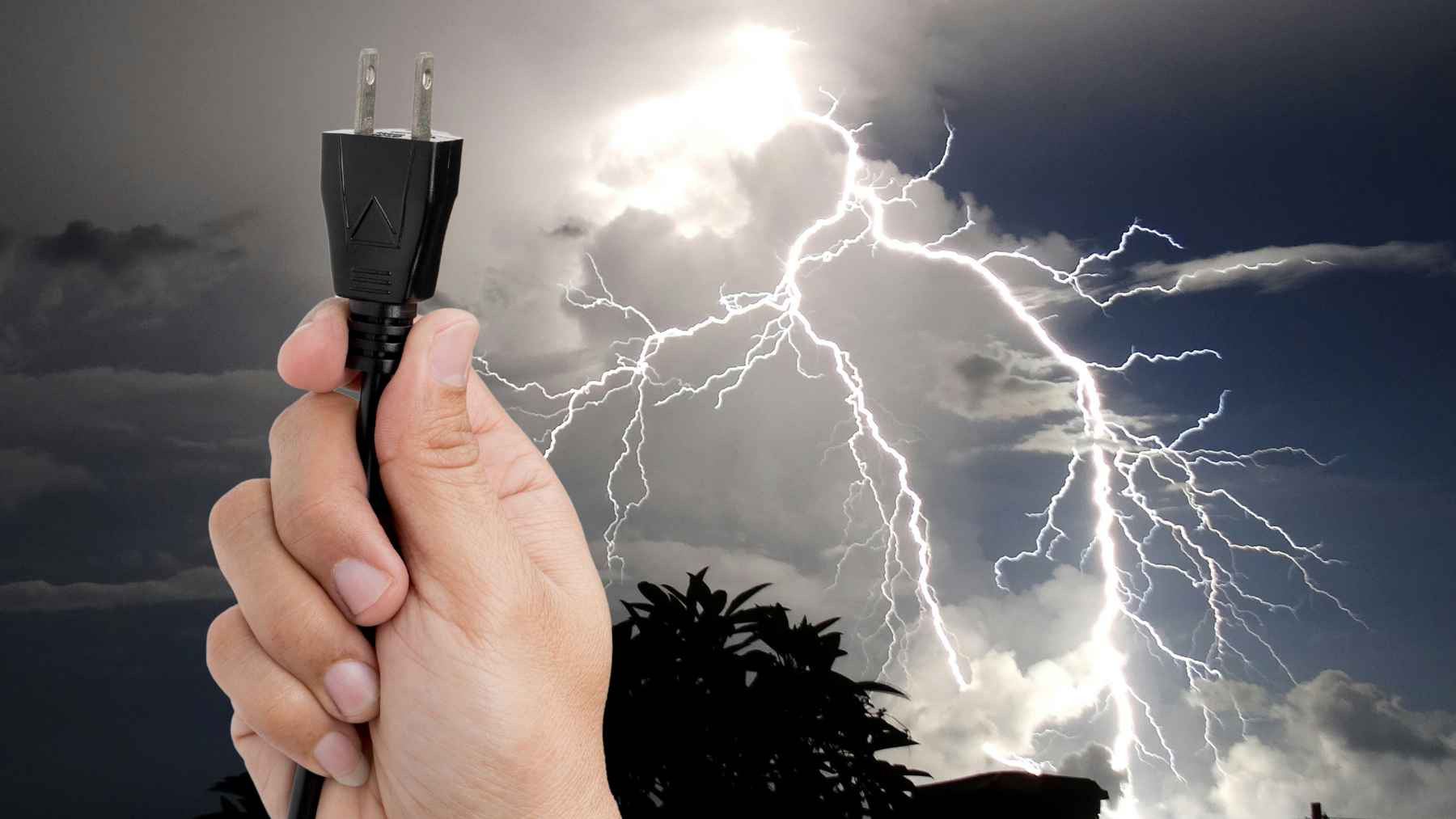
According to the U.S. National Weather Service (NWS), conventional surge protectors cannot provide complete protection against direct lightning strikes. Therefore, the safest measure is still to unplug electronic devices before thunderstorms occur and to limit the use of devices that are plugged in during thunderstorms.
Why can lightning damage electronic devices?
One of the most dangerous causes is a sudden voltage surge. This is a condition where the voltage spikes above normal levels for a very short period. For example, the standard voltage of a household electrical outlet in Vietnam is around 220V, but when a voltage surge occurs, the voltage can far exceed this threshold.
Sudden surges in current can generate significant heat, burning out circuit boards, damaging components, or causing equipment to shut down completely. This isn't limited to lightning strikes. Sudden power outages, grid fluctuations, faulty wiring, or the restarting of high-power equipment can also create dangerous electrical surges.
Most modern electronic devices are not designed to withstand repeated strong electrical surges. Even surge protectors or generators only operate within certain power limits.
Therefore, experts recommend prioritizing unplugging important and valuable devices such as desktop computers, TVs, sound systems, or entire home entertainment systems during thunderstorms.
Staying indoors doesn't guarantee absolute safety.
Many people believe that simply staying indoors completely avoids the risk of being struck by lightning. However, this is an inaccurate belief.
According to the U.S. Centers for Disease Control and Prevention (CDC), about one-third of lightning-related injuries occur indoors. Lightning can enter buildings through electrical wires, metal pipes, wired internet systems, windows, or gaps in walls and roofs.
Even a lightning strike from tens of kilometers away can still have an impact through the electrical transmission system. Concrete can also conduct electricity in some cases due to the presence of metal reinforcement within.
Do đó, khi có giông sét, người dùng nên tránh tiếp xúc với các thiết bị điện đang cắm nguồn, hạn chế sử dụng điện thoại cắm sạc, máy tính để bàn hoặc các vật dẫn điện trong nhà.
Cách bảo vệ thiết bị điện tử hiệu quả hơn
Trên thực tế, việc rút toàn bộ thiết bị điện trong nhà mỗi khi có giông sét là điều không phải lúc nào cũng khả thi. Vì vậy, giải pháp hợp lý là ưu tiên bảo vệ các thiết bị quan trọng nhất.
Người dùng nên rút nguồn TV, máy tính, modem internet, dàn âm thanh hoặc các thiết bị điện tử giá trị cao khi có cảnh báo thời tiết xấu.
Các ổ cắm chống sét lan truyền vẫn hữu ích trong nhiều trường hợp, nhưng cần lưu ý rằng chúng không thể chống chịu hoàn toàn trước cú sét đánh trực tiếp.
Nếu ổ cắm chống sét từng gặp hiện tượng tăng áp mạnh, người dùng cũng nên thay mới để đảm bảo khả năng bảo vệ.
Ngoài ra, nên chuẩn bị pin sạc dự phòng hoặc nguồn điện dự phòng cho các thiết bị cần thiết như điện thoại và đèn chiếu sáng để hạn chế phụ thuộc vào nguồn điện lưới trong lúc giông sét.
Đối với những gia đình có nhiều thiết bị điện tử giá trị cao, giải pháp hiệu quả hơn là lắp đặt hệ thống chống sét lan truyền toàn nhà tại bảng điện chính. Hệ thống này giúp tạo thêm lớp bảo vệ cho toàn bộ mạng điện trong nhà, dù chi phí đầu tư ban đầu tương đối cao và yêu cầu hệ thống tiếp địa đạt chuẩn kỹ thuật.
Tóm lại, việc rút phích cắm thiết bị điện tử khi có giông sét vẫn là biện pháp đơn giản nhưng hiệu quả để giảm nguy cơ hư hỏng do tăng áp hoặc sét lan truyền.
Trong điều kiện thời tiết cực đoan ngày càng xuất hiện thường xuyên, đây là thói quen cần thiết để bảo vệ cả thiết bị lẫn sự an toàn của người sử dụng./.


