
Keep the "ruler" straight to maintain discipline and maintain belief.
For inspection and supervision work to be effective, it must first begin with the impartiality, integrity, and honesty of the officials involved. In Nghe An, along with the innovation of inspection and supervision methods towards a proactive approach, from early on and from afar, the requirement for self-improvement among those working in inspection is becoming increasingly evident.
Take proactive steps to prevent violations.
The inspector holds a special "ruler" in their hand; with this ruler, they assess right and wrong, determine responsibility, and recommend disciplinary action for shortcomings and violations by Party organizations and members. Some conclusions directly affect the reputation, honor, and even the career of an official. Therefore, a seemingly simple but thought-provoking question arises: If the ruler is crooked, who will notice? First and foremost, it must be the person holding it.
The "measure" of an inspector is not only regulations, procedures, and legal grounds, but also character, impartiality, integrity, knowledge, experience, and methodology. A lack of impartiality leads to biased judgments; a lack of character can be influenced by relationships, power, or self-interest; a lack of knowledge may result in seeing the phenomenon but not recognizing its essence; and a lack of methodology may lead to incorrect identification of responsibility, extent, and causes. Therefore, the qualities of an inspector are not requirements separate from the job itself, but are an integral part of the quality of the job.
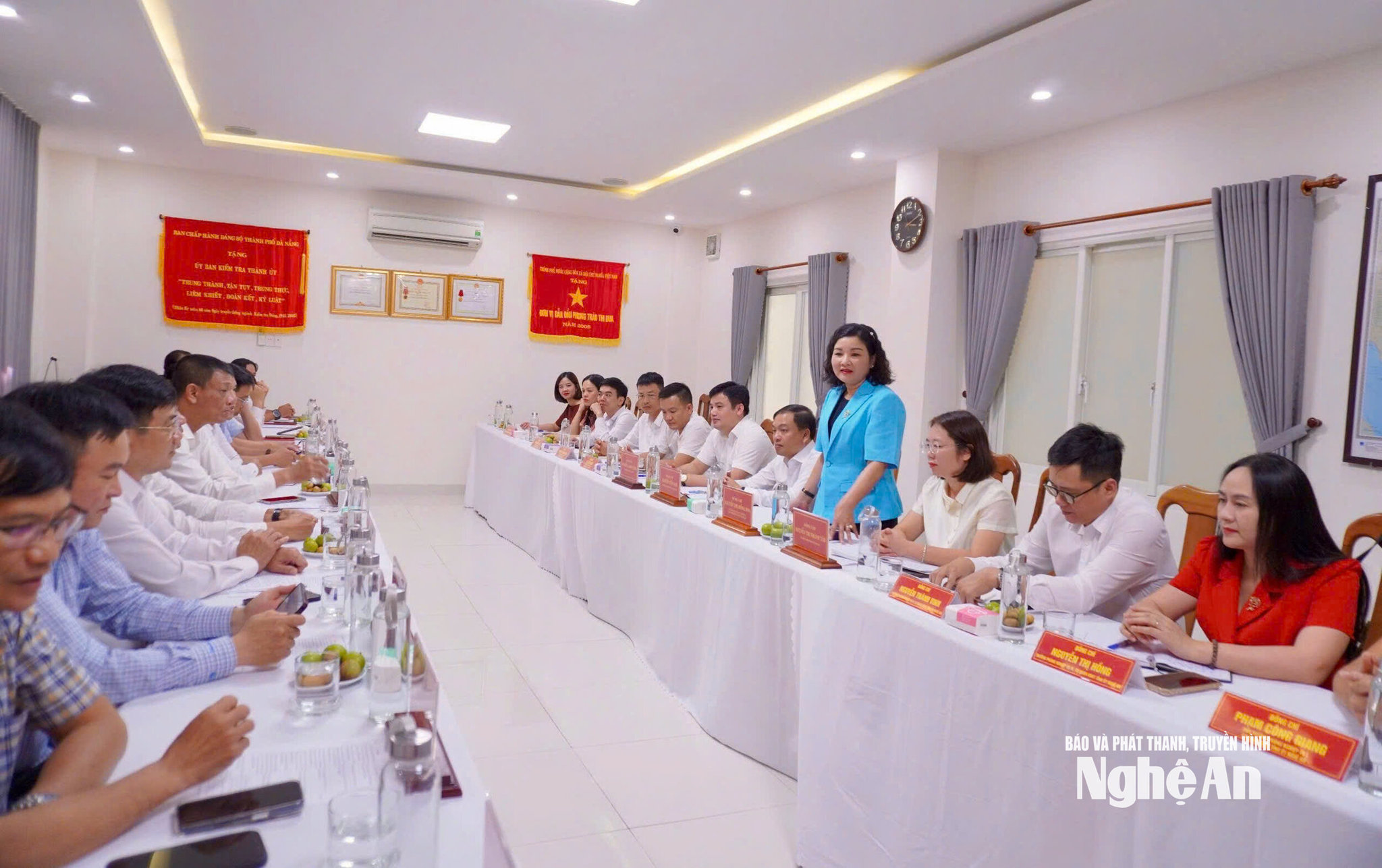
Resolution No. 05-NQ/TW dated April 7, 2026, of the Central Committee on reforming and improving the effectiveness of Party inspection, supervision, and discipline, sets forth the requirement to improve the quality, effectiveness, and efficiency of inspection and supervision work; strengthen control over power; proactively grasp the situation; prevent problems early and from afar; and at the same time, identify and protect positive factors and cadres who dare to think and act for the common good. This requires inspectors not only to have a straight "ruler" but also to be sufficiently qualified and sensitive to identify deviations when they first appear.
One of the notable changes today is that inspection and supervision work is shifting from a "wait until it happens" mindset to proactively monitoring the situation, regularly identifying risks, and promptly correcting them. The value of inspection, therefore, lies not only in detecting and handling violations but also in its ability to prevent violations from occurring.
The practice in Nghe An shows that this method is being implemented more and more clearly. From the beginning of 2026, the Provincial Party Standing Committee organized 14 specialized monitoring teams on key tasks such as implementing the two-tiered local government model, developing science and technology, digital transformation, disaster relief, and implementing key programs and projects; simultaneously, it organized 13 monitoring teams on the implementation of resolutions, action programs, and the development and implementation of Party committee regulations. Following the monitoring, the Provincial Party Standing Committee issued 6 directives to focus leadership, guidance, and address difficulties and obstacles in the implementation process.
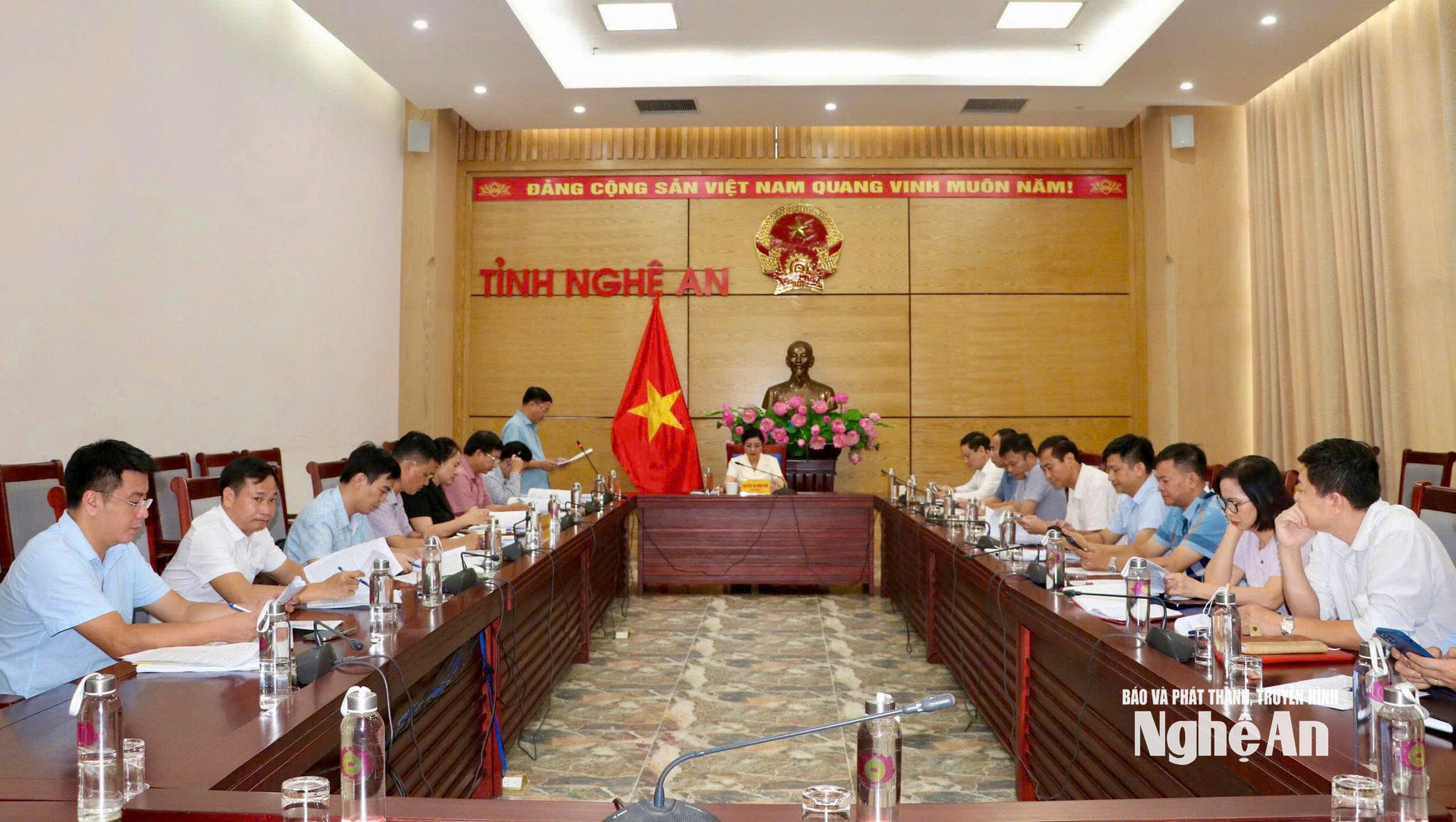
In 2025 and the first nine months of 2026, the Inspection Committees at all levels in Nghe An province conducted inspections when there were signs of violations involving 47 Party organizations and 89 Party members, including 53 Party members who were members of Party committees at various levels; they also inspected the implementation of inspection, supervision, and disciplinary tasks of the Party in 1,698 Party organizations. Disciplinary action was taken against 5 Party organizations and 158 Party members, including 64 Party committee members.
But the numbers regarding inspections and disciplinary actions only reflect a part of the results. More importantly, after the inspections, shortcomings are identified and corrected, risks are warned about, discipline is strictly enforced, and the Party organization functions better.
To do this, inspectors must be able to distinguish between signs and conclusions. A complaint is not a conclusion; an unusual occurrence does not necessarily mean a violation. There are cases that initially seem clear, but when comparing records, timelines, regulations, and hearing from multiple perspectives, the true nature of the situation may differ from the initial assessment. At that point, the most difficult thing is sometimes not reading more documents, but daring to re-examine one's own thinking.
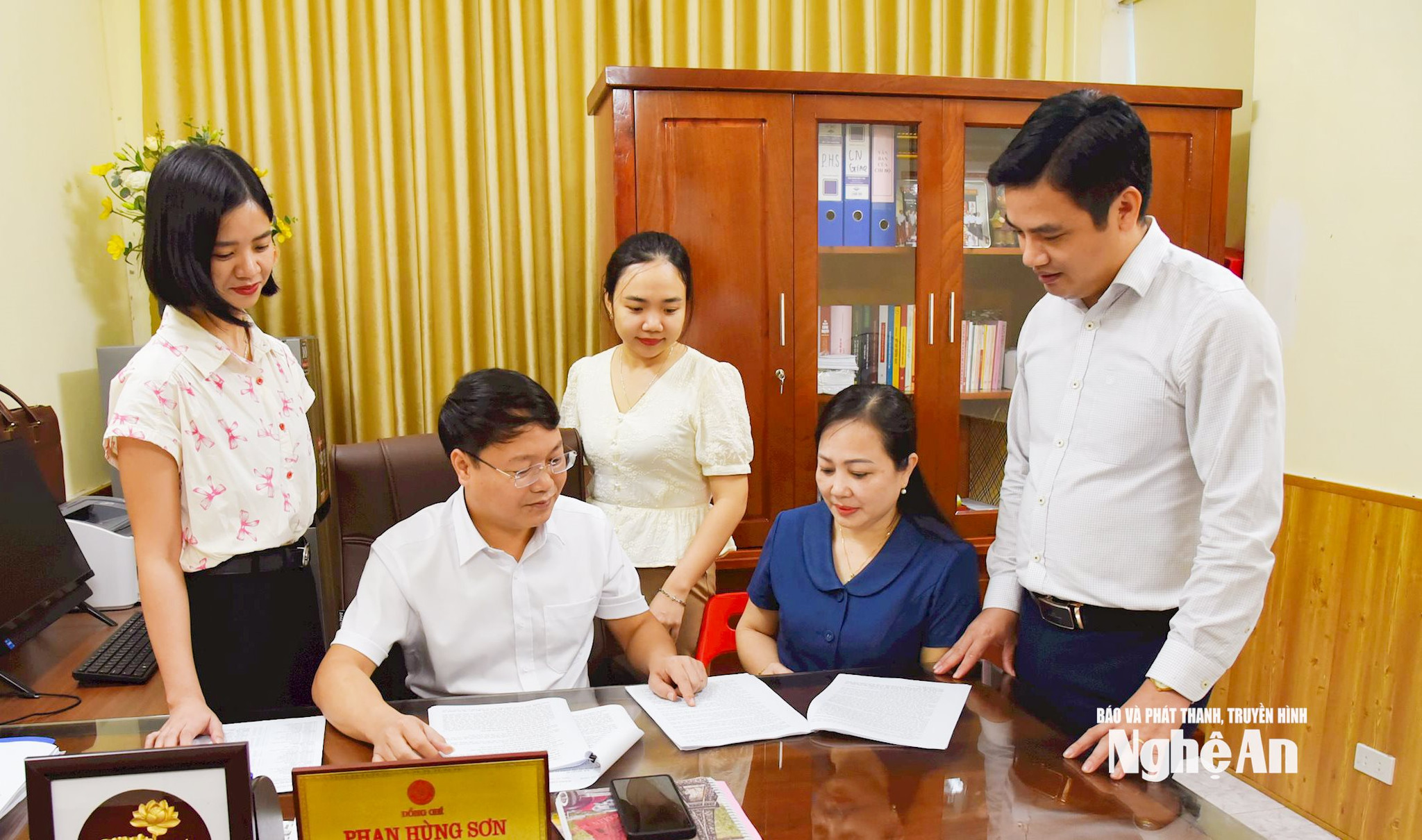
Mục đích của kiểm tra không phải để chứng minh người kiểm tra đã đúng ngay từ đầu, mà là đi đến gần nhất với sự thật, xác định đúng bản chất, đúng trách nhiệm, đúng mức độ và đúng nguyên nhân. Vì thế, người làm kiểm tra phải biết thắng định kiến, cảm tính, cái tôi, sự nể nang và tâm lý ngại va chạm. Trước khi hỏi “ai đúng, ai sai?”, cần biết hỏi: “Còn điều gì mình chưa biết?”.
Công tâm cũng không có nghĩa là chỉ “không thiên vị”, mà công tâm là nhìn một sự việc trong đầy đủ hoàn cảnh nhưng vẫn giữ nguyên tắc, có tình không có nghĩa là bỏ qua cái sai; nghiêm cũng không đồng nghĩa với quy chụp. Người cán bộ kiểm tra phải phân biệt đâu là sự tùy tiện, vụ lợi; đâu là hạn chế trong quá trình thực hiện một nhiệm vụ mới, khó; đâu là trách nhiệm cá nhân và đâu là bất cập của cơ chế cần kiến nghị sửa đổi.
Đây là yêu cầu càng trở nên rõ nét trong quá trình thực hiện những nhiệm vụ mới, tổ chức bộ máy mới và các cơ chế quản lý mới. Một quyết định nếu tách khỏi thời điểm pháp lý, điều kiện thực hiện và thẩm quyền cụ thể có thể dẫn đến cách nhìn khác. Một hạn chế có thể xuất phát từ chủ quan, nhưng cũng có thể liên quan đến quy định chồng chéo hoặc những vấn đề khách quan. Vì vậy, kết luận kiểm tra có sức thuyết phục không chỉ bởi viện dẫn đúng quy định, mà bởi cả quá trình kiểm chứng tài liệu, đặt sự việc đúng bối cảnh, cá thể hóa trách nhiệm và làm rõ nguyên nhân.
Người kiểm tra cũng phải được kiểm tra
Công tác kiểm tra, giám sát gắn với quyền xem xét, đánh giá, kết luận và kiến nghị xử lý đối với tổ chức đảng, đảng viên. Nếu kiểm tra là một công cụ để kiểm soát quyền lực thì quyền lực của chính người làm công tác kiểm tra cũng phải được kiểm soát. Quy định số 131-QĐ/TW của Bộ Chính trị về kiểm soát quyền lực, phòng, chống tham nhũng, tiêu cực trong công tác kiểm tra, giám sát và thi hành kỷ luật Đảng đặt ra yêu cầu rõ ràng về vấn đề này.
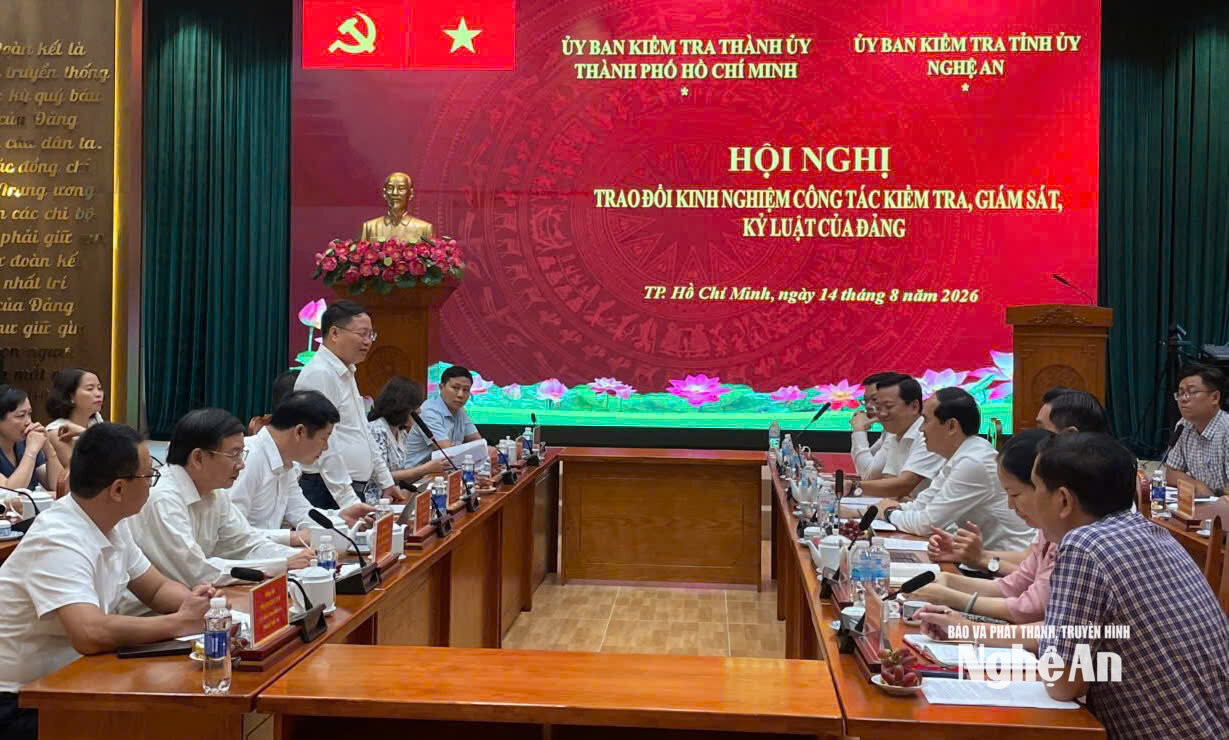
Quy định, quy trình và sự giám sát của tổ chức là những hàng rào cần thiết. Nhưng có một tầng kiểm soát không quy định nào có thể thay thế hoàn toàn: Sự tự kiểm soát từ bên trong mỗi cán bộ. Đó là liêm chính nghề nghiệp, là biết giữ khoảng cách trước những quan hệ có thể tác động đến công việc, biết từ chối những tác động không phù hợp, chấp nhận va chạm để bảo vệ sự thật và nguyên tắc.
Một tổ chức muốn trong sạch cần những người dám kiểm tra. Nhưng để hoạt động kiểm tra thực sự trong sạch, cần những người dám kiểm tra chính mình.
Ở Nghệ An, yêu cầu nâng cao chất lượng đội ngũ cán bộ kiểm tra đang được đặt song song với đổi mới phương thức hoạt động. Cơ quan Ủy ban Kiểm tra Tỉnh ủy được xác định là cơ quan chuyên trách tham mưu, giúp việc Tỉnh ủy, Ban Thường vụ Tỉnh ủy và Ủy ban Kiểm tra Tỉnh ủy thực hiện nhiệm vụ kiểm tra, giám sát và thi hành kỷ luật Đảng; đồng thời nghiên cứu, ứng dụng công nghệ thông tin, chuyển đổi số trong công tác kiểm tra, giám sát, kỷ luật Đảng.
Năm 2025 và 9 tháng đầu năm 2026, ngành Kiểm tra Đảng Nghệ An phối hợp, tổ chức 5 lớp tập huấn bằng hình thức trực tiếp và trực tuyến để hướng dẫn quản lý, khai thác, sử dụng các phần mềm cho cán bộ, công chức cơ quan Ủy ban Kiểm tra Tỉnh ủy và ủy ban kiểm tra các đảng ủy trực thuộc Tỉnh ủy; 4 lớp tập huấn, bồi dưỡng nghiệp vụ kiểm tra, giám sát và thi hành kỷ luật của Đảng cho 1.250 cán bộ là thường trực cấp ủy và cán bộ làm công tác kiểm tra trong toàn tỉnh; cử 77 cán bộ làm công tác kiểm tra tham gia lớp nghiệp vụ cơ bản và nghiệp vụ nâng cao tại UBKT Trung ương. Nội dung bồi dưỡng tập trung vào nghiệp vụ kiểm tra, giám sát, công tác nắm tình hình, giám sát thường xuyên, kiểm soát tài sản, thu nhập và chuyển đổi số. Đây không chỉ là việc nâng cao kiến thức mà còn cho thấy sự chuyển đổi trong tư duy hoạt động của ngành Kiểm tra Đảng.
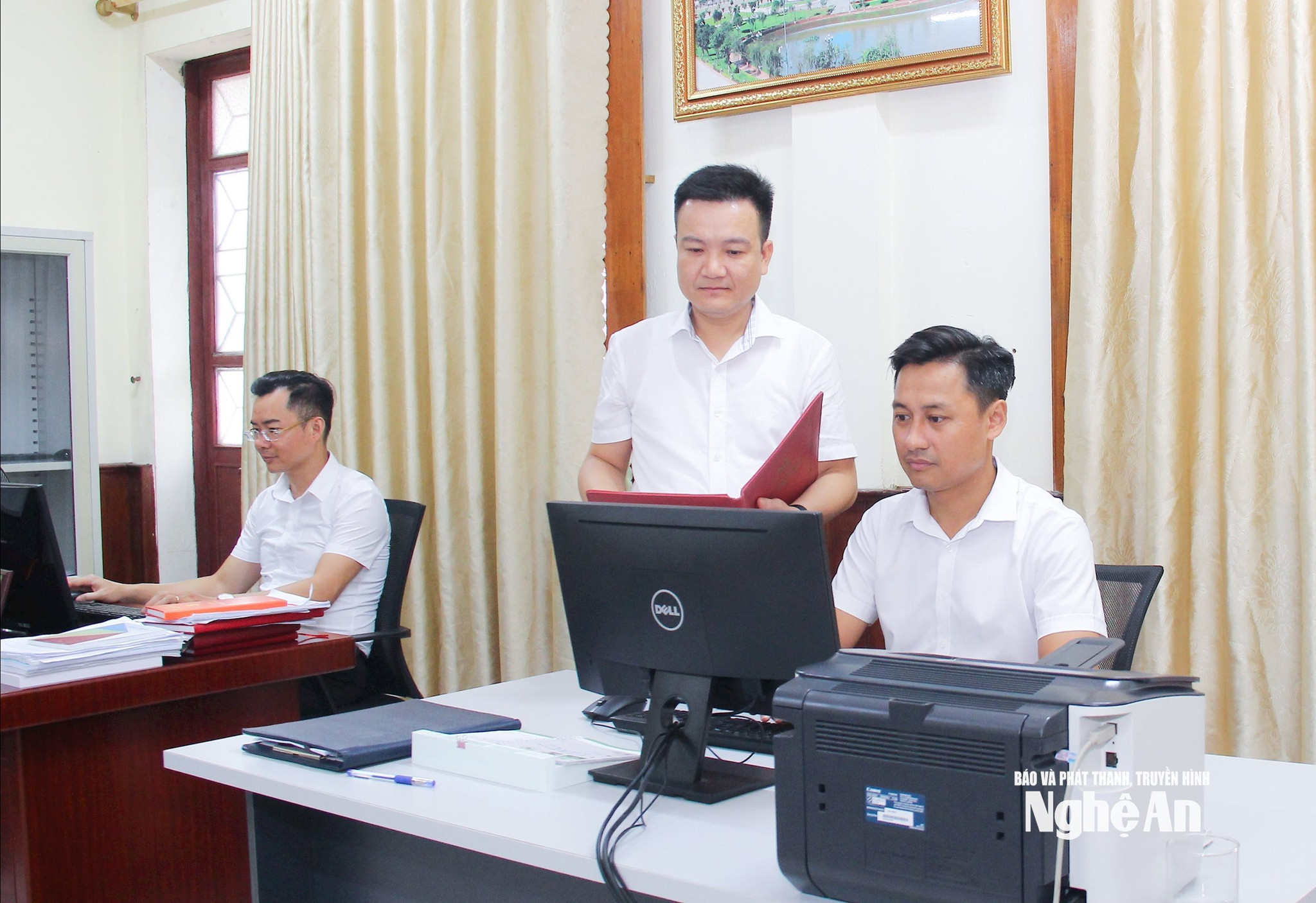
"Data-driven inspection and monitoring" is becoming the new direction. Properly connected and utilized data can help identify consistently delayed tasks, recurring defects, or anomalies that appear over time. Technology can make the "ruler" more precise, but it cannot replace the person holding it. Data can point to anomalies but cannot determine the motives; systems can warn of risks but cannot replace the human factor in considering evidence, circumstances, and principles to reach a conclusion.
Therefore, the more data there is, the more discernment is required. An anomaly does not automatically mean a violation has occurred. Technology can assist in professional work, but it cannot automatically make officials more impartial. That still begins with self-discipline.
Self-improvement is also demonstrated in seemingly small things: the attitude when hearing opinions that contradict one's own; caution regarding a detail that could affect a person's honor or reputation; keeping confidential information that has not yet been released; or rereading a file because there is still a point of uncertainty. These things may not appear in the report, but they contribute to determining whether a conclusion is trustworthy or not.
Each inspection brings to a close the files. But behind it lies the reputation of a Party organization, the honor and career of an official, a shortcoming that is promptly corrected, or a violation that must be dealt with severely. Therefore, the effectiveness of inspection work cannot be measured solely by the number of inspections or the number of cases processed. Some inspections are valuable because they uncover violations; others are even more valuable because they prevent a shortcoming from becoming a violation. Some conclusions are necessary to uphold discipline, but others are essential to affirm that a complaint is unfounded, to protect the person being complained about, and to uphold what is right.
In the process of Party building and rectification, the requirement to strictly maintain discipline always goes hand in hand with the requirement to protect what is right and encourage cadres to dare to think and act for the common good. To achieve this, inspection cadres must have sufficient courage to avoid favoritism and avoidance, but also to avoid prejudice; to be resolute in dealing with wrongdoings but not extreme in dealing with people; and to strictly uphold principles while fully understanding the circumstances and realities.
Ultimately, the question for inspectors remains: "Is the ruler I'm holding truly straight?" Straight in the face of relationships, interests, pressures, and even my own biases. But being straight isn't enough; that ruler must also be accurate in its knowledge, solid in its professional skills, and closely aligned with reality.
Because inspectors are not only responsible for what they discover, but also for fairness in their assessment of individuals, organizations, and events. Therefore, cultivating a straight "ruler" is not only a requirement of professional ethics. It is also a way to control power from within, protecting the integrity of Party discipline through the honesty of those enforcing it. To scrutinize others, one must first examine oneself; to maintain discipline, one must first maintain self-control. And for the ruler to accurately measure people's hearts, it must first be straight in the hands of the person holding it.
Nguyen Thi Hong - Inspection Committee of Nghe An Provincial Party Committee