

It is projected that from now (mid-October) to the end of 2022, businesses in industrial parks and the Southeast Economic Zone will need more than 10,000 additional workers. This information was presented at the "Workshop on connecting supply and demand, training human resources for businesses in the Southeast Economic Zone and industrial parks in the province," jointly organized last week by the Management Board of the Southeast Economic Zone of Nghe An and the Department of Labor, War Invalids and Social Affairs.
The workshop also highlighted the labor demand in the economic zones and industrial parks of Nghe An province for the period 2022-2025, estimated at approximately 80,000-100,000 workers. Many foreign-invested enterprises are in need of labor. The specific details of this labor demand convey a very useful message about employment and income for workers in Nghe An province and neighboring provinces. Naturally, workers seeking employment must meet the training requirements of the businesses. Workers don't necessarily need college or university degrees, but they must be trained in the technical skills required by each enterprise. In short, workers must learn a trade before jobs become available.
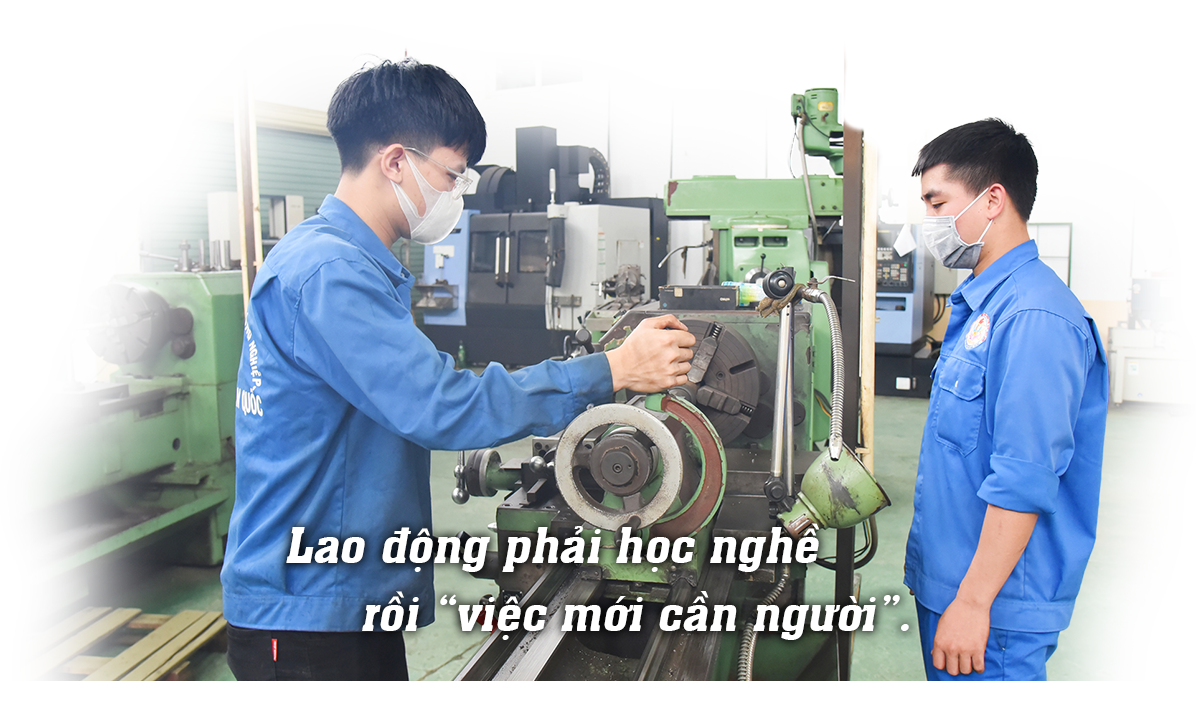
The need for workers is not limited to industrial zones and businesses; many rural areas are also complaining about labor shortages. This is because young people are leaving for work elsewhere, while agriculture and rural areas are accelerating modernization and increasing the application of science and technology in production and livestock farming. Meanwhile, in rural areas, many middle-aged and older workers are struggling to keep up with the adoption of new science and technology.
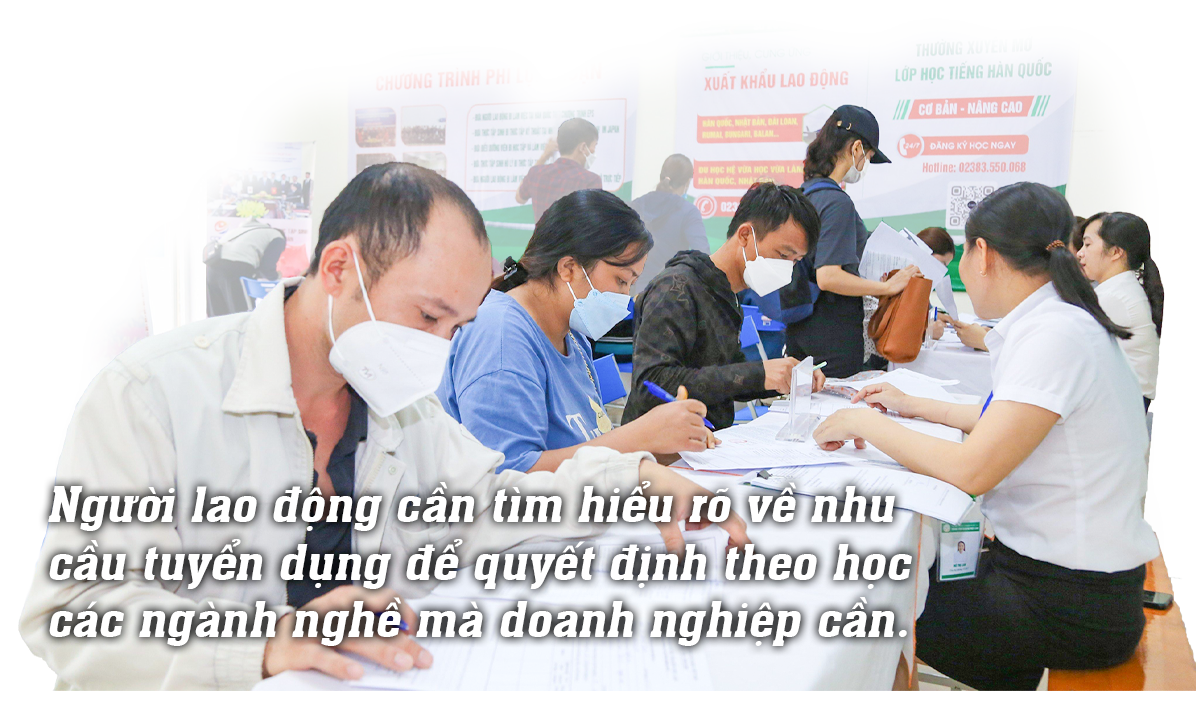
There was a time when many workers from our hometown flocked to the South and North to find jobs. Many achieved success after leaving their hometowns. However, most of those who went to work far from home only earned enough to get by, and it was difficult for them to become wealthy. During the years of the Covid-19 pandemic, we saw that many workers returned home with little savings. Therefore, the job postings mentioned above present a great opportunity for workers from all regions to "leave farming but not leave their hometown." However, the key is that each person needs to thoroughly understand the recruitment needs to decide on the fields of study that businesses require, thereby taking advantage of the opportunity to find employment and a stable income. At the very least, even for unskilled labor, businesses prioritize hiring people who know foreign languages, especially English, Chinese, and Japanese.
Article by: Nguyen Nguyen
Illustrative image: Archival material