

Smoking is a major cause of many cardiovascular diseases.
Of all the causes of heart disease, smoking is one of the most significant and preventable.
Through various mechanisms,smokeSmoking is a major cause of cardiovascular diseases. It first manifests as atherosclerosis, which increases blood cell adhesion and arrhythmias; it also reduces oxygen circulation. Smokers face these risks more frequently than non-smokers. Among heart diseases, smokers have the highest risk of hypertension, coronary artery disease, angina, arrhythmias, and heart attacks.
High blood pressure
Within minutes of smoking, the heart rate begins to increase. The heart rate can rise by up to 30% and return to normal within 10 minutes of smoking. In response to this stimulation, blood vessels constrict, forcing the heart to work harder to pump oxygen. Repeated smoking not only increases blood pressure but also causes blood pressure fluctuations. When blood pressure rises, this itself contributes to heart disease, and even more dangerously, high blood pressure can lead to serious damage to the heart.
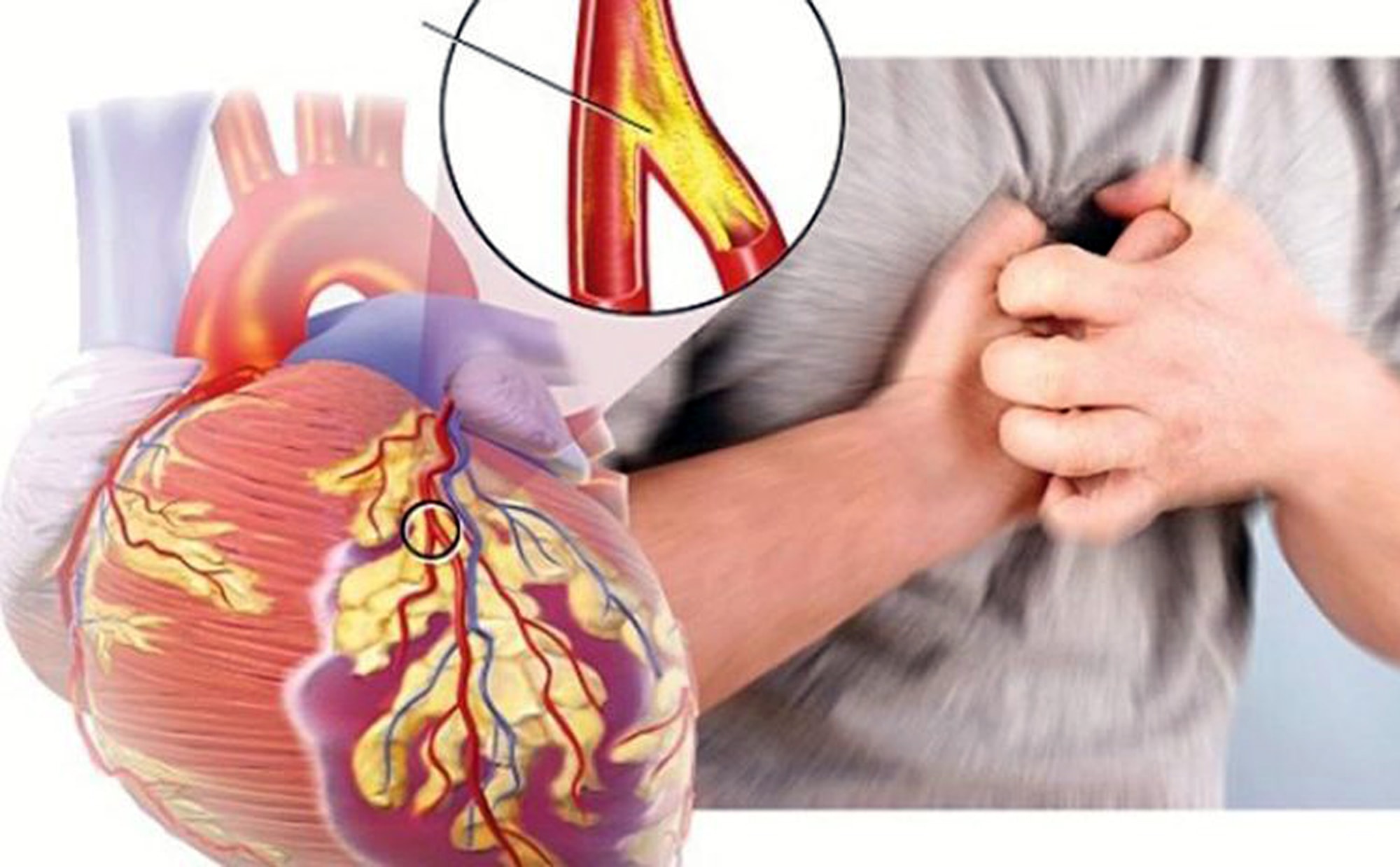
Heart disease caused by weakened coronary arteries.
Heart disease caused by weakened coronary arteries accounts for more than half of all heart-related diseases that are linked to smoking. Smoking is a potential risk factor for developing atherosclerosis, which leads to heart disease. Atherosclerosis is caused by the buildup of fatty deposits in the arteries, obstructing and narrowing the arteries that supply blood to the heart muscle. These deposits reduce blood flow and can increase blood pressure. Smoking affects several other aspects of heart disease, so even a small amount of tobacco per day significantly increases the risk.
A study of nurses showed that those who smoked four cigarettes a day had a 2.5 times higher risk of developing coronary artery disease. The risk of heart disease is a combination of high blood pressure and high cholesterol levels. Overall, smokers have a 2 to 4 times higher risk of developing heart disease and a 70% greater risk of dying from these diseases compared to non-smokers.
Angina and heart attack
Angina pectoris, also known as ischemic heart disease, is caused by a reduced blood supply to the heart. Long-term smoking damages the endothelium of blood vessels, leading to chronic constriction. Affected blood vessels are more prone to plaque formation. This plaque creates conditions for blood clots to form, obstructing arteries and causing heart attacks. If the heart muscle does not receive enough oxygen during contraction, a portion of the heart muscle may become paralyzed, resulting in a heart attack. Long-term smokers are more likely to experience angina and heart attacks than non-smokers. Smokers not only suffer more heart attacks than non-smokers, but they also experience heart attacks earlier and more frequently throughout their lives. It is estimated that smoking increases the risk of recurrent heart attacks within a year by 6.3-12.5% compared to non-smokers.
A study by the Vietnam National Heart Institute compared 165 patients who smoked and their heart attack risk. All patients experienced some symptoms of heart attack at the same time of the study. The results showed that the risk of myocardial infarction was higher in smokers than in non-smokers (62.8% and 18.2% respectively). Increased risk of diabetes and high blood pressure was also found among smokers.
Cardiac arrhythmias and sudden death
SmokeSmoking can affect the body's normal functioning by increasing natural chemicals in the body. This impact can cause arrhythmias, or irregular heartbeats. Smokers are often at risk of developing a dangerous arrhythmia called ventricular fibrosis and impaired brain function. These arrhythmias can increase the risk of death from heart attacks.
Aortic aneurysm
Smokers are at a higher risk of developing atherosclerotic plaques in the aorta, the artery that carries oxygen-rich blood from the heart to the rest of the body. If the aorta is weakened by these plaques, an aneurysm can form, and the weakened walls of the aorta can rupture. Smokers are eight times more likely to develop an aneurysm than non-smokers.
Cardiomyopathy
Heart disease is widespread, affecting the heart muscle, and those afflicted often experience severe fatigue and shortness of breath. Heart transplantation is necessary for survival because the weakened heart loses its ability to perform its functions. Numerous studies have found that smokers have a higher risk of developing cardiomyopathy than non-smokers.