
Smoking is a major cause of many lung diseases.
Smoking is known to be the most common cause of lung cancer. In addition, smoking is linked to 90% of all lung disease cases.
Lung cancer
In most countries,cigaretteIt is the cause of over 90% of lung cancer deaths. In fact, lung cancer was a rare disease before the widespread use of certain drugs.cigaretteIt has become widespread. Over the past 60 years, the rate of lung cancer has increased significantly along with the increase in the number of smokers.
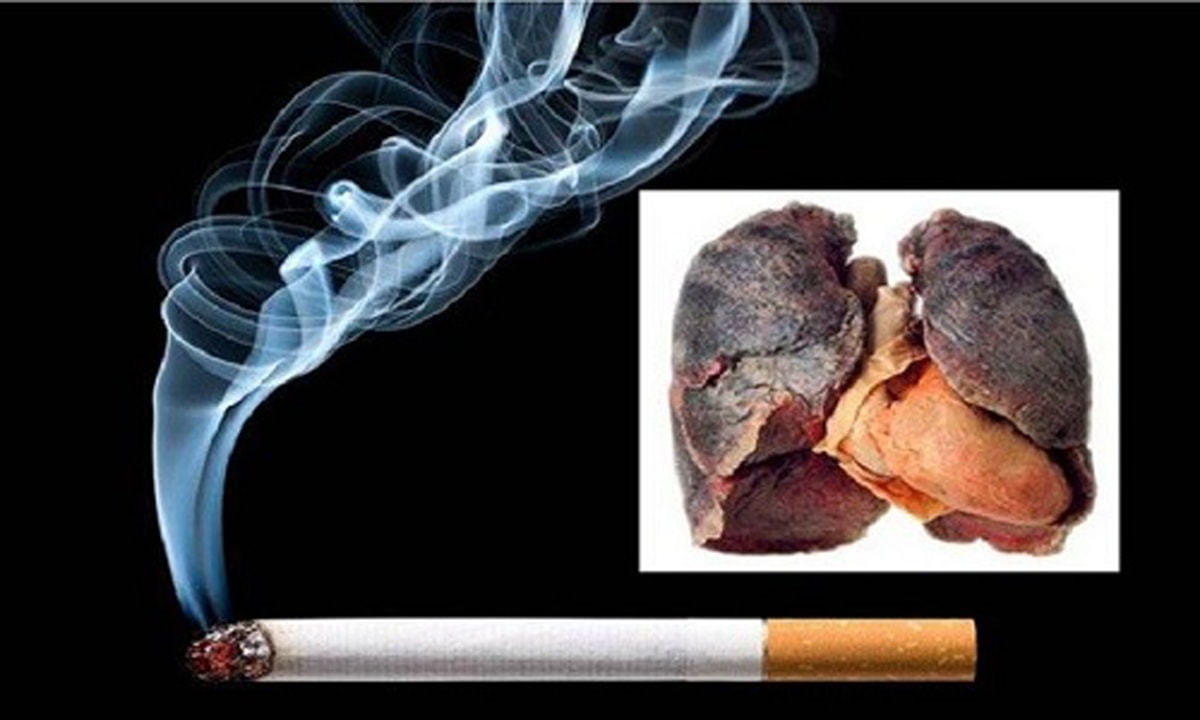
On average, smokers have a 5 to 10 times higher risk of lung cancer. Numerous studies have identified three key trends: increased risk with the number of cigarettes smoked per day; increased risk with the duration of smoking (measured in years); and increased risk for those who started smoking at a young age.
Chronic obstructive pulmonary disease
Chronic obstructive pulmonary disease (COPD) is a disease classification referring to the effects on the lungs associated with airway obstruction. The two main forms of COPD are chronic bronchitis and emphysema. Smoking is the leading cause of both diseases.
The association between medication use and chronic obstructive pulmonary disease (COPD) is as strong as the association between smoking and lung cancer. Because smokers generally have more impaired bronchial mucosal function than non-smokers, they are more vulnerable to environmental factors, infections, and toxic fumes.
It is estimated that smokers are 10 times more likely to develop chronic obstructive pulmonary disease (COPD) than non-smokers, and tobacco use may be linked to most COPD deaths.
Hen
In smokers, asthma is more severe. Asthma sufferers experience increased mucus production, reduced ciliary function, increased susceptibility to infections and allergies, and impaired airflow in the small airways.
One study found that the mortality rate from asthma among current or former smokers was double that of non-smokers.
Respiratory tract inflammation
Smoking weakens the body's immune system. Smokers have a higher risk of respiratory infections such as pneumonia and the flu than non-smokers.
Smokers not only suffer from more illnesses, but they also suffer from more severe illnesses. Studies show that smokers experience symptoms such as coughing, excessive phlegm, and wheezing more often than non-smokers.


