

Nghe An prevents new disease outbreaks after the storm.
Disease prevention and control efforts following storms, especially after Typhoon No. 5, are being implemented effectively in Nghe An province. There are no new outbreaks of disease throughout the province.
Clean up as the water recedes.
Flooding caused by Typhoon No. 5 inundated 25 households in Chau Binh commune. Immediately after the water receded, the station...MedicalChau Binh commune has implemented environmental sanitation activities, treated domestic water, and prevented and controlled various diseases.pandemicfor these households.
According to Dr. Vi Thi Hien, Head of Chau Binh Commune Health Station: After storms and heavy rains, water sources often become contaminated, creating favorable conditions for bacteria, viruses, and parasites to thrive, leading to the spread of diseases.
Common illnesses include skin diseases (rashes, boils, fungal infections of the hands and feet, athlete's foot, scabies, dermatitis, folliculitis, etc.), intestinal and digestive tract diseases (diarrhea, cholera, typhoid), eye diseases (conjunctivitis, trachoma), and gynecological diseases caused by bathing in contaminated water.
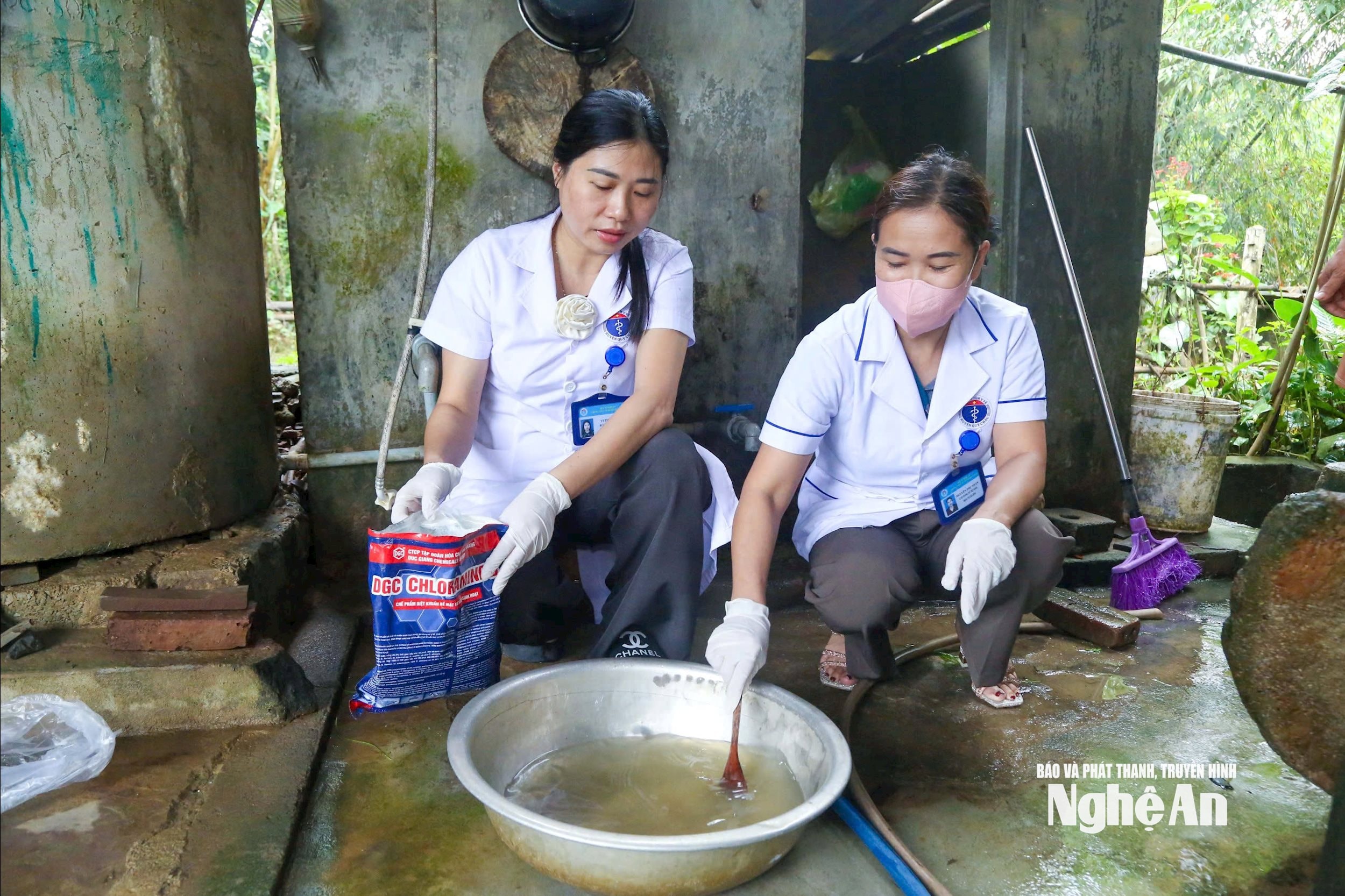
On August 28th, immediately after receiving additional Chloramine B and Aquatabs from the Quy Chau Health Center, the Chau Binh Commune Health Station implemented disease prevention and control activities for the local people.
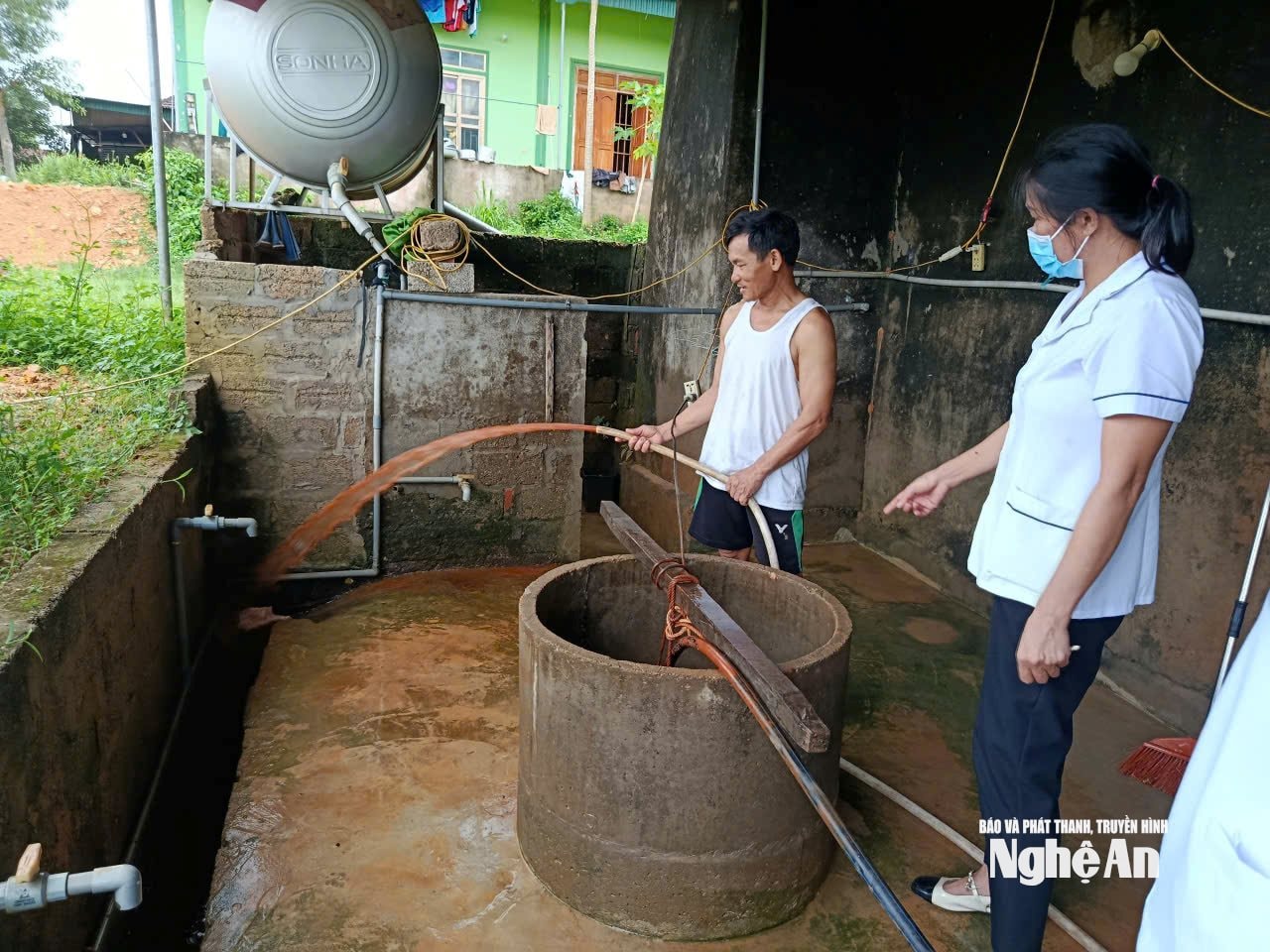
The station dispatched medical staff to coordinate with village health workers to organize disinfection spraying and directly educate and guide flooded households on cleaning their wells and pumping stations, and disinfecting water with chemicals; at the same time, they provided medical examinations and treatment for people in flooded areas who, due to difficult circumstances, could not go to medical facilities on their own.
With direct guidance and support from doctors and medical staff regarding environmental sanitation and water sources, Mr. and Mrs. Nguyen Huu Phuoc and Luong Thi Oanh, from Ke Khoang village, shared: "During typhoon No. 5, the water flooded into our house to a height of 1.2 meters. Thanks to the medical staff who came to our house to help with sanitation and disease prevention, and to ensure we have access to clean water, our family is very grateful."
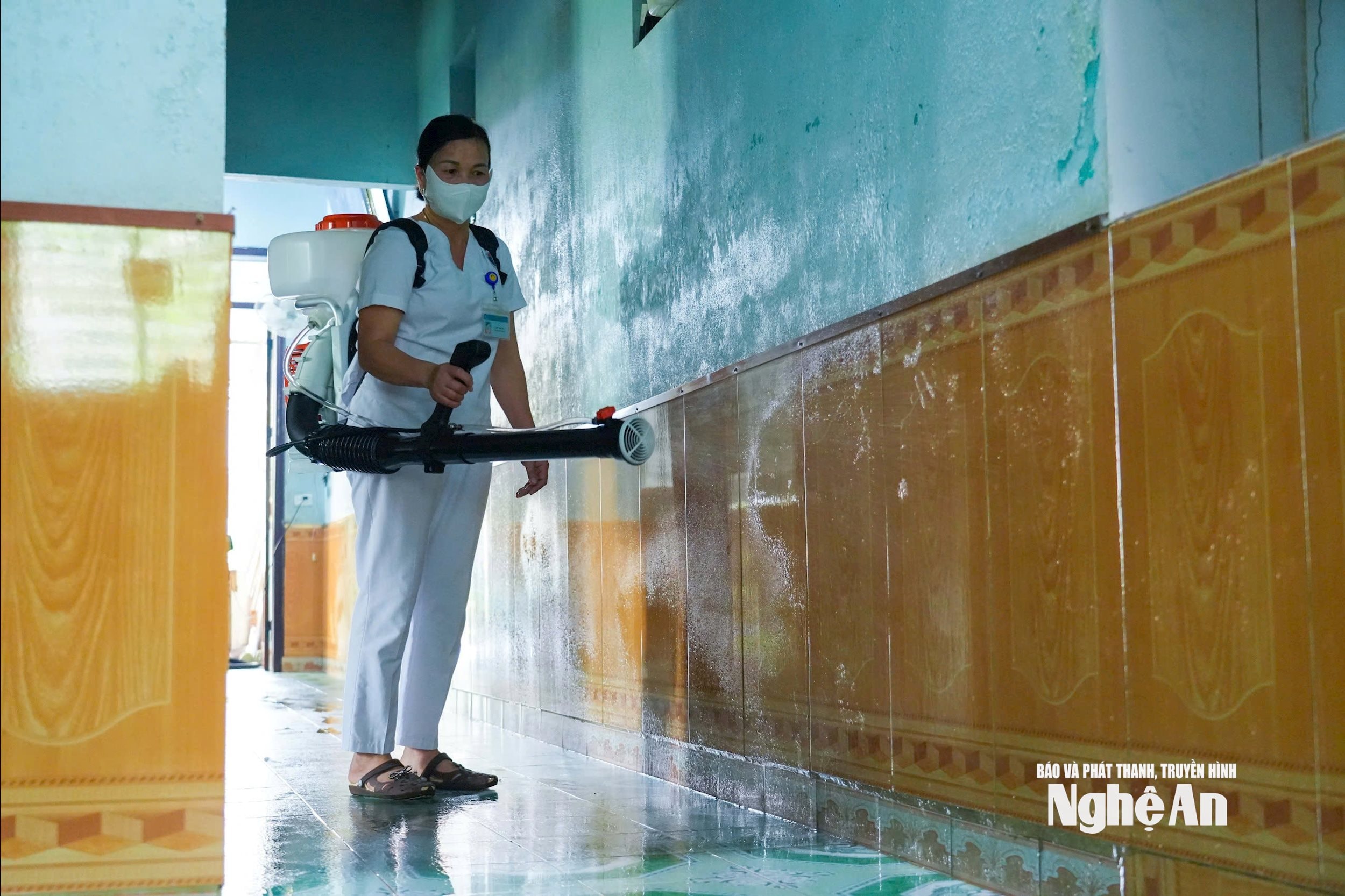
Similarly, as soon as the floodwaters receded, officials and staff from the Quy Chau Commune Health Station were present at the flooded households to implement disease prevention and control measures... In Tan Huong village, health workers went from street to street, knocking on every door to provide assistance to the people.
Mr. Dau Duc Thuan, residing at house number 36, Chieng Ngam Street, Tan Huong village, expressed: "The storm has flooded and soaked many of our family's belongings. Floodwaters have also infiltrated the clean water system. Our family is very worried. Fortunately, we always have medical staff by our side..."
Typhoon No. 5 caused flooding in approximately 400 households in the communes of Quy Chau, Chau Binh, and Chau Tien. To prevent potential disease outbreaks, the center directed its stations to urgently spray chemicals and disinfect drinking water. Simultaneously, the center instructed its stations to coordinate with villages and hamlets to intensify public awareness campaigns on disease prevention through loudspeaker systems at least once a week; and to conduct direct awareness sessions during village meetings.
Dr. Dang Tan Minh – Director of Quy Chau Medical Center
For the health of the people
In late August, many localities in the province also experienced localized flooding due to the impact of Typhoon No. 5. In the former Tan Ky district, the storm cut off 16 hamlets, flooding 441 households; in addition, 584 sanitation facilities and wells were also submerged...
In response to this situation, Tan Ky Health Center directed 22 health stations to review and compile statistics on flooded areas; at the same time, they implemented environmental remediation measures to prevent and control disease outbreaks.
Dr. Nguyen Viet Xuan, Deputy Director of Tan Ky Medical Center, stated: The center has also requested the health stations to maintain close monitoring of infectious disease cases; to have personnel, supplies, chemicals, and medicines ready to thoroughly handle outbreaks if any occur; and to strengthen health education and communication on how to prevent diseases during the rainy season.
Following directives, from August 28th to 31st, staff from 22 health stations coordinated with village health workers, organizations, local authorities, and residents to collect waste and dead animal carcasses, treating them with lime powder or Chloramine B; disinfecting flooded areas; and clearing drainage ditches and removing stagnant water sources to limit mosquito breeding.
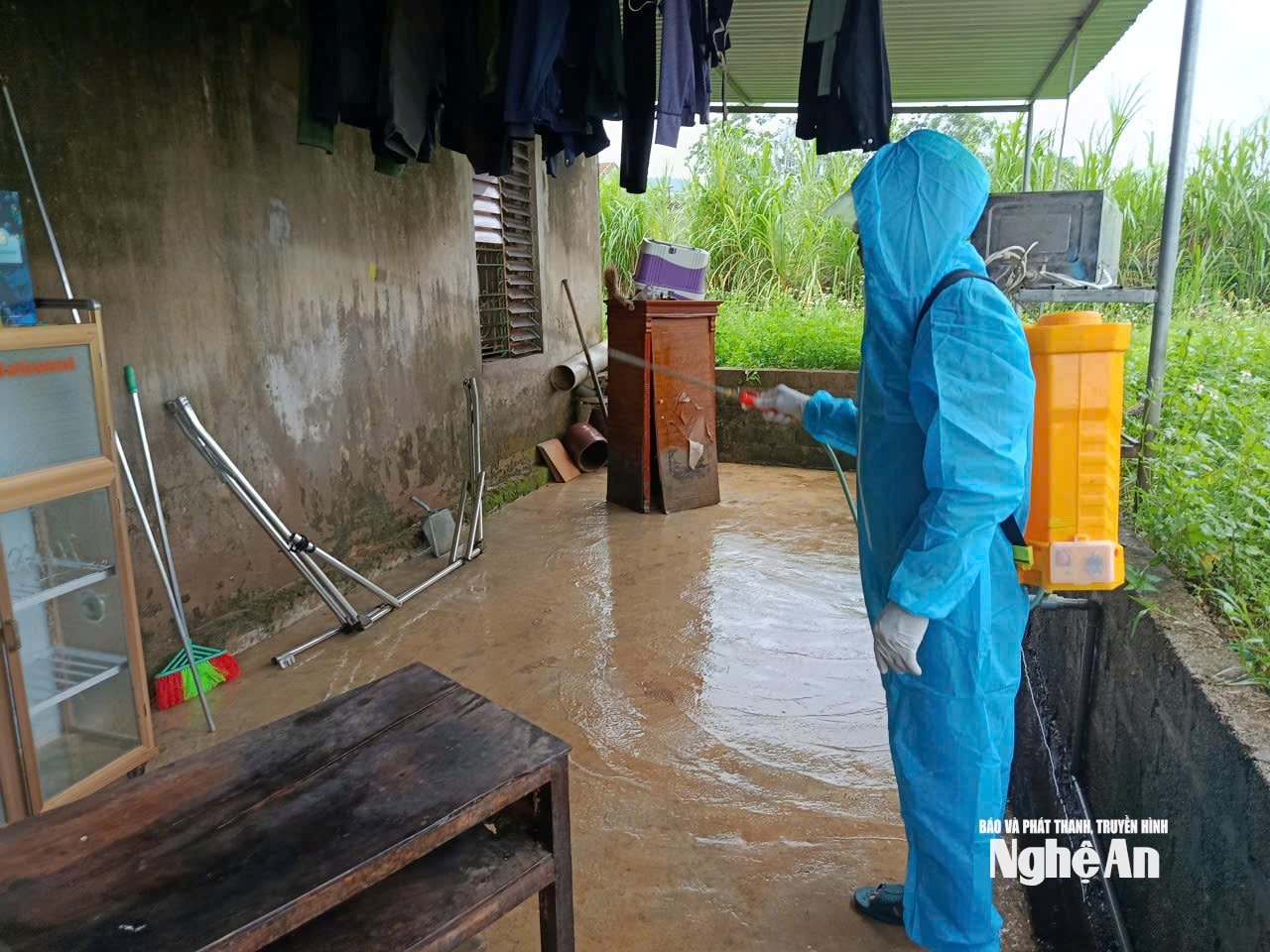
According to Medical Officer Lo Thi Huyen, Head of Ky Tan Health Station: Ky Tan Health Station has proactively visited each household to guide people on how to clean and disinfect their homes and treat water wells. To prevent people from having to manage on their own, local health workers have gone directly to the area, providing dedicated guidance and service.
In response to Typhoon No. 5, the Nghe An Department of Health established four task forces for disaster prevention and search and rescue. During and after the typhoon, these four task forces were present to assess the situation, inspect damage, and promptly direct efforts to mitigate the consequences.
At this time, the Department of Health has been and continues to direct units to implement measures to prevent and control disease outbreaks and improve environmental sanitation after the storm.
Thanks to the coordinated and decisive efforts from the provincial level to the grassroots, along with the proactive participation of the people, disease prevention and control efforts following Typhoon No. 5 are being implemented effectively. No new outbreaks of disease have been recorded throughout the province.
Pharmacist Tran Minh Tue - Deputy Director of the Nghe An Department of Health