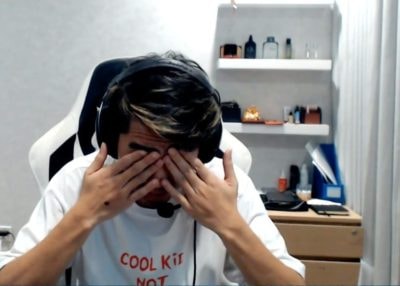

Have you ever wondered how the person you want to meet will greet you from behind those doors? How many different moods does a person have behind those doors? Do you think that the mood of the person inside those doors is reflected in how they open and close them?
Regarding doors that are always wide open: I particularly like visiting houses where the doors are always open. Firstly, it shows that they are always ready to welcome guests. Secondly, you don't have to bother knocking; just a quick call will signal your arrival, and you'll immediately see the homeowner's face greeting you. Usually, you can enter the house without hesitation. If the door is wide open and the homeowner is away, it gives you a sense of security and allows you to wait patiently. I'll wait patiently, knowing they'll be back soon, as no one would leave their door open like that to go far or for a long time. While waiting, I can chat and socialize with the neighbors, as I believe they know and understand my friend, who always keeps their door open to the public. Not to mention, there must be a thorough understanding and trust between the two parties for my friend to feel comfortable leaving their house unattended while they leave. So, if a door is always wide open, welcoming, it likely indicates a cheerful and enthusiastic atmosphere inside, promising openness upon entry. Even if the owner isn't home and the door remains open, it instills a sense of security, assuring us that we'll meet the person we need in a short while. Most of us have the opportunity to thoroughly understand both the person and every nook and cranny of a house through its wide-open doors.
What about doors that are slightly ajar? I think the homeowner isn't the type to enthusiastically welcome guests by throwing the door wide open, implicitly inviting them in. But surely, if they're home, it's not a bad idea to stop by. A gentle knock and knowing that the person you need to meet is inside gives you hope of seeing them. The way they leave the door slightly ajar, as if waiting for someone to knock, will elicit a response from inside. If they're welcoming, they might come out and open the door wider. If their mood is indifferent, and they don't bother to open the door further, then the decision to enter or not is up to you. If the meeting is truly important to you, you can push the door open and go in. But if entering isn't that important to you, and it doesn't matter whether you go in or not, then you can just stand outside, speak briefly, and end the conversation. Personally, I don't like this kind of slightly ajar door because it makes me hesitant about whether to go in or not, thinking that the person inside is pretty much indifferent to me. I hate having to be the one to take the initiative in this situation.
There's also the type of door that's left slightly ajar, for someone unsure they'll be staying long. They might be leaving soon and are too lazy to close the door completely, or perhaps they've just arrived home and will close it abruptly after unpacking. In this case, if you truly value meeting them, you'll have to be quick and decisive. Personally, when I decide to knock on a slightly ajar door, I always hope the person inside, even if they don't rush out to invite me in, will simply sit there with a big smile and say, "Come in, the door's not locked." I'd be overjoyed and confidently push the door open and step inside.
What lies behind closed, locked doors? This situation is always unpredictable for those who want to knock. Is the person inside away? Or is someone inside who doesn't want to be disturbed? Or is there some reason they're not ready to receive a visitor?
If the homeowner is away behind that closed, silent door, would you have the faith to wait for them to return? There's no guarantee they'll come back or are about to. Therefore, no one would have the patience to stand frozen in front of the door waiting in this situation.
If you're certain that, even though the door is firmly closed, there's someone inside. If I were desperately wanting to see the person inside, I wouldn't knock a third time; just two knocks would suffice. If they still don't open, I'd leave. Simply because I lack patience, and perhaps it's also because I'm easily offended. If I know they don't welcome me, I won't go in, that's all!
Logically speaking, that's the rule, but when I'm happy, I leave the door wide open; when I'm in a normal mood, I leave it slightly ajar; and when I'm sad, I close it completely. But it's not always a fixed rule; sometimes I do the complete opposite or don't follow any particular order at all. I can be happy or sad, open, angry or withdrawn, and then make a fuss with the doors. Sometimes I leave the door slightly ajar just to wait for someone to knock, and inside I'll flash a bright smile and invite, "Come in, the door isn't locked." Or sometimes I close the door completely but yell loudly to let the person outside know, "Knock, or I'll be angry if you don't." So, just because I close and lock the door doesn't mean I'm indifferent to the person outside. Behind that door is a heart full of love waiting for someone to knock.
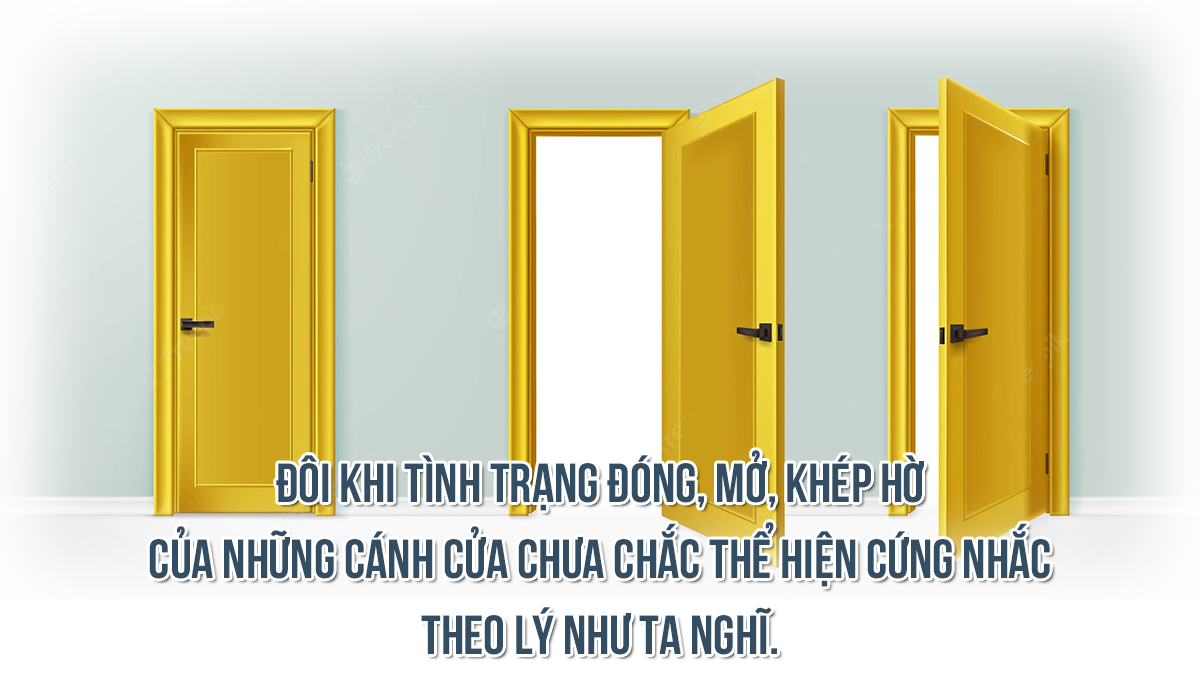
Sometimes, the way doors are open, closed, or slightly ajar isn't necessarily as rigid as we think. Therefore, if you are patient, trusting, and wholeheartedly committed to a relationship, you will receive openness from the other person in return. Trust me. Don't let resentment and pride become a lock, locking the door shut. Because if you lock it for too long, you'll be reluctant to open it, and over time, it will become difficult to open.
Article by: Quách Mỹ Kiều
Illustrative image: Archival material