
10 essential skills parents should teach their children for safe internet use.
The internet offers countless opportunities for learning and entertainment, but it also harbors many risks. Below are 10 important skills parents should teach their children to use the internet safely, responsibly, and intelligently.
For many parents, memories of life before the internet remain. But for children today, the internet is almost an indispensable part of life, like electricity or water.
With just a phone or tablet, children can learn, entertain, make friends, and access vast amounts of information from around the world. However, along with these benefits come a host of risks, including fraud, privacy violations, cyberbullying, and misinformation.

To help children take advantage of the positive aspects of the Internet while ensuring their safety, experts recommend that parents equip their children with the following 10 skills and principles.
1. Understand that everything on the internet can exist forever.
The first thing children need to learn is that any image, video, or comment posted online can remain online for a very long time, even after it's deleted.
A photo, a status update, or a video posted when you were a child can affect your education, career, or reputation years later.
More importantly, sharing too much personal information can also lead to real risks.
For example, if a child posts a photo of the whole family on vacation with location services turned on, it inadvertently lets strangers know the house is unoccupied. Similarly, sharing information about one's own health or that of a loved one can also lead to unintended consequences in the future.
Teach children to ask themselves, "What if the whole class, the teachers, or a future employer see this content?" before pressing the publish button.
2. Protect your personal information to avoid being scammed.
Currently, there is an entire "industry" that profits from the personal data of internet users. This includes legitimate activities, but also many sophisticated forms of fraud.
Parents should help their children understand the value of personal data such as their name, address, phone number, school, password, or account information.
At the same time, children need to be warned about scams such as fake emails, login requests, suspicious links in games, or attachments from unknown sources.
Just one click on a malicious link can lead to your account being stolen.
3. Keep your apps and browsers updated.
Software updates not only bring new features but also patch security vulnerabilities. Hackers often target devices that haven't been updated because they are more susceptible to attacks.
Therefore, parents should enable automatic updates, delete unused apps, and regularly check for operating system updates.
This is one of the simplest yet most effective ways to protect your device.
4. Remember that "free" always comes with a price.
Free games or free apps aren't necessarily free.
Many services collect personal data in exchange for free use, then sell the data or encourage in-app purchases.
Popular apps like Facebook, Instagram, and many others can collect a lot of information about users' usage behavior.
Therefore, guide children to only install necessary apps, carefully read the permissions before installing, and not grant access to contacts, location, or microphone unless absolutely necessary.
5. Don't be too rigid about screen time.
Many parents tend to impose overly strict screen time limits.
However, the internet today is not just for entertainment; it's also a place where children learn, communicate, and develop social skills.
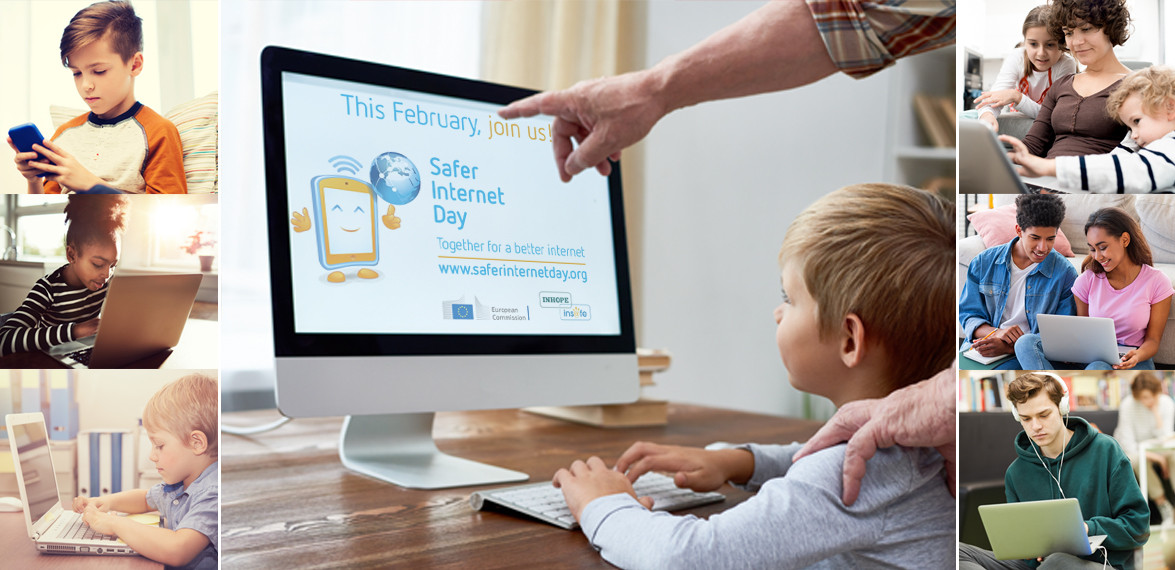
Instead of just limiting the number of hours online, parents should focus on the quality of online time.
Apple, Google, and Microsoft all offer free tools to help parents flexibly monitor and manage their children's screen time.
6. Know how to verify information when using the Internet.
One of the biggest strengths of the Internet is that anyone can share information.
But that's also a weakness, because not all information online is true.
Videos on YouTube and posts on social media sometimes only reflect personal opinions rather than verified facts.
Therefore, parents should teach children to verify information sources, compare different sources, prioritize official websites or reliable learning resources, and especially not to readily believe or share sensational information.
Critical thinking skills will help children avoid being misled by fake news and misinformation.
7. Talk to your child regularly.
Games and social media change very quickly. A platform that is popular today may be replaced in just a few months.
Therefore, the most important thing is not for parents to know every new app, but to maintain open communication with their children.
Ask your child questions like: What games are you playing? What kind of content do you usually watch? Who are your friends? Is there anything online that bothers you?
When children feel listened to, they are more likely to share if they experience problems such as bullying or online scams.
8. Respect your child instead of just supervising them.
Parental control software can be helpful, but it shouldn't be used to monitor every activity of a child.
If parents focus solely on supervision without building trust, children are very likely to find ways to circumvent those control measures.
A more effective solution is to agree on internet usage rules with your child from the start, such as: No chatting with strangers; No sharing passwords; No accessing inappropriate websites.
When using monitoring software, clearly communicate the purpose of the tool to your child to foster understanding rather than feeling like they are being watched.
9. Encourage your child to be creative on the internet.
The internet is not just a place to consume content, but also an environment for creativity.
If your child enjoys making videos, blogging, creating podcasts, programming, or graphic design, parents should encourage and support them.
However, children also need to understand that when sharing products online, they may face negative comments or criticism from strangers.
Encourage children to think carefully before deciding to publicly share their artwork and prepare them for potential negative feedback.
10. Don't forget to take time away from the screens.
Although the internet offers many benefits, children still need time to live outside the digital world.
A picnic, a camping trip without Wi-Fi, playing sports, or simply chatting with family will help children balance their lives and develop face-to-face communication skills.
It's also an opportunity for parents to bond more with their children, instead of each person being engrossed in a screen.
Online safety starts with education, not prohibition.
In the digital age, banning children from using the internet is almost impossible. What's more important is helping them develop good habits from an early age.
By learning how to protect personal information, identify scams, verify information, behave respectfully online, and balance online and real life, children will confidently take advantage of the benefits the Internet offers while minimizing risks to safety, privacy, and cybersecurity.
Instead of absolute control, parents should become companions, guides, and listeners. This is the foundation for children to develop safely and responsibly in an increasingly complex digital environment.


