
10 things to keep in mind when eating oranges to avoid harming your health.
(Baonghean.vn) - Oranges are a fruit rich in nutrients such as vitamin C, citric acid, glucose, etc., which can meet many basic needs of the human body. However, drinking orange juice or eating oranges at all times does not always maximize the amazing benefits of this juicy fruit; in fact, it can even be harmful to you.
5 times to avoid:
Before breakfast:According to The Health Site, you should avoid eating citrus fruits in the morning, especially on an empty stomach, because it raises the body's pH level. Instead, eat fruits that are high in fiber and sugar, such as apples, bananas, pomegranates, or pears.
After breakfast:Drinking a glass of orange juice right after breakfast is not beneficial. Orange juice has a high sugar content, and drinking it immediately after breakfast causes the sugar to ferment, leading to bloating and an uncomfortable feeling in the stomach.
 |
| You shouldn't drink milk an hour before or an hour after eating an orange. (Image: Internet) |
Evening:Because orange juice stimulates fluid production and has a diuretic effect, it can easily cause nighttime urination, leading to insomnia. Additionally, drinking orange juice before bed reduces saliva production compared to when you're awake, and the remaining acid on your teeth can attack and damage your enamel.
The best time to drink orange juice is when you are neither full nor hungry – that is, 1-2 hours after a meal.
Before and after drinking milk:The protein in milk reacts with tartaric acid and vitamin C in oranges, which not only affects digestion and absorption but can also cause bloating, abdominal pain, and diarrhea.
Therefore, you shouldn't drink milk an hour before or an hour after eating an orange.
Before brushing your teeth:The acid in orange juice adheres to the surface of tooth enamel, and the abrasive action of the toothbrush can damage your enamel if you frequently eat and drink orange juice before brushing your teeth.
You should rinse your mouth immediately after drinking orange juice to remove any acid residue from your teeth, preventing acid erosion of your tooth enamel.
5 things to note for patients:
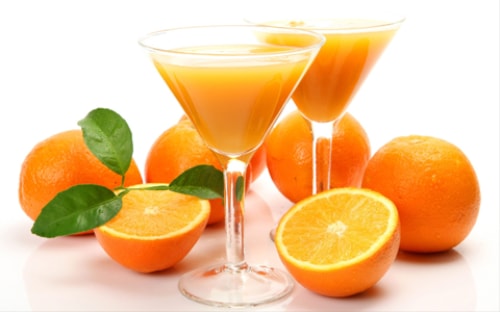 |
The best time to drink orange juice is when you're neither full nor hungry – that is, 1-2 hours after a meal. (Image: Internet) |
Do not take with antibiotics:Orange juice contains acid, which can damage the chemical structure of medications. And once the specific chemical structure is lost, the antibiotic will no longer be effective at killing bacteria.
Drinking orange juice while taking medication can increase the risk of prolonged bacterial infections. Orange juice can also interfere with drug absorption, reducing drug concentration in the blood and decreasing absorption from the intestines.
Suffering from stomach ulcers:Many people think that orange juice is good, so they can drink it freely, anytime. In reality, that's not the case; orange juice may be very good for some people but not for others.
If you have stomach ulcers, duodenal ulcers, or pancreatitis, you should avoid drinking orange juice, as it contains many organic substances that increase stomach acid, causing heartburn and worsening the ulcers; and orange juice has a laxative effect, so if you have diarrhea, you should dilute it with water and drink it in small amounts.
Hepatitis, high blood pressure:Patients with chronic hepatitis and high blood pressure should avoid eating oranges because they can promote the liver's detoxification function, accelerate cholesterol conversion, and prevent atherosclerosis.
Psoriasis:If you have psoriasis, citrus fruits can trigger allergic reactions and worsen your condition.
Do not eat oranges with radishes:When beets are consumed, the human body quickly produces a substance called "sulfate". After the sulfate is metabolized, it produces an antithyroid substance - thiocyanic acid.
If you eat oranges at this time, the flavonoids in the oranges will be broken down in the intestines and converted into hydroxy acids and ferulic acid. These two substances can enhance the inhibitory effect of thiocyanic acid on the thyroid gland, which can cause or lead to goiter.
Hoa Le
(Synthetic)
| RELATED NEWS |
|---|


