
10 helpful tips for safe driving at night.
Driving at night always carries risks, from eye strain and limited visibility to slow reflexes. However, with a few simple yet effective tips, you can stay safe on any road.
Safe driving is always a top priority, especially when night falls. In fact, driving at night poses more risks than during the day, not only because of poor lighting but also due to a host of other factors such as limited visibility, eye strain, astigmatism, animals unexpectedly crossing the road, or even drivers who are drowsy.
Even the ultra-bright LED headlights on newer cars, a feature seemingly designed to improve safety, can cause glare and create afterimages, affecting visibility.
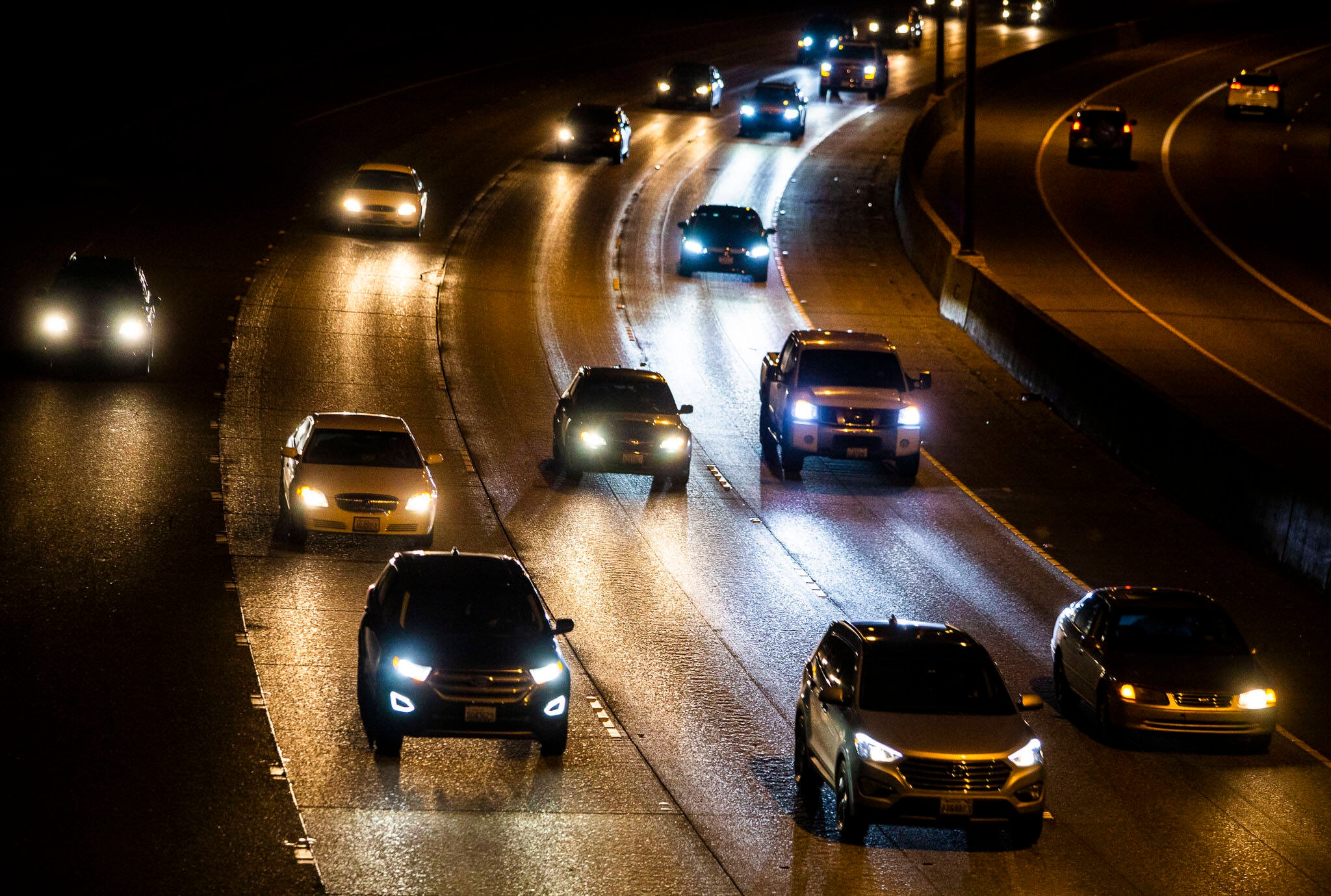
Increased traffic volume, especially for the elderly or those with vision problems such as nearsightedness, astigmatism, or glaucoma, also makes nighttime travel more risky.
However, the good news is that you can absolutely improve safety with simple but effective actions, from keeping your windshield clean to making good use of your headlights.
Here are 10 helpful tips to help you drive more confidently and safely at night, whether you're returning home after a long day or embarking on an adventure on a summer night.
1. Keep the windshield clean.
A dirty windshield not only affects visibility but also causes light to scatter, leading to glare, which is especially dangerous when driving at night. Even helpful products like rain repellent, if used incorrectly, can increase glare when headlights shine on it.
The American Automobile Association (AAA) warns that dirt, fingerprints, or an oily film on the windshield can restrict visibility, making it difficult to see the road in low-light conditions.
Therefore, make it a habit to clean your windshield at least once a week, both inside and out, to ensure clear visibility and a safe journey.
2. Keep your headlights clean.
Keeping your headlights clean is a simple but effective way to improve visibility when driving at night. Dirt, debris, or insect carcasses on the headlight surface not only reduce brightness but also cause uneven light distribution, affecting visibility.
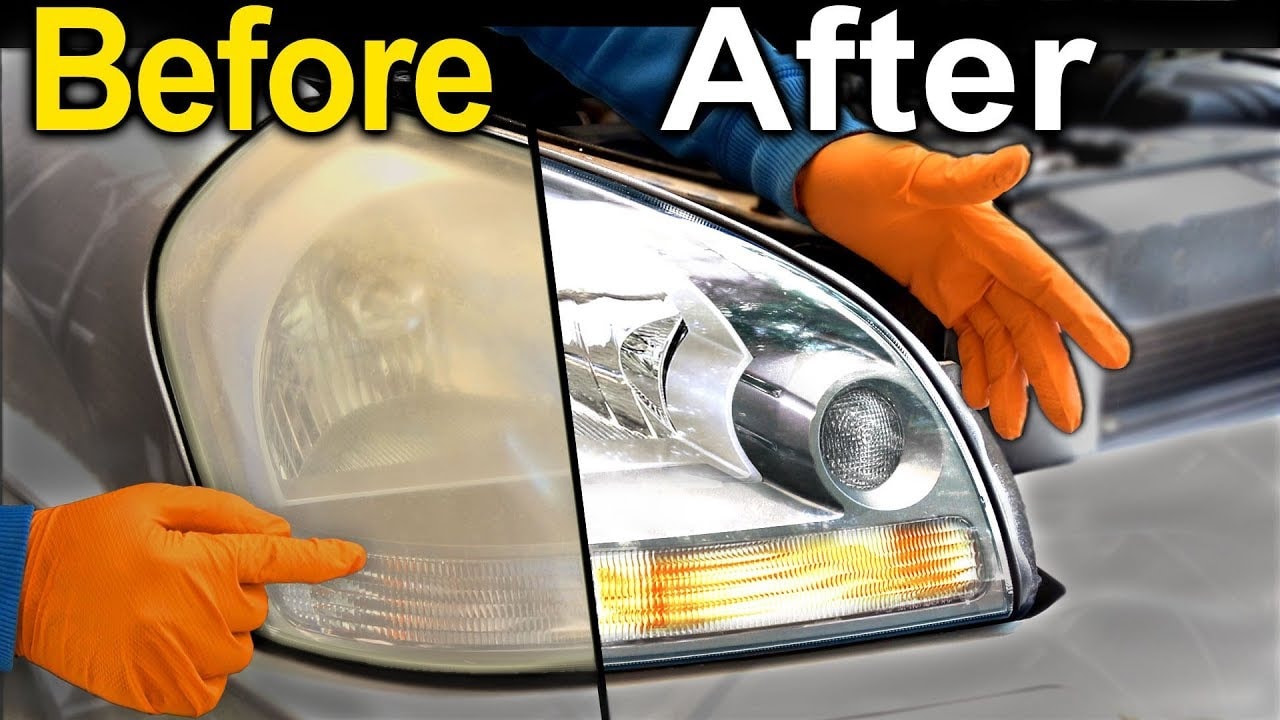
This is especially important if you live in a dusty area or frequently travel through places with high insect populations. Regularly inspecting and cleaning your headlights will help your lighting system function more effectively, a key factor for safe nighttime journeys.
3. Use headlights when necessary.
On rural roads, near forests or fields—where there's a risk of animals crossing the road—headlights are an important tool to help you detect potential hazards such as buffalo or cattle early. The U.S. National Safety Council (NSC) also recommends turning on headlights when traveling on long, wide stretches of road or roads with little lighting.
However, use your headlights wisely. Avoid turning on your headlights when driving in heavy rain or thick fog, as the light can reflect back, reducing visibility.
Additionally, when cornering or going uphill, you should turn off your headlights to avoid dazzling oncoming vehicles; a small action that can help ensure safety for both sides.
4. Avoid looking directly into the headlights of oncoming vehicles.
When driving at night, you might instinctively look at the headlights shining from the top of a hill or around a bend. However, this is a dangerous habit. Looking directly at the glare can cause temporary vision impairment, even leaving afterimages, making it difficult to see the road afterward.
Instead, focus your gaze on the roadside or lane markings to maintain a steady steering feel. This is a simple but effective way to protect your eyesight and stay focused when facing the glare of oncoming traffic.
5. Check the headlight alignment to avoid causing danger.
Drivers should have their headlight alignment checked periodically, especially on older vehicles. Wear and tear over time, minor accidents, or manufacturing defects can all cause headlights to become misaligned, resulting in incorrect lighting or glare for oncoming vehicles.
According to NBC News, in the US, the law doesn't require automakers to check the alignment of headlights after installation. This means that some brand-new cars may still have misaligned headlights without the owner knowing.
The consequences are not only reduced visibility at night, but also the potential to dazzle and disorient oncoming drivers. Therefore, taking your car to a garage for headlight inspection and adjustment is a crucial step to ensure the safety of both you and other road users.
6. Reduce the brightness of the interior lights to avoid distractions and eye strain.
When driving at night, interior lights should be turned off completely or reduced to the lowest possible level. The interior lighting not only makes it difficult for your eyes to adjust to the outside darkness due to the time it takes to readjust your vision, but it can also cause glare and reduce your ability to see the road.

Turning on interior lights to find items or to help passengers read or use their phones can also increase distractions, especially when the light reflects off the windshield, creating unpleasant glare or shadows.
To maintain clear night vision and ensure safety, it's best to minimize all unnecessary light sources inside the vehicle when driving at night.
7. Keep your eyeglasses clean to ensure good night vision.
Just like dirty windshields, dirty eyeglass lenses can scatter light, causing glare and severely impairing visibility when driving at night.
According to the Heartland Optical ophthalmology clinic system (USA), you should clean your contact lenses with warm water or mild dish soap that does not contain moisturizers, and use a specialized cloth to avoid scratches.
While convenient, the habit of wiping glasses with the hem of your shirt can cause dirt to stick deeper and blur the lenses, making observation in low-light conditions more dangerous.
8. Wear appropriate eyeglasses.
To maintain optimal vision when driving at night, have regular eye exams to ensure you are using the correct type of glasses as prescribed. Additionally, you might consider using lenses with anti-reflective coatings, which help reduce glare from headlights or reflected light.
Avoid using glasses that obstruct peripheral vision, which is crucial when handling traffic situations. Additionally, many people choose night driving glasses with yellow lenses to reduce glare.
However, experts recommend consulting a doctor, as some types of these glasses may reduce visibility in low light conditions, rather than improving it as intended.
9. Stay alert – a key factor when driving at night.
Even mild fatigue can significantly impact driving ability, especially at night. Even small schedule changes, such as adjusting to seasonal time zones, can disrupt your body's circadian rhythm, leaving you feeling sluggish or unfocused.
According to Northwestern Medicine (USA), changes to the circadian rhythm make it difficult for the body to determine when to sleep or wake, thereby increasing fatigue and causing blurred vision, one of the reasons for significantly impaired night vision.
Therefore, always ensure you are alert and well-rested before embarking on any nighttime journey.
10. Increase the distance from the vehicle in front to allow for a timely reaction.
When driving at night, in conditions of limited visibility and potentially slowed reflexes due to fatigue, maintaining a safe distance from the vehicle in front becomes especially important.
Headlights only illuminate a limited distance, making it difficult to spot hazards such as animals crossing the road or objects falling from trucks ahead.
If the driver in front has to brake suddenly or swerve to avoid an obstacle, you'll need extra time and space to react safely. Increasing the distance from the vehicle in front not only reduces the risk of collision but also provides a better sense of control on dark and unpredictable roads.


