
10 principles for fighting off disease
According to health experts, to maintain a healthy immune system and ward off disease, follow these steps.
The U.S. Centers for Disease Control and Prevention (CDC) estimates that 16% of respiratory infections and many foodborne illnesses could be prevented with very simple actions.
Hand washing
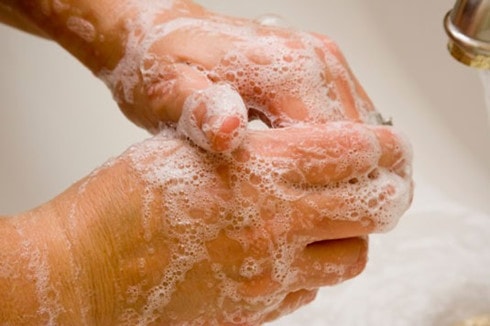 |
When washing your hands, make sure to scrub all surfaces of your hands with soap, then clean between your fingers and under your fingernails. Wash your hands for at least 20 seconds to ensure sufficient cleaning of all surfaces. After washing, you can dry your hands with paper towels, a clean towel, or a hand dryer.
However, it's important to note that doorknobs and faucets harbor many bacteria, especially in public restrooms. Therefore, after washing your hands thoroughly, you can use a paper towel to turn off the faucet or open the restroom door to ensure optimal hand hygiene. Afterwards, rinse and dry your hands using an air dryer, paper towel, or clean cloth.
Get enough sleep.
Scientific studies have shown that sleep affects both mental and physical health; insufficient sleep increases the risk of chronic diseases such as cancer and weakens bodily functions such as memory and the immune system.
Some evidence suggests that lack of sleep also makes you more susceptible to colds, flu, and other viral infections.
Flu vaccination
For people with cancer, treatments often weaken the immune system, making them more susceptible to common illnesses like the flu or colds. Therefore, the American Cancer Society recommends that cancer patients get a flu shot, unless there is a specific reason (such as a cancer treatment plan prohibiting the use of that vaccine).
Patients or healthy individuals who wish to receive the flu vaccine should go to a medical facility and should not self-administer it at home.
Engage in moderate physical activity.
Studies show that exercise can improve the function of the immune system, helping the body fight off bacterial and viral infections.
However, exercise should be done at a moderate intensity, not strenuously, and it is especially important to choose a sport that suits your physical condition, health, and medical history.
One of the simplest ways to measure the appropriate exercise intensity for you is to use speech tests. Appropriate exercise is when you can both move and speak clearly, but not sing. If you exercise and are out of breath after saying just a few words, you're overexerting yourself.
Vitamin D supplementation
Many people consider vitamin D to be the "medicine of the 21st century." This is because studies have shown that vitamin D has many health benefits; it not only supports the immune system and maximizes muscle function, but also has antioxidant and anti-inflammatory effects, thereby preventing disease.
Furthermore, vitamin D receptors are found on most cells in the body, making it a crucial vitamin for cellular function.
Keep your airways warm.
Especially during the cold season, the respiratory system needs to be kept warm. Cold viruses are more likely to thrive in low temperatures and humidity, so people are more susceptible to respiratory illnesses in autumn and winter than in other seasons.
Furthermore, low air humidity dries out the nasal mucous membranes, making you more susceptible to illness. Maintaining adequate humidity in your nasal cavity creates a defense mechanism, preventing the entry of germs and bacteria. You can use a humidifier to reduce dryness, but remember to clean the device regularly to avoid introducing bacteria into the room.
Use "superfoods"
These are foods that are high in energy, vitamins, and minerals, good for health, boosting the immune system and helping the body function. Most fruits and vegetables are considered superfoods, as they are rich in nutrients such as selenium and omega-3 fatty acids. Nuts, salmon, and wheat germ are also foods that are always recommended for inclusion in daily meals.
Avoid crowded places.
The more people gather in crowded spaces like restaurants and shopping malls, the higher the risk of contracting infectious diseases due to the cramped, enclosed spaces and poor air circulation. While the risk of infection is not high for healthy individuals, gathering in crowded places increases the likelihood of illness when the body is weakened. Therefore, it's best to avoid crowded places when unnecessary.
Keep the kitchen clean and use safe food.
According to the CDC, approximately 48 million Americans get sick from food each year, and about 3,000 die from foodborne illnesses. To minimize sources of food poisoning or contamination, you first need to ensure your kitchen is clean. Regularly clean food preparation areas, especially after handling raw foods.
Quit smoking
If you are a smoker, the best way to avoid illness is to quit smoking or encourage your loved ones to quit. Smoking not only increases the risk of cancers like lung cancer, but it also causes many other illnesses, including colds and viral infections. Cigarettes weaken your immune system, creating an opportunity for viruses and bacteria to invade.
According to VOV
| RELATED NEWS |
|---|


