
10 Island Countries: A Journey Amidst the World's Seas and Sky
According to statistics from WorldAtlas and World Population Review, the Nordic countries actually possess the most islands in the world, not Indonesia or the Philippines. The list only includes natural islands, offering suggestions for those who love beach, lake, and unspoiled landscapes.
Have you ever thought that Indonesia or the Philippines has the most islands in the world? According to WorldAtlas' 2020 statistics, compared with updated 2025 data from World Population Review and counting only natural islands, the answer leans heavily towards Northern Europe with hundreds of thousands of islands of all sizes.
From ice-covered archipelagos to volcanic island clusters, from jagged fjords to expansive lake systems, each country on this list offers a different kind of journey. Below are the 10 countries with the most islands in the world, along with suggestions on how you can experience them as an adventure seeker rather than just a "check-in."
1. Sweden – 267,570 islands amidst forests and water.
Sweden leads with 267,570 islands, although fewer than 1,000 are inhabited. This network of freshwater and marine islands, interwoven with pine and coniferous forests, creates continuous green swathes on the map and has helped the country establish a strong position in nature conservation.
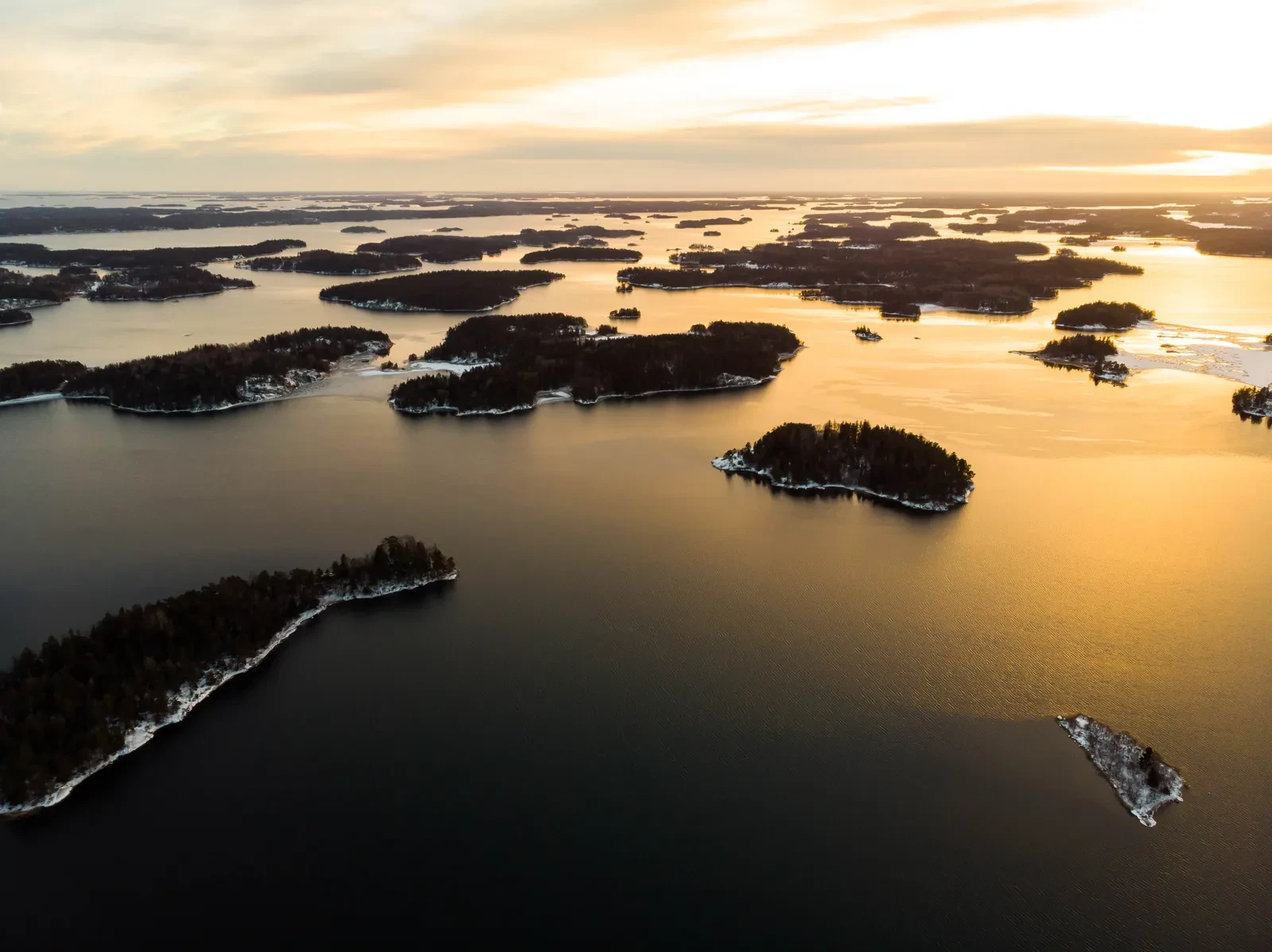
As you travel between the islands, you'll constantly pass low rocky shores, small piers, and patches of forest right at the water's edge. The most pleasant journey is to choose a moderately sized cluster of islands, combining boat trips, cycling, and stopping at a few small villages along the coast to experience the slow pace of life.
2. Norway – 239,057 islands embracing fjords.
Norway boasts 239,057 islands, stretching from the Svalbard archipelago in the Arctic to the rocky shoals in the south. Its distinctive coastline, with its countless fjords and inlets extending deep inland, has fragmented the landscape into hundreds of thousands of islands and peninsulas.
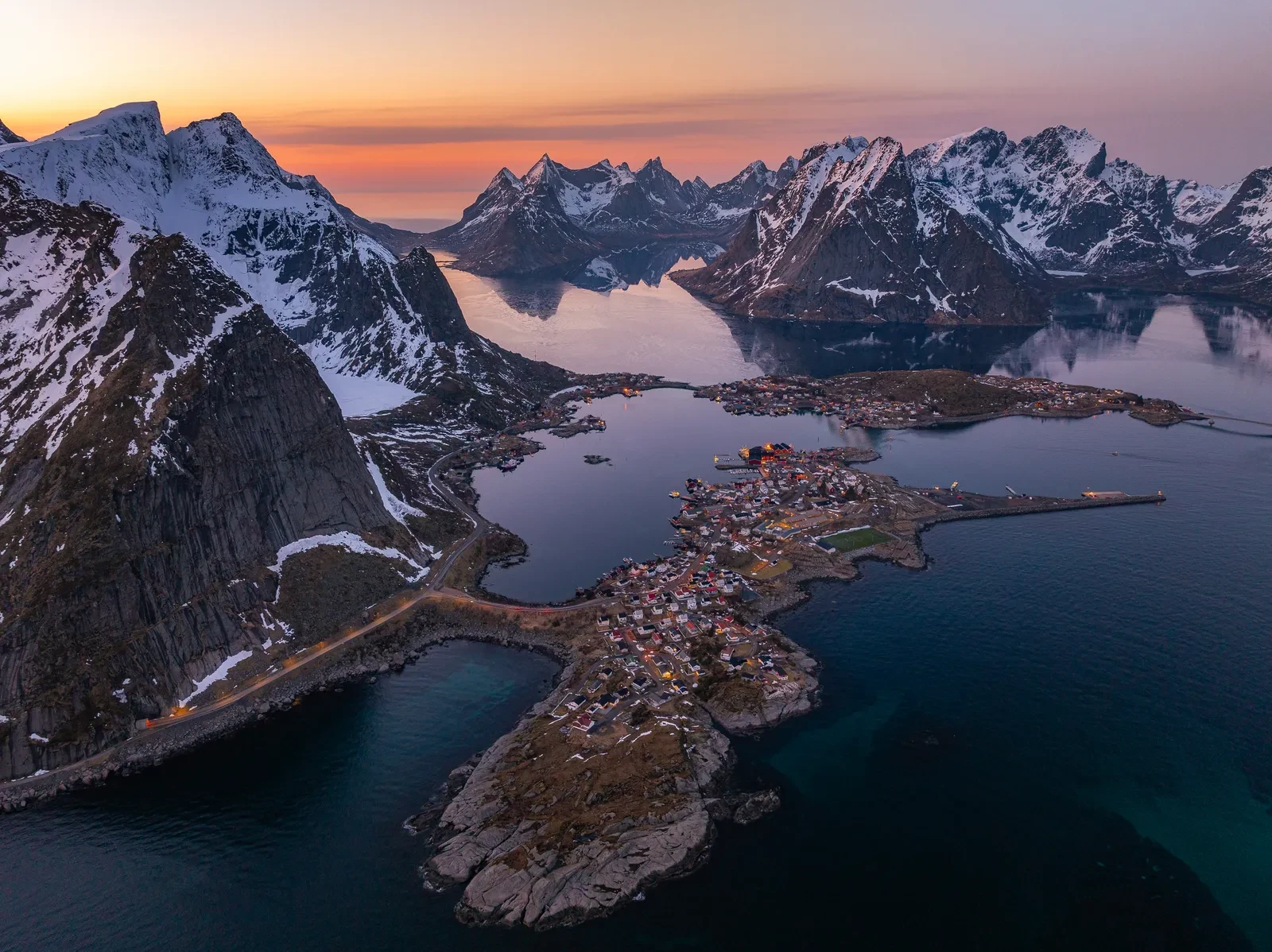
Small islands nestled within the fjords, set against a backdrop of towering mountains and calm waters, create a unique landscape rarely found elsewhere. For tourists, choosing a fjord route that combines nearby islands helps to keep the itinerary less scattered, instead of trying to include too many destinations in one trip.
3. Finland – 178,947 islands in seas and lakes
Finland has 178,947 islands, spread from offshore waters to inland lake regions. Like its Scandinavian neighbors, the coastline and lake system have created a highly fragmented landscape, resulting in countless headlands, peninsulas, and islands of varying sizes.
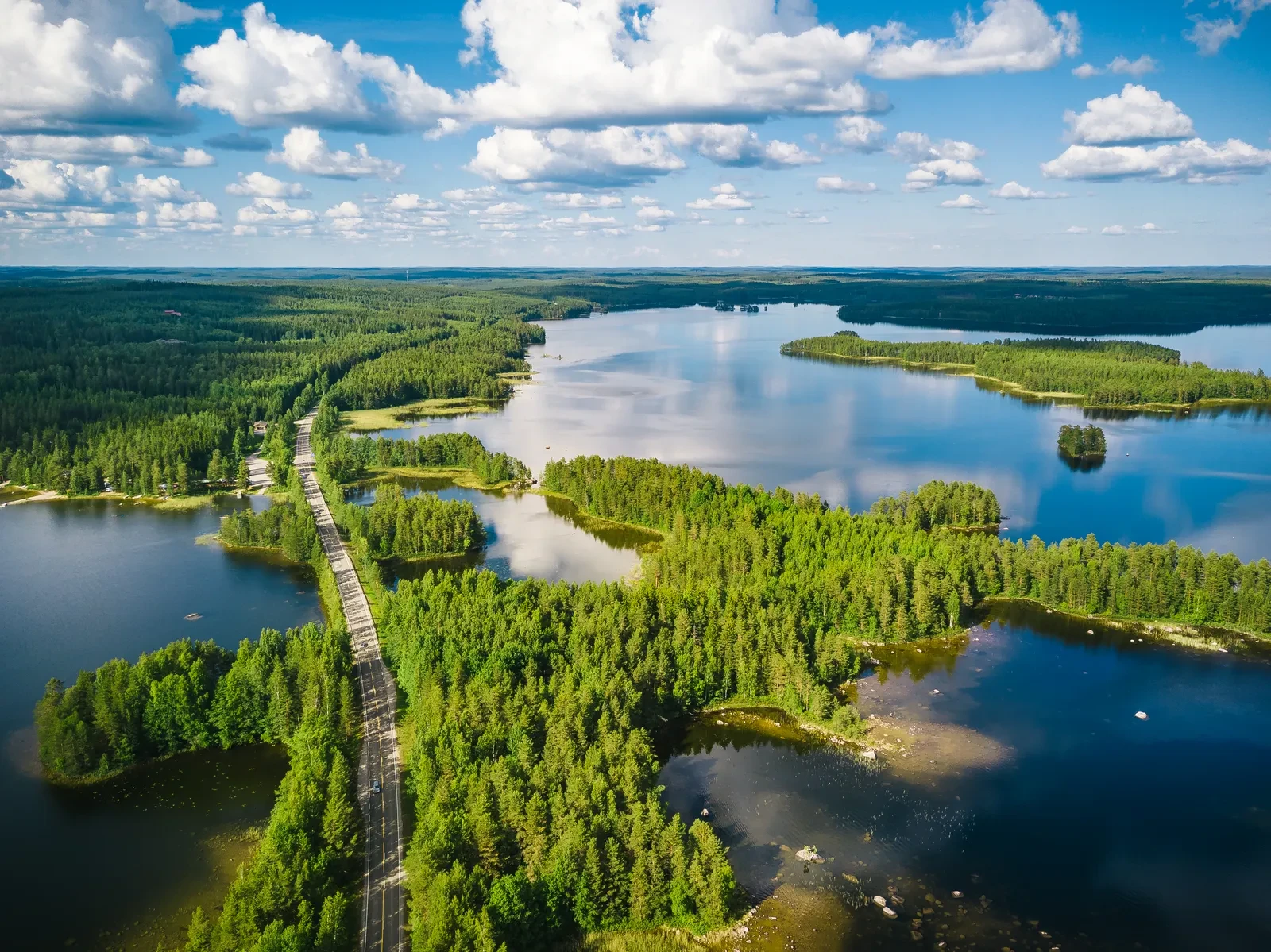
The journey through the large lakes, where islands emerge as green specks from the water's surface, offers a more intimate and tranquil feeling compared to the open sea. This is a suitable option if you prioritize quiet spaces, short walks, and gentle water activities.
4. Canada – 52,455 islands in the Arctic and Pacific Ocean
Canada ranks fourth with 52,455 islands. Its extensive Arctic and Pacific coastlines create tens of thousands of islands of varying sizes, including Baffin Island – Canada's largest and the world's fifth largest – and the famous Vancouver Island off the west coast. The majority of these islands are located in remote, uninhabited areas.
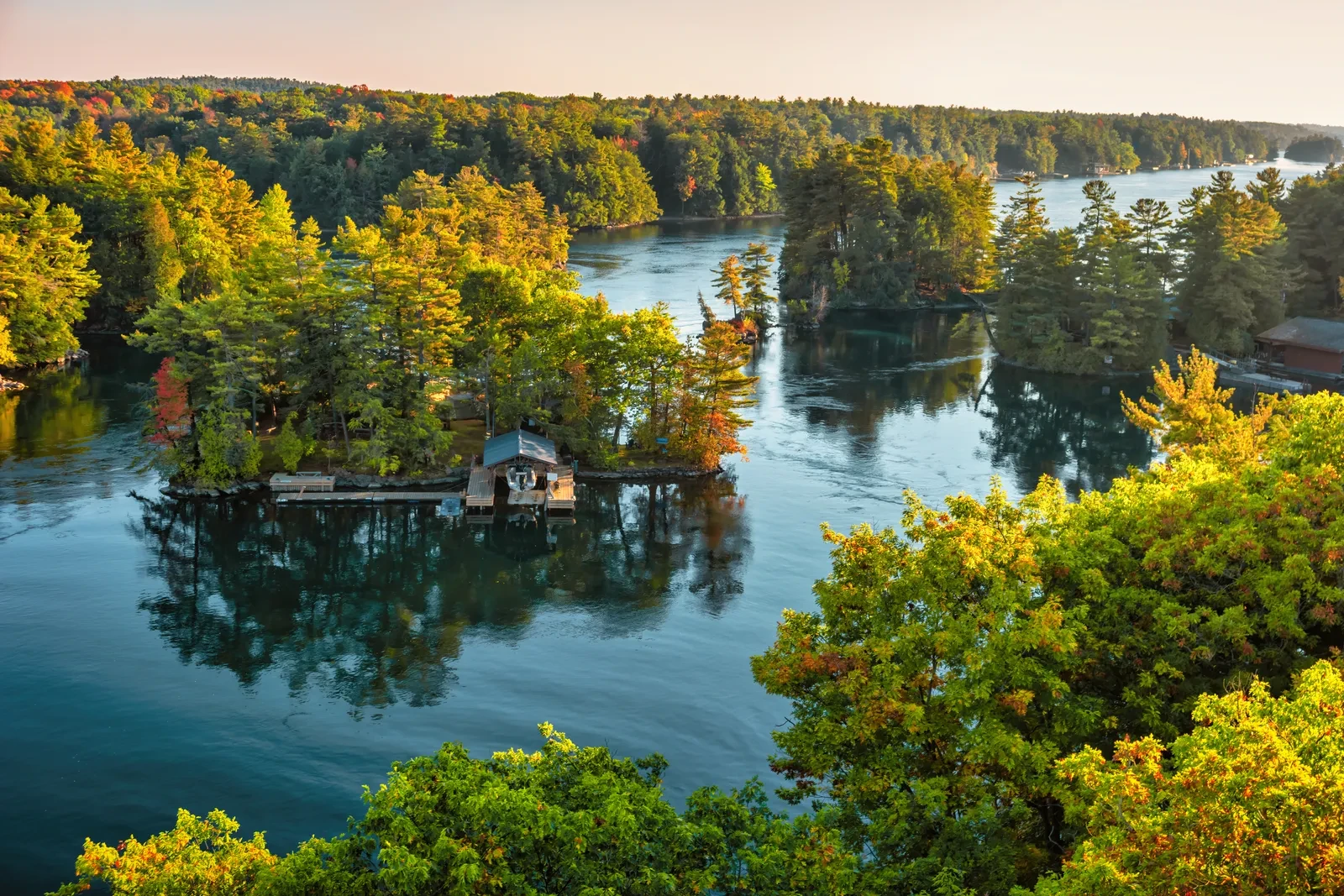
Because many islands are remote, itineraries often revolve around islands with better transport links, such as Vancouver or areas on the west coast. When planning, you should clearly define whether you want to prioritize pristine beach scenery, experiences closer to urban centers, or a combination of both.
5. United States – 18,617 islands spread across a wide range of climates.
The United States has 18,617 islands, ranging from small islands along the Alaskan coast and the Florida Keys to offshore Pacific territories such as Guam and American Samoa. The islands are spread across various latitudes, resulting in a diverse landscape and weather conditions.
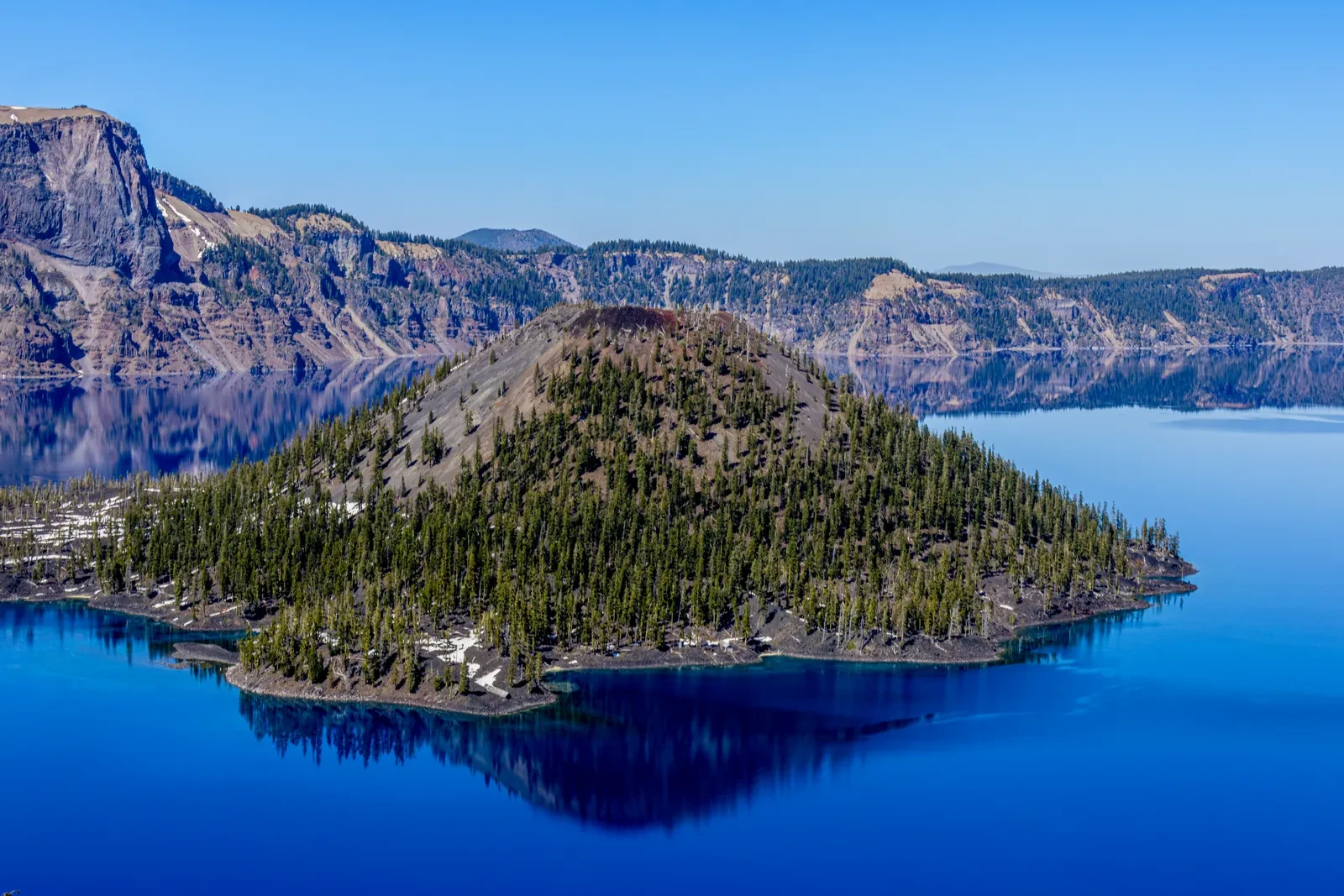
Choosing an island in the US depends largely on your travel style: you might seek a sense of remoteness and solitude in areas near the poles, or prioritize a relaxing atmosphere and beach and water activities in warmer regions.
6. Indonesia – 17,504 islands in the largest archipelago nation.
Indonesia is the world's largest archipelago nation, stretching over 5,000 km along the equator with 17,504 islands, both inhabited and uninhabited. Many islands are of volcanic origin, contributing to a multi-layered landscape and fertile soil. This geographical dispersion is accompanied by a diverse culture, geology, and biology.
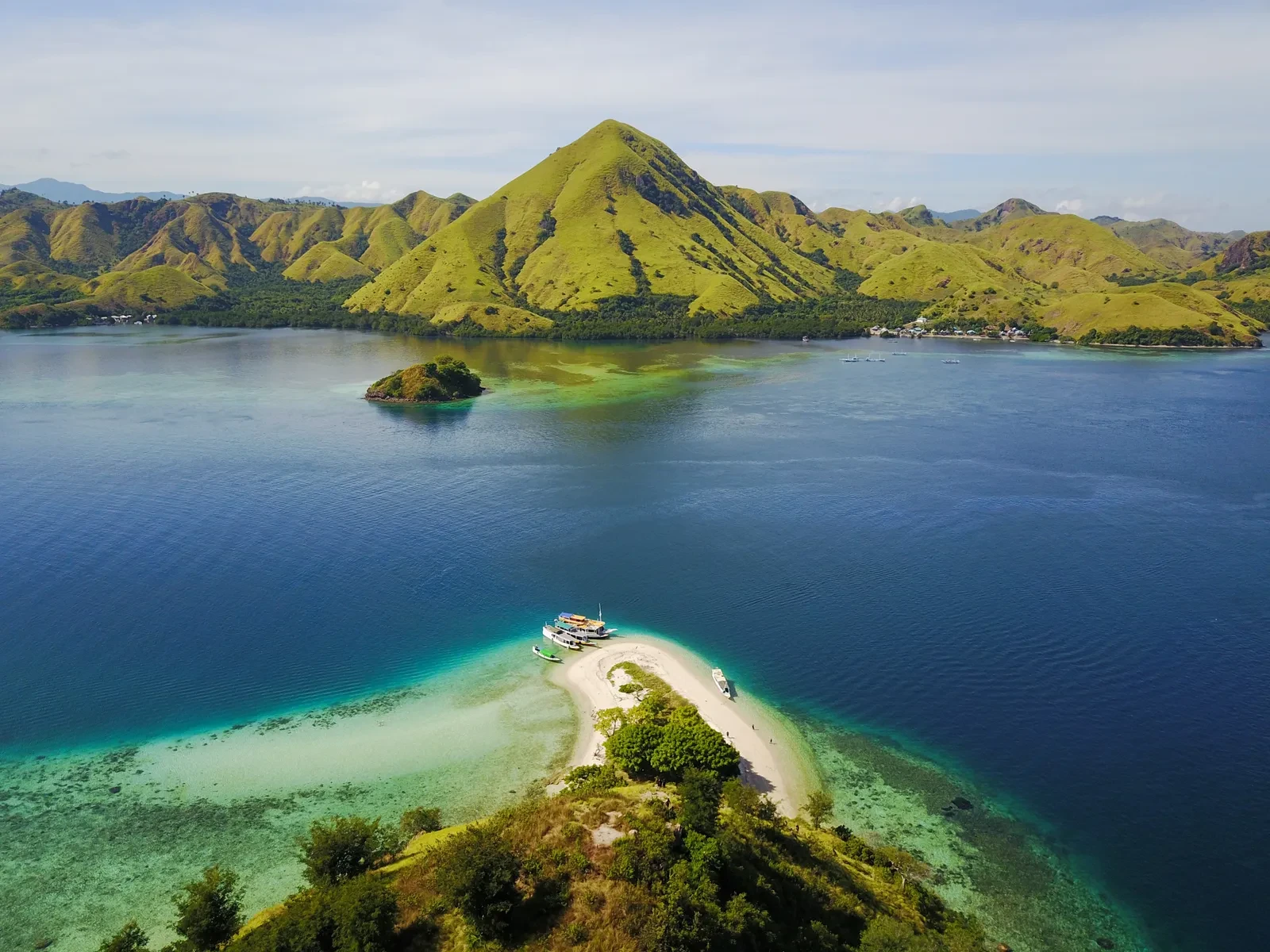
Given the sheer number of islands, a sensible approach is to select a few easily accessible island clusters, combining islands with service centers with quieter ones. This allows you to alternate between experiencing the local rhythm of life and moments of tranquility close to nature.
7. Japan – 14,125 islands re-measured using new technology
For decades, the number of officially recognized islands in Japan remained virtually unchanged. However, a new survey in 2023, based on modern mapping technology, more than doubled that previous number. Japan is now recognized as having 14,125 islands, stretching from Hokkaido in the north to Okinawa in the south.
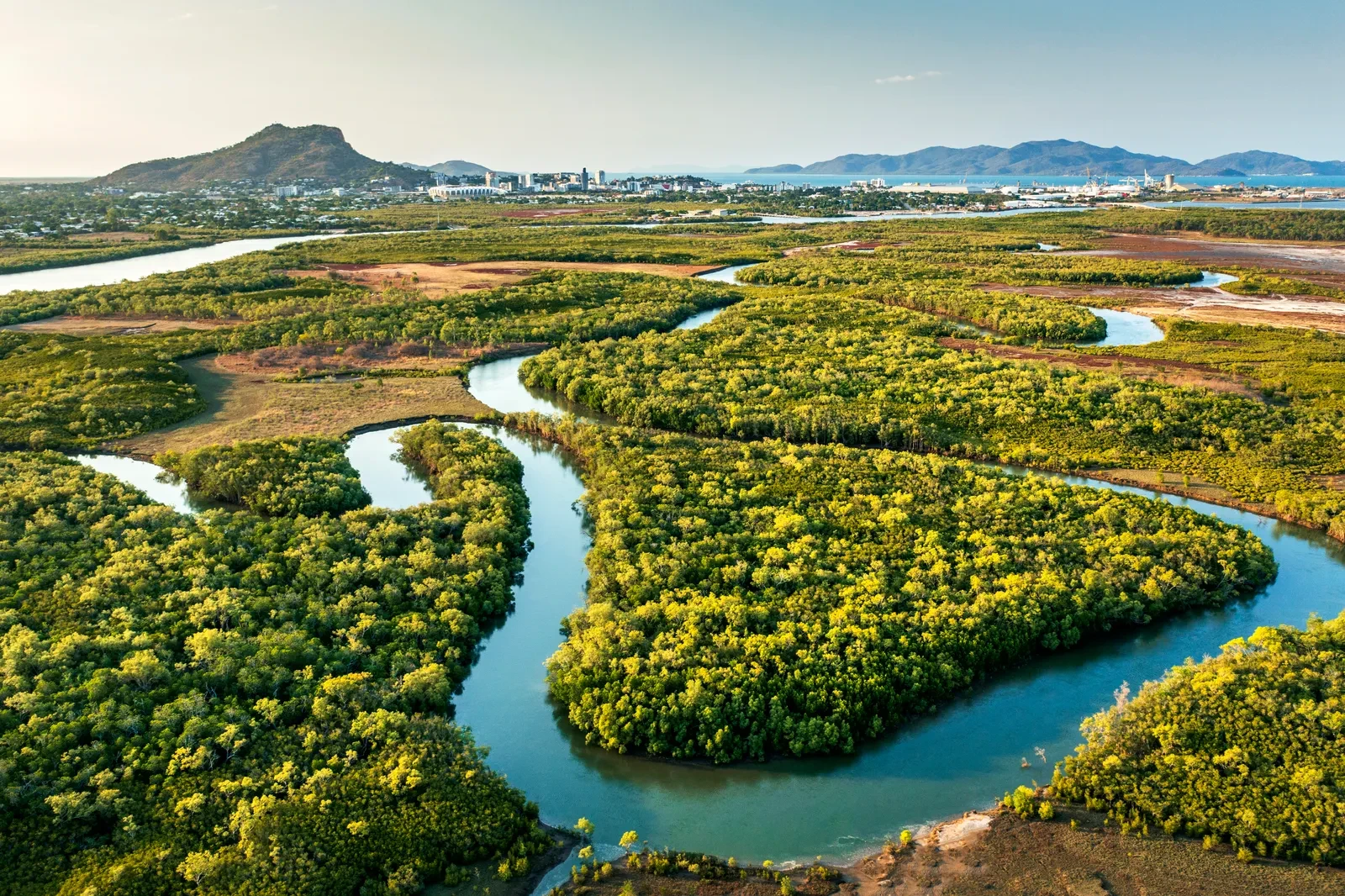
The updated number of islands reveals that there are still many smaller geographical areas that are not widely known to tourists. When planning your itinerary, you can combine familiar islands with one or two lesser-known spots to gain a new perspective on coastal life and local culture.
8. Australia – 8,222 islands surrounding the mainland.
Often referred to as a continent, Australia, in addition to its main landmass, is surrounded by 8,222 islands. Tasmania is the largest and most populous island, along with the island groups in the Torres Strait and the northern coast, contributing to the nation's extensive maritime territory.
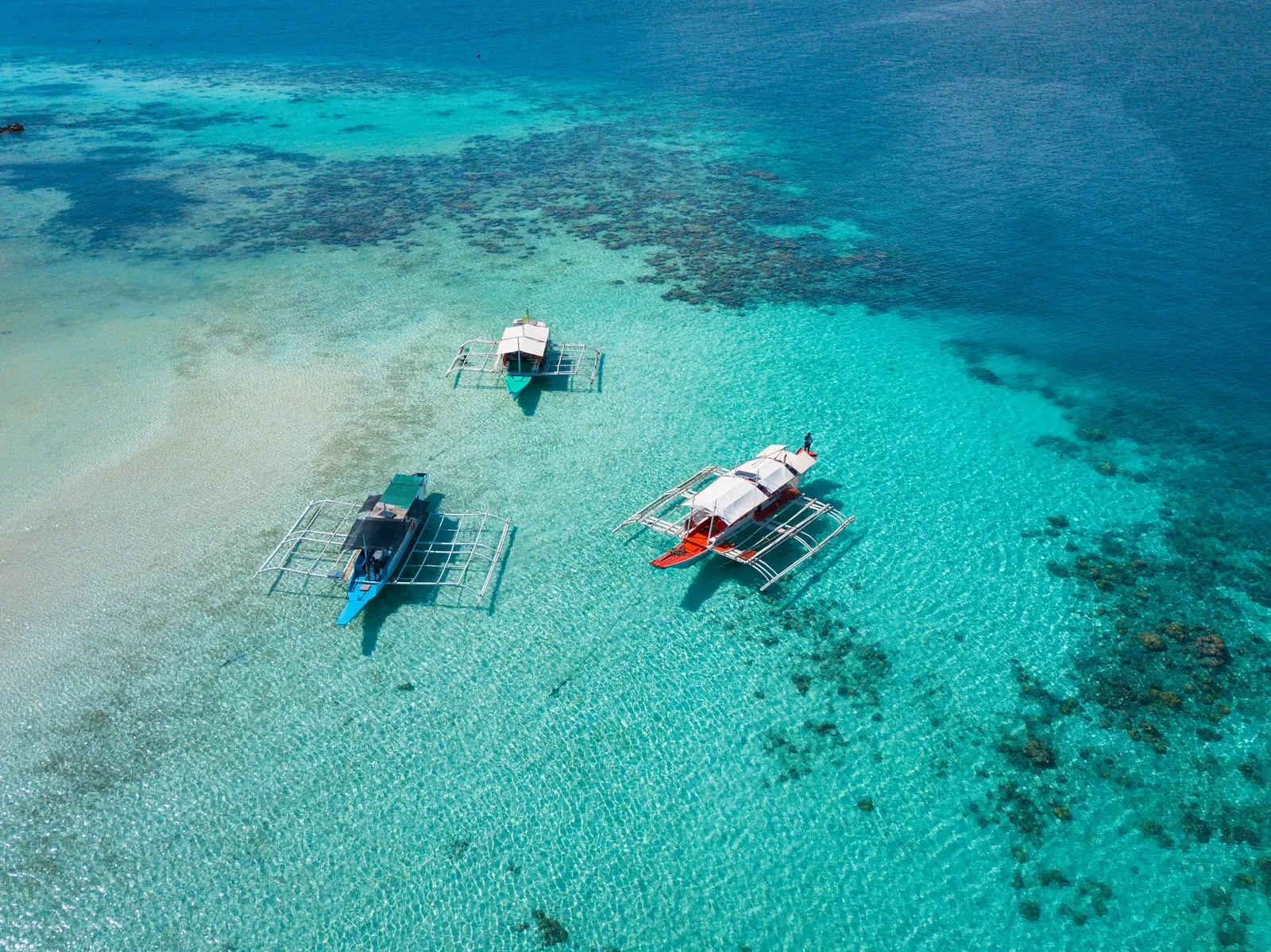
For longer trips, many tourists often choose a large island as their "base" and then branch out into shorter day trips to smaller islands or nearby coastal areas. This approach reduces travel time while still allowing them to experience a variety of landscapes.
9. Philippines – 7,641 islands of a typical archipelago nation.
The Philippines has 7,641 islands, of which more than 2,000 are inhabited. These islands are scattered across the Western Pacific Ocean, creating a rich culture and ecosystem, often cited as a prime example of an archipelago nation.
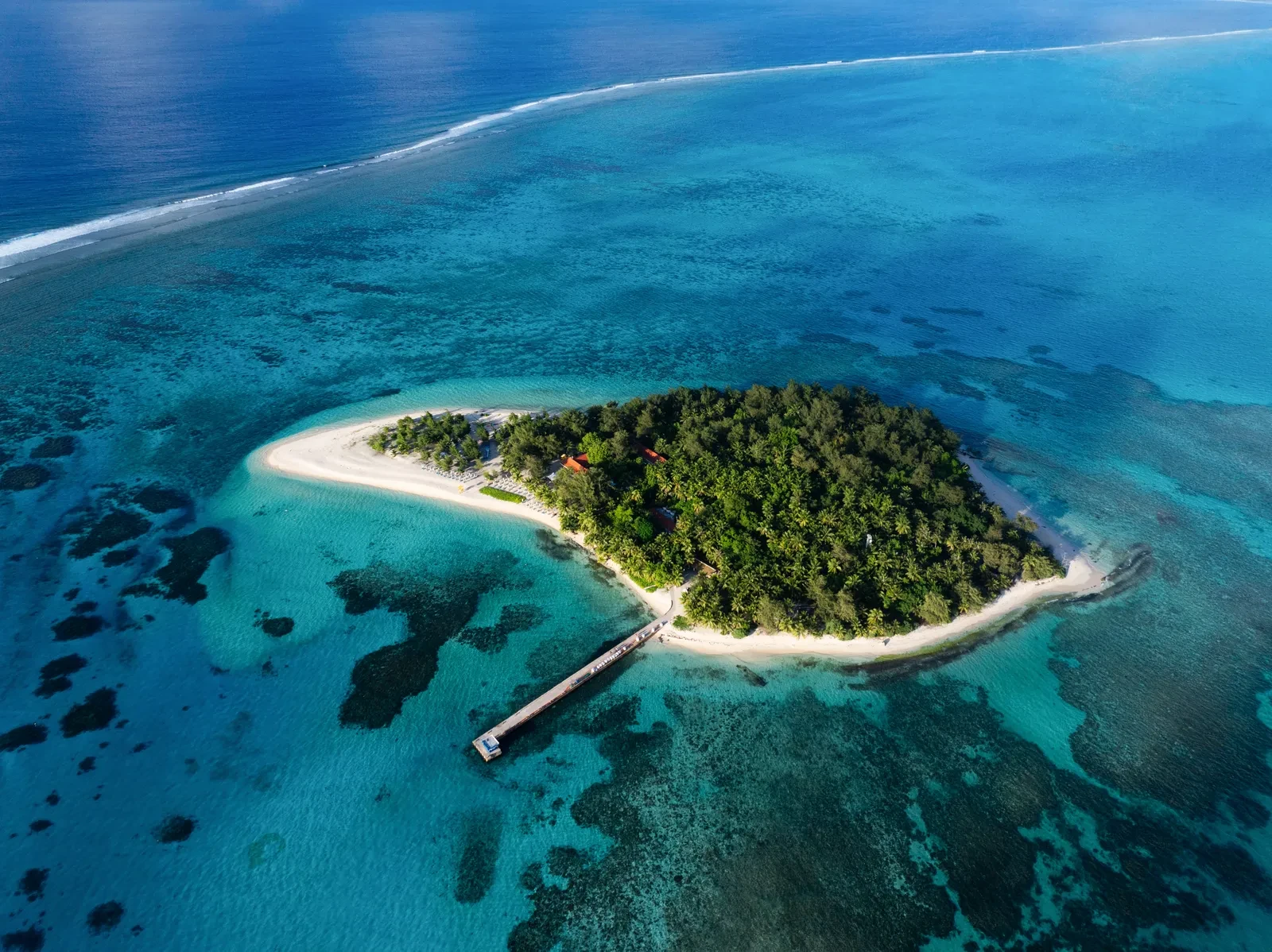
This diversity allows you flexibility in planning your itinerary: focus on one island region with a wide range of tourist services, or travel between different islands to experience variations in cuisine, language, and lifestyle.
10. Chile – approximately 5,000 islands in the southern Patagonia region.
Chile concludes the list with approximately 5,000 islands. The country's Pacific coast stretches for thousands of kilometers, particularly in the southern Patagonia region, where the dense network of fjords has created thousands of islands of varying sizes. Most of these islands are remote and sparsely populated.
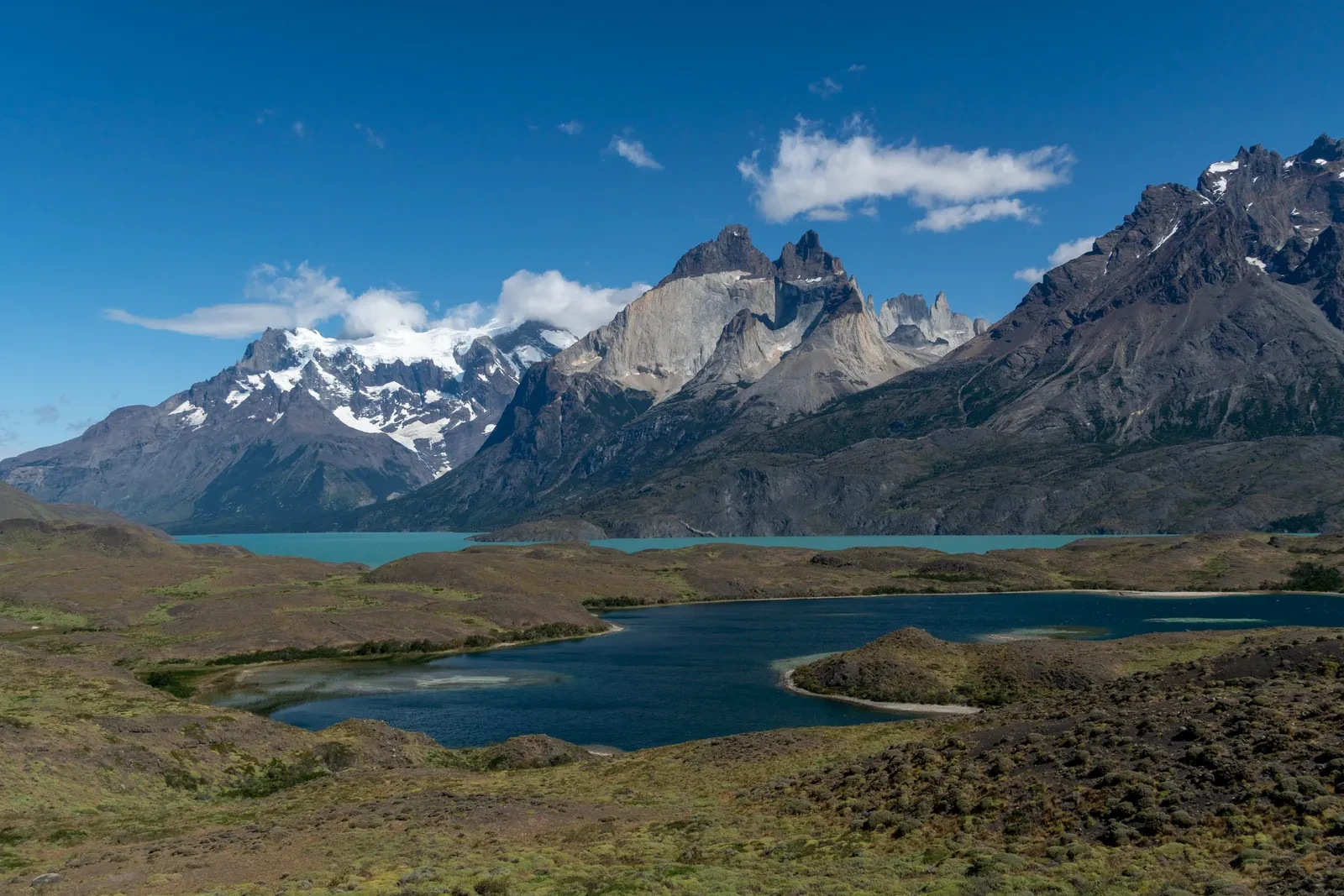
The southern island region is suitable for those seeking a remote, less-traveled experience. Before choosing an itinerary, you should consider transportation conditions, distances between points, and the level of isolation to ensure it suits your travel experience.
Here are some tips for planning a multi-island trip.
The list above shows that the number of islands is not just a statistic, but also suggests a style of experience: Northern Europe with its network of islands associated with lakes and fjords, Indonesia and the Philippines with their tropical archipelago nations, and Canada and Chile with their remote, sparsely populated islands.
When planning your trip, you can choose an island cluster approach rather than a country-wide one, prioritizing locations with clear transportation links, then gradually expanding to quieter islands. Always carefully check transportation options between islands and be prepared for any changes that may occur during your journey.
No matter which of these 10 countries you choose as your destination, stepping onto an island – whether in a freshwater lake or out in the open ocean – always offers a sense of detachment from the daily grind, opening up entirely new landscapes and stories.


