
12 causes of nosebleeds
Nosebleeds are something almost everyone experiences at some point in their lives. There are many causes of nosebleeds, both localized and systemic.
 |
Allergic rhinitis:Due to the body's reaction to allergies, the tissues along the nose swell. At this time, capillaries dilate and sometimes rupture, causing nosebleeds. Blood may appear as small streaks whenever you blow your nose or sneeze.
 |
Frequent sneezingFrequent sneezing can also cause ulcers in the lining of the septum (the central partition between the two nostrils), which can easily lead to bleeding.
 |
Dry climateThis is common in patients with deviated septum because the airflow through a narrow area in the nose is faster, causing the nose to dry out, leading to irritation, followed by sneezing and nosebleeds.
 |
Picking your nose:Picking your nose may seem harmless, but it can actually cause nasal hair loss, damage the mucous membrane, rupture blood vessels, and cause bleeding. Furthermore, frequent nose picking can easily lead to nasal infections.
 |
Sinus infection or tumor:In adults, nosebleeds with dark-colored or foul-smelling blood are very likely signs of a sinus infection or a tumor in the nose. If these symptoms are present, the patient should be examined through endoscopy and CT scan.
 |
Blood disorders:Nosebleeds are a common symptom and require examination, blood tests, and treatment by a hematology specialist.
 |
Physiological changes:Physiological changes leading to nosebleeds are common in pregnant women, especially those with gestational hypertension. In this case, pregnant women should consult an obstetrician for monitoring and active treatment.
 |
When there is a vitamin C deficiency:The skin will become dry, prone to subcutaneous bleeding (bleeding easily with minor impacts), nosebleeds, bleeding gums, and wounds will heal slowly. Therefore, a sudden nosebleed may signal that the body urgently needs more vitamin C.
 |
High blood pressure:High blood pressure is a frequent cause of nosebleeds in older adults. When blood pressure rises, it leads to increased pressure on the blood vessel walls, which can cause them to rupture, resulting in dangerous complications such as nosebleeds, brain hemorrhages, and pelvic hemorrhages.
 |
ExudatesThis discharge, often secreted when the nose is inflamed, adheres tightly to the mucous membrane, causing itching and discomfort. This leads to frequent nose picking, which can cause bleeding.
 |
Nasopharyngeal fibroma:This is a common disease when children reach puberty. It will be accompanied by symptoms such as nosebleeds, nasal congestion, tinnitus, and hearing loss. If left untreated, the tumor can rupture, causing massive bleeding, and the patient may die from excessive blood loss.
 |
Allergy:Typically, when experiencing an allergic reaction, the body reacts by causing tissues to swell. When the tissues along the nose swell, the capillaries dilate; if they become too strained, they can rupture, causing bleeding when sneezing or blowing the nose.
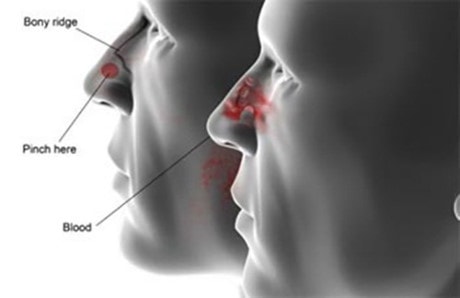 |
Frequent nosebleeds are a very dangerous symptom. Therefore, if you frequently experience nosebleeds, you should go to a medical facility for examination and necessary tests to find the cause and treat the condition promptly.
According to VOV
| RELATED NEWS |
|---|


